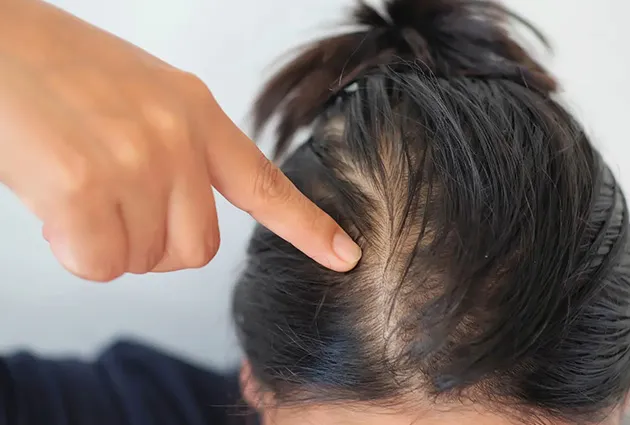

t Kopelman Hair, treatments like Capixyl are evaluated as part of a broader strategy based on the cause of thinning. Dr. Kopelman focuses on combining topical solutions with medical or procedural options when needed. This approach helps improve results while maintaining long-term density.
What Is Capixyl?
This ingredient is a blend of red clover extract, rich in biochanin A, and a biomimetic peptide that works together to improve scalp and follicle health. It is produced by Lucas Meyer Cosmetics and pairs acetyl tetrapeptide-3 with biochanin A from red clover.
Together, these components target the underlying drivers of shedding, such as inflammation and the overproduction of DHT (dihydrotestosterone), a hormone associated with hair thinning.
How Does Capixyl Promote Hair Growth?
This formula supports the growth cycle by working on the scalp and follicles simultaneously. Here is how it works:
- Blocks DHT: The biochanin A in red clover inhibits 5-alpha-reductase, the enzyme that converts testosterone into DHT. Lowering DHT helps follicles stay in the active growth phase for longer.
- Improves scalp health: It calms inflammation, creating a steadier environment for regrowth. Capixyl has also been shown to lower pro-inflammatory cytokines such as IL-8. nih
- Strengthens follicles: The peptide boosts extracellular matrix proteins like collagen and laminin, which anchor strands more firmly and reduce fallout.
- Extends the growth cycle: By lengthening the active phase, it supports denser, healthier strands over time and limits shedding.
What Does the Research Show?
The evidence behind Capixyl is encouraging, though still early. In a four-month study of 30 men with androgenetic alopecia, those using a 5% Capixyl lotion saw a 46% improvement in the anagen-to-telogen ratio, while the placebo group showed a 33% decline.
A second trial compared a Capixyl-based blend directly against minoxidil. In a 24-week, triple-blind randomized study of 32 men and women with mild-to-moderate androgenetic alopecia, a herbal blend of biochanin A, acetyl tetrapeptide-3, and ginseng performed comparably to 3% minoxidil, with no local adverse reactions.
A larger study tested Capixyl as part of a combination treatment. In a randomized trial of 106 men, a combination of Redensyl, Capixyl, and Procapil outperformed 5% minoxidil over 24 weeks on researcher assessment (64.7% versus 25.5%) and photographic evaluation (88.9% versus 60%).
Read these results as promising rather than settled. Many of the available studies use small sample sizes, test Capixyl in combination with other ingredients rather than on its own, and some are sponsored by manufacturers. For a fuller picture, see this.
Capixyl Concentrations and Common Uses

Concentration matters when choosing a product. Capixyl is typically formulated at around 5% for intensive treatment and 0.5% to 2.5% for everyday, preventive care. Checking the label helps you match the product to your goal. nih
Common Capixyl is available in both leave-on and rinse-off formats. You will find the ingredient in Capixyl hair serum, shampoo, scalp tonics, and conditioners, so it slots easily into most routines. Scalp-focused application matters more than the format itself.
Incorporating it is simple. Follow these steps for the best results:
- Cleanse your scalp: Use a gentle shampoo to remove buildup and create a clean base for any Capixyl-based product.
- Apply the serum: Massage it into your scalp, focusing on areas with visible thinning or shedding.
- Be consistent: Regular use is essential to see noticeable gains in density and follicle strength.
Capixyl and Biotin for Hair Growth: What Reviews Say
Many formulas pair Capixyl with biotin, and shoppers often search for Capixyl and biotin for hair growth reviews before buying. User feedback on these combinations tends to be mixed; some report fuller-looking strands, while others notice little change.
It helps to set expectations accurately. Biotin mainly benefits people who are genuinely deficient, so layering it onto Capixyl is unlikely to add much if your levels are already normal. The Capixyl component is doing the heavier lifting in most of these products.
Capixyl vs. Other Hair Growth Solutions
Compared with other common treatments, Capixyl stands out for its gentle, non-hormonal approach. The table below shows how it compares with three popular alternatives, including FDA-approved Minoxidil.
Capixyl is generally milder than Minoxidil, making it a strong fit for sensitive scalps or anyone who prefers a plant-based approach. Minoxidil remains more potent for advanced cases such as male pattern thinning. If you want a gentle, effective starting point, Capixyl is an excellent alternative.
Capixyl Side Effects
Although it is generally well tolerated, some people may notice mild reactions. These can include scalp redness or irritation, especially on sensitive skin. Such effects are usually minor and tend to ease with continued use or by adjusting how often you apply it.
Who Should Use Capixyl?
Capixyl suits anyone dealing with thinning strands, ongoing shedding, or a desire to improve scalp condition. It is particularly appealing for those who want a gentle, plant-based option that supports regrowth without harsh chemicals.
Precautions and Warnings
Use Capixyl cautiously if you have known allergies to any of its ingredients. Because of its estrogen-like activity, extra care is advised during pregnancy and breastfeeding. Anyone with a bleeding disorder or preparing for surgery should check with a healthcare professional first.
Long-Term Results
Capixyl offers meaningful benefits over time, but patience is key. Visible gains in density and reduced shedding typically appear after three to six months of consistent use. For lasting results, pair it with a healthy lifestyle and a steady scalp care routine.
If Capixyl or Minoxidil does not deliver what you hoped for, other options can help. Adding natural oils to your routine can also support hair regrowth and scalp health. Oils like:
- Castor Oil: Rich in fatty acids that nourish follicles and promote thickness.
- Coconut Oil: Helps reduce protein loss in strands, keeping them strong and healthy.
- Rosemary Oil: Known for stimulating scalp circulation and encouraging new growth.
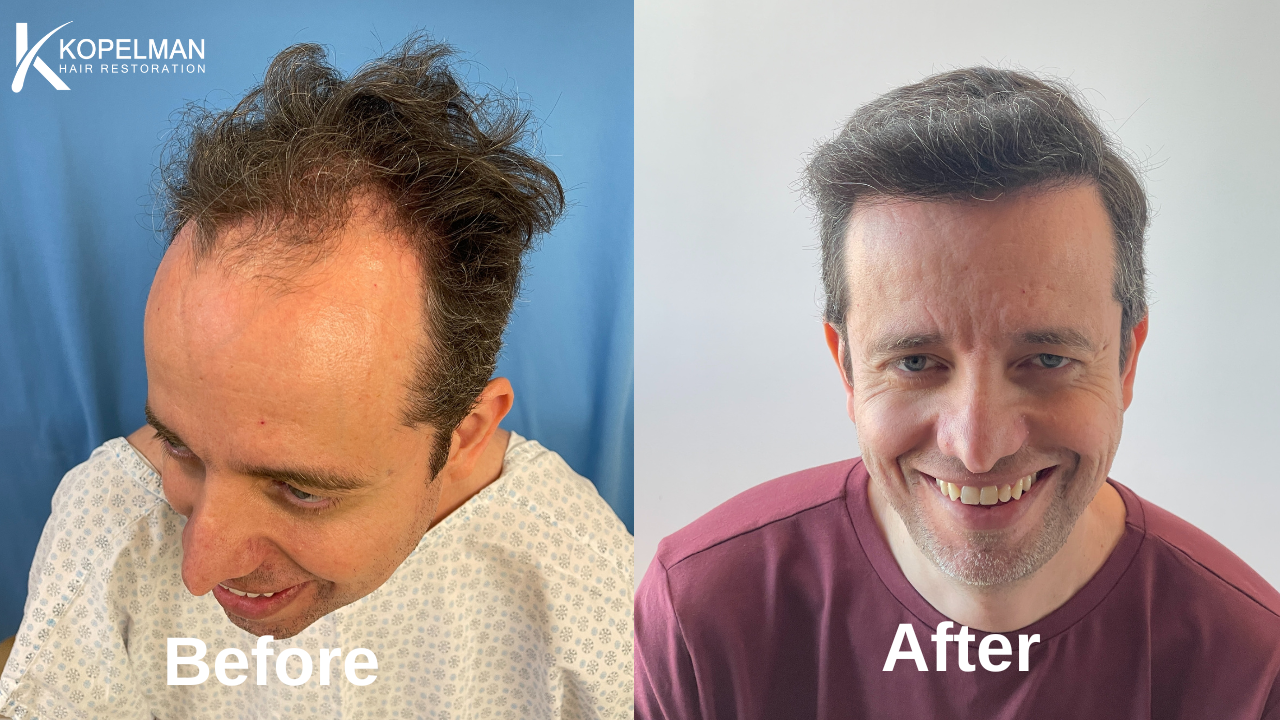
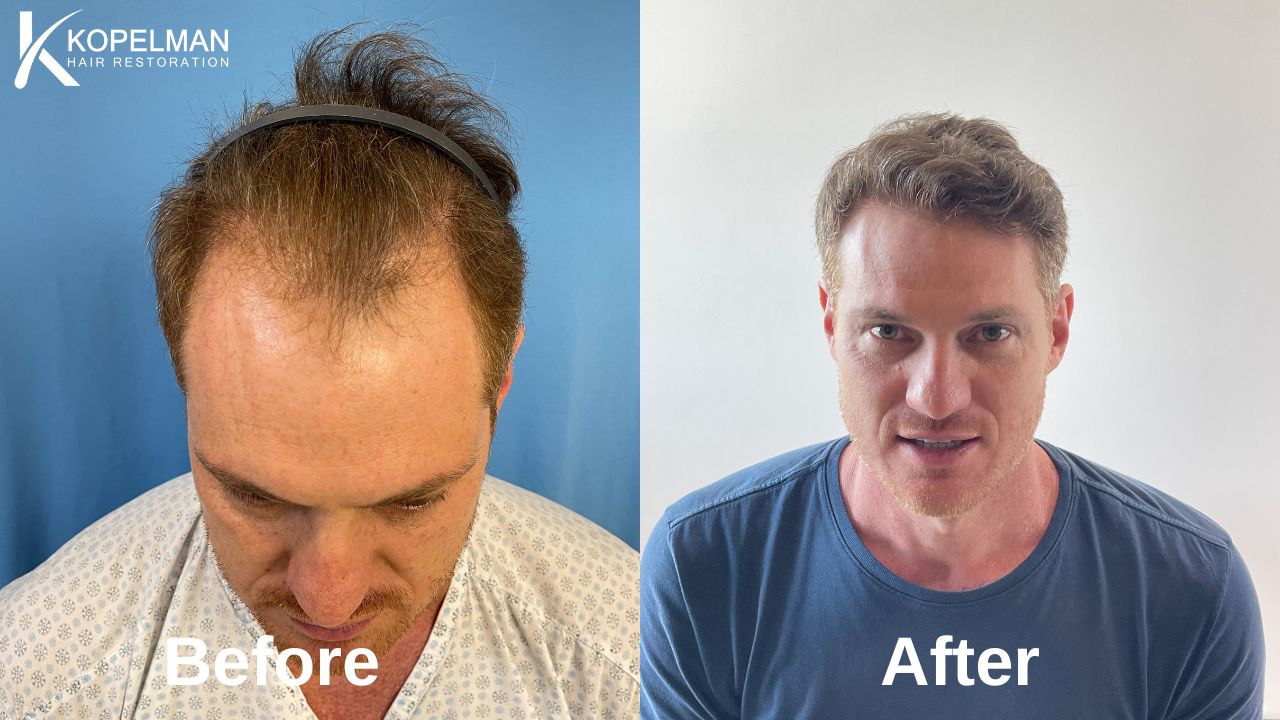
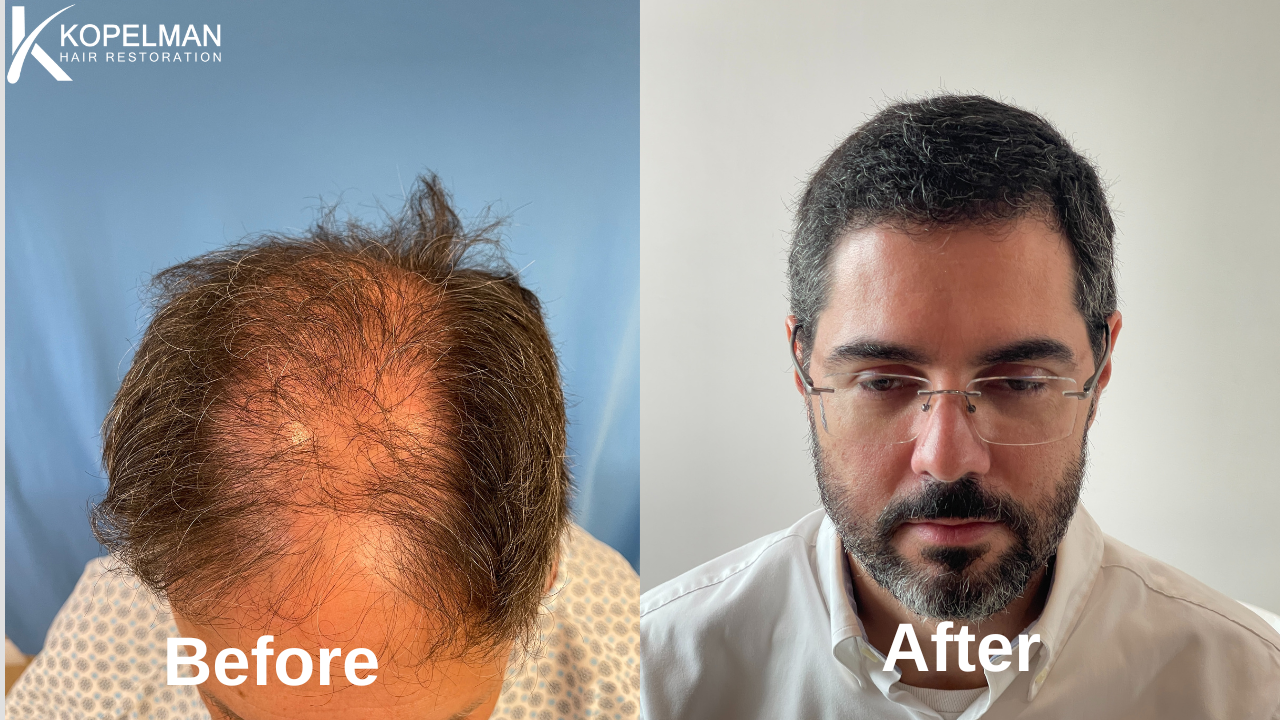
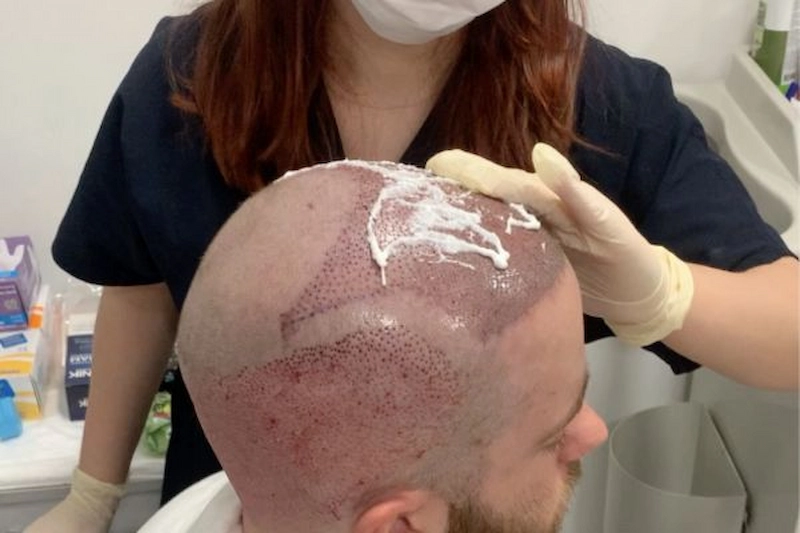
For anyone facing significant thinning or advanced pattern baldness, a transplant can offer a permanent solution. Advanced techniques like FUE (Follicular Unit Extraction) deliver natural-looking results by moving healthy follicles from a donor area to affected zones. This procedure is ideal for those seeking a long-term way to restore fuller coverage.
Is Capixyl Right for You?
If you want a natural, effective way to address thinning and support scalp health, Capixyl could be the answer. Its plant-based formula, powered by red clover extract and a biomimetic peptide, helps promote regrowth, reduce shedding, and improve overall scalp condition.
Capixyl is effective for early-stage thinning and maintenance, but it does not carry the same depth of clinical validation as Minoxidil for advanced cases. If you are dealing with significant thinning or male pattern baldness, Minoxidil may deliver stronger results. Even so, Capixyl is a great pick for anyone seeking a gentler, plant-based alternative. It is always best to consult a specialist to find the right approach for your needs.
Frequently Asked Questions
Does Capixyl really work?
Early clinical studies show measurable gains in the growth-to-rest ratio and density, especially for early-stage thinning. The data is promising but limited, so results vary by person and by the underlying cause.
How long before I see results?
Most people need three to six months of consistent use before changes in density and shedding become visible. Daily scalp-focused application gives the ingredient the best chance to work.
Can I use Capixyl with Minoxidil?
Many people layer the two, since they work through different mechanisms. Check with a specialist first, particularly if your scalp is sensitive or you are already using other topicals.
Is a Capixyl hair serum better than a Capixyl shampoo?
A leave-on serum stays on the scalp longer, so it often delivers more benefit than a rinse-off Capixyl shampoo. Many routines use both, with the shampoo for cleansing and the serum for treatment.
What concentration should I look for?
Around 5% is common for intensive treatment, while 0.5% to 2.5% suits everyday, preventive care. Match the strength to your goal and your scalp’s tolerance.
Are there any side effects?
Side effects are usually mild, such as temporary redness or irritation. They often settle with continued use or by reducing how often you apply the product.
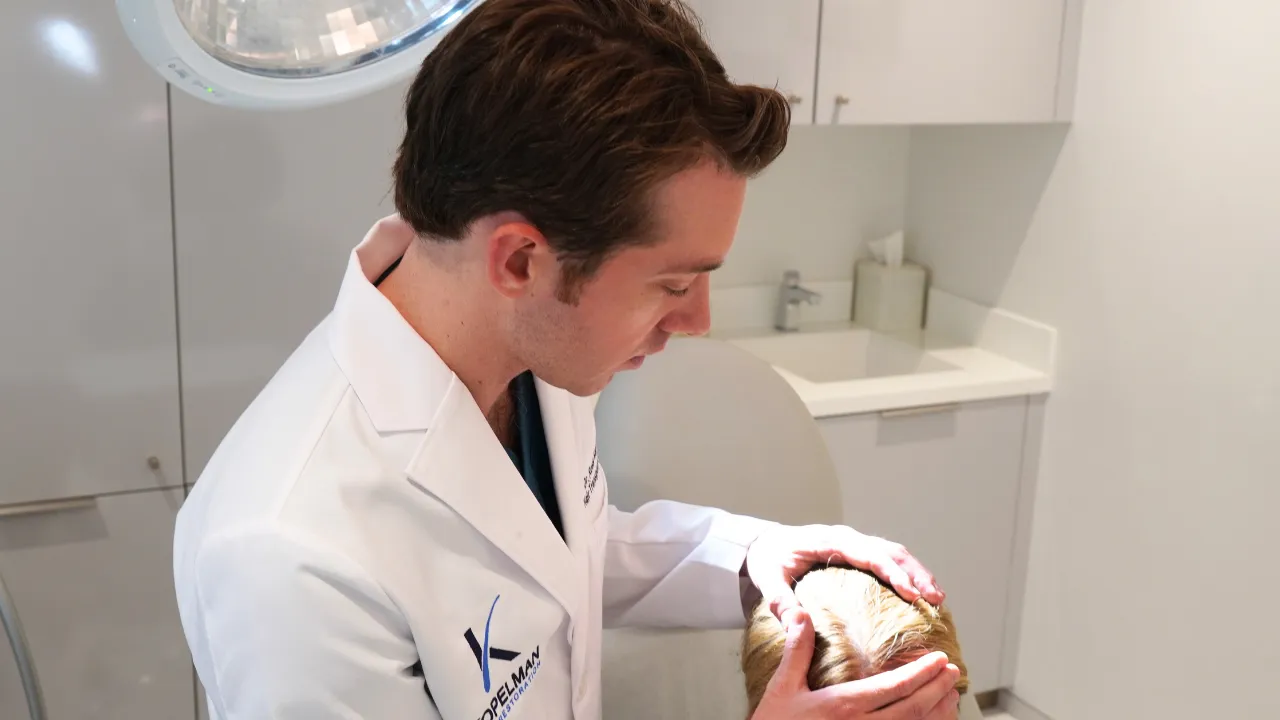
For anyone dealing with thinning or similar concerns, consider speaking with Dr. Kopelman. This father-son team has more than 35 years of experience in hair restoration.
They focus on personalized treatments for every client. Dr. Kopelman’s expertise can help you find the right solution tailored to your unique needs. Schedule a consultation today to explore your options and take the first step toward your goals.