Does Castor Oil Help With Hair Growth? Expert Opinion

I hope you’re enjoying reading this blog post if you want a consultation with Dr. Kopelman, click here.

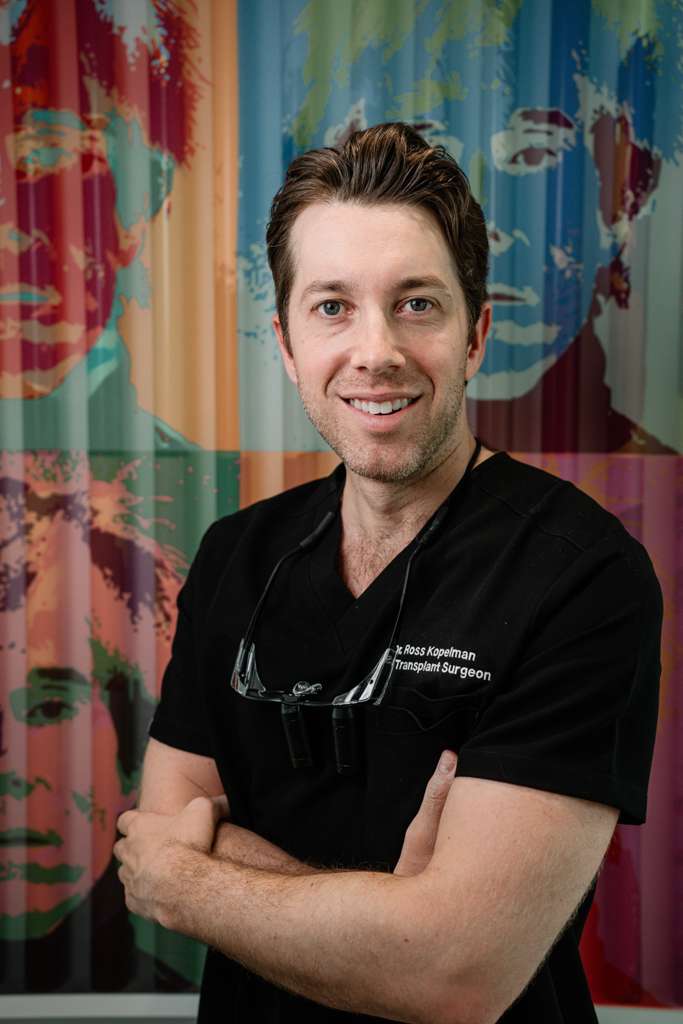
Dr. Ross Kopelman

November 25, 2024  ⁃  15 Min read

Castor oil is a popular home remedy, but the evidence linking it directly to new hair growth is limited. The appeal comes from its ability to moisturize the scalp, reduce breakage, and make strands look fuller because of its dense, viscous texture. It does not create new follicles or reverse genetic balding on its own.

That said, the ingredient has a meaningful supporting role in scalp care. Regular use can soften dry skin, calm minor irritation, and protect existing strands from damage that contributes to thinning. For people who want measurable regrowth, it is best paired with treatments that address the root cause of shedding.

Does Castor Oil Help Hair Growth? The Short Answer

The honest clinical answer: castor oil is not a proven regrowth treatment, and no large peer-reviewed trial has shown it can stimulate dormant follicles or reverse pattern baldness. What it can do is improve the surface health of the scalp, reduce mechanical breakage, and give strands a thicker, glossier appearance.

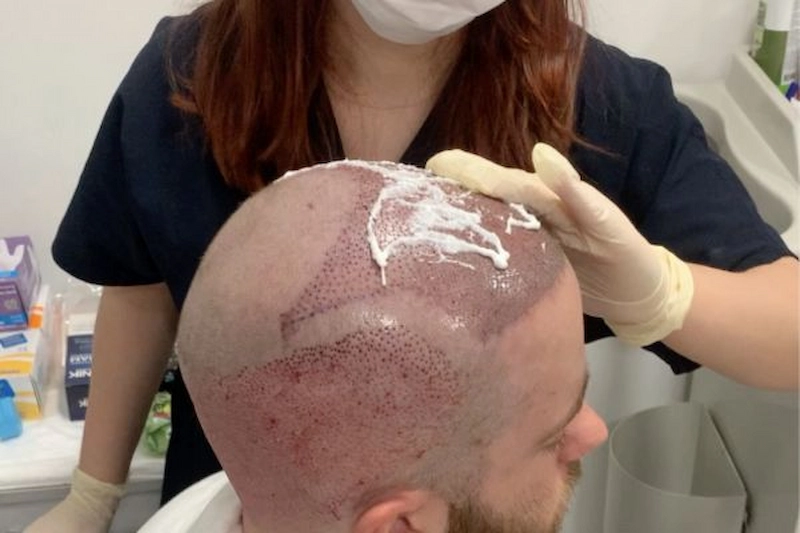
If you are searching whether vegetable hair oil regrow hair on bald head patches, the realistic answer is no. Once a follicle has miniaturized to the point of producing no visible strand, topical seed pressings cannot reactivate it. Reversing that process requires either FDA-approved medical therapy or a surgical solution like FUE.

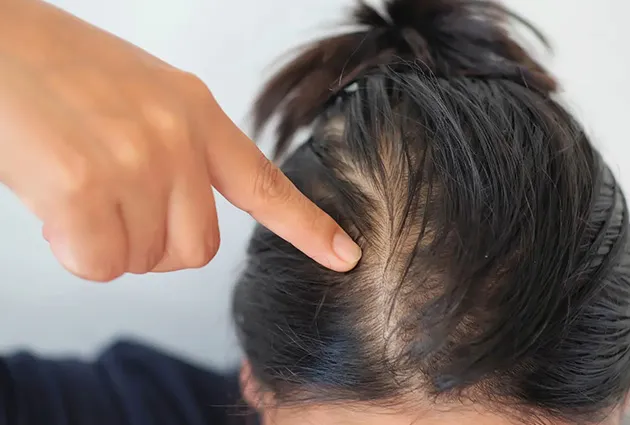
For early thinning, mild shedding, and dry scalp issues, this remedy can be a worthwhile addition to a routine. For visible bald patches, a receding hairline, or a clearly defined Norwood pattern, you will need clinically validated options. I cover those distinctions in detail below.

What Does Castor Oil Do for Your Hair?
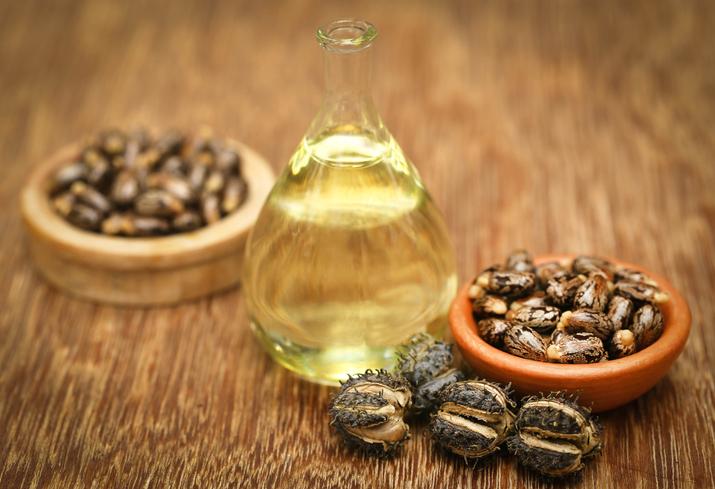
Pressed from the seeds of Ricinus communis, this ingredient has been used for centuries in folk hair care. Its appeal comes from a unique fatty acid profile and its ability to coat the strand, which is why so many users report softer, shinier results after just a few applications.

Nutritional Composition and Role in Scalp Care

The active compound responsible for most of its benefits is ricinoleic acid, an omega-9 fatty acid that makes up roughly 90 percent of the oil’s content. Ricinoleic acid has documented anti-inflammatory and humectant properties, which help calm an irritated scalp and lock in moisture.

The pressing also contains vitamin E, omega-6 and omega-9 fatty acids, and trace proteins. Together these nourish the scalp surface, reduce snapping at the cuticle, and improve overall texture and shine. Its moisturizing effect can also reduce flakiness, creating a healthier surface for the strands you already have.

Why It Is Popular for Thinning and Hairline Concerns

The thick consistency makes strands look denser by physically coating each shaft, which is why people with fine textures often see an immediate cosmetic improvement. The anti-inflammatory action of ricinoleic acid may also support a calmer follicular environment, which is helpful when scalp irritation is contributing to shedding.

It also has mild antifungal and antibacterial activity, which can help protect against minor infections that interfere with normal cycling. None of this constitutes proof of regrowth, but it does explain why so many users feel their strands look healthier with consistent use.

Does Castor Oil Stop Hair Loss?

This is one of the most frequent questions I get from patients, so let me address it directly. Does castor oil stop hair loss in any clinically meaningful way? The current research says no, not on its own. There is no peer-reviewed study showing that topical application halts androgenetic alopecia, telogen effluvium, or scarring alopecia.

What it can do is reduce mechanical shedding, the kind caused by dryness, breakage, and rough handling. Patients often confuse strand snapping with true follicular loss; the seed pressing helps with the former but not the latter. If your shedding is driven by hormones, autoimmune activity, or nutritional deficiency, you need a targeted medical workup.

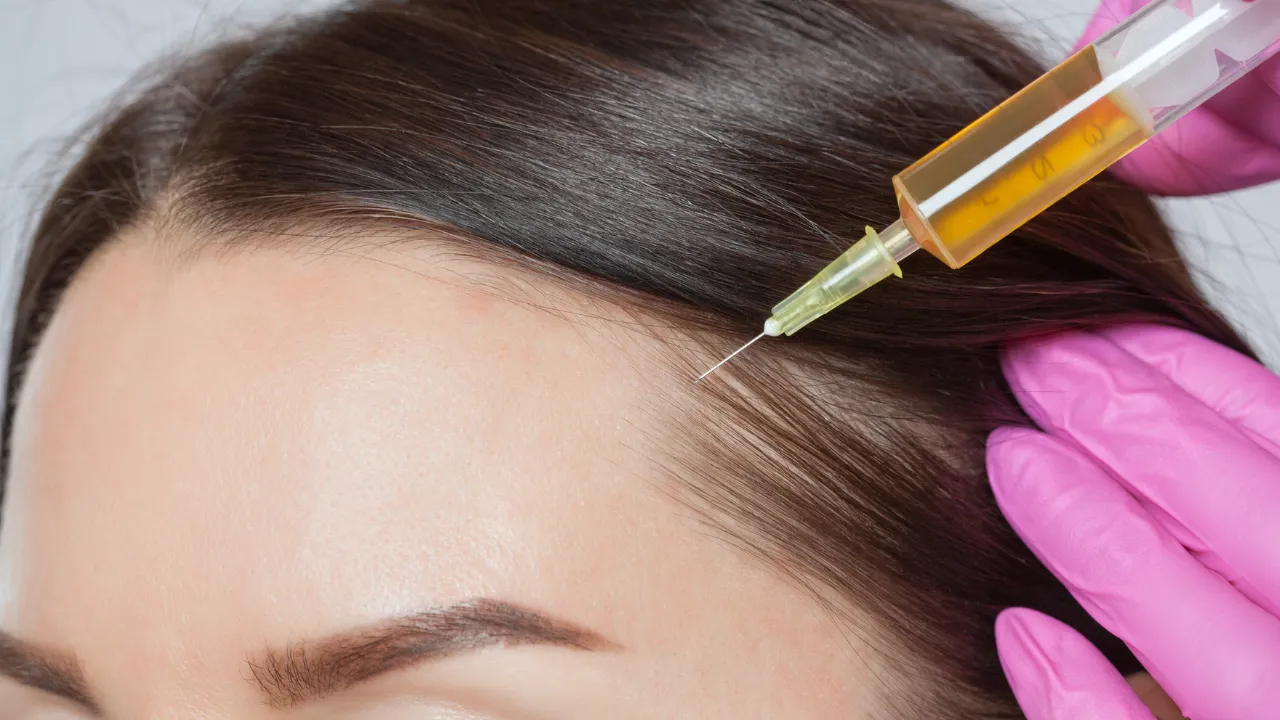
For an evidence-based approach, I usually recommend combining a healthy scalp routine with treatments like minoxidil, finasteride, or PRP. Natural remedies have a place as supportive care, not as primary therapy. You can read more in my guide on the best products to stop thinning hair.

Myths and Facts About Castor Oil and Hair Growth

The internet is full of dramatic before-and-after claims. Most of them confuse cosmetic improvement with actual follicular regrowth, so it is worth separating what the science supports from what is marketing.

What the Research Actually Shows

Published evidence on this topic is thin. A 2003 study in the Journal of Cosmetic Science documented that castor bean extract increases hair luster by improving the contrast between specular and diffuse light reflection, which explains the visual thickness and shine many users report (McMullen & Jachowicz, J Cosmet Sci, 2003). 

A separate body of literature on ricinoleic acid confirms its anti-inflammatory effects, which support a healthier scalp environment.

What does not exist is a randomized controlled trial showing that this ingredient regrows hair on bald scalps or reverses pattern loss. The most accurate framing: it is a scalp conditioner with secondary cosmetic benefits, not a regrowth medication. Anyone selling it as a baldness cure is overstating the evidence.

How It Helps with Thinning Hair and Baldness

Castor bean extract plays a significant role in addressing castor oil and hair thinning concerns. Its moisturizing properties strengthen existing strands, prevent breakage, and create the appearance of fuller hair. Additionally, its antifungal and antibacterial benefits help maintain a clean and healthy scalp, reducing issues that may lead to castor bean extract for falling hair becoming a necessary remedy.

People often search for castor oil for balding, hoping for a natural alternative. While vegetable hair oil may not reverse severe hair loss, its natural properties make it a valuable tool for improving hair health, supporting regrowth, and addressing thinning hair effectively.

Benefits of Castor Oil for Thinning and Scalp Health

The seed pressing has several legitimate benefits worth highlighting. None of them constitute a cure for baldness, but together they make a strong case for including it in a maintenance routine.

1. Nourishes and Strengthens the Strand

Vitamin E and essential fatty acids penetrate the cuticle modestly and coat the surface, reducing breakage from brushing, heat styling, and environmental stress. With consistent use, strands feel stronger and look smoother.

2. Supports Scalp Circulation

Massaging any heavy emollient into the scalp increases local blood flow during the application itself. While this does not regrow lost density on its own, improved circulation supports the delivery of nutrients to active follicles.

3. Reduces Inflammation and Microbial Buildup

The antibacterial and antifungal activity of ricinoleic acid helps maintain a clean scalp surface, which can reduce dandruff and folliculitis. A healthier scalp environment is foundational to keeping the follicles you have functioning normally.

4. Prevents Further Thinning From Breakage

By coating dry, brittle strands and locking in moisture, this remedy reduces the kind of snapping that mimics shedding. Patients are often surprised at how much of their perceived density loss was actually breakage that good emollient care reverses.

Don’t Forget to Review How Other Oils for Hair Growth Can Help You!

These guides cover natural options that pair well with a castor-based routine:

-> Carrier Oils for Hair

-> Coconut Oil for Hair Growth

-> Thyme Oil for Hair

-> Pumpkin Seed Oil for Hair

-> Rosemary Oil for Hair:

-> Castor Oil for Beard Growth

How to Use Castor Oil for Hair Growth
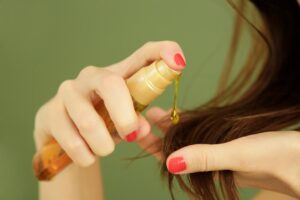
To get the most out of this remedy, technique matters as much as the product itself. Below is the protocol I share with patients who want to try it as part of a broader scalp care plan.

Choosing the Right Type of Oil from Castor Beans

Jamaican Black is roasted before pressing, raising its pH and ash content. This makes it slightly more alkaline and better at penetrating the cuticle, which suits coarse, thick, or dry textures.

Cold-Pressed is extracted without heat, preserving more of the original nutrients. It tends to be lighter and is generally a better match for fine or oily hair types.

Step 2: Match the Type to Your Hair

Hair Type Guide

Which Castor Oil Is Best for Your Hair Type?

The best option depends on your hair texture, scalp sensitivity, and how much buildup your hair can tolerate.

Hair Type
Best Option
Reason
Fine or oily
Cold-pressed
Lighter, less buildup
Medium thickness
Either works
Personal preference
Thick or coarse
Jamaican Black
Deeper penetration
Dry or damaged
Jamaican Black
Stronger emollient action
Sensitive scalp
Cold-pressed, organic
Fewer additives

Step 3: Patch Test First

Allergic reactions, while uncommon, do occur. Apply a small amount to the inner forearm and wait 24 hours before scalp application. If you notice redness, itching, or burning, do not proceed.

Step 4: Dilute Before Applying

The pure form is heavy and difficult to wash out. Mix one part of the seed pressing with two parts of a lighter carrier such as jojoba, coconut, or argan. This thins the texture, reduces the scent, and makes rinsing easier.

Step 5: Warm and Apply to the Scalp

Warm the diluted blend between your palms. Section the hair and apply directly to the scalp using your fingertips or an applicator brush. Massage in circular motions for three to five minutes, which both distributes the product and stimulates circulation.

Step 6: Work Through the Lengths

Use a wide-tooth comb to draw the residual product from roots to ends, focusing on dry mid-lengths and tips. You do not need saturation; a light, even coat is enough.

Step 7: Cover and Wait

Tuck everything into a shower cap and place a towel underneath to catch drips. Leave the treatment on for 30 minutes to two hours. Avoid overnight applications more than occasionally, since prolonged exposure can dry out the scalp.

Step 8: Wash Thoroughly

Shampoo twice with a clarifying or sulfate-based formula to remove all residue. Follow with a moisturizing conditioner. Failure to rinse fully is the single most common cause of buildup and matting.

Step 9: Limit Frequency

Apply no more than once per week. Overuse leads to product buildup, weighed-down strands, and in rare cases a condition called acute hair felting, where strands tangle into a hard mass that can only be cut out.

Pairing With Essential Oils for Better Results

Several essential oils have stronger evidence behind them than castor on its own. Adding two or three drops per tablespoon of carrier blend can enhance the routine.

Rosemary oil has the strongest evidence base. A 2015 randomized trial in SKINmed found rosemary oil performed comparably to 2% minoxidil for androgenetic alopecia over six months. Combining the two into a single weekly treatment is a reasonable approach.

Peppermint oil has shown follicle-stimulating activity in animal studies, while lavender offers calming and antimicrobial benefits. Always patch test essential oil blends before scalp application, since they are far more potent than carrier oils.

Diet and Lifestyle Factors That Support Density

Topical treatments work best when nutrition supports them from the inside. Common deficiencies that contribute to shedding include iron, vitamin D, zinc, and biotin. A blood panel from your physician can identify gaps before you self-supplement.

Foods that support strong follicles include salmon and other fatty fish, eggs, leafy greens, nuts and seeds, lean proteins, and avocado. Adequate protein intake (around 0.8 grams per kilogram of body weight) is particularly important, since strands are roughly 95 percent keratin.

Sleep, stress management, and hydration also matter. Telogen effluvium, a common form of diffuse shedding, is frequently triggered by stress, illness, or rapid weight loss. No topical can override these systemic factors.

Side Effects and Precautions

While generally safe, this remedy is not risk-free. Patients should know what to watch for before incorporating it into their routine.

Acute Hair Felting

This is a rare but irreversible complication where strands knot into a single hard mass that cannot be combed out. The only treatment is cutting off the affected section. The risk increases with overuse, inadequate rinsing, and very long, textured hair.

Allergic Reactions

Some people develop contact dermatitis, presenting as redness, itching, or small bumps on the scalp. A 24-hour patch test before first use is essential, particularly for those with sensitive skin or known plant allergies.

Scalp Buildup and Folliculitis

Inadequate rinsing can leave a film that clogs follicles and leads to small inflamed bumps. If you notice persistent itching, breakouts, or odor, stop use and clarify thoroughly with a sulfate shampoo.

Staining

The seed pressing stains fabric easily. Use an old shirt, place a towel under the shower cap, and avoid contact with light-colored bedding if you choose an overnight application.

Storage and Shelf Life

Once opened, the product begins to oxidize and will turn rancid within roughly 12 months. Store in a cool, dark place with the cap tightly sealed. A sour or off smell means it is time to replace the bottle.

When to See a Doctor

Sudden, patchy, or rapidly progressive shedding is not something to treat at home. It can signal thyroid dysfunction, autoimmune alopecia, iron deficiency, or other underlying conditions. If you notice unexplained density loss, get a proper evaluation before relying on any topical remedy.

Does Castor Oil Work for Thinning and Baldness?

For early-stage thinning, the answer is a qualified yes; it can support healthier strands and a calmer scalp, which may reduce visible shedding caused by breakage and dryness. For established baldness, the answer is no.

What It Does Well

It strengthens existing strands, reduces inflammation, hydrates a dry scalp, and improves cosmetic density. For someone in the early stages of pattern thinning who also uses minoxidil or finasteride, it can be a useful adjunct that improves the look and feel of remaining density.

Where It Falls Short

Once a follicle has miniaturized to the point of dormancy, no topical seed pressing will reactivate it. Pattern baldness, scarring alopecias, and significant Norwood-stage loss require medical or surgical intervention. Trying to treat advanced loss with home remedies typically wastes the most valuable resource a patient has, which is time.

For severe or progressive cases, follicular unit extraction or follicular unit transplantation remain the only permanent solutions. Combining surgical restoration with ongoing medical maintenance gives the most durable result.

Frequently Asked Questions


Most users notice improved softness and shine within two to four weeks of consistent weekly use. Any meaningful improvement in apparent density takes three to six months, and that improvement reflects reduced breakage rather than new follicle activity.

No. A receding hairline reflects miniaturization of follicles along the frontal zone, which is a hormonally driven process. No topical pressing can reverse it. Treatments with documented efficacy include finasteride, minoxidil, and surgical restoration.

Better is the wrong word; different is more accurate. Jamaican Black has a higher pH and is more emollient, which suits coarse or dry textures. Cold-pressed is lighter and better for fine or oily types. Match the product to your texture rather than the marketing.

Occasionally, yes, but not as a routine. Prolonged exposure can dry out the scalp and increase the risk of buildup and matting. A 30-minute to two-hour treatment once per week is the sweet spot for most patients.

In areas of true baldness where follicles have already disappeared or fully miniaturized, no topical product, including this one, can regrow strands. For active early thinning, it may support the surrounding scalp and reduce breakage, but it will not reverse established pattern loss.

I generally recommend keeping the two separate. Apply minoxidil according to its instructions on dry scalp, and use the seed pressing as a weekly conditioning treatment on a different day. Mixing them can interfere with absorption of the active medication.

For most patients with healthy strands or mild thinning, this remedy is a worthwhile, low-cost addition to a weekly routine. It improves cosmetic appearance, reduces breakage, supports scalp health, and carries minimal risk when used correctly. It will not, however, regrow lost density.


Dr. Kopelman’s Clinical Perspective

In my Manhattan and Palm Beach practices, I see patients every week who have spent months or years trying natural remedies before seeking medical evaluation. Many of them had treatable conditions where earlier intervention would have preserved significantly more density. The lesson is straightforward: use this remedy as supportive care, not as a substitute for proper diagnosis.

If you are noticing real density loss, get evaluated. Bloodwork, a scalp examination, and a discussion of family history take less than an hour and give you a clear picture of what is actually happening. From there, we can build a plan that may include medical therapy, PRP, surgical restoration, or simply confirmation that what you are seeing is normal cycling.

The most successful patients combine evidence-based treatment with good scalp habits. A weekly conditioning treatment with this remedy fits naturally into that picture; it just should not be the entire plan.

About the doctor

Dr. Ross Kopelman

Hair Restoration Surgeon

Dr. Ross Kopelman is a hair restoration surgeon focused on the medical and surgical treatment of hair loss, with expertise in advanced FUE hair transplantation, natural hairline design, and regenerative therapies that support healthier hair growth. He is known for combining surgical precision with an artistic approach to deliver natural, undetectable results tailored to each patient. Dr. Kopelman sees patients in New York City and Palm Beach, Florida, and also offers virtual consultations for patients across the United States and internationally.
Follow the specialist:

Ready to Restore Your Hair?

Dr. Ross Kopelman offers personalized consultations for hair transplants and hair restoration in New York, New Jersey, and Palm Beach.

In this Article

Before & After results

Kopelman Hair Restoration

Dr. Ross Kopelman and Dr. Joel Kopelman treat patients for hair loss and focus on delivering natural hair transplants at their New York City, New Jersey, and Palm Beach Florida offices. With over 40 years of combined experience, they are leaders in advanced FUE hair transplantation and hair restoration.
40+

Years Combined Experience

1K+

Procedures Performed

5.0★

Patient Rating

3

Locations

Stay in the loop

Get the latest on hair restoration and hair transplant tips from Dr. Kopelman

Dr. Ross Kopelman

Dr. Ross Kopelman is a hair restoration surgeon specializing in advanced FUE hair transplantation, natural hairline design, and regenerative therapies. He sees patients in New York City, New Jersey, and Palm Beach, and offers virtual consultations nationwide.