Receding Hairline in Women: Causes and How to Correct a High Female Hairline

I hope you’re enjoying reading this blog post if you want a consultation with Dr. Kopelman, click here.

Dr. Ross Kopelman

April 5, 2024  ⁃  8 Min read

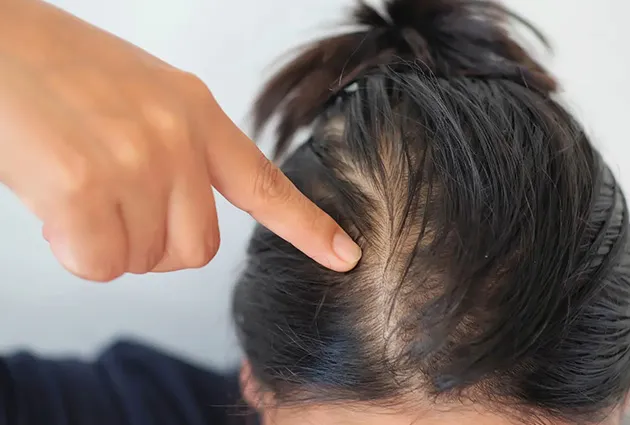
A receding hairline in women is corrected either with surgical hairline lowering, also known as forehead reduction, or with transplantation that gradually brings the frontal edge forward. Surgery can advance the front edge by roughly 1 to 2 inches immediately, while grafting uses donor follicles to build a softer, more natural shape over several months.

Which route fits depends on your goals, existing density, and scalp flexibility. Grafting is often preferred for a gradual result, especially when reshaping the temples. Before either option, the underlying cause of the recession needs to be identified, because active loss will undermine surgical results.
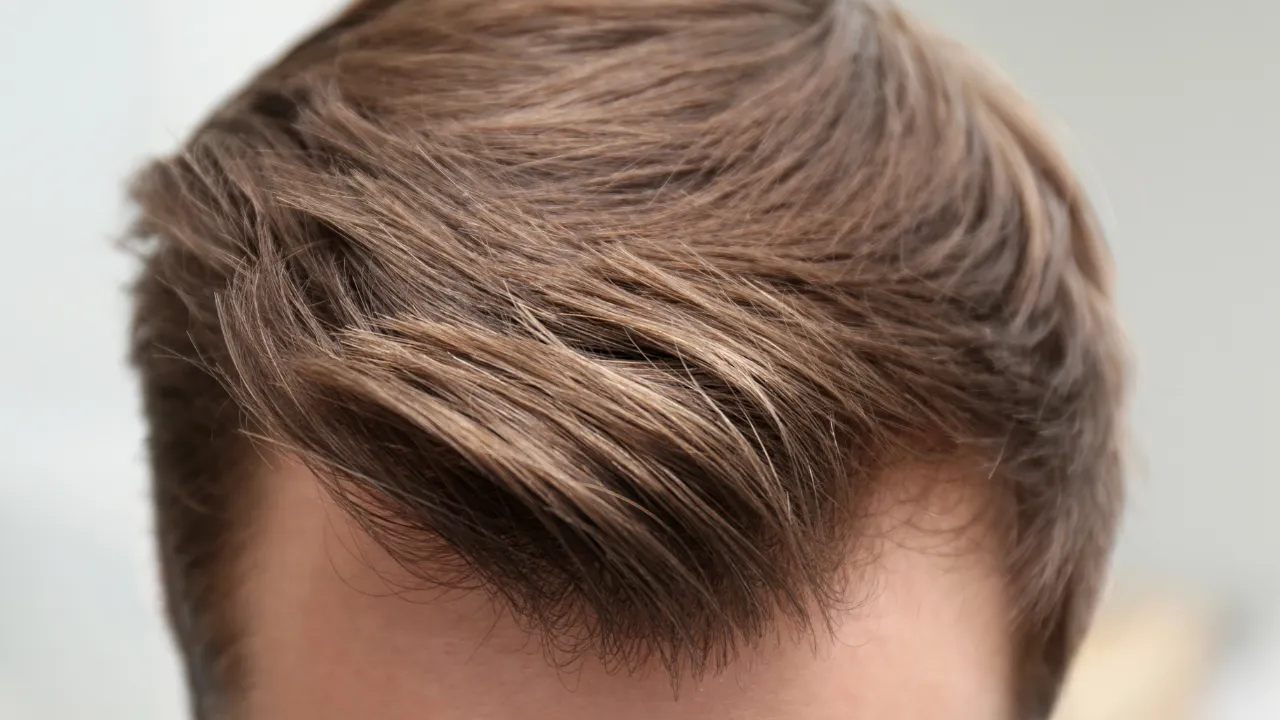
high female hairline

At Kopelman Hair, correction is planned by analyzing facial proportions, density, and long-term loss patterns. Dr. Kopelman focuses on creating a natural, age-appropriate frontal design that blends with what already grows there. This approach helps ensure balanced results that remain consistent over time.

What is the Normal Hairline for a Woman?

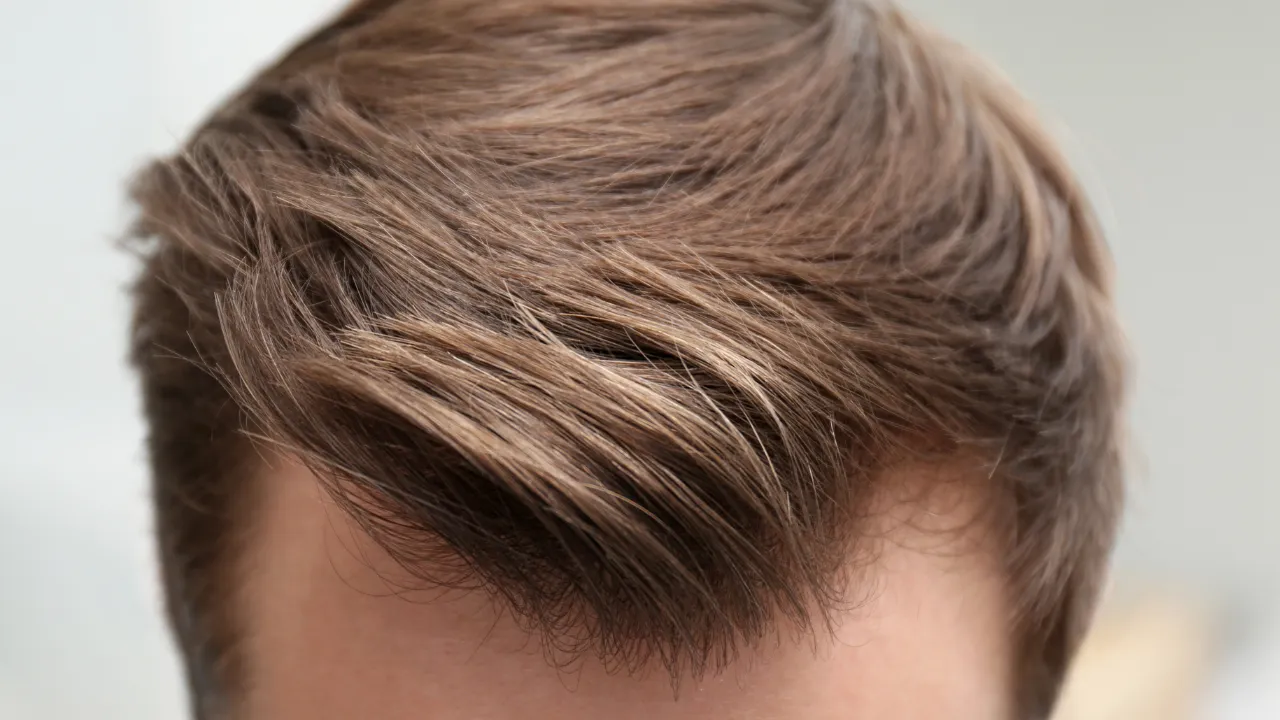
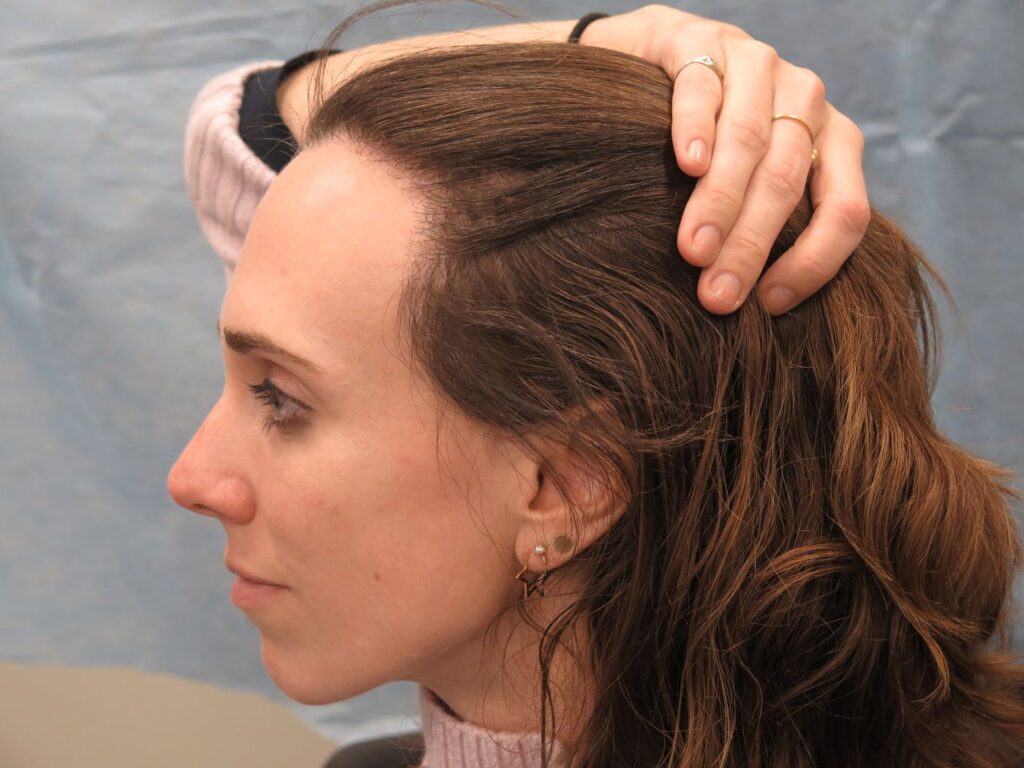
The normal hairline female patients present with typically follows a soft, rounded shape that complements the natural contours of the face. There is no universal standard, since genetics create wide variation, but some general characteristics include:

1. Position of the Hairline

  • The average distance between the eyebrows and the front edge, known as forehead height, ranges from 5 to 6.5 cm. This measurement often represents an ideal female hairline, balancing symmetry and proportion.
  • A frontal edge positioned significantly higher may read as a high hairline in women, while one that sits lower can give the impression of a short forehead.

2. Shape

  • Rounded or oval: A smooth curve is common, particularly along the temples.
  • Some women have a slight widow’s peak, which still falls within the range of a normal hairline that female patients present with.

3. Density

  • A healthy frontal edge usually has a densely populated band of finer, softer strands at the border, transitioning to thicker ones further back. Thinning edges or patchiness may signal the need for intervention.

4. Symmetry

  • A symmetrical frontal border is generally regarded as aesthetically pleasing, though minor asymmetry is normal and common. In facial aesthetics, the front edge works alongside the brows to frame the upper face, which is why some women also explore options like eyebrow hair restoration in NYC when addressing overall facial balance.

Why Different Hairlines in Women Exist

There are several distinct patterns, and the differences are mostly inherited rather than acquired:

    • Genetics: Plays the most significant role in determining shape and height.
    • Age: The frontal border may shift slightly over time, altering what might be considered normal.
    • Styling: Repeated tension from tight ponytails, braids, and extensions can damage follicles along the border and change its outline permanently.

Causes of a High Female Hairline

The reasons behind a receding or high hairline in women are multifaceted, ranging from genetic predispositions to environmental and health-related factors. Understanding these causes is the first step toward finding an appropriate solution.

  • Genetic Factors: A naturally high hairline can be a hereditary trait passed down through generations.
  • Female Pattern Hair Loss: A common condition affecting women, leading to thinning hair across the scalp and receding hairlines.
  • Medical Treatments and Conditions: Medications for chronic illnesses, hormonal changes during pregnancy, and conditions like Polycystic Ovary Syndrome (PCOS) and thyroid issues can contribute to hair loss.
  • Lifestyle and Environmental Factors: Poor nutrition, stress, excessive use of chemical hair products, and physical trauma to the scalp can all influence hair health and growth. For example, some women may experience hair thinning linked to cannabis use; learn more about the connection between weed and hair loss.
  • Mechanical Factors: Hairstyles that pull the hair tightly and consistently can lead to traction alopecia, resulting in a receding hairline.

Shedding between 50 and 100 strands per day is normal, so daily fallout alone is not a reliable signal. What matters is whether the border itself is moving.

How to Improve a Receding Hairline in Women Without Surgery

Not every high forehead needs an operation. When recession is caused by tension, deficiency, hormonal change, or an active inflammatory condition, treating the cause is the first and most important step. Correcting it early also protects any future surgical result.

Get a diagnosis before treating. A specialist evaluation typically includes a health history, a close scalp exam or trichoscopy, and bloodwork covering thyroid function and ferritin. Two women with identical-looking recession can have entirely different causes and entirely different prognoses.

Common Causes and Their First-Line Approach
Cause Typical Pattern Reversibility First-Line Approach
Traction alopecia Recession at the temples and front border Often reversible if caught early Release tension, change styling habits
Female pattern loss Widening part, diffuse thinning on top Manageable, tends to progress untreated Topical minoxidil, physician-guided therapy
Frontal fibrosing alopecia Band of recession front and sides, brow thinning Permanent once follicles scar Prompt dermatology referral, anti-inflammatory treatment
Telogen effluvium Diffuse shedding after stress, illness, weight loss Usually reversible Treat the trigger, allow recovery time
Nutritional deficiency Diffuse thinning, brittle texture Reversible once corrected Bloodwork for ferritin and vitamin D, targeted correction
Genetically high forehead Elevated border with normal density Structural, not a loss condition Surgical planning consultation

opical minoxidil is the standard first-line medical option for pattern loss in women and is available over the counter. Your physician may consider prescription therapies such as spironolactone or oral options when hormones are driving the change. Inflammatory conditions like FFA require anti-inflammatory treatment rather than growth stimulation.

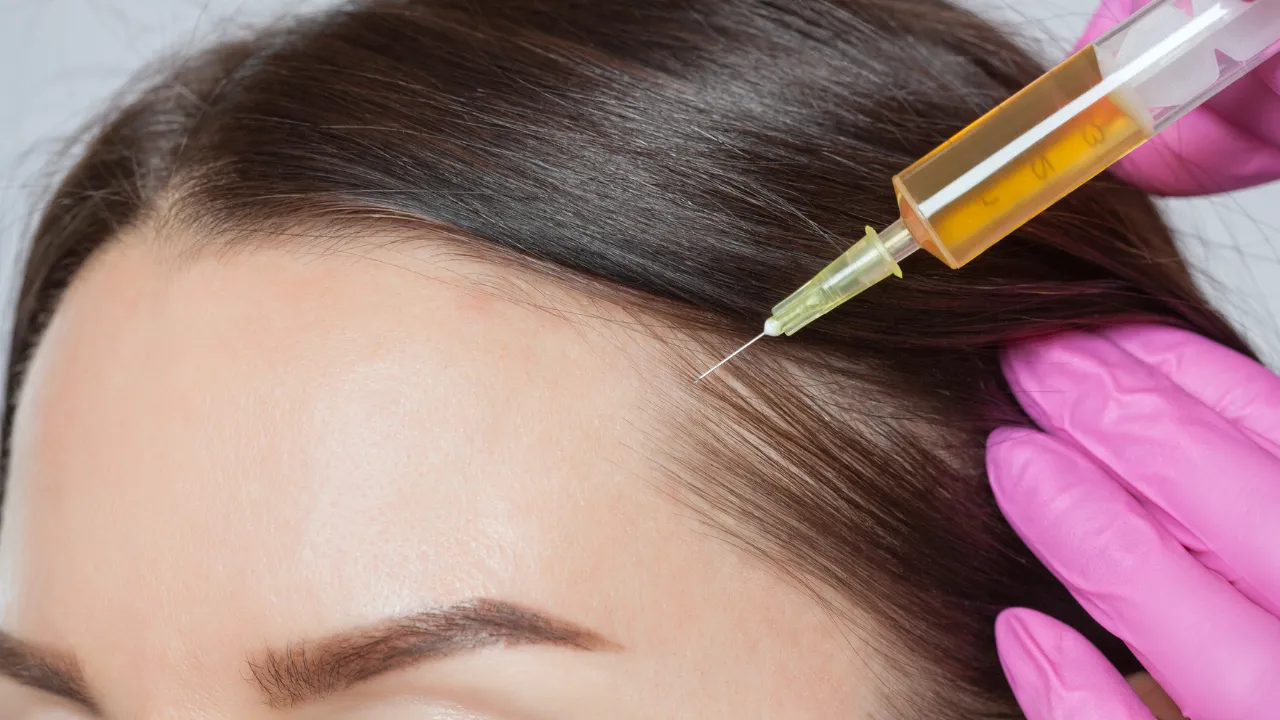
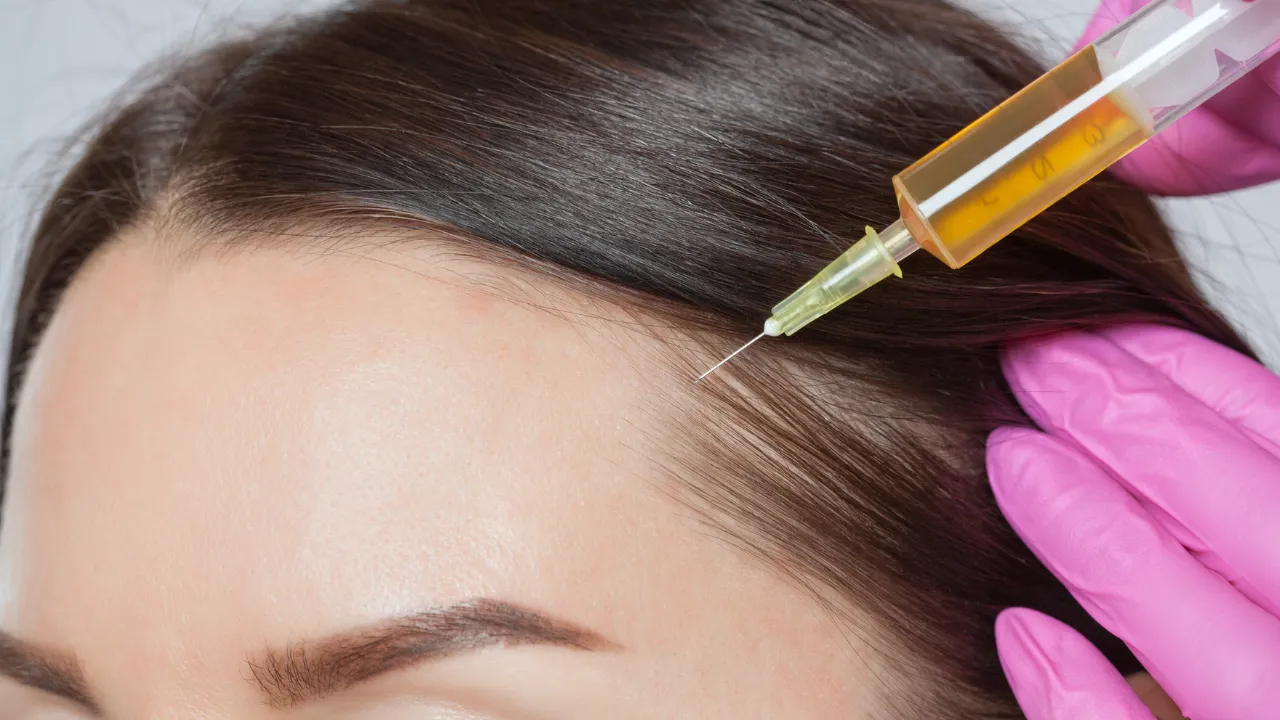
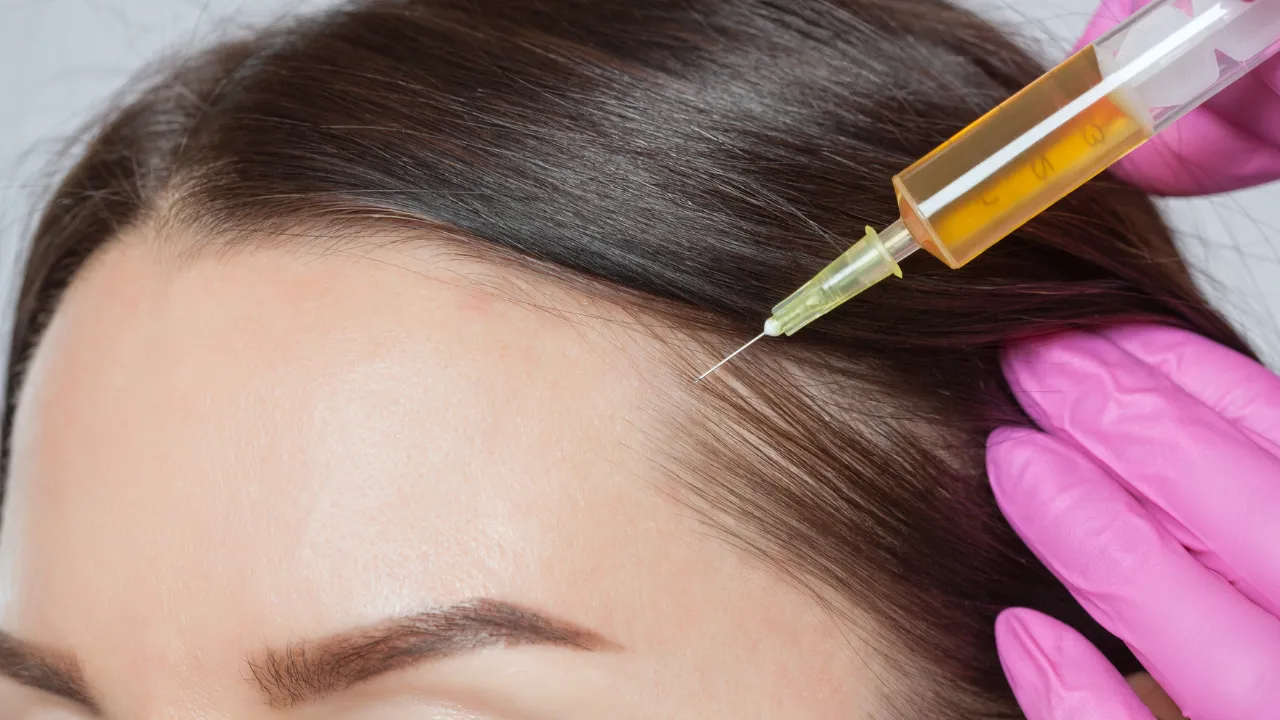
In-office regenerative treatments such as PRP use your own platelets to support follicle activity, typically across a series of sessions. Practical adjustments also matter: release tight styles, reduce heat and chemical exposure, address iron or vitamin deficiencies, and manage stress. A center part or soft fringe can visually soften a sparse temple while treatment takes effect.

When Recession Is Likely Reversible, and When It Is Not

  • Often reversible: early traction alopecia, telogen effluvium after illness or rapid weight loss, deficiency-driven thinning.
  • Manageable but ongoing: female pattern loss, which responds to treatment but tends to return if therapy stops.
  • Permanent without intervention: scarring conditions like FFA once follicles are destroyed, and genetically high foreheads, which are structural rather than a loss condition.

Surgical Solutions for a Woman With a High Hairline

Grafting vs. Forehead Reduction: How the Two Compare
Factor Hair Transplant Hairline Lowering Surgery
Procedure time 4 to 8 hours About 2 hours
Visible result Gradual, over several months Immediate
Amount of change Hundreds to over 2,000 grafts per session Roughly 1 to 2 inches of advancement
Best suited for Reshaping temples, softening an irregular border A uniformly high forehead with good density
Key requirement Adequate donor supply Flexible scalp
Can be combined Yes, often used to refine temples afterward Yes, staged with grafting when needed

For women whose situation will not resolve through lifestyle changes or medical treatment, surgery offers a tangible solution. Two procedures can effectively lower the frontal border: grafting and forehead reduction.

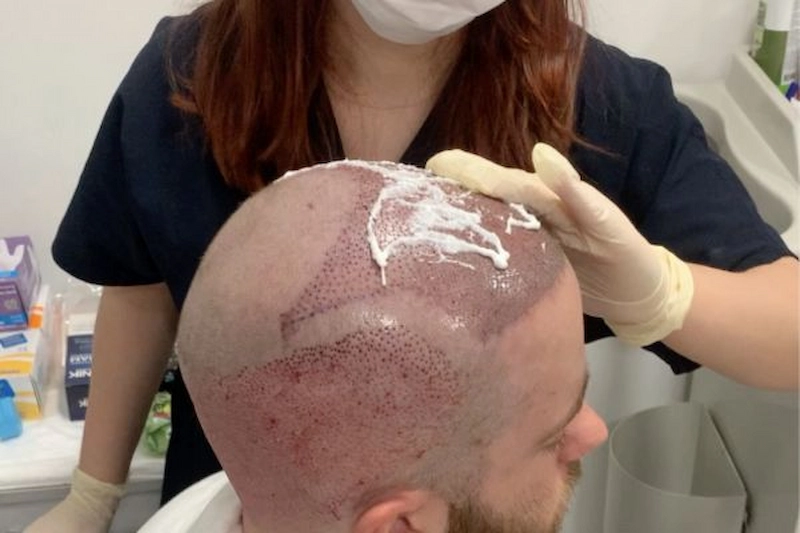
Hair Transplant Surgery: This refined procedure involves harvesting healthy follicles from the back or sides of the head and placing them into the receded zones. Requiring between four and eight hours, a session can place hundreds to over 2,000 grafts. The transplanted units shed initially, then begin regrowing within months, blending into the surrounding pattern for a lasting result. Many patients also ask about the female hair transplant cost when considering surgery, since pricing varies by graft count and technique.

Hairline Lowering Surgery (Forehead Reduction or Surgical Hairline Advancement): This procedure offers an immediate correction by physically advancing the border down the forehead. Ideal candidates have a flexible scalp to allow the necessary movement. The process takes about two hours and delivers an instant reduction in forehead height that grafting alone cannot match in a single stage.


View this post on Instagram


A post shared by Dr. Ross Kopelman (@doctor.ross)

Deciding If Hairline Reduction Surgery Is Right For You

Considering forehead reduction requires careful evaluation of several factors, including strand thickness, scalp flexibility, and the underlying cause of the recession. Women generally make better candidates for surgical advancement due to the nature of female loss patterns and the scalp elasticity typically found in female patients.

However, it is crucial to consult a surgeon experienced in both grafting and advancement procedures. A comprehensive consultation should include a detailed assessment of the cause and a discussion of all available options. Surgery should only proceed once active loss has been identified and stabilized; otherwise, the result will continue to change.
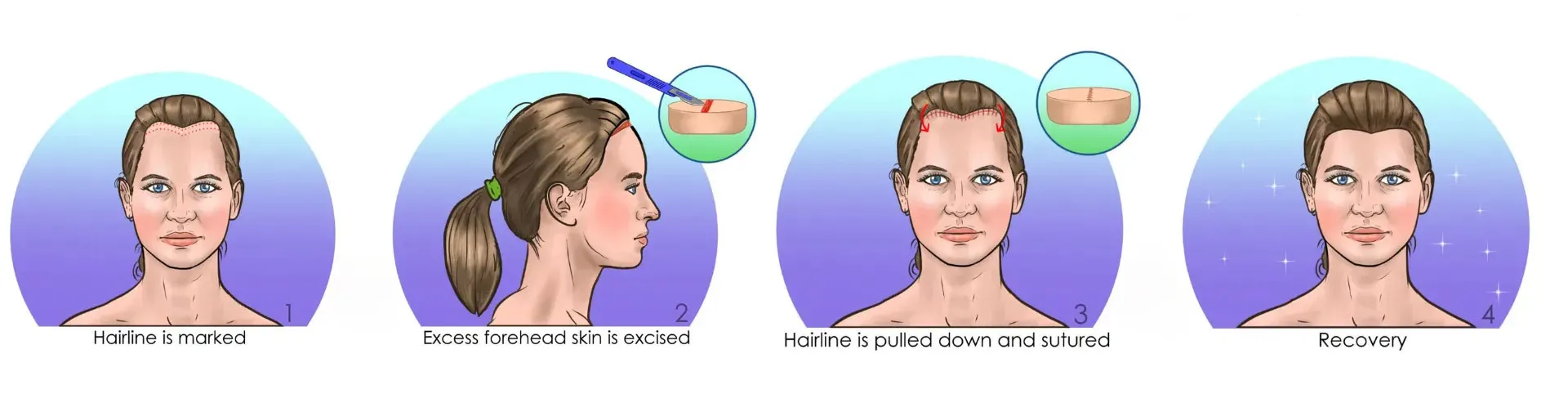
Female Hair Lowering Surgery

Beyond Surgery: Addressing the Root Causes of a Receding Hairline in Women

While surgical options provide visible and often immediate improvements, understanding and addressing what caused the recession is fundamental. Whether it involves adjusting medication, correcting a deficiency, improving diet, or managing stress, these factors influence overall follicle health and affect the longevity of any surgical outcome.

Correcting a high female hairline, through surgery or through medical and lifestyle intervention, can meaningfully change how balanced the upper face looks and how a woman feels about it. Each case is unique, with the cause, scalp flexibility, and personal aesthetic goals guiding the approach. By seeking the expertise of a skilled surgeon and exploring all available options, women can make informed decisions and take confident steps toward restoring the frame around their face.

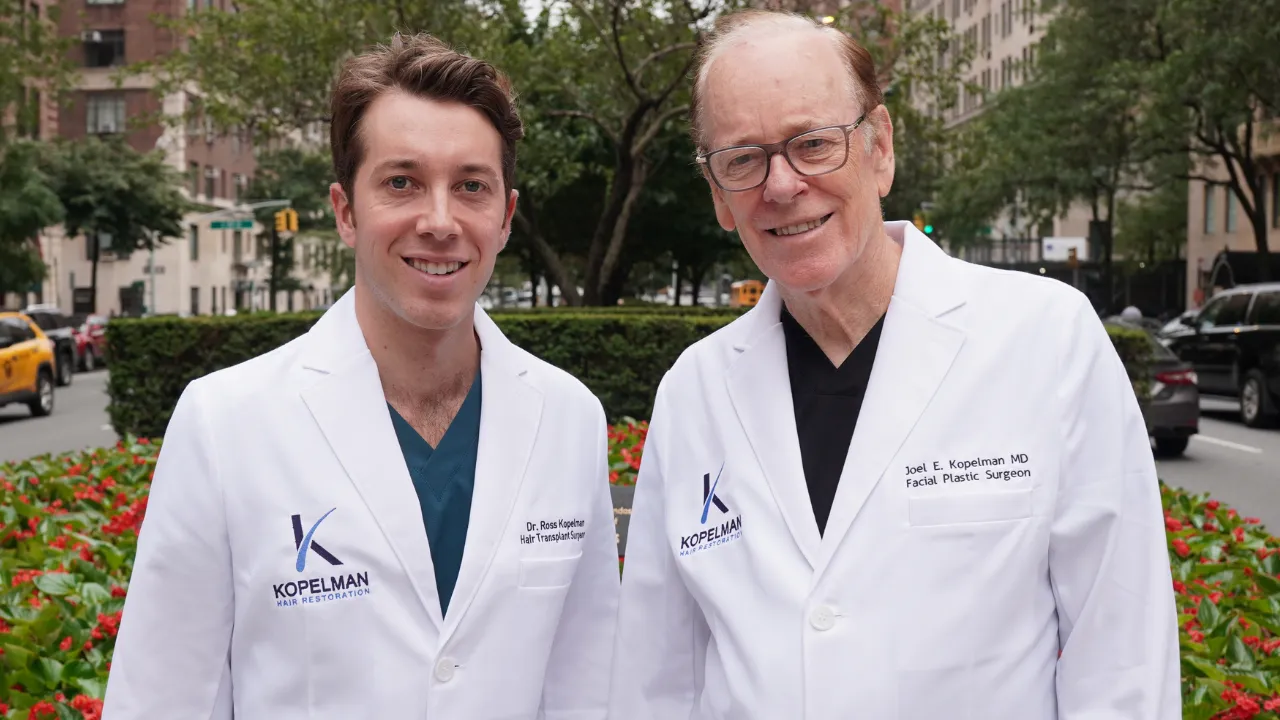
This father-son team brings over 35 years of combined experience in restoration, specializing in personalized treatment for each patient. Dr. Kopelman’s expertise can help you find the right solution tailored to your needs.

Schedule a consultation today to explore your options and take the first step towards achieving your goals.
About the doctor

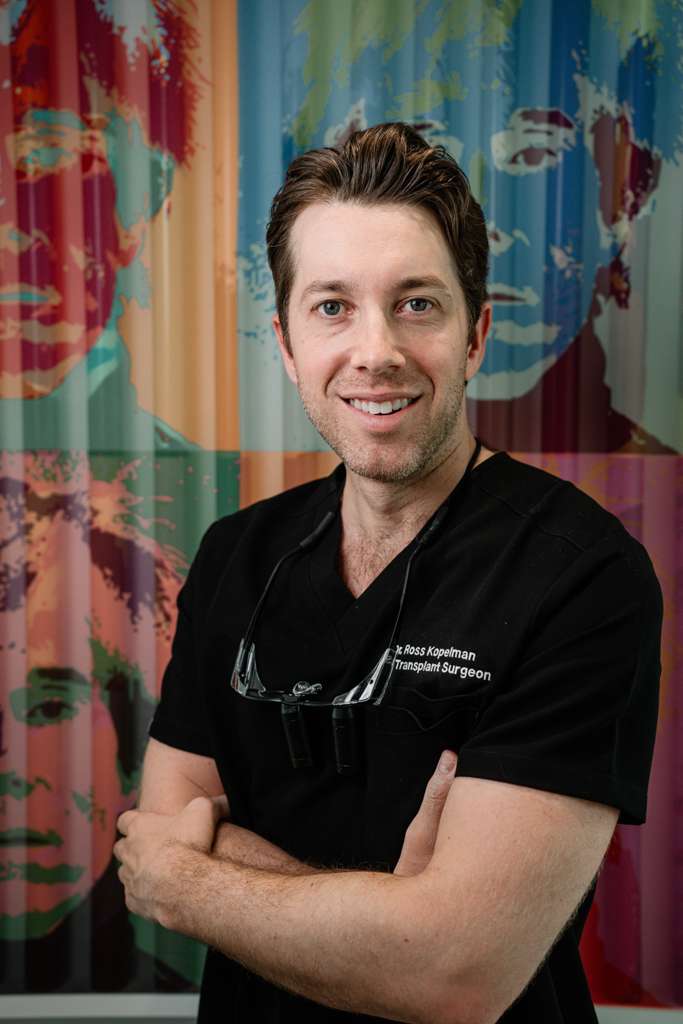
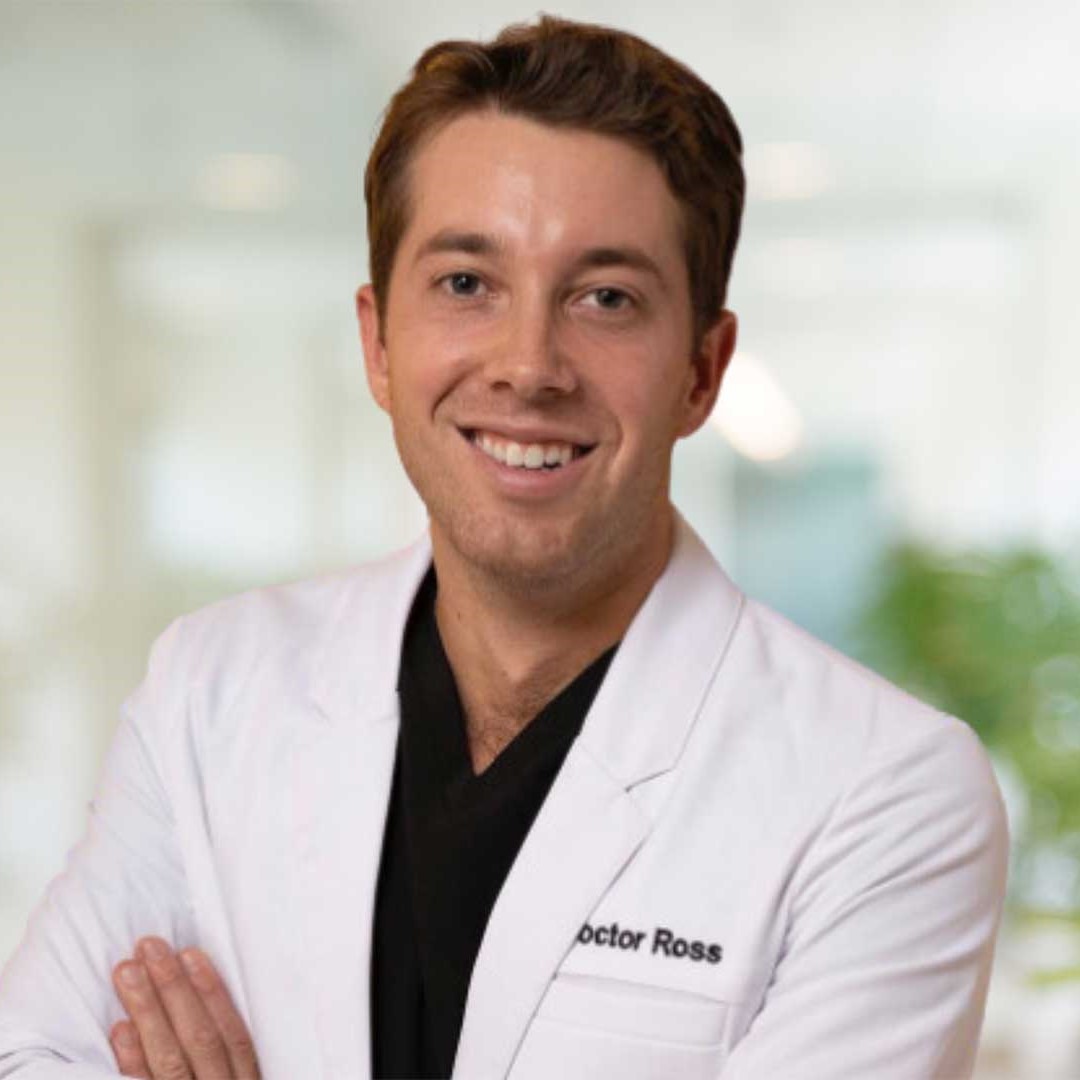
Dr. Ross Kopelman

Hair Restoration Surgeon

Dr. Ross Kopelman is a hair restoration surgeon focused on the medical and surgical treatment of hair loss, with expertise in advanced FUE hair transplantation, natural hairline design, and regenerative therapies that support healthier hair growth. He is known for combining surgical precision with an artistic approach to deliver natural, undetectable results tailored to each patient. Dr. Kopelman sees patients in New York City and Palm Beach, Florida, and also offers virtual consultations for patients across the United States and internationally.
Follow the specialist:

Ready to Restore Your Hair?

Dr. Ross Kopelman offers personalized consultations for hair transplants and hair restoration in New York, New Jersey, and Palm Beach.

In this Article

Before & After results

Kopelman Hair Restoration

Dr. Ross Kopelman and Dr. Joel Kopelman treat patients for hair loss and focus on delivering natural hair transplants at their New York City, New Jersey, and Palm Beach Florida offices. With over 40 years of combined experience, they are leaders in advanced FUE hair transplantation and hair restoration.
40+

Years Combined Experience

1K+

Procedures Performed

5.0★

Patient Rating

3

Locations

Stay in the loop

Get the latest on hair restoration and hair transplant tips from Dr. Kopelman

Dr. Ross Kopelman

Dr. Ross Kopelman is a hair restoration surgeon specializing in advanced FUE hair transplantation, natural hairline design, and regenerative therapies. He sees patients in New York City, New Jersey, and Palm Beach, and offers virtual consultations nationwide.