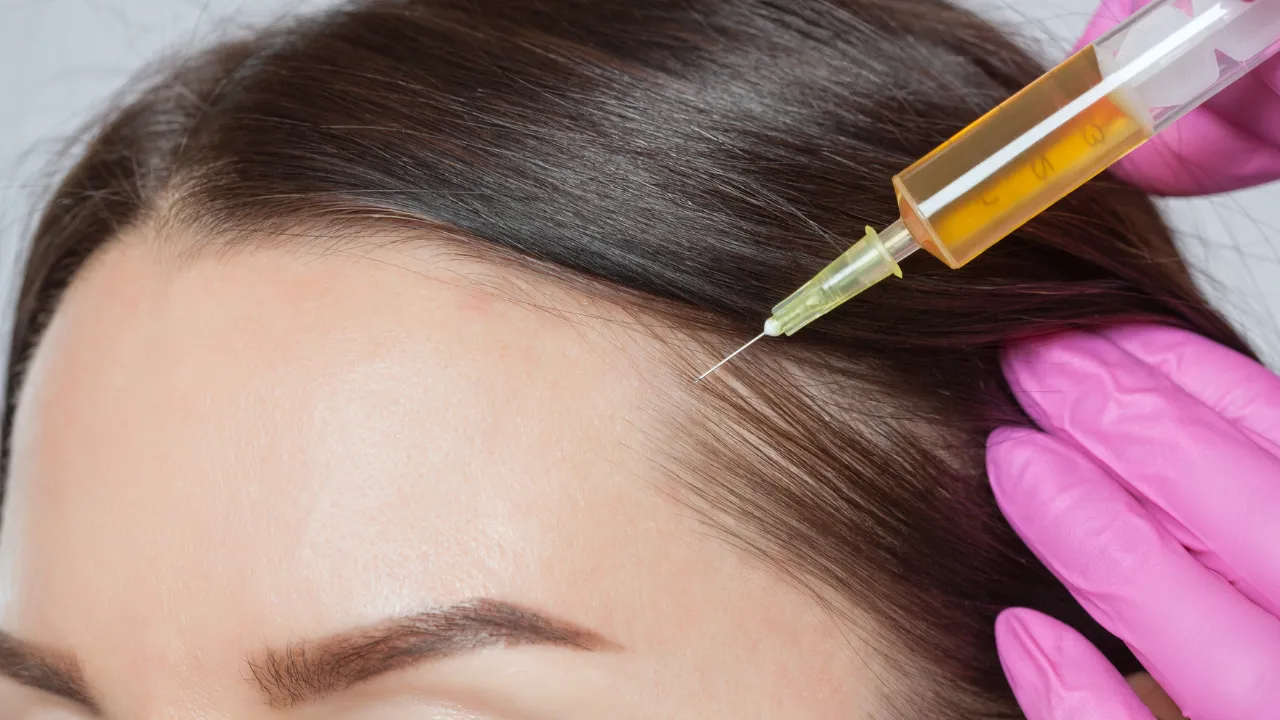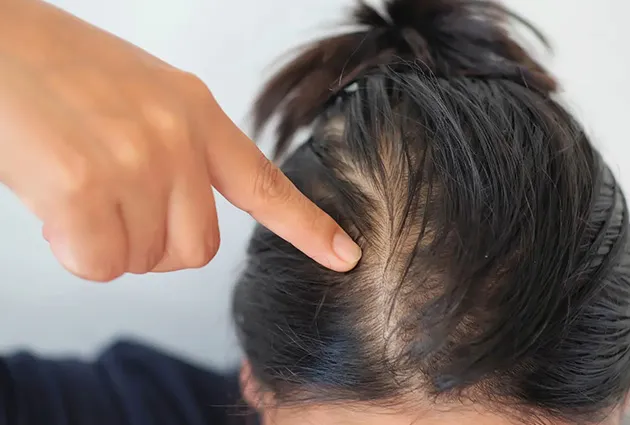


If you notice sudden shedding while using any nicotine product, it helps to look at other common triggers too. Genetics, stress, illness, iron deficiency, and hormone changes can all play a part. Understanding how these factors overlap is the first step toward protecting your scalp.
Nicotine’s Impact on Hair
How Does Nicotine Affect Hair Growth?
Can nicotine cause hair loss through circulation alone? In many cases, yes. Nicotine narrows blood vessels, which limits the oxygen and nutrients reaching each follicle. Starved of that supply, follicles can enter a resting phase too early and slow their normal regrowth.
Over time, this restricted blood flow can show up as visible thinning across the crown and hairline. The effect tends to be gradual, which is why many people do not connect early shedding to their nicotine use until the change becomes noticeable.
Is Nicotine a DHT Blocker?
Dihydrotestosterone, or DHT, is the main hormone tied to male and female pattern baldness. Some studies suggest nicotine may influence hormone activity, which raises a common question: Does nicotine increase DHT?
While more research is needed, higher DHT levels are closely linked to pattern thinning, so nicotine exposure could make the problem worse for people who are sensitive. Smoking does not create DHT directly, but its indirect effects can speed up thinning in those prone to baldness. You can learn how DHT blockers work here.
Is Nicotine Gum Hair Loss Reversible?
Some patients ask whether nicotine gum leads to thinning and whether the effect can be undone. Current evidence suggests gum has fewer scalp effects than smoking, since it avoids tar and combustion byproducts.
Even so, nicotine in any form may still slow follicle recovery. The good news is that shedding linked to gum is often reversible once intake drops, particularly when no permanent damage has occurred.
Smoking and Hair Thinning: The Science
So does smoking cause hair loss on its own, or is nicotine the main culprit? Cigarette smoke releases free radicals that create oxidative stress and damage follicles. Tobacco smoke also interferes with DNA repair, which further weakens the cells responsible for healthy growth.
A 2022 review on smoking and androgenetic alopecia points to vasoconstriction, free radical damage, and hormonal shifts as the leading mechanisms. These combined effects help explain why smokers often show earlier and more severe thinning than non-smokers.
Nicotine pouches such as Zyn are marketed as a smoke-free option. They remove tar and combustion products, yet they still send nicotine directly into the bloodstream, where it can reduce scalp circulation and raise oxidative stress. Research on this topic is limited, but the biological link makes pouches a reasonable concern for anyone prone to pattern baldness.
Can Smoking Lead to Baldness?
How Tobacco Affects Scalp Circulation
Tobacco use and thinning are closely connected because of the strain that smoking places on scalp blood vessels. As noted above, smoking disrupts the growth cycle and limits the nutrients reaching each follicle.
The numbers reflect this pattern. One analysis found that heavy smokers, those using ten or more cigarettes a day, faced almost three times the risk of moderate to severe thinning compared with people who never smoked. Long-term exposure can lead to more lasting damage and a higher chance of baldness.
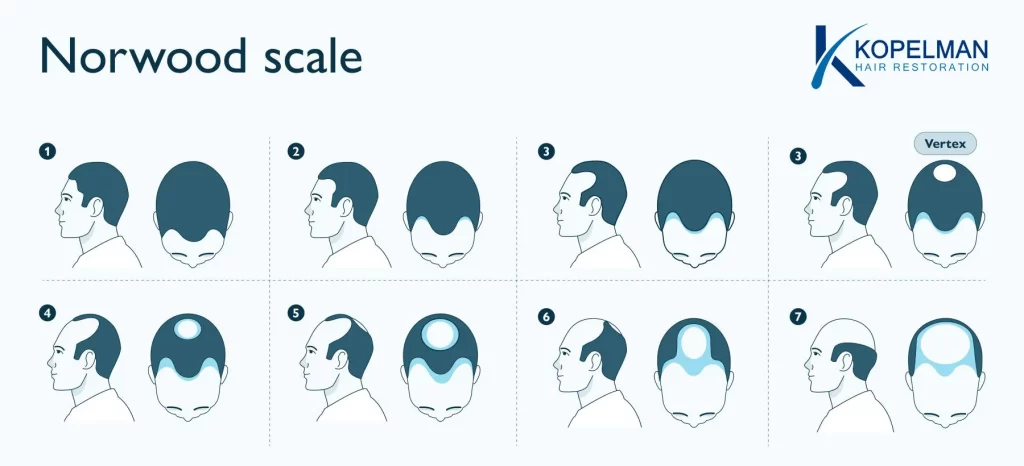
Curious where you fall on the spectrum of pattern baldness? You can read about the Norwood Scale here to see how severity is measured.
Cigarettes and Hair Follicle Damage
Cigarettes contain harmful compounds like nicotine, carbon monoxide, and tar that wear down follicles over time. These substances weaken the cells that drive healthy growth, making it harder for follicles to regenerate. Persistent exposure can lead to permanent thinning in some people.
Recovery After Quitting Smoking
Quitting cigarettes can improve scalp health. Blood flow gradually returns to normal, delivering more oxygen and nutrients to each follicle. Some smoking-related damage is reversible, though the extent of regrowth depends on how long a person smoked and the overall condition of their follicles.
Smoking and Premature Hair Graying
The link between nicotine and hair extends beyond shedding. Several studies show that smokers are more likely to gray early, generally defined as gray strands appearing before age 30.
One large observational study reported an odds ratio of 4.40 for the connection between smoking and graying across age groups and both sexes. Another found that the risk of premature graying rose by roughly 15 percent for each year a person continued to smoke.
Researchers believe oxidative stress around the follicle damages the pigment-producing cells, which lowers melanin output. So while quitting will not reverse gray strands you already have, reducing nicotine may help slow new color loss.
Does Nicotine Affect Women Differently?
Pattern thinning in women often looks different from male baldness, and nicotine may play a distinct role. Smoking can create a relatively low-estrogen state in women by speeding up the breakdown of estradiol and lowering aromatase activity.
Because estrogen helps support the growth phase, this hormonal shift may leave some women more vulnerable to androgen-driven thinning. Twin studies have also linked smoking to greater frontal and temporal thinning in women, which points to a real, if individual, effect.
If you are a woman noticing increased shedding while using tobacco, it is worth reviewing iron levels, thyroid function, and hormones alongside your nicotine habits. These factors frequently overlap and shape the right plan.
Solutions for Thinning Linked to Smoking
Is Nicotine Hair Loss Reversible?
Thinning tied to smoking is often reversible when addressed early. By quitting and supporting your scalp with proper care, you can encourage regrowth. Severe follicle damage may limit recovery, which is why acting promptly matters so much.
Best Treatments for Smokers
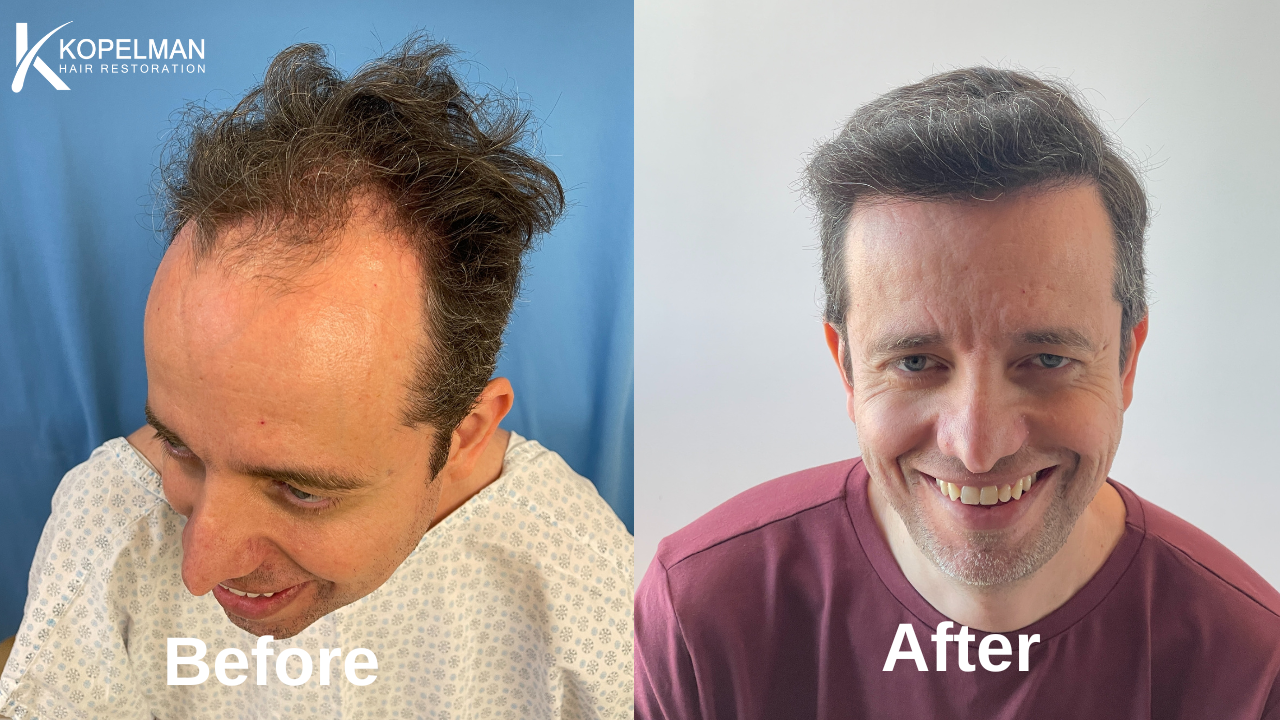
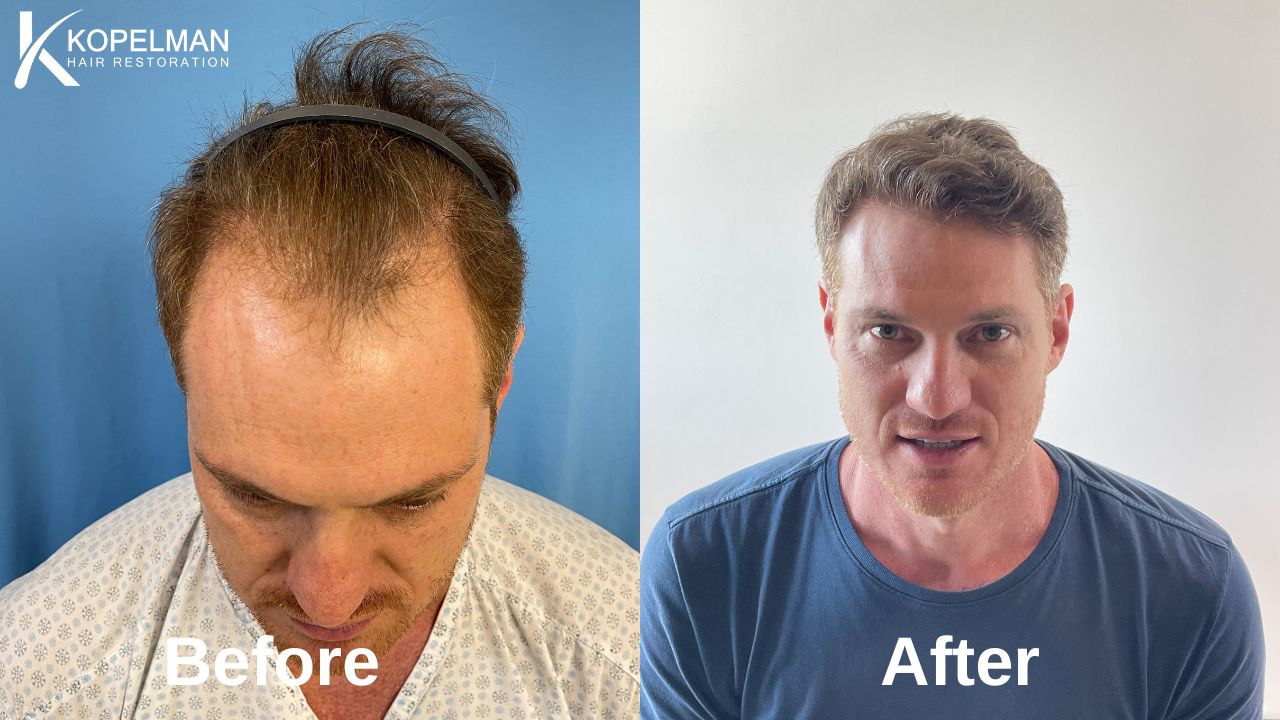
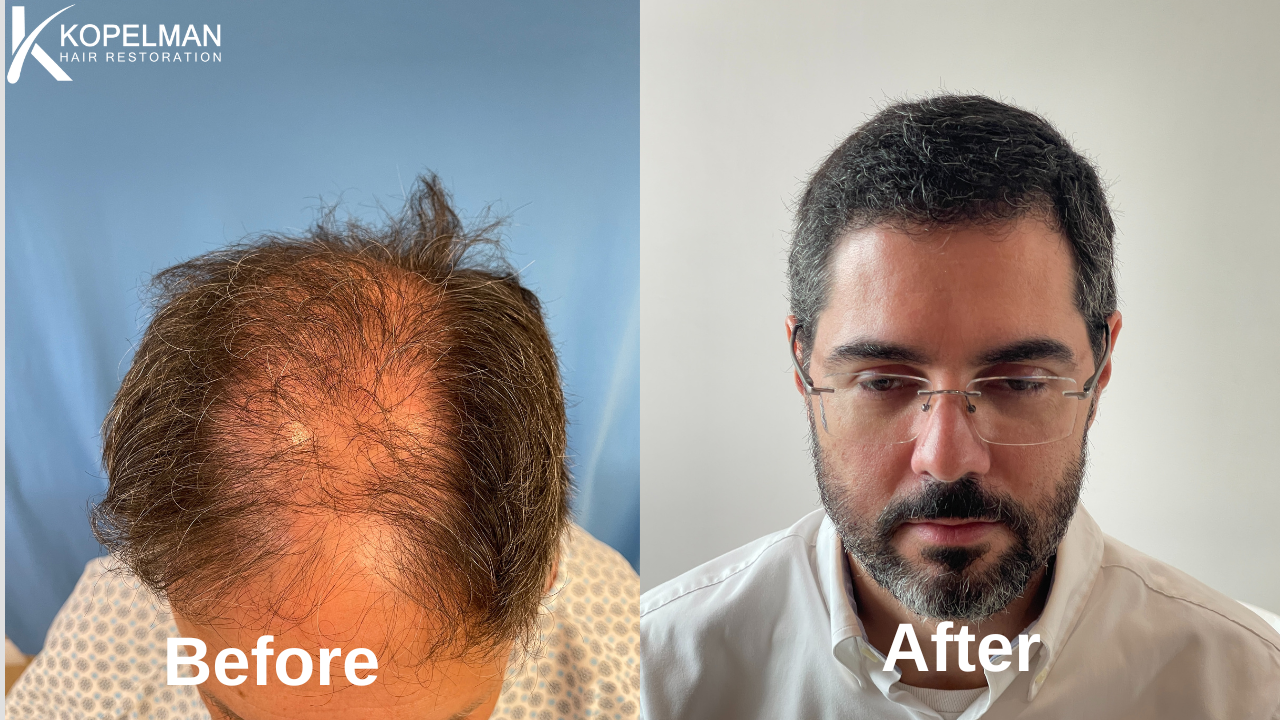
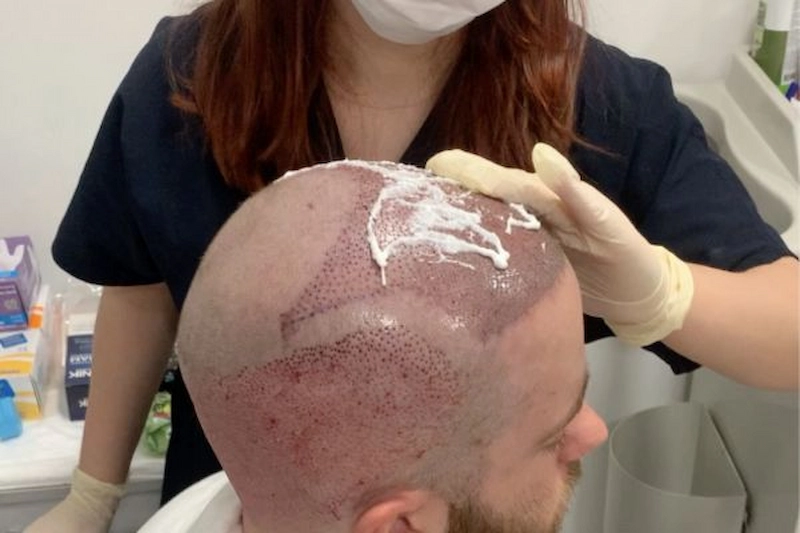
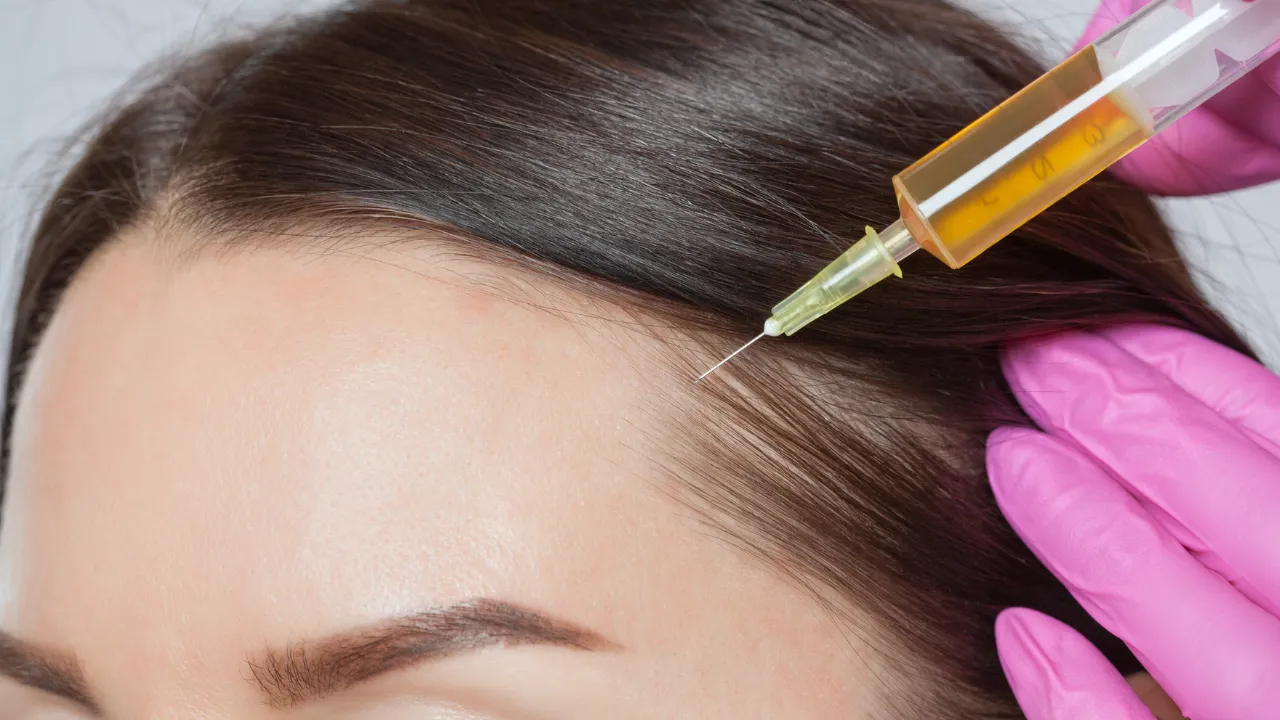
Effective options include topical minoxidil, which supports regrowth, and finasteride, which blocks DHT. Scalp care routines, such as gentle shampoos and circulation-boosting massage, can further aid recovery. For advanced cases, hair transplantation may be a strong option.
Nicotine replacement products like Nicorette are generally safer than smoking, yet they still expose the body to nicotine. Some users search for “Nicorette side effects hair thinning” when weighing these therapies.
Reports of shedding are rare, but nicotine’s effect on circulation and oxidative stress could still influence follicle health. For anyone already prone to androgenetic alopecia, replacement therapy may contribute to shedding in a small number of cases.
Regrowth Tips for Former Smokers
For better results after you quit, focus on a few consistent habits:
- Eat a nutrient-rich diet with biotin, zinc, and iron to support stronger strands.
- Exercise regularly to improve circulation to the scalp.
- Use stress management techniques, such as meditation, to reduce common shedding triggers.
- Stay consistent with your scalp care routine for steady improvement over time.
It also helps to be gentle with styling. Just as using hair gel incorrectly can trigger temporary shedding, harsh products and tight styles can add strain during recovery.
How to Find Help if You’re Trying to Quit Smoking
Smoking cessation programs: These offer resources and guidance to help you stop. Both in-person and online options are available, and many insurance plans cover the cost.
Nicotine replacement therapy: This approach lowers nicotine dependence and supports quitting. Options include patches, gum, and nasal sprays, available over the counter or by prescription. Many are covered by insurance, and costs may also be reimbursed through an FSA or HSA. Some providers even offer free patches.
Prescription medications: Bupropion (Wellbutrin, Zyban) and Varenicline (Chantix) have been shown to help people quit and are often covered by insurance.
Lifestyle Changes for Recovery
Comparing Smoking to Genetic Thinning
Smoking-related shedding stems from external factors such as toxins and poor circulation, while genetic baldness stems from inherited DHT sensitivity. Smoking can worsen genetic thinning by adding stress to follicles, so quitting reduces that extra strain.
Diet and Exercise for a Healthier Scalp
A healthy lifestyle is central to recovery. Focus on two areas:
- Diet: Include foods rich in protein, biotin, zinc, and iron for stronger strands.
- Exercise: Improve scalp blood flow and oxygenation through regular activity.
Together, these habits support overall scalp health and complement your recovery efforts.