
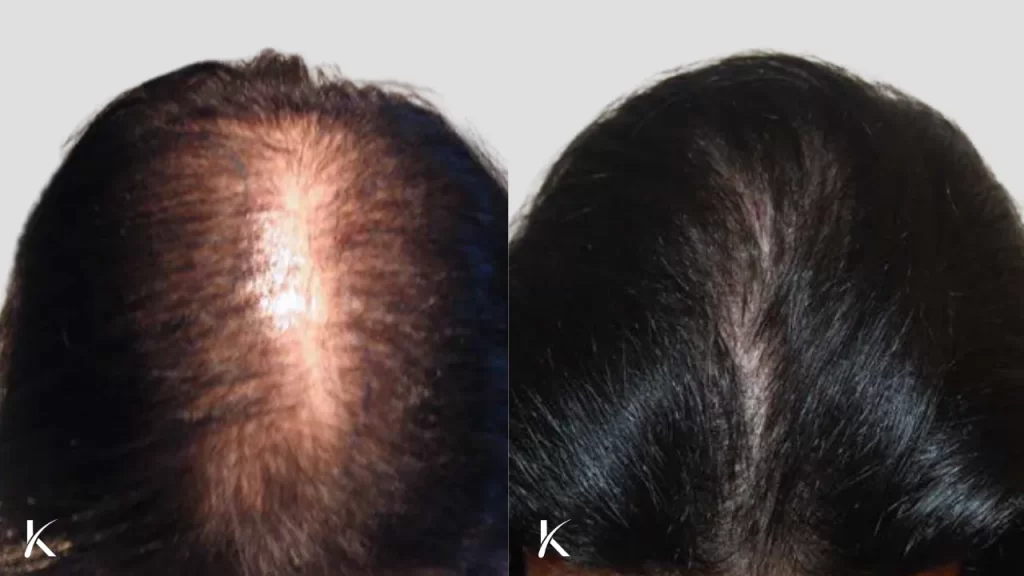
A female hair transplant may work for some women, but not for everyone. Eligibility depends on the cause of thinning and whether you have a stable donor area. Diffuse loss can affect the back and sides of the scalp, leaving too few stable follicles for surgery.
Cost depends on the number of grafts, the FUE (follicular unit extraction) or FUT (follicular unit transplantation) method, and each case’s needs. Results also depend on donor density, graft survival, and future loss. At Kopelman Hair, the evaluation focuses on the cause of thinning, donor stability, and whether surgery can realistically improve the hairline.
Key Takeaways
- Surgery may work for women who have a clear diagnosis and enough stable donor follicles.
- Diffuse thinning can limit candidacy because loss may also affect the back and sides of the scalp.
- FUE and FUT can both be options, but the right method depends on donor density, hairstyle, graft needs, and scar concerns.
- Results appear over several months and depend on donor quality, graft survival, surgical planning, and future thinning.
- Cost depends on graft count, technique, case needs, and the treatment plan, so each patient needs an individual estimate.
Can Women Get a Hair Transplant?
Yes, some women can have hair transplant procedures when their pattern of loss and donor supply make surgery a good option. Female patients need enough healthy hair follicles in stable donor sites. They also need realistic goals for how much density surgery can add.
Female Hair Transplant for Thin Hair
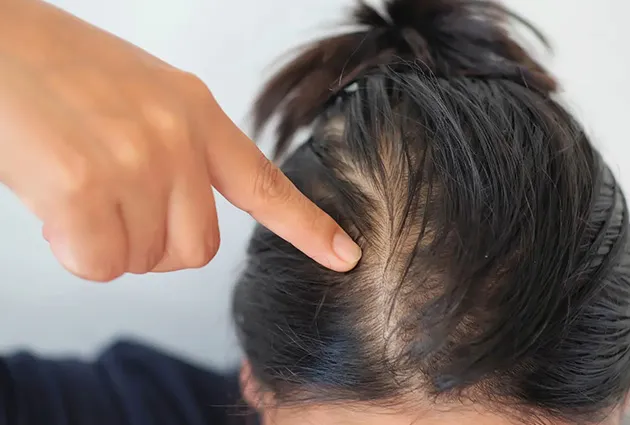
Surgery may help areas with clear or local thinning. Diffuse hair loss in women can be harder to treat because it may affect both the target area and the donor sites. Because hair transplant surgery moves existing follicles rather than creating new ones, a limited donor supply limits how much coverage you can add.
An experienced hair restoration surgeon must also consider the risk of future thinning. Follicles that look strong today may weaken over time if the condition is still active. Dr. Ross Kopelman considers this when deciding whether female hair restoration is suitable.
How Hair Loss in Women Is Diagnosed
Thinning can have many causes. These include pattern loss, hormone changes, medical conditions, scarring disorders, and traction alopecia caused by repeated pulling. Finding the cause helps the doctor decide whether surgery or another form of care should come first.
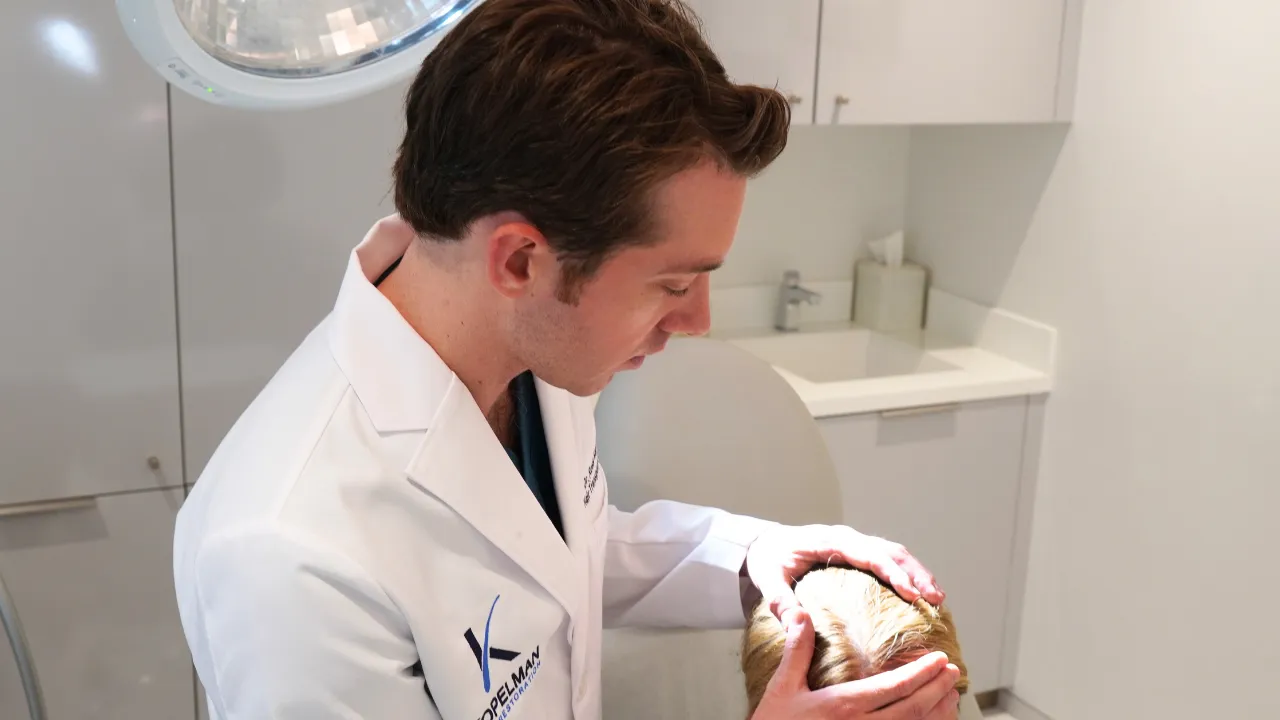
The exam may include a health history, scalp check, and a review of follicle size and strength. A doctor may also use trichoscopy or order blood tests when medically appropriate. The goal is to confirm the diagnosis and make sure the donor area is stable.
Hair Transplant for Women: FUE vs. FUT
The two main methods are FUE and FUT. Each hair transplant technique moves follicles from a stable part of the scalp to an area with thinning. The main difference is how the grafts are taken.
FUE Hair Transplant
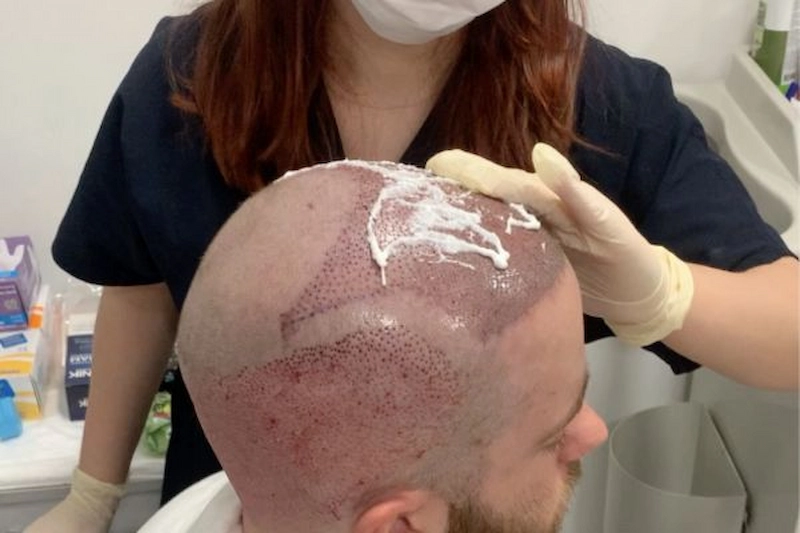
FUE removes small groups of follicles one at a time with a small punch tool. This minimally invasive method avoids a long strip scar, though tiny round scars may remain. It may suit patients with enough donor-area density for individual removal.
FUT Hair Transplant
FUT removes a thin strip of scalp from the donor region. The strip is then divided into follicular units for placement. This method leaves a line-shaped scar, but longer natural hair can often cover it.
How the Procedure Works
The surgeon removes healthy follicles and places them in areas with less coverage. The angle, direction, and space between grafts affect how well transplanted hair blends with nearby strands. Good planning also helps protect the donor supply for the future.
Hairline and Part-Line Planning
Women often need a different design approach than men. Treatment may focus on a wide part, low hair density, or changes near the frontal hairline. The surgeon studies growth direction, part position, follicle angle, and nearby density before placing grafts.
Recovery After Surgery
Mild redness, swelling, tenderness, and small crusts can appear during the first few days after surgery. Most crusting clears within about 7 to 10 days with proper washing, while swelling often improves within several days. Transplanted hairs may shed during the first few weeks, and new growth often starts around 3 to 4 months, with density continuing to improve over the following months.
Female Hair Transplant Results
Results take time because new growth follows the normal growth cycle. Changes usually appear over several months, not a few weeks. Final coverage depends on donor supply, graft survival, strand type, and future thinning.
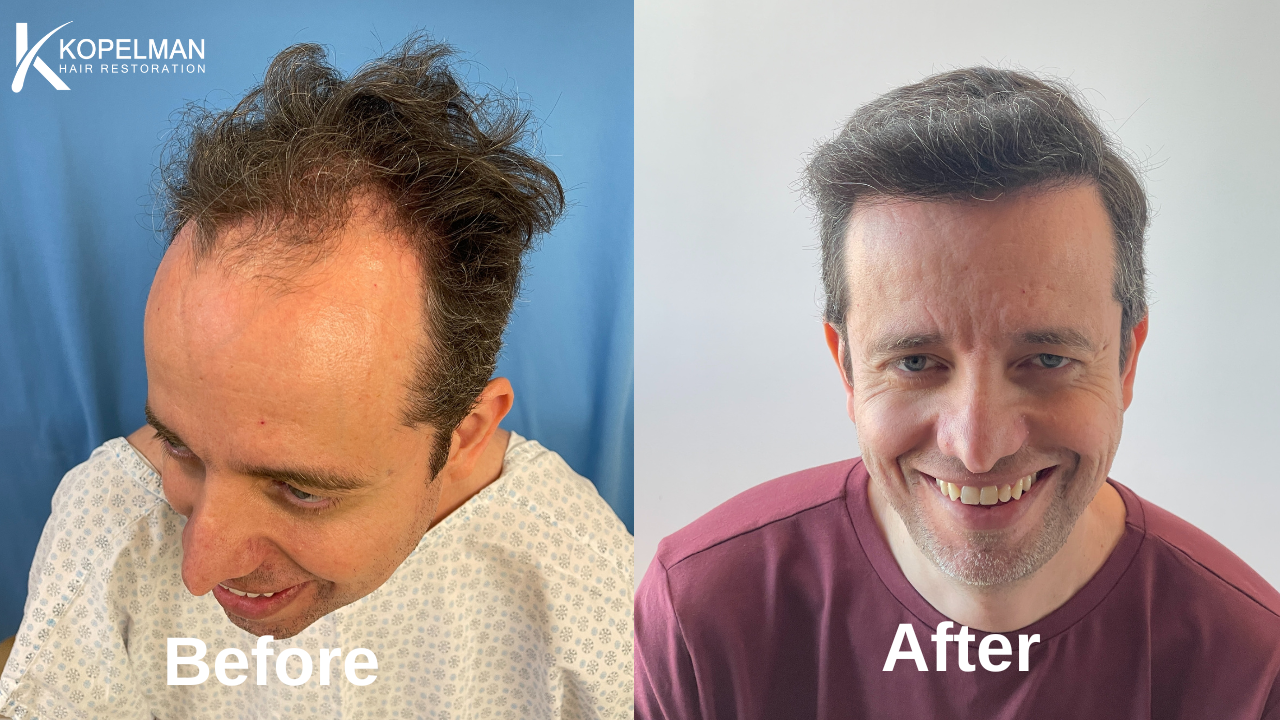
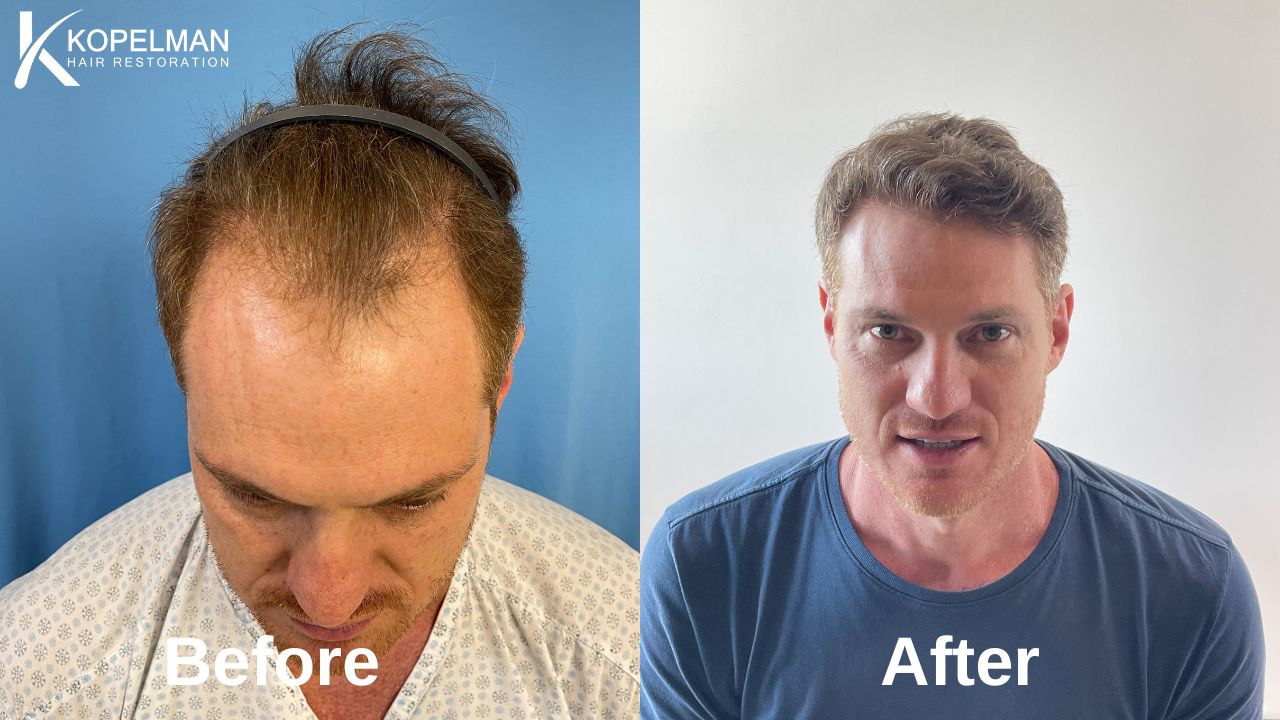
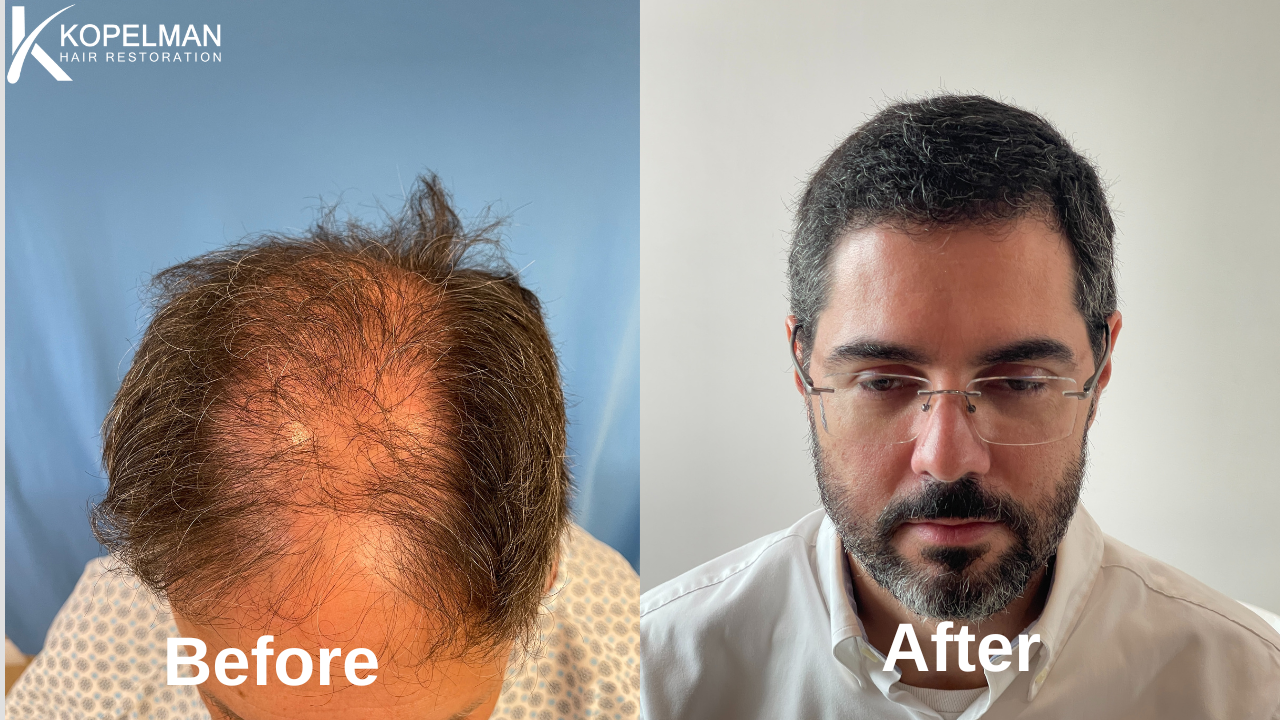
Female Hair Transplant Before and After
Before-and-after photos can show changes in part width, coverage, and hairline shape. The best comparisons use similar light, angles, length, and styling. Photos show what happened in one case, but they cannot predict another patient’s outcome.
Female Hair Transplant Success Rate
No single success rate applies to every woman, but studies of hair transplantation report graft survival rates of roughly 85% to 93% in many non-scarring cases. Results can be lower when scarring alopecia, unstable donor hair, or active hair loss is present.
Diagnosis, graft handling, surgical planning, and donor quality all affect the final outcome, so graft survival should not be treated as a guarantee of visible density or cosmetic success.
Is the Procedure Permanent?
Yes. Transplanted hair is generally permanent when it comes from a stable donor area, though nearby native hair can still thin over time.
Female Hair Transplant Cost
At Kopelman Hair, female hair transplant procedures typically range from $25,000 to $40,000. The final cost depends on graft count, FUE or FUT technique, treatment area, and case complexity. A consultation is needed to confirm the treatment plan and exact price.
Risks, Limitations, and Alternatives
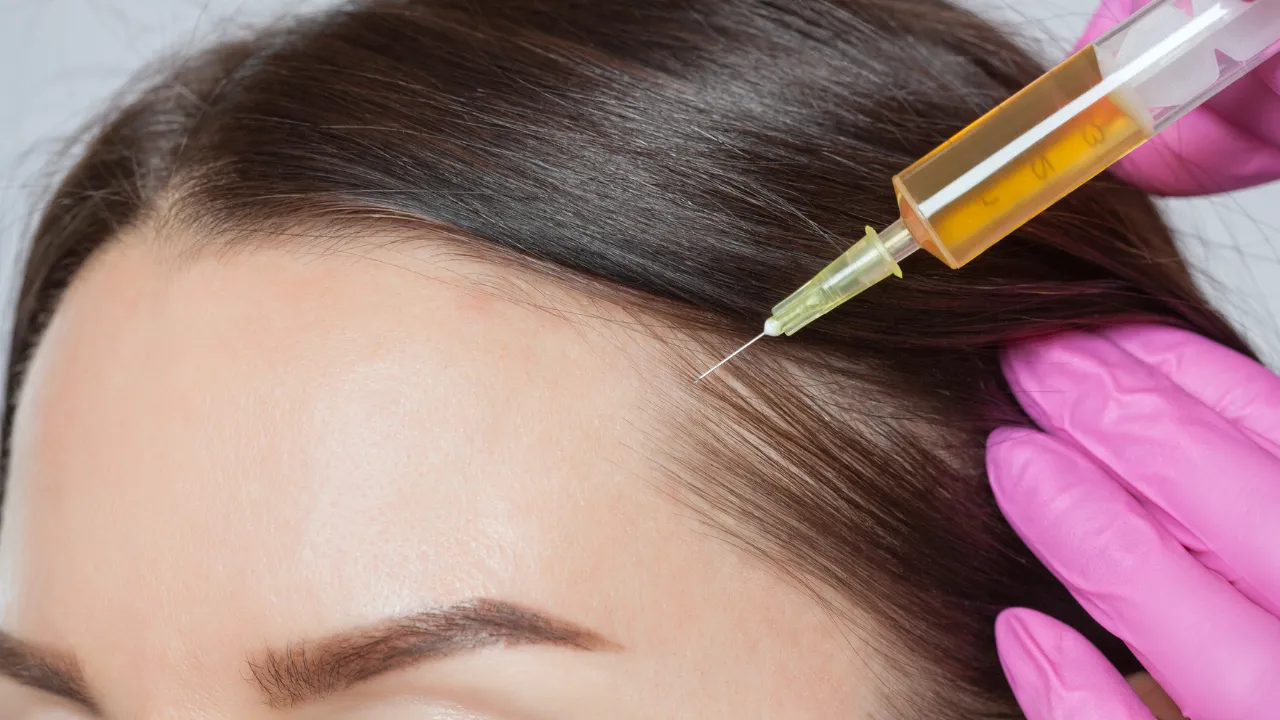
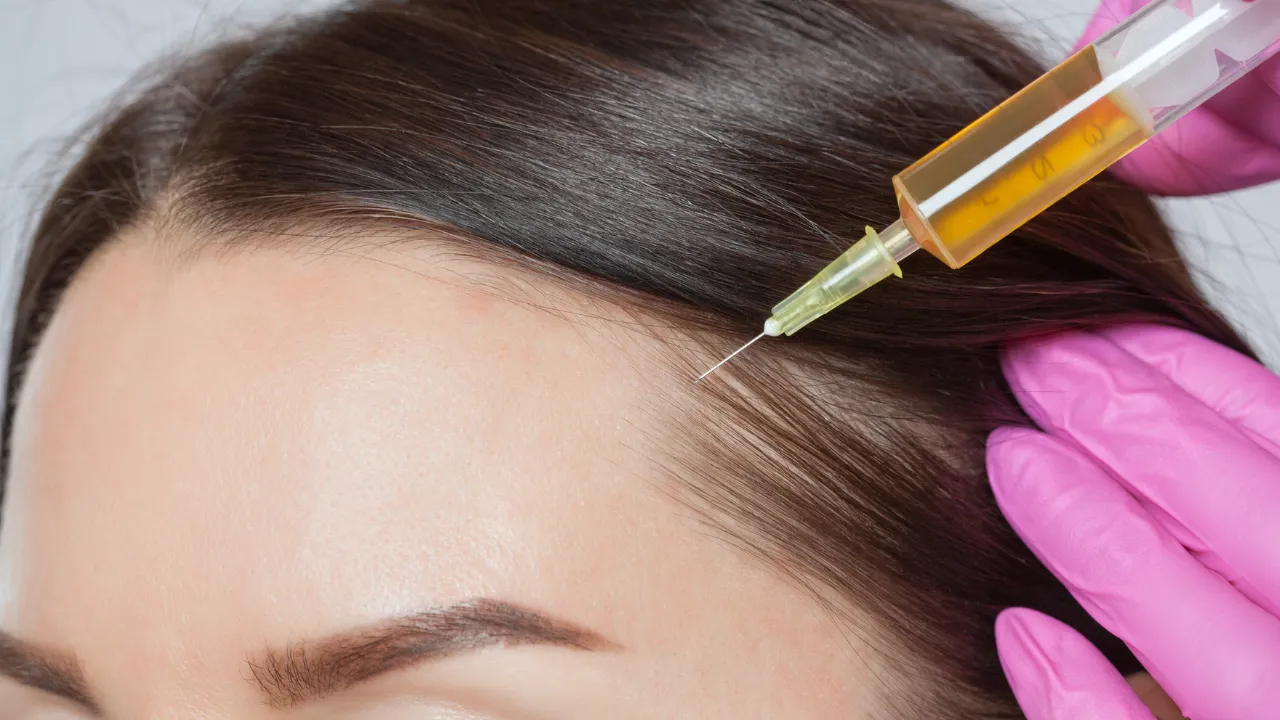
Surgery has possible risks, including bleeding, infection, scars, numbness, uneven growth, and short-term shock loss. It may not be a good choice if thinning is diffuse, still worsening, or caused by an untreated medical condition. In those cases, you may want to consider minoxidil, PRP, low-level laser therapy, or medical treatment for the underlying cause first.
If you are considering a female hair transplant, schedule a consultation with Kopelman Hair to review your hair loss pattern, donor area, and treatment options.