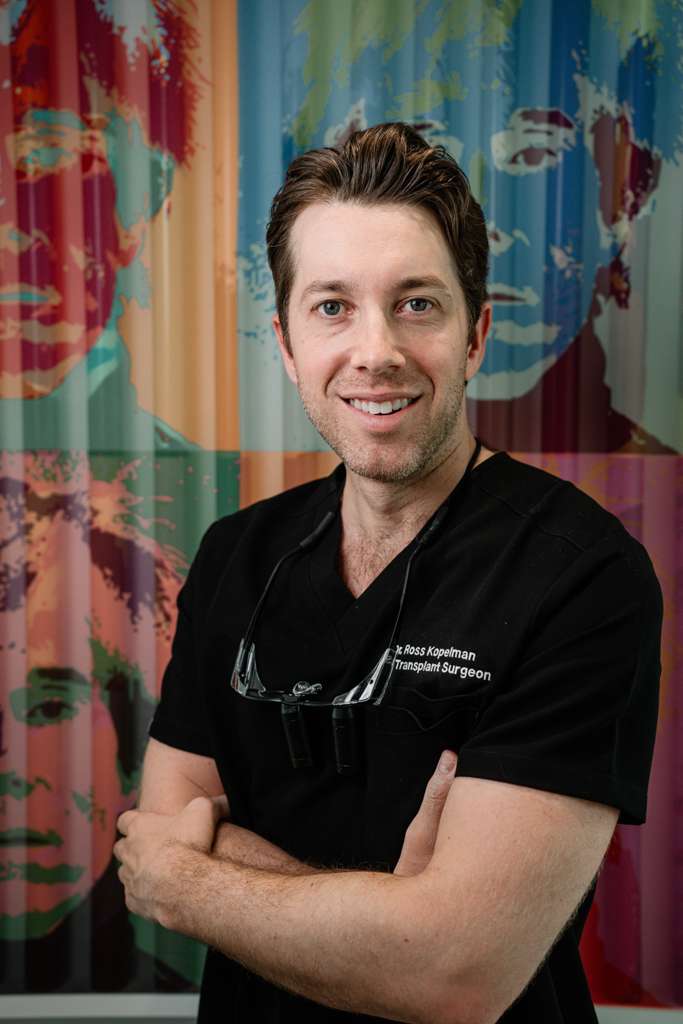


At Kopelman Hair, we regularly meet patients wondering whether their traits come more from their mother’s side or their father’s. Dr. Kopelman and his team use over 40 years of experience to explain how inherited factors interact with lifestyle to influence your long-term scalp health.
Key Takeaways
- Both parents contribute to your genetics. The AR gene is inherited from the mother’s X chromosome, but many other genes are inherited from the father’s side.
- Traits like balding, color, and greying are polygenic, meaning multiple genes are involved rather than a single inherited factor.
- Many of the relevant genes are autosomal, meaning they are passed down from either parent independently of the X chromosome.
- Lifestyle choices like nutrition, stress, and smoking can accelerate a genetic predisposition to thinning.
- Medical treatments and restoration surgery with specialists like Dr. Kopelman can effectively manage hereditary shedding.
Which Parent Do You Get Your Hair From?
Both. The idea that baldness comes only from your mother’s side is a persistent myth. The X chromosome from your mother carries the AR gene, linked to how follicles respond to androgens, but your father’s genes affect thickness, coverage, and density.
According to the American Hair Loss Association, a family history of androgenetic alopecia on either side is present in about 80% of men with male pattern baldness. If your father or paternal grandfather dealt with significant thinning, you carry a meaningful portion of that risk regardless of your maternal side.
Because so many genes are involved, two siblings can inherit entirely different combinations and end up with noticeably different strands, even with the same parents.
Genetic testing for thinning risk
DNA tests can detect AR gene markers and other relevant variants from a saliva sample. Results cannot predict exact timing but help guide preventive care decisions.
The AR Gene and X-Linked Inheritance
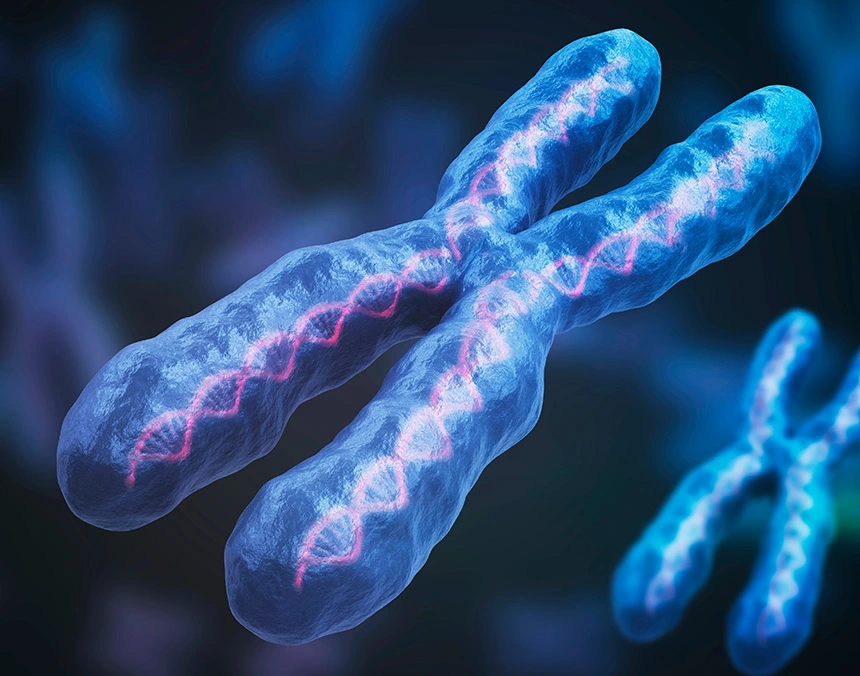
The AR gene regulates how follicles respond to dihydrotestosterone (DHT), a hormone derived from testosterone. When follicles are genetically sensitive to DHT, it causes them to miniaturize over time, producing finer strands until growth stops.
Men have only one X chromosome, so they feel AR gene variants more directly with no second copy to offset a high-sensitivity variant. People with certain AR variants are more than twice as likely to develop male pattern baldness. A large-scale 2017 study published in Nature Communications identified 63 chromosomal loci linked to male androgenetic alopecia, six of which are on the X chromosome, with the AR gene showing the strongest association.
But that same research confirmed that the majority of relevant loci are not on the X chromosome at all.
Autosomal Genes: Why Dad’s Side Matters Too
Of the 63 loci identified in the study, 57 are autosomal, meaning they are located on chromosomes unrelated to sex determination and can be inherited equally from either parent. Research has also found a direct similarity in thinning patterns between fathers and sons that the AR gene alone cannot explain.
If your father started thinning in his thirties, that is relevant to your own risk, even if your maternal grandfather had a full head of strands. Focusing only on your mother’s side gives you an incomplete picture.
Gene Inheritance Breakdown: X-Linked vs. Autosomal
This breakdown shows why the common belief that baldness comes only from mom is incomplete. The majority of genes that determine thinning patterns, density, and texture are autosomal, meaning dad’s contribution is equally significant.
Male vs. Female Genetics
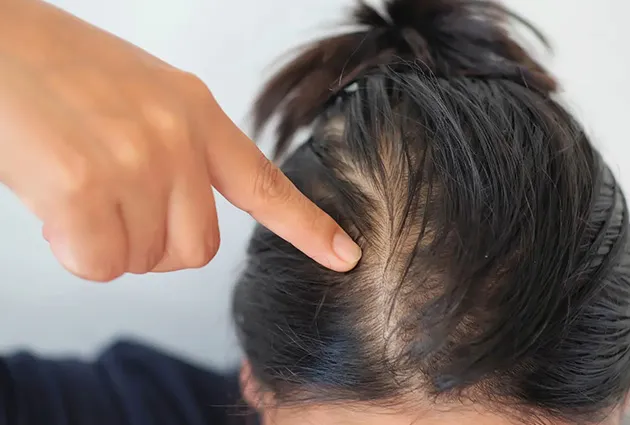
In males, the AR gene’s effect can appear as early as the mid-twenties, typically as temple recession and crown thinning.
In females, the picture is more complex. Thinning tends to be diffuse rather than concentrated at the temples and crown. Notably, research from the American Hair Loss Association shows that approximately 90% of women with androgenic alopecia have androgen levels within the normal range, which means estrogen signaling and other hormonal pathways play an independent role.
Hormonal birth control is recognized as a leading external trigger in women with a genetic predisposition, and thinning often accelerates around menopause when estrogen drops.
The genetics behind female pattern thinning are also more variable. In some cases, there is no obvious family history even when a genetic component is clearly present.
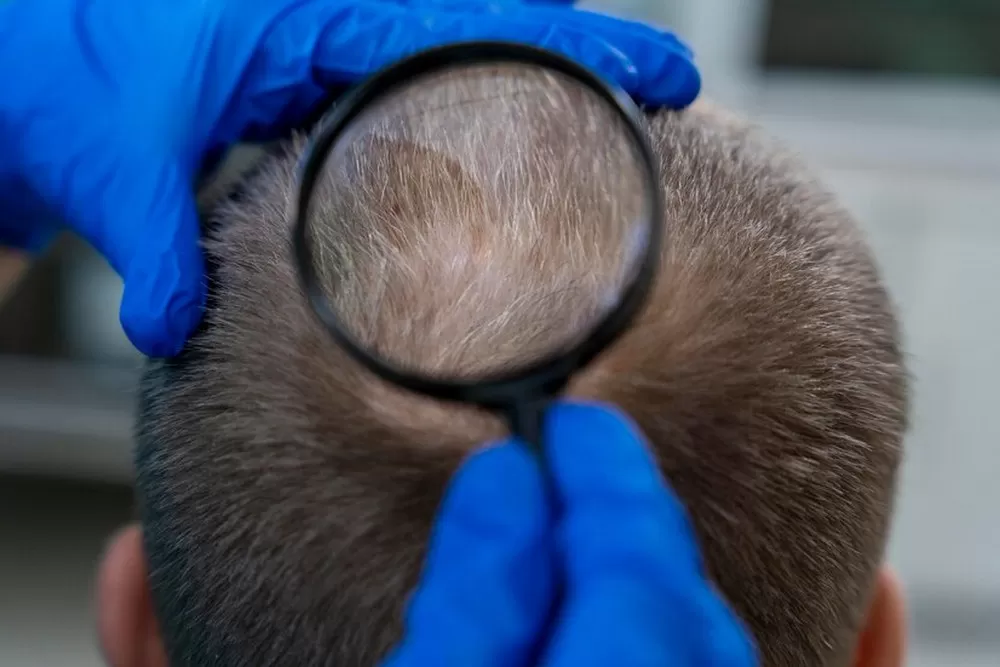
Does Strand Thickness Come from Mom or Dad?
Both parents contribute. Thickness is determined by follicle size and shape, which are influenced by multiple genes. If both parents have dense, coarse strands, you likely will too. If one parent has fine texture and the other thicker growth, you will probably fall somewhere between the two.
Ethnicity also plays a role. People of East Asian descent tend to have thicker, rounder strands; those of European descent tend to have more varied textures; people of African descent tend to have flatter, more elliptical follicle shapes, producing a tighter curl pattern.
These tendencies reflect how deeply follicle architecture is encoded in DNA.
Where Do Females Get Their Hair Genes From?
Women inherit genes from both parents. The AR gene can be inherited from the mother’s X chromosome, and autosomal variants linked to thinning can be inherited from the father. A woman whose father experienced significant thinning is not necessarily protected from developing a similar pattern, though it typically presents as diffuse loss rather than recession.
The threshold for visible thinning is generally higher in women due to hormonal differences, but the inherited risk can surface during pregnancy, postpartum recovery, and menopause.
Genes for Color and Greying
Hair color depends on the type of melanin follicles produce. The MC1R gene, one of the most studied genes in pigmentation, determines whether cells produce eumelanin (dark shades) or pheomelanin (red and lighter shades).
People inherit two copies of MC1R, one from each parent, and the interaction between those copies shapes the result. Color is still polygenic, with many other genes contributing to the final outcome. You can learn more about the MC1R gene’s role in pigmentation from MedlinePlus.
Greying follows a similar pattern. The pace at which melanocyte function declines is heritable, so if your parents greyed early, you are likely to as well.
A 2022 review in the Journal of Clinical Medicine confirmed that stress, nutrition, and lifestyle factors can accelerate the process, but the baseline timeline is largely genetic.
Other Factors Beyond Genetics
DHT miniaturizes follicles over time, but its impact varies with overall androgen levels, age, and health status. Beyond hormones, smoking, poor nutrition, chronic stress, and tight hairstyles that create repeated mechanical tension can all worsen a genetic predisposition, sometimes bringing on visible thinning earlier than the genes alone would suggest.
Myths About Genetics and Thinning
“Baldness only comes from your mom’s side.” Not true. Both X-linked and autosomal variants contribute, and the majority of genes involved are autosomal.
“There’s a single baldness gene.” Baldness is polygenic. Dozens of variants interact with hormones and the environment, which is why outcomes differ even among siblings.
“Inherited traits follow simple rules.” They do not. Unlike Mendelian traits, where one gene drives one outcome, thinning follows polygenic inheritance, where many small-effect genes combine to determine what you see.
Preventive Steps if Thinning Runs in Your Family
Early action is more effective than waiting for visible change. Maintain scalp hygiene, eat a diet with adequate protein and micronutrients, avoid smoking, and manage chronic stress. A healthy scalp environment gives follicles the best chance of completing their natural growth cycles.
Can Genetic Thinning Be Treated?
Medical and surgical treatments
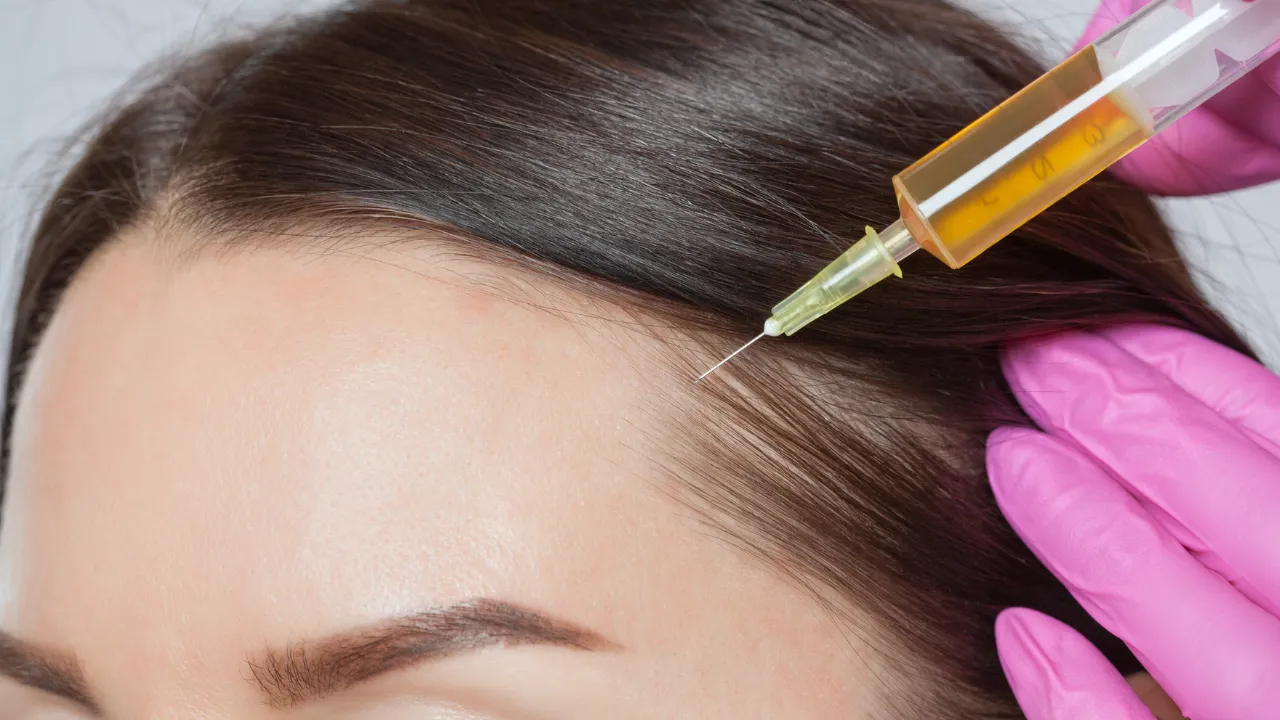
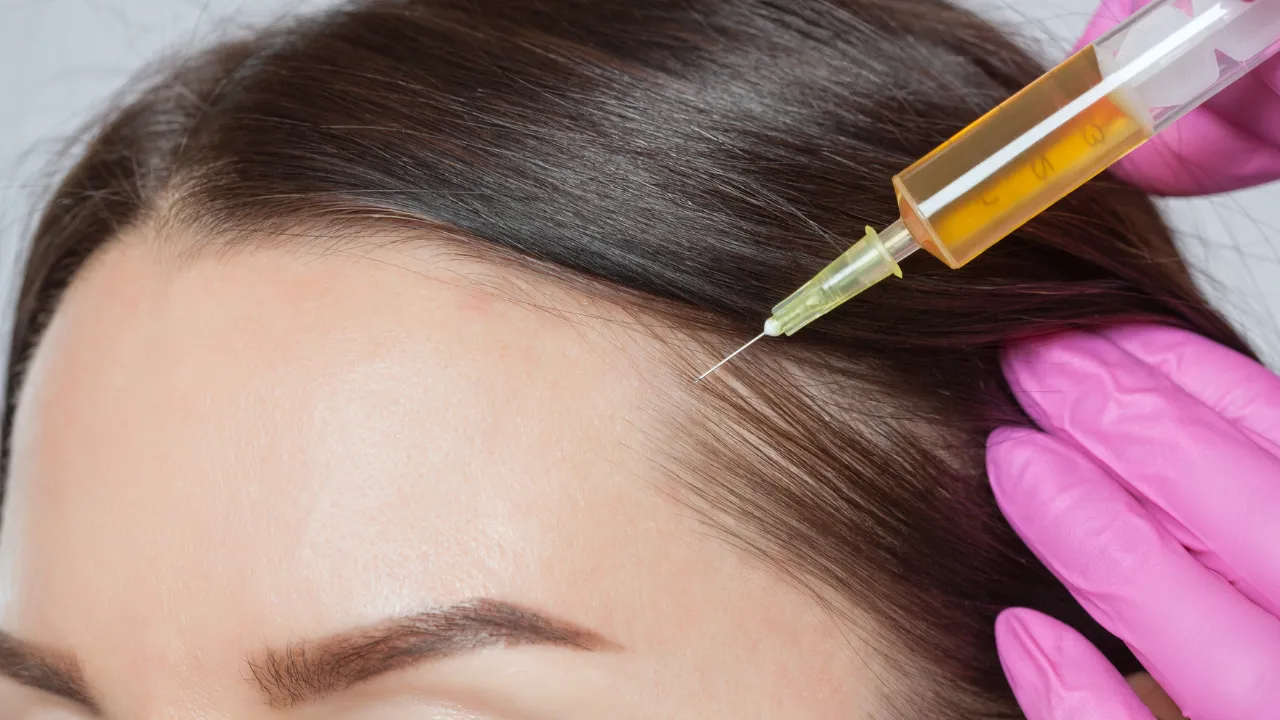
Hereditary thinning can be slowed and, in many cases, partially reversed. Minoxidil prolongs the active growth phase of the follicle cycle.
A randomized controlled trial in the Journal of the American Academy of Dermatology found that 5% topical minoxidil produced significantly greater regrowth than a placebo after 48 weeks.
Finasteride inhibits the enzyme that converts testosterone to DHT; in a landmark trial published in the Journal of the American Academy of Dermatology, 83% of men taking it daily maintained their count over two years.
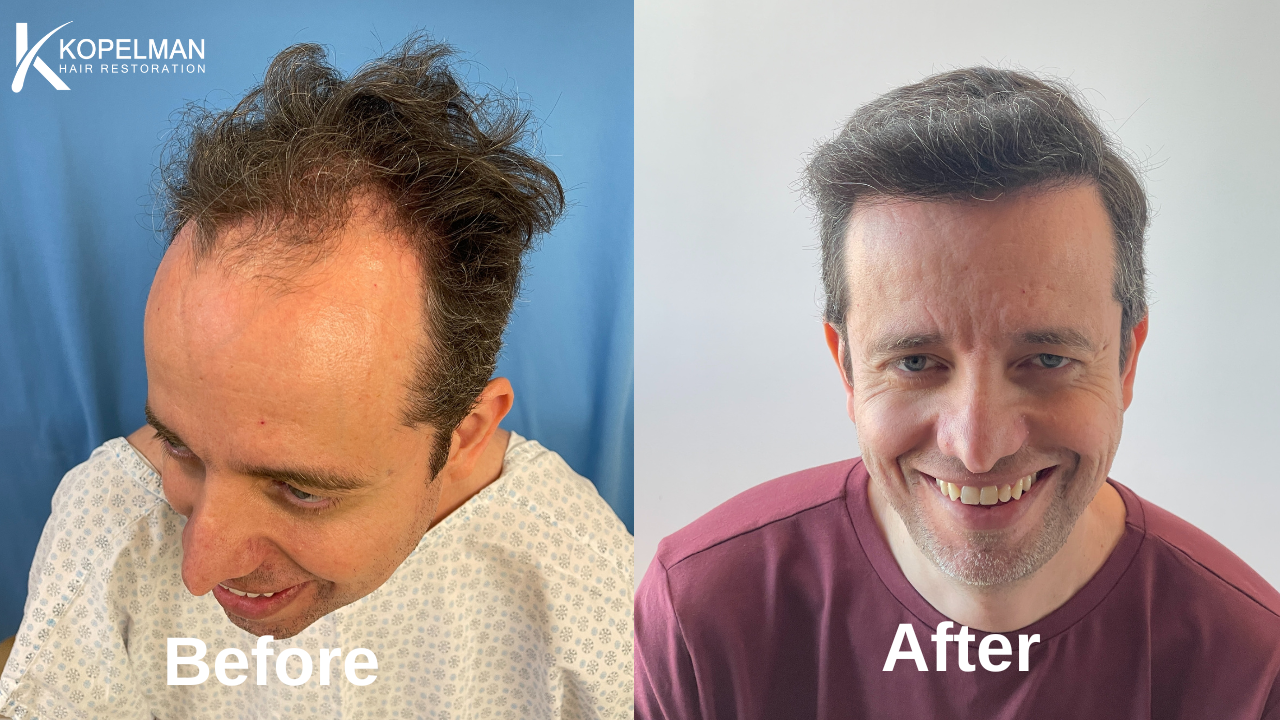
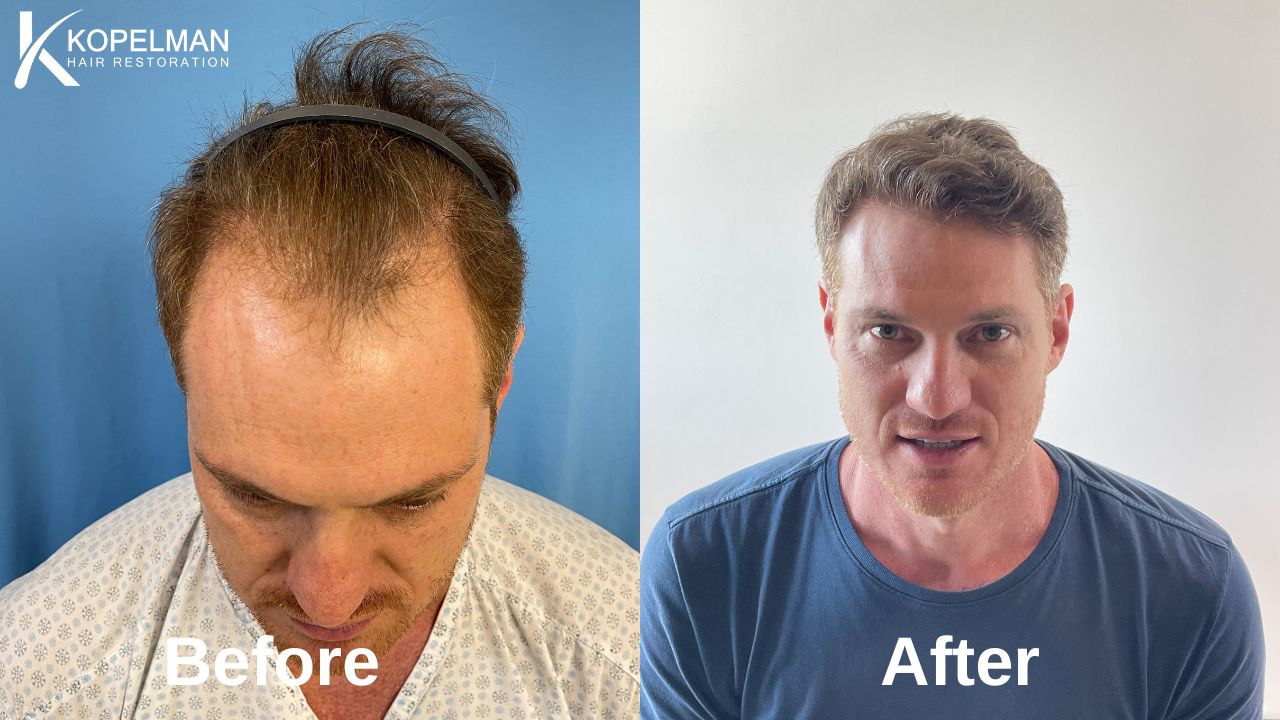
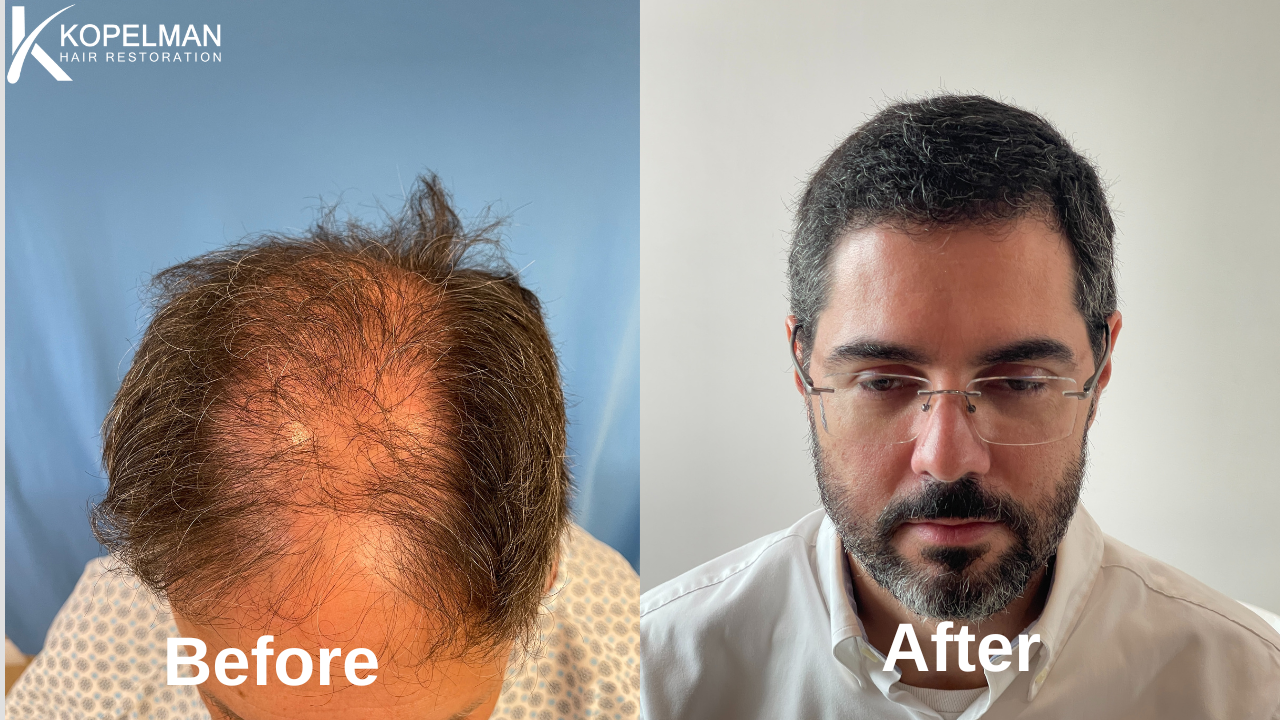
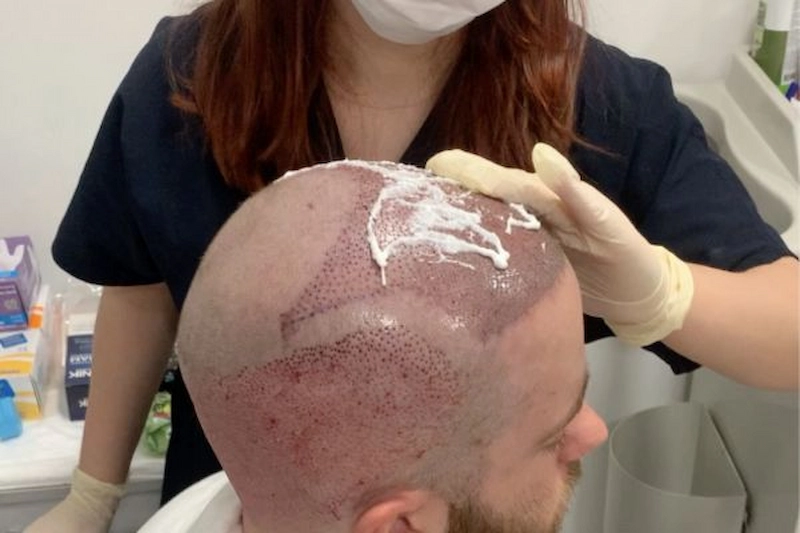
Laser therapy improves scalp circulation and strengthens follicle activity in areas of diffuse thinning. Hair transplant surgery performed by Dr. Kopelman redistributes healthy, DHT-resistant follicles from stable donor areas to thinning zones for lasting results.
When to consult a restoration specialist
If thinning is visible, or your family history suggests a strong predisposition, seek professional input before the situation feels urgent. Early intervention gives you more options. At Kopelman Hair, patients receive thorough evaluations and personalized treatment plans built around their genetic profile, pattern, and goals. To explore your options and receive a personalized solution, schedule a consultation with Dr. Kopelman today.