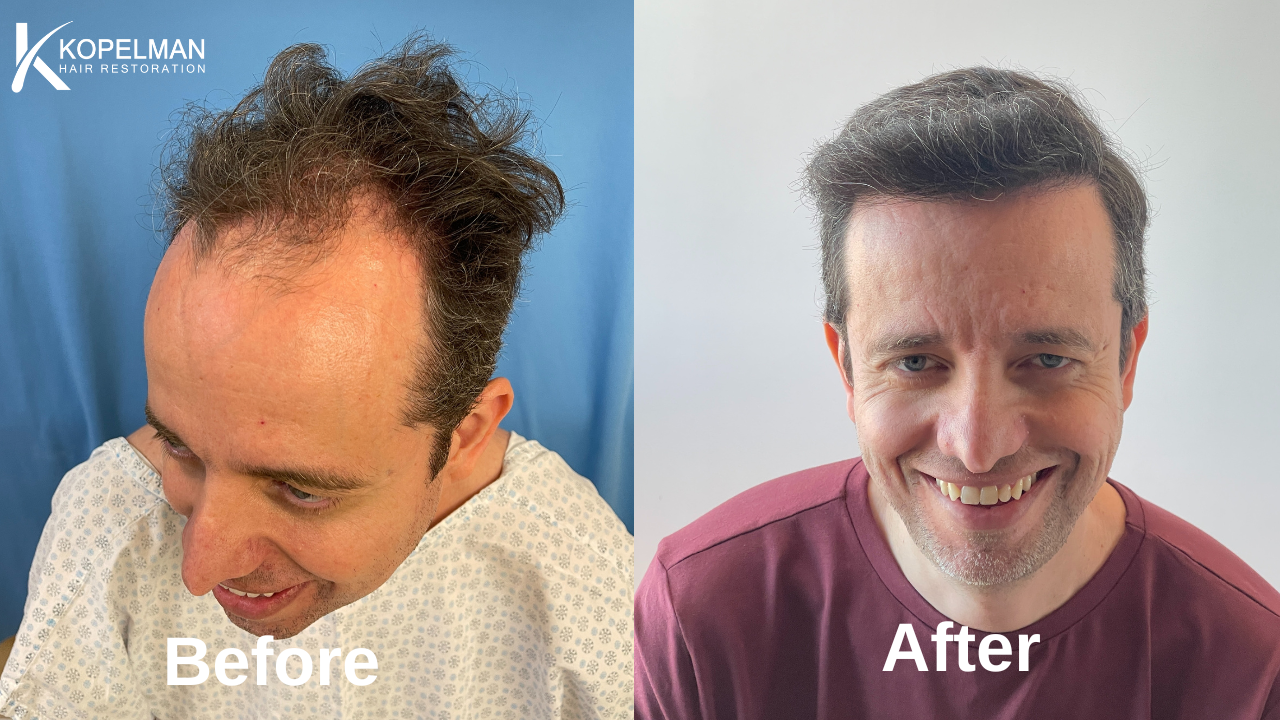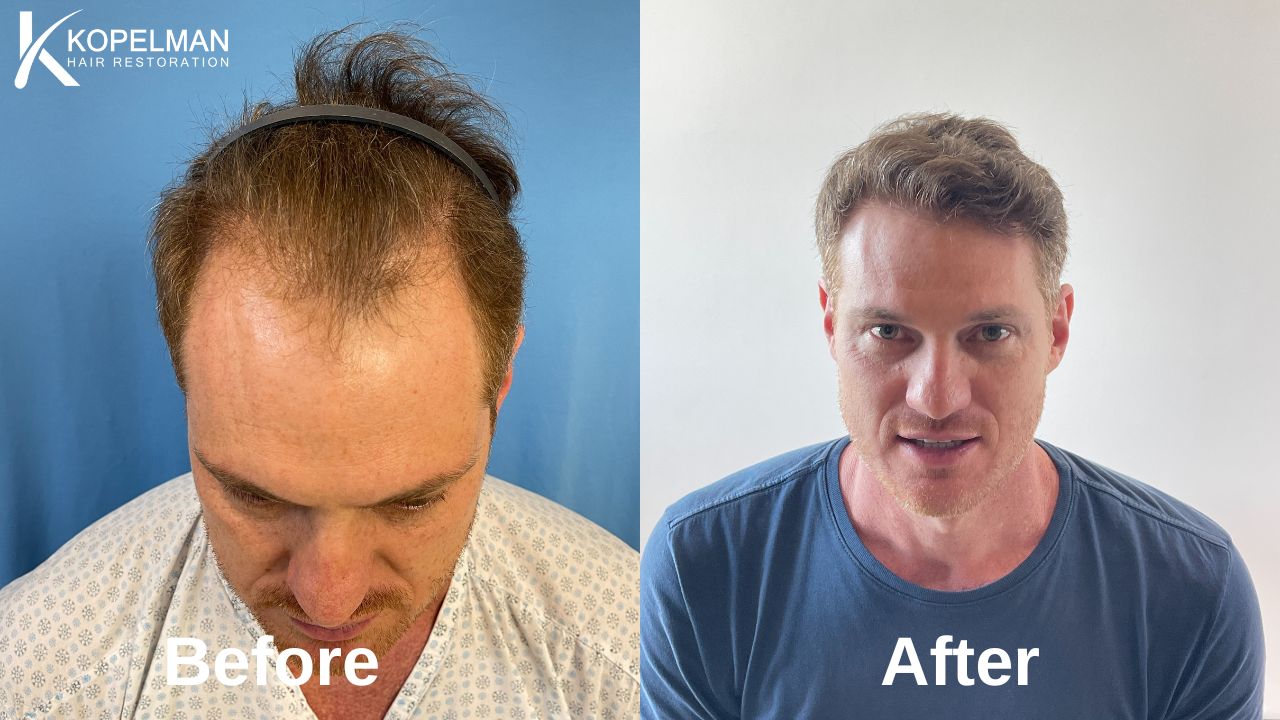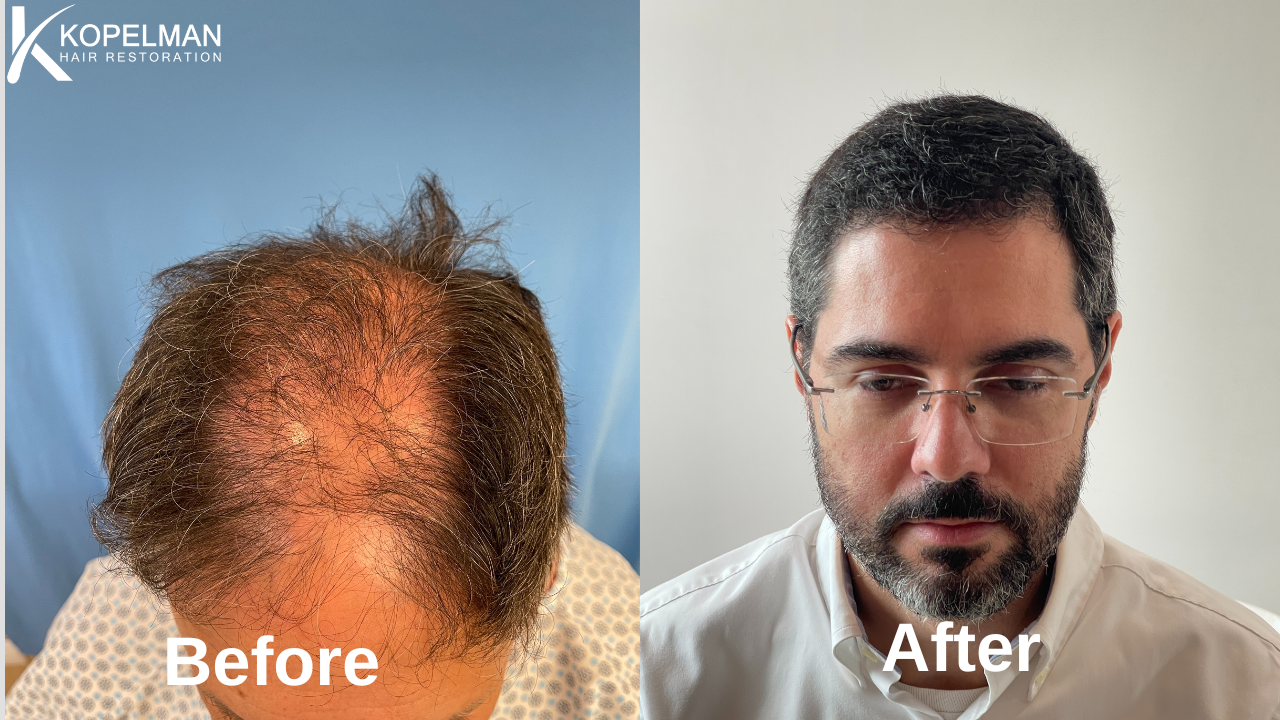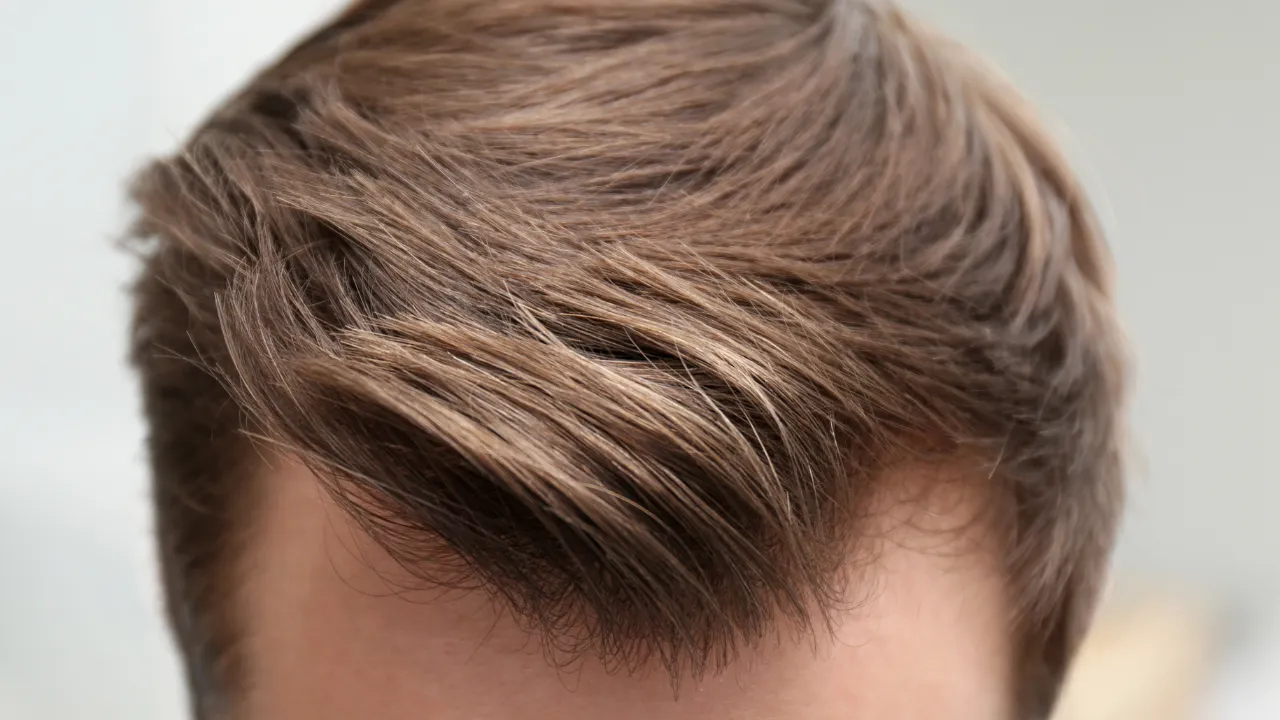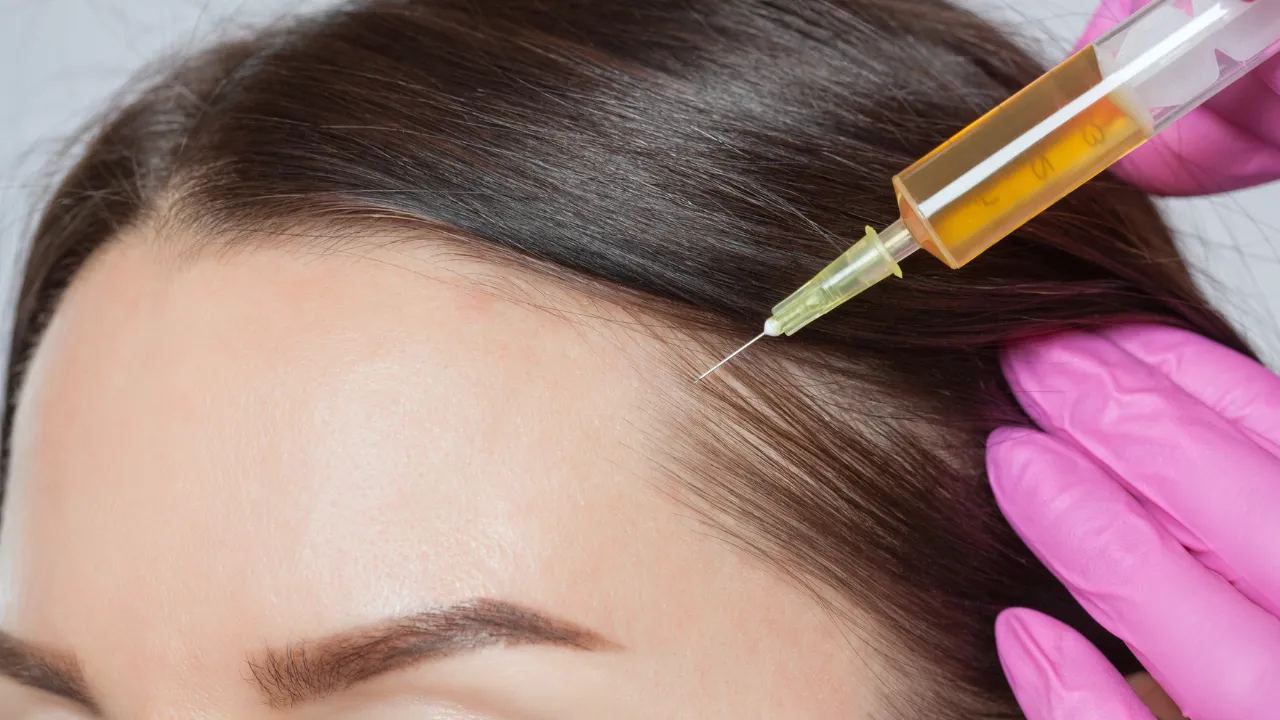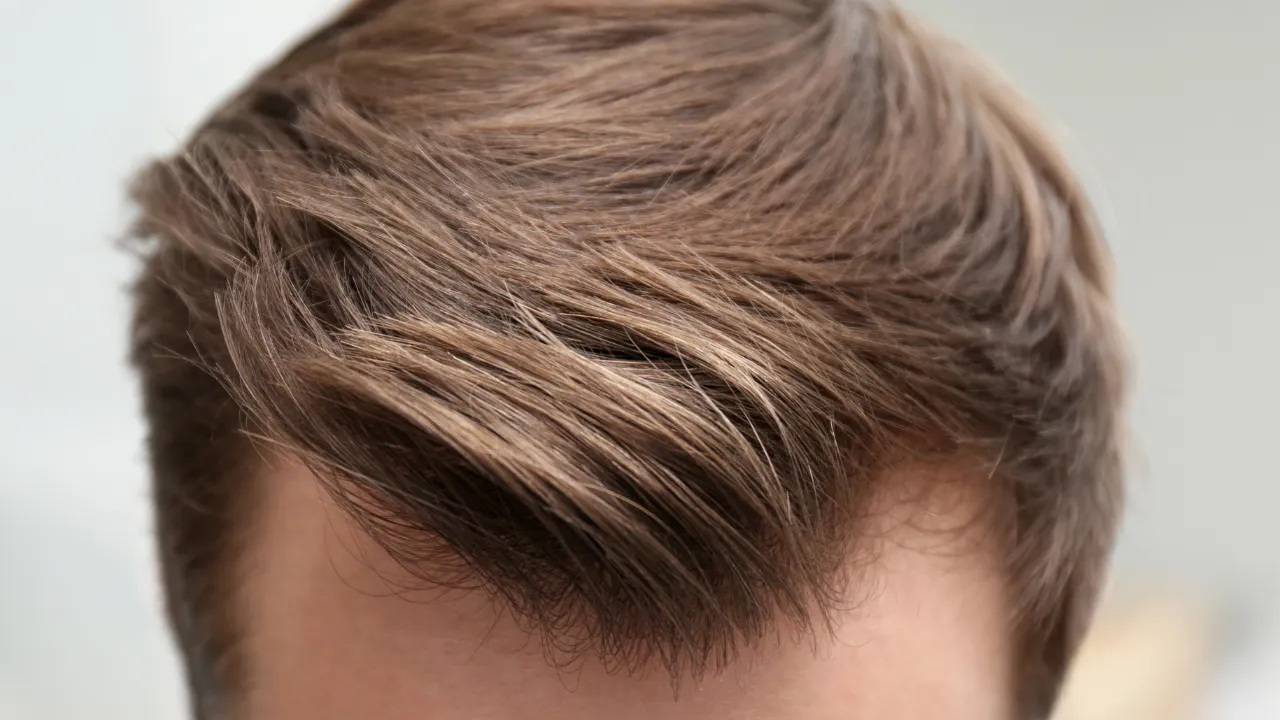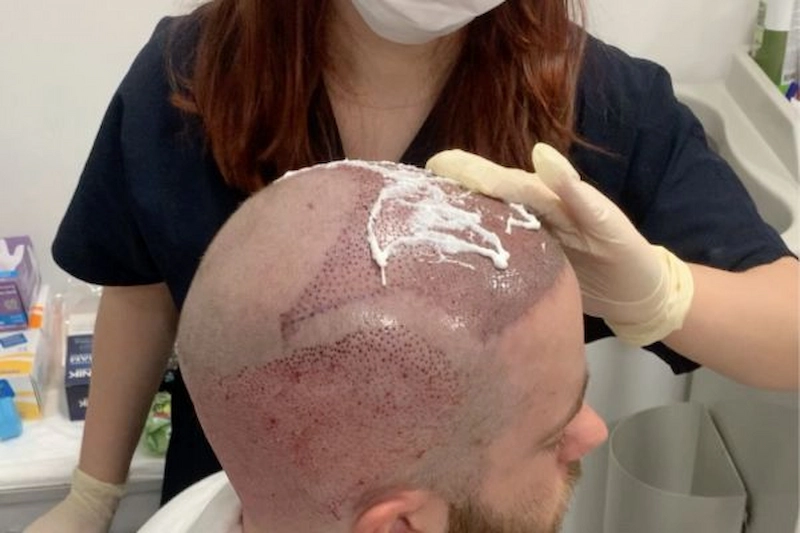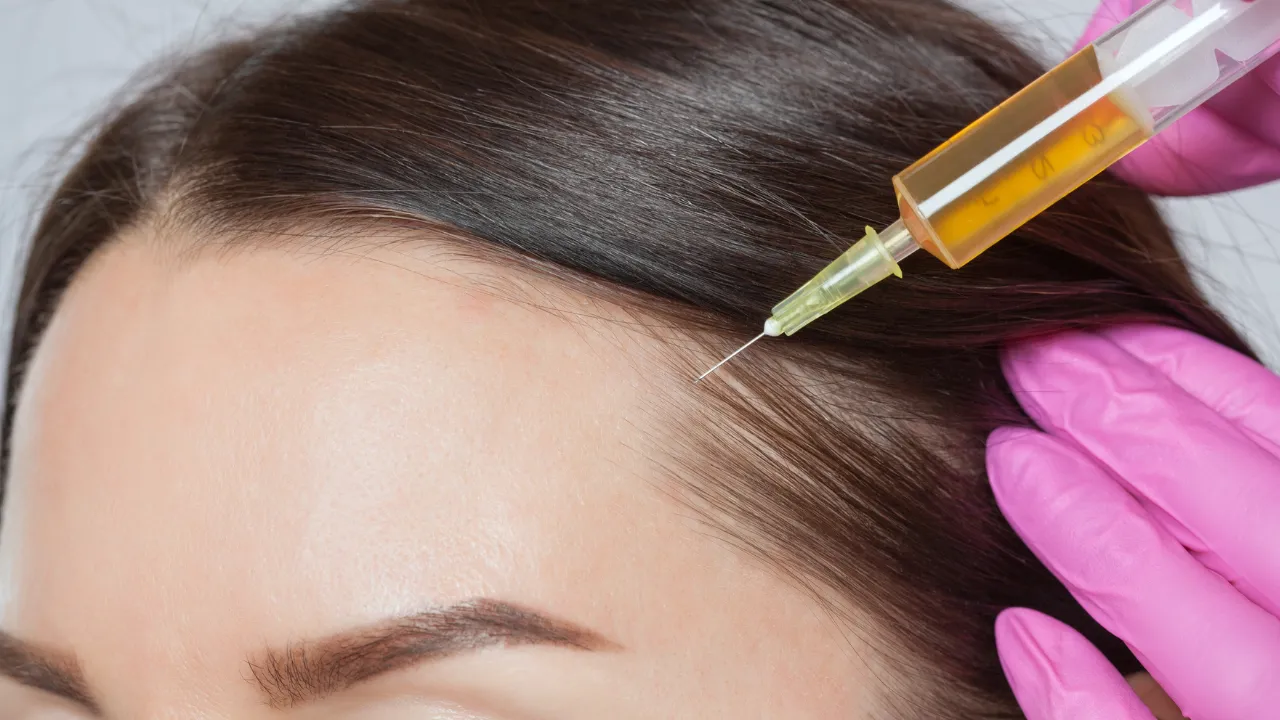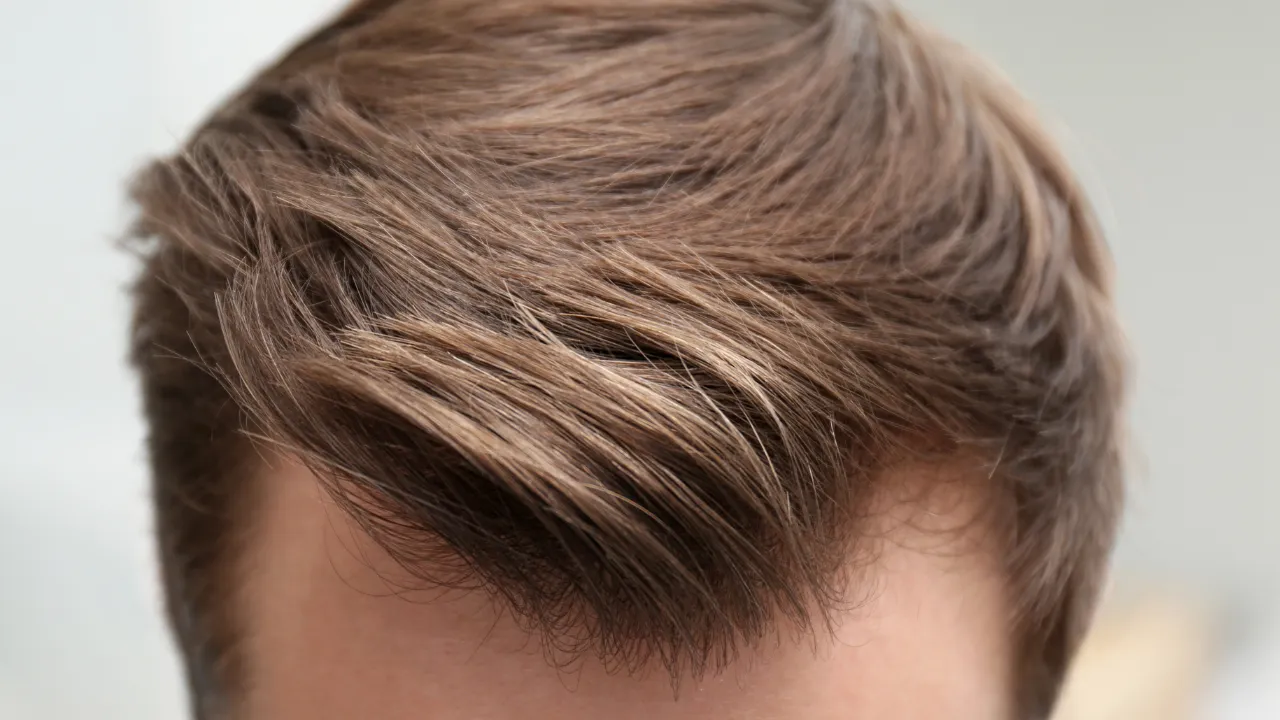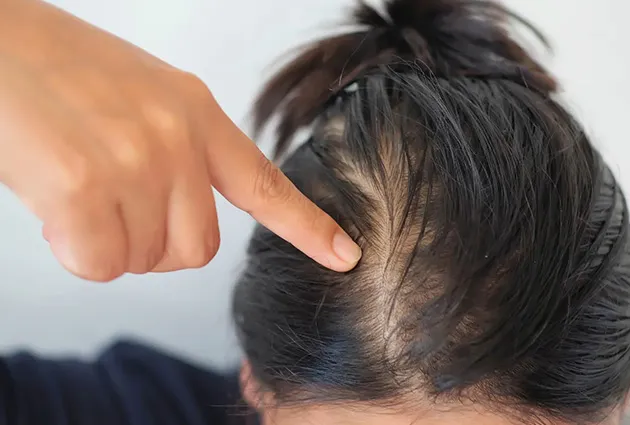

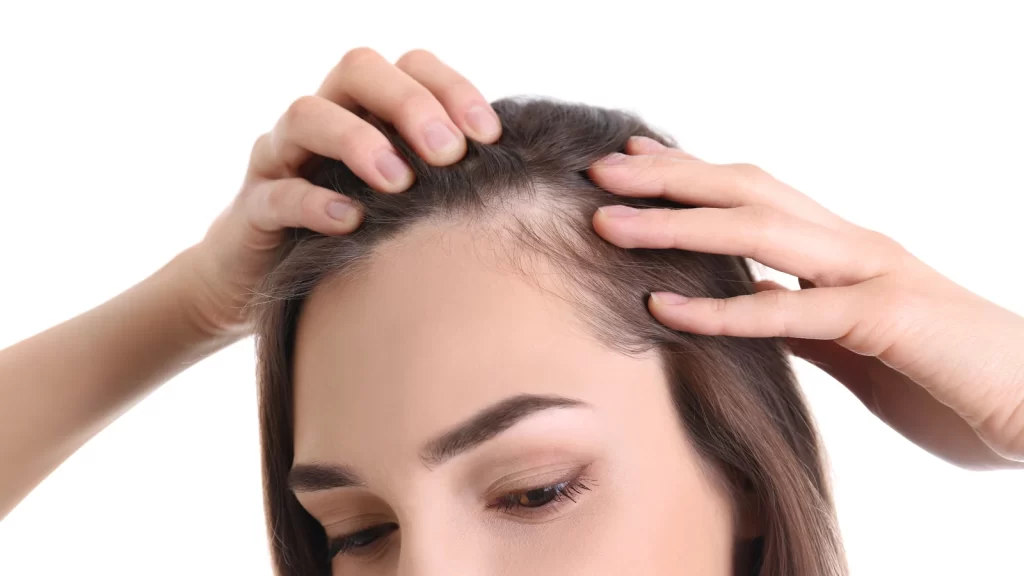
Many Kopelman Hair patients start by searching for photos like these to recognize this temporary shedding.
Key Takeaways
- Telogen effluvium is a temporary condition in which stress, illness, hormonal shifts or medications trigger diffuse shedding across the scalp.
- Pictures of telogen effluvium typically show thinning with visible scalp but no scarring or patchy bald spots.
- Shedding usually begins about 3 months after the trigger and settles within 3 to 6 months, with density returning over 6 to 9 months once the cause is resolved.
- Medical evaluation by an expert like Dr. Kopelman helps confirm the diagnosis, identify underlying causes, and guide treatment options ranging from lifestyle changes to medical therapies.
What Is Telogen Effluvium?
Telogen effluvium hair loss is a temporary shedding condition triggered by stress, illness, hormonal shifts or medications. Instead of the usual daily shedding, people may notice clumps on the pillow or in the drain.
The shedding usually begins about 3 months after the trigger and often reverses once the cause is corrected.
At Kopelman Hair, Dr. Kopelman has managed many cases of this condition, and the practice brings more than 40 years of combined experience in surgical and non-surgical hair restoration.
What Are Telogen Hairs?
Each strand cycles through growth (anagen), transition (catagen) and rest (telogen). Normally about 10 to 15% of strands are resting, and a telogen hair has a small white bulb at the root.
When a trigger hits, many growing strands enter the resting phase early. The resting share can climb to 30% or more, so far more strands shed at once.
What Telogen Effluvium Looks Like
Pictures of Hair and Scalp
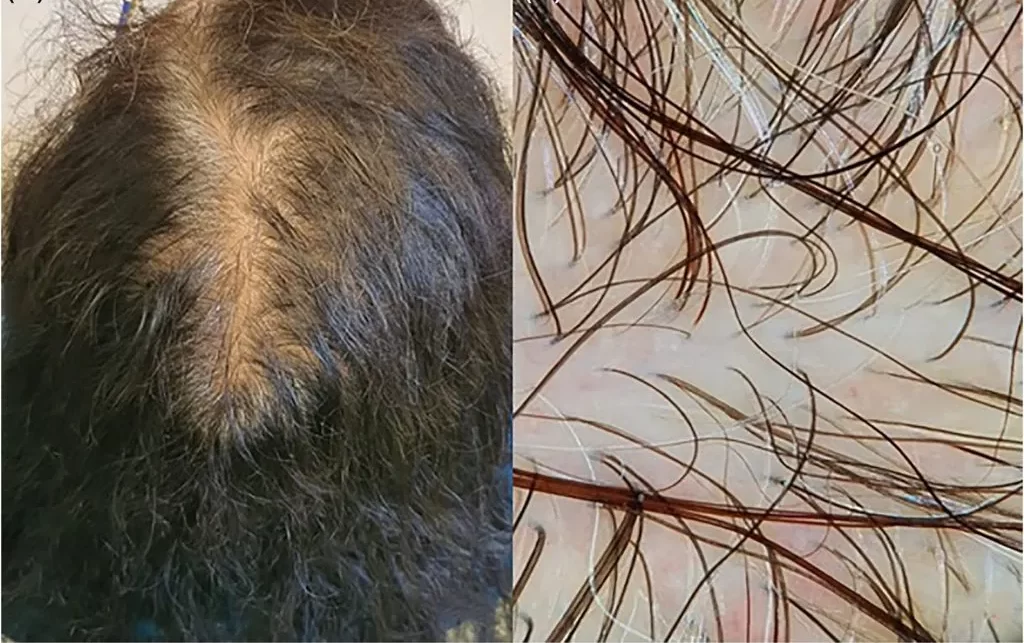
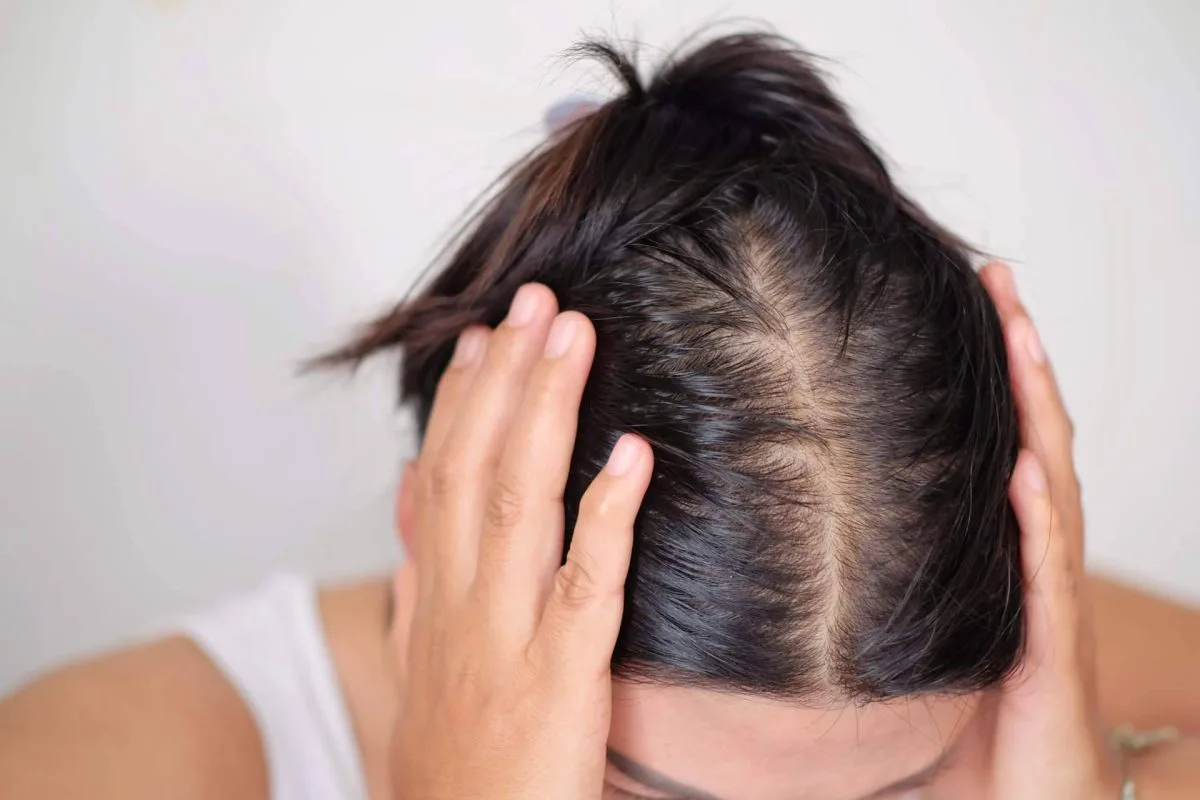
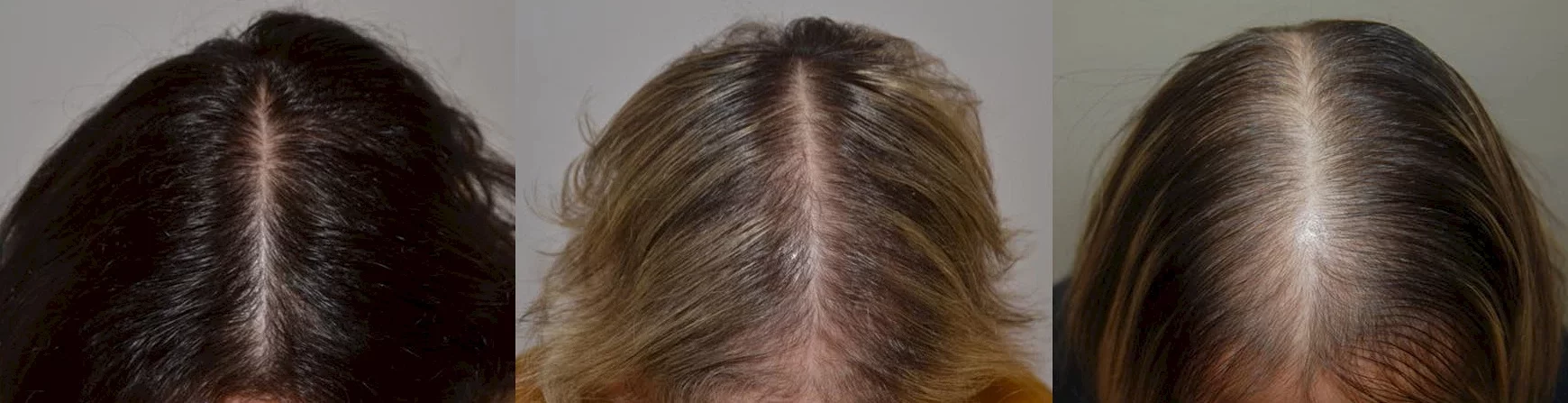
Images show diffuse thinning rather than bald patches. The scalp is visible along the crown or part, unlike alopecia areata, which creates round spots. Shed strands often carry a tiny white bulb at the root.
Telogen Effluvium in Men and Women
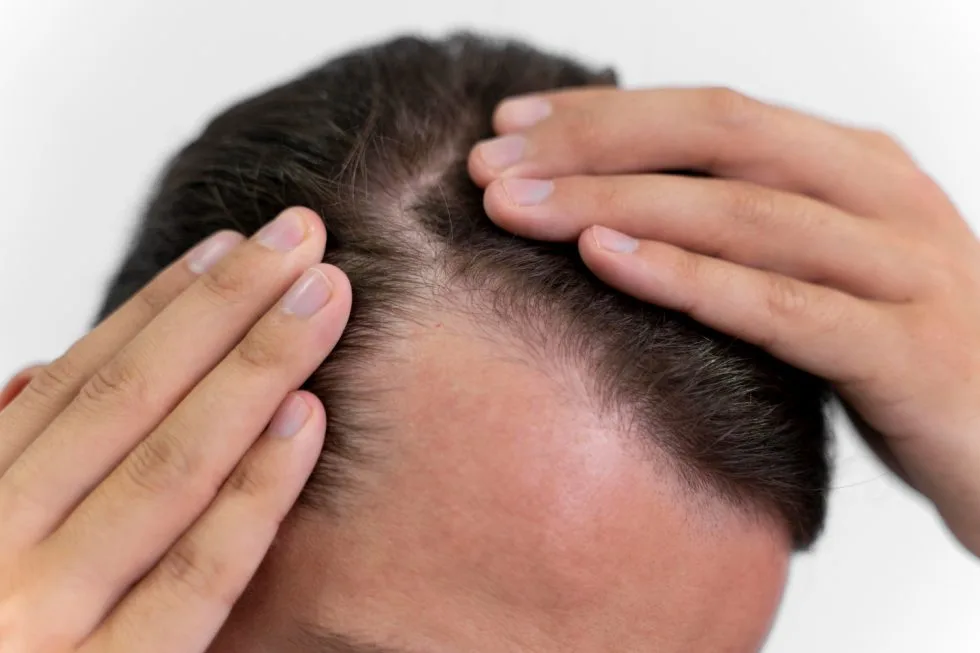
Photos of telogen effluvium in men show thinning across the top of the scalp and sometimes at the temples. Female telogen effluvium usually appears as reduced volume at the crown and a widening part. Both patterns are temporary.
Telogen effluvium hairline changes are usually limited to thinner temples, while the frontal hairline stays in place. A steadily receding hairline points to pattern thinning instead.
Early and Advanced Cases
Early cases show subtle thinning. Photos of severe telogen effluvium reveal heavier loss with more scalp visible.
Diagnosis and Symptoms
How Doctors Confirm the Diagnosis
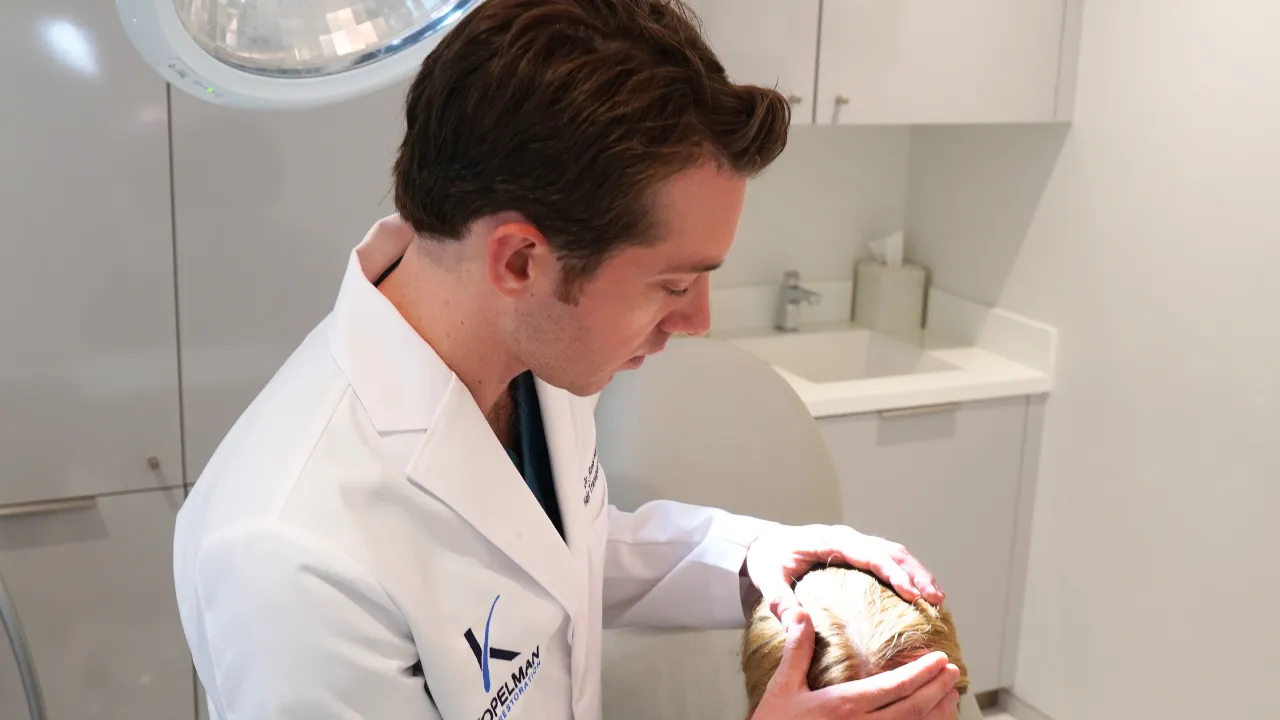
Diagnosis starts with a health history and scalp exam. In a pull test, the doctor gently tugs a small section of strands; during active shedding, at least four typically come away with white bulbs at the root.
Trichoscopy, a magnified scalp exam, shows intact follicles and short regrowing strands. Blood tests for iron and thyroid function can reveal correctable triggers. Scalp photos over time also confirm diffuse shedding rather than patchy or scarring loss.
Key Symptoms to Recognize
Common signs include:
- Excess strands in drains, brushes or on pillows
- Diffuse thinning
- No scarring, itching or redness
- Sudden shedding after illness or stress
How Telogen Effluvium Differs from Other Hair Loss
Alopecia areata causes bald patches, and male pattern baldness thins at the temples or crown. This condition, by contrast, shows diffuse shedding with no scarring.
Telogen Effluvium vs. Female Pattern Hair Loss
Telogen effluvium vs female pattern hair loss is a common source of confusion. In women, pattern thinning develops gradually over years, usually at the crown and part, while this condition sheds heavily and suddenly, then recovers.
The two can overlap, so a dermatologist’s exam matters; this guide to signs of hair thinning shows how each pattern starts. The table below compares the three patterns.
| Feature | Telogen Effluvium | Pattern Hair Loss | Alopecia Areata |
|---|---|---|---|
| Pattern | Diffuse, whole scalp | Crown and part in women; hairline and crown in men | Round or oval patches |
| Onset | Sudden shedding, about 3 months after a trigger | Gradual thinning over years | Can appear quickly in patches |
| Scalp | Healthy, no scarring | Healthy, lower density | Smooth bald patch |
| Hairline | Usually stays in place | Recedes in men; often preserved in women | Any area can be affected |
| Outlook | Usually reversible once the trigger is resolved | Progressive without treatment | Unpredictable; may regrow or recur |
Causes of Telogen Effluvium
In about one in three people, no cause is found. Medical triggers include medications such as beta-blockers, retinoids and anticoagulants. Thyroid issues and major surgery are also linked.
Other common causes are:
- Severe stress or trauma, including stress-related telogen effluvium
- Illness with high fever or severe infection
- Postpartum hormone shifts
- Crash diets or low protein intake
- Iron or vitamin D deficiencies
Hair Regrowth and Recovery
Pictures of Hair Regrowth
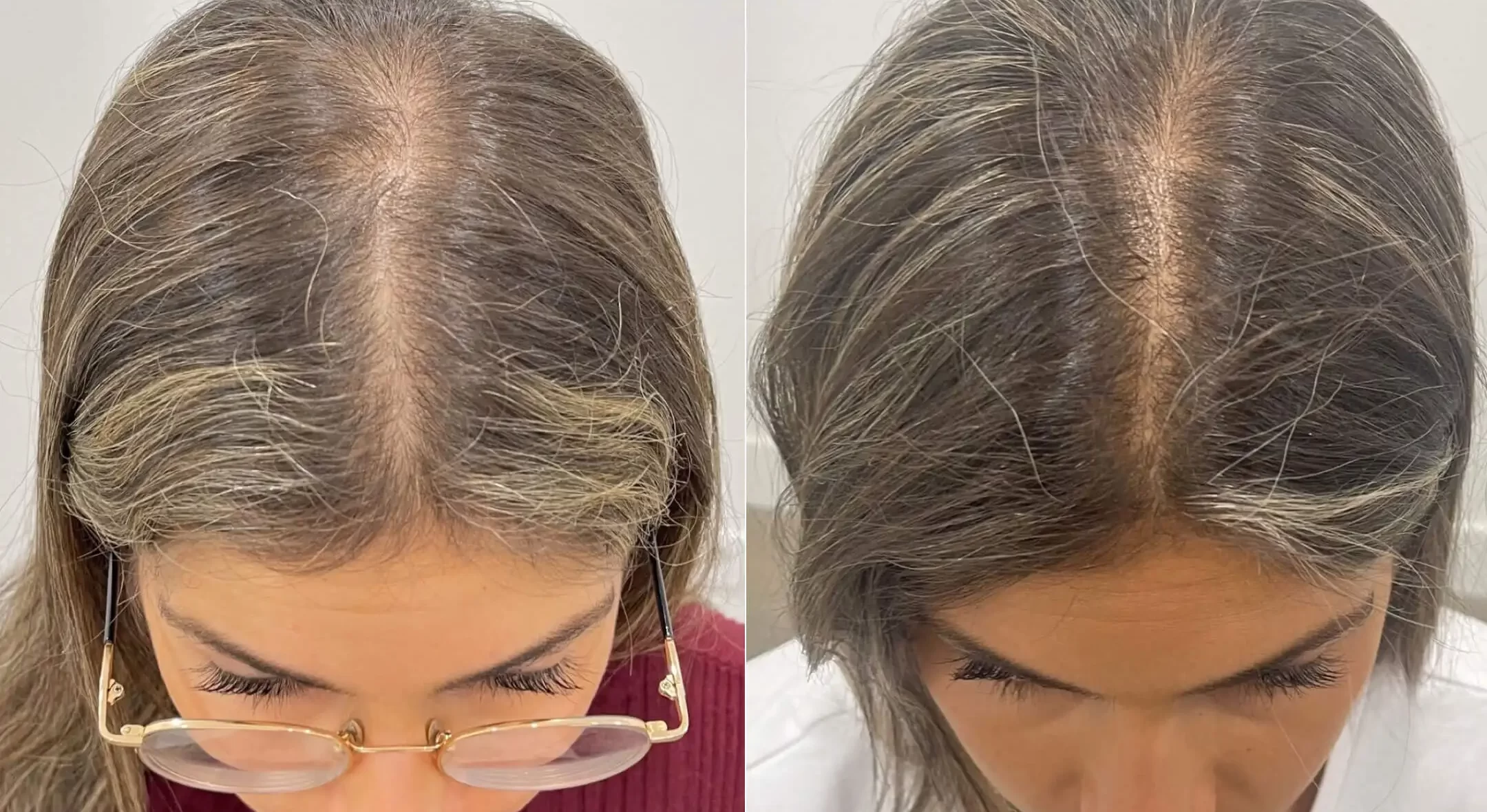
Photos of regrowth show fine new strands along the hairline or part, which thicken gradually. What does hair regrowth look like after telogen effluvium? Mostly short, fine, upright strands of mixed lengths, which can look uneven at first but show the follicles are working.
Signs of Telogen Effluvium Recovery
Recovery signs include reduced shedding in the shower and on the brush, plus visible baby hairs. Many people notice density returning within 6 to 9 months, though longer strands take more time to look full.
Most cases resolve once the trigger is addressed, with shedding settling in 3 to 6 months and regrowth following.
Telogen Effluvium Before and After
A telogen effluvium before and after comparison usually shows reduced shedding first, then gradual thickening. A typical timeline:
- 3 months: baby hairs appear
- 6 months: density improves
- 9 to 12 months: thickness returns
Acute vs. Chronic Telogen Effluvium
Acute telogen effluvium lasts less than six months and usually resolves once the trigger is gone. Chronic telogen effluvium lasts longer than six months, often fluctuates, and is reported mostly in middle-aged women.
In photos, chronic cases look like acute ones: diffuse thinning and a healthy scalp. Some experts note that many cases labeled chronic may be early pattern thinning or an unrecognized trigger, so a full evaluation is worthwhile. A good cosmetic outcome is still generally expected.
Treatment Options
To stop shedding, start by finding and correcting the trigger. Most cases resolve on their own over several months, so treatment mainly supports recovery.
Treatment Results in Photos
Photos taken after the trigger is addressed typically show less shedding and returning density, with or without therapy.

Medical Treatments
Doctors first treat the underlying cause, such as a thyroid problem or low iron. Some dermatologists add topical minoxidil off-label, although it is more often used for pattern hair loss and has not been proven to speed recovery in this condition.
Supplements help most when a deficiency is confirmed. Hair transplantation is not a treatment, since follicles remain intact and shedding reverses.
Home Care and Lifestyle Changes
Gentle scalp care helps: avoid tight hairstyles and limit heat styling.
Prevention Tips
Prevention steps include:
- Eating protein, iron, and vitamin-rich foods
- Managing stress
- Avoiding harsh chemical treatments
- Keeping the scalp clean
- Routine health checkups
When to See a Specialist
If shedding lasts beyond six months or appears patchy, seek evaluation. Redness, scaling, pain or a steadily receding hairline also point to other conditions. At Kopelman Hair, Dr. Kopelman provides diagnostics and personalized treatment.