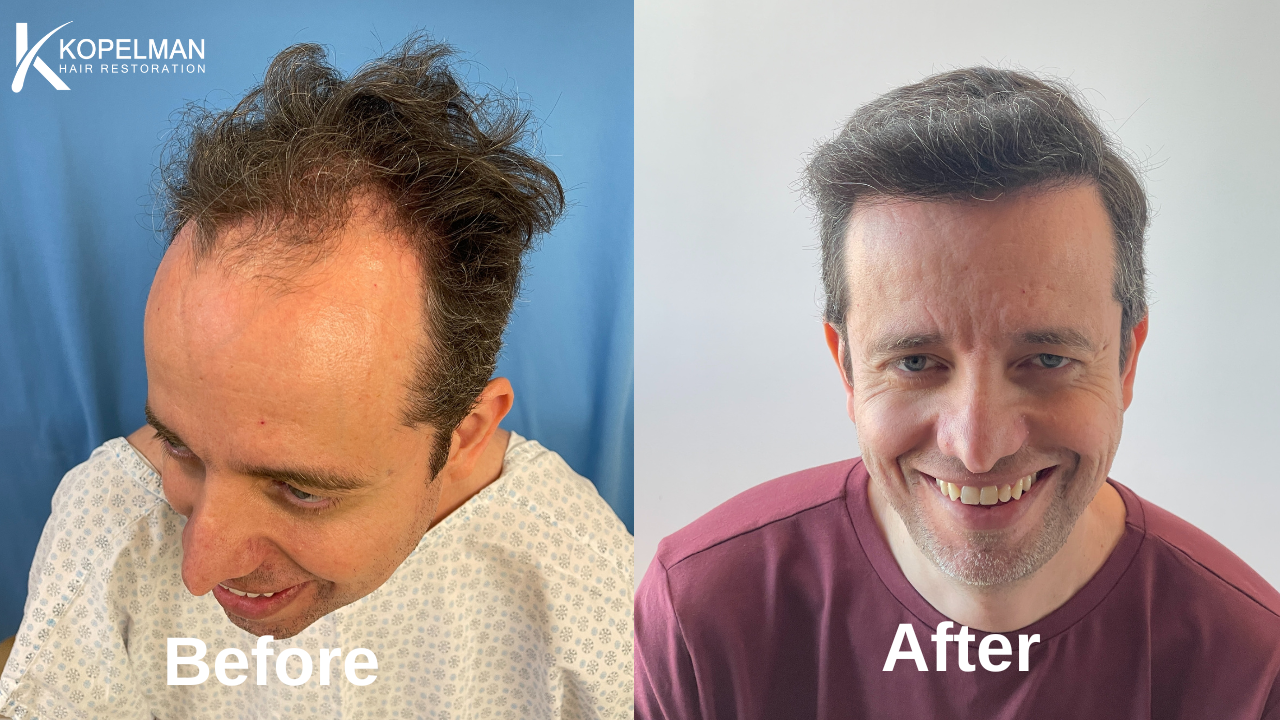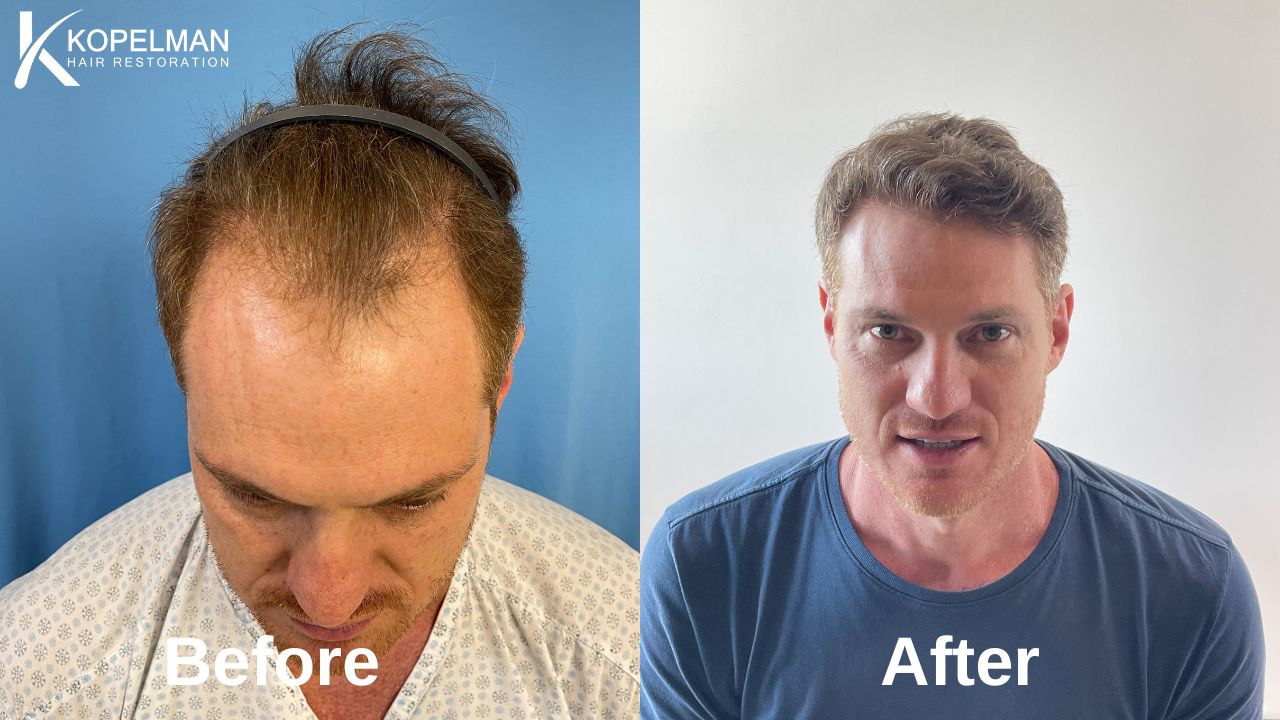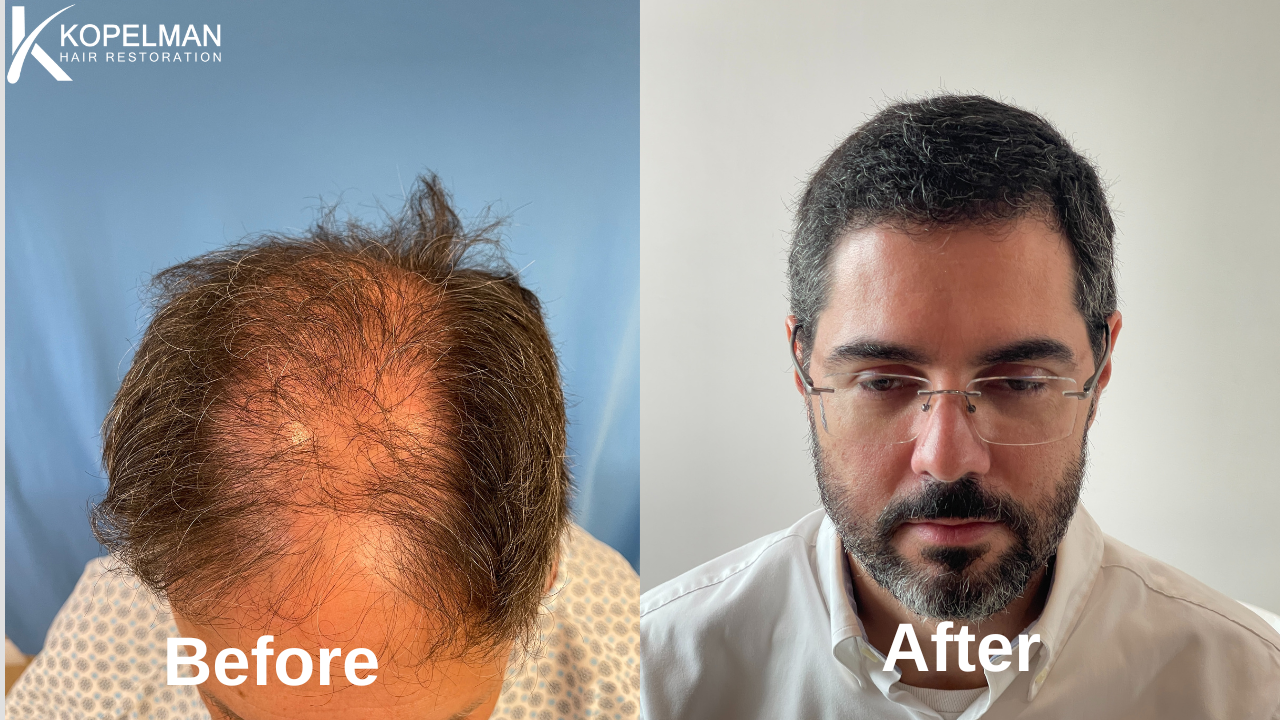

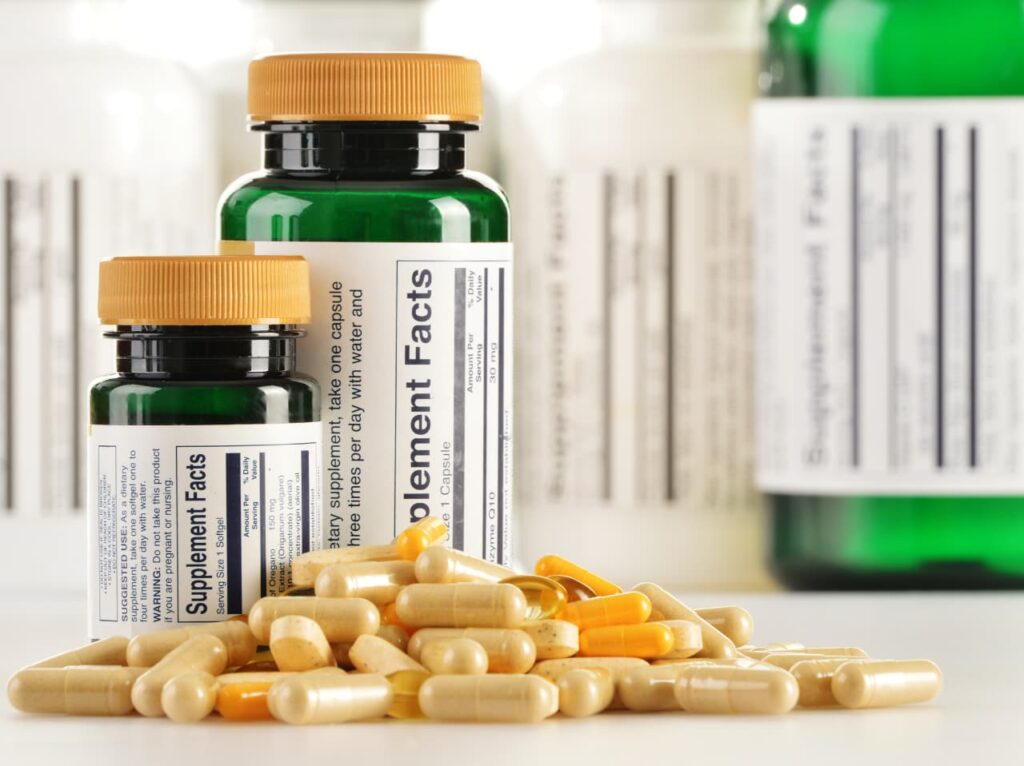
At Kopelman Hair, clinicians frequently identify iron deficiency as a key contributor to diffuse thinning, especially in women. Correcting low levels helps reactivate dormant follicles and improve scalp circulation for steady, healthy growth.
Key Takeaways
- The best iron tablets for hair growth depend on your absorption rate and your specific medical needs.
- A deficiency can trigger shedding by limiting oxygen delivery to the follicles.
- Restoring ferritin supports stronger, thicker regrowth.
- Pairing iron with nutrients like vitamin C, biotin, and zinc enhances results.
- Medical supervision helps ensure supplementation remains safe and effective over the long term.
How Iron Affects Hair Health
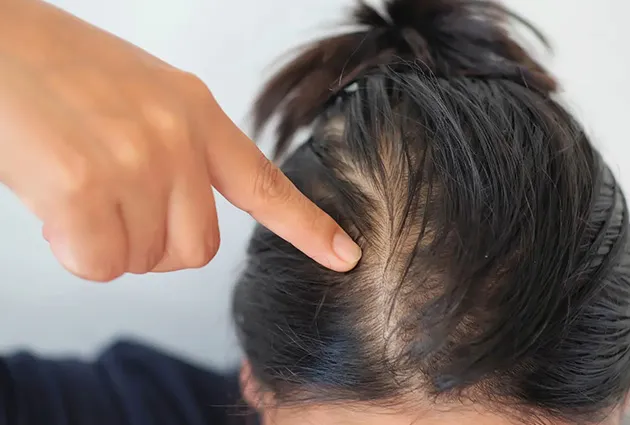
Iron plays a crucial role in cellular energy and follicle nourishment. It enables the production of hemoglobin, which carries oxygen and nutrients to scalp tissues. When stores run low, follicles receive less oxygen, weaken, and shed early. Over time, this can cause diffuse thinning or visible scalp patches.
Low ferritin is particularly linked to shedding because ferritin stores iron for future use. When these reserves fall below the optimal range, follicles lack the support needed to sustain healthy growth cycles. Replenishing them allows the follicle to return to its active phase and prevents premature shedding.
Balanced iron levels also help protect keratin, the main structural protein in each strand, keeping the shaft resilient against breakage.
Can Iron Deficiency Lead to Thinning?
Yes. When iron is scarce, the body redirects oxygen to essential organs rather than the follicles. This shift reduces the energy available for growth, leading to thinner strands and ongoing shedding.
Typical signs of deficiency include fatigue, brittle nails, and pale skin. Some people also experience dizziness or cold extremities. A simple blood test can confirm low ferritin, the clearest early marker of iron-related thinning (Park et al., 2013).
Addressing the shortfall early not only restores density but also improves overall vitality. Left untreated, a chronic deficiency can prolong the resting phase of the follicle and cause widespread thinning.
Iron Deficiency and Telogen Effluvium
The specific condition that connects low iron to shedding is telogen effluvium. In this pattern, a larger-than-normal share of follicles shift into the resting (telogen) phase at the same time, so hair sheds more heavily and regrows more slowly.
Each follicle normally cycles independently through growth (anagen), transition (catagen), and rest (telogen). At any given moment, only about 10 to 15 percent sit in the resting phase. A deficiency can push more follicles into rest at once, which produces noticeable diffuse thinning (Moeinvaziri et al., 2009).
Because telogen effluvium is usually reversible, restoring iron stores often allows shedding to slow within a few weeks and density to rebuild over several months.
Best Iron Supplements for Hair Loss
Not all iron supplements are equally effective. Choosing the right one depends on individual absorption, digestive tolerance, and medical guidance.
Common Options
- Ferrous sulfate: The most widely used and clinically studied form, known for strong absorption.
- Ferrous gluconate: Gentler on the stomach and suitable for long-term use.
- Iron bisglycinate: A chelated form that is highly absorbable and often easier to tolerate, with fewer digestive complaints.
- Heme iron polypeptide: Derived from animal sources and useful for people with sensitive digestion or poor absorption.
The best iron tablets for hair growth are the ones you can take consistently without side effects, which is why tolerance matters as much as potency.
Supplementation should always follow lab testing and a clinical consultation, since excess iron can accumulate in organs and disrupt mineral balance.
A customized plan helps deliver results while minimizing side effects such as nausea or constipation.
How Much Iron Should You Take?
Dosage depends on how low your stores are, the cause of the deficiency, and factors like menstruation. A clinician will first measure hemoglobin and ferritin, then set a target dose and recheck your levels with follow-up blood work.
As a general reference, a 325 mg ferrous sulfate tablet provides about 65 mg of elemental iron, and historically, treatment plans for deficiency used roughly 100 to 200 mg of elemental iron per day. Newer evidence suggests that lower or alternate-day dosing can improve absorption and reduce stomach upset (Stoffel et al., 2017).
For context, the tolerable upper intake level for adults from supplements is 45 mg of elemental iron per day unless a physician directs otherwise. This is exactly why iron pills for hair loss should be dosed by a professional rather than self-prescribed.
How Long Does It Take for Iron to Improve Hair Growth?
Recovery requires patience and consistency. Most people notice visible improvement within three to six months of sustained supplementation.
As stores rebuild, blood flow to the scalp increases and dormant follicles reactivate. Pairing iron with vitamin C improves absorption and supports collagen synthesis around the follicle base. Tea, coffee, and dairy are best kept away from supplement time, since they reduce absorption.
Timelines vary depending on how long the deficiency existed and whether other factors, such as hormonal imbalance or stress, also contribute. In clinical follow-up, ferritin has been shown to roughly double after about six months of consistent oral therapy (Park et al., 2013).
The Role of Ferritin in Hair Regrowth
| Ferritin Level (ng/mL) | What It May Indicate | Typical Action |
|---|---|---|
| Below 30 | Significantly low stores; a strong marker of deficiency in people experiencing thinning | Evaluate and treat under medical guidance |
| 30 to 70 | Suboptimal for follicle support; commonly seen in patterned thinning | Often targeted for improvement through diet or supplementation |
| Above 70 | Associated with better regrowth outcomes, particularly in women | Maintain through balanced nutrition and periodic monitoring |
Ferritin acts as the body’s storage system for iron, regulating supply to cells, including the follicles. Even when circulating blood iron appears normal, low ferritin can still trigger shedding.
At Kopelman Hair, specialists evaluate ferritin during every diagnostic workup for unexplained thinning. Healthy ferritin allows the follicle to receive consistent oxygen, which supports new strand formation and strengthens regrowing fibers.
Research on patterned thinning found that premenopausal women experiencing it had markedly lower ferritin than matched controls, which is why a target above roughly 70 ng/mL is often associated with better outcomes in this group (Park et al., 2013).
Combining Iron with Other Hair Growth Supplements
Iron works synergistically with other nutrients that support follicle vitality and scalp balance. Combining them creates a multi-dimensional approach to regrowth.
Effective Combinations
- Iron + Vitamin C: Enhances absorption and increases oxygen delivery.
- Iron + Zinc: Strengthens the strand and improves follicle resilience.
- Iron + Biotin: Encourages keratin production and restores texture.
Together these support a healthier scalp and thicker, shinier strands. A medically guided plan keeps dosing safe while progress builds steadily.
Vitamins That Support Iron Therapy
While iron fuels follicle activity, other vitamins help maintain scalp circulation and cellular health.
Key Vitamins
- Vitamin D: Encourages follicle cycling and helps stimulate dormant roots.
- Vitamin B12: Assists red blood cell production and improves oxygen transport.
- Vitamin E: Improves circulation and reduces oxidative stress around the follicle.
The clinical team often recommends a comprehensive, evidence-based plan that pairs these vitamins with iron for consistent, safe recovery.
Dietary Sources of Iron for Hair Health
Food remains the most sustainable way to maintain healthy levels. Combining heme and non-heme sources creates balance and reduces the need for long-term supplementation.
Iron-Rich Foods
- Lean red meat and poultry
- Fish and shellfish
- Spinach, lentils, and kale
- Fortified cereals and beans
Pairing plant-based iron with vitamin C foods like citrus or bell peppers boosts absorption. A nutrient-dense diet also supports overall scalp health and helps reduce the inflammation linked to shedding.
Iron and Hormonal Thinning
A deficiency can aggravate other forms of thinning, including female pattern thinning and postpartum shedding. Hormonal fluctuations make follicles more sensitive to stress and nutritional gaps.
Replenishing iron helps stabilize scalp function, calm inflammation, and improve the response to hormonal or medical treatments. Balanced stores support stronger regrowth and help prevent future breakage.
Restoring iron also supports thyroid function and red blood cell health, two systems often connected to thinning in women.
When to Consider a Medical Evaluation
If you experience persistent shedding, scalp tenderness, or fatigue, schedule a medical assessment. A ferritin test and full blood panel help confirm whether your body lacks stored iron.
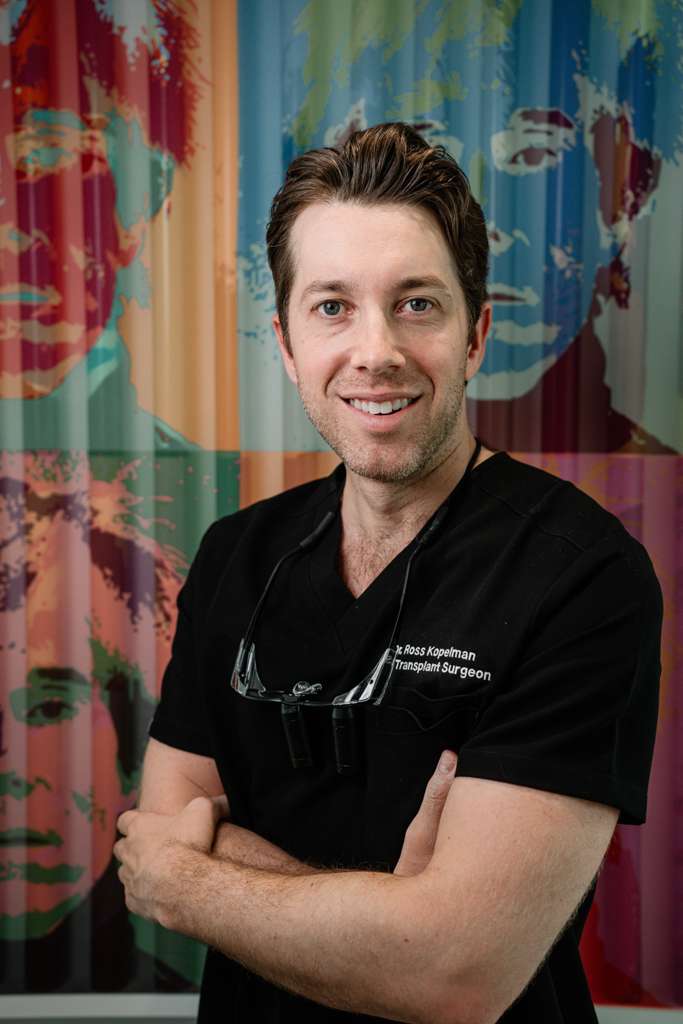
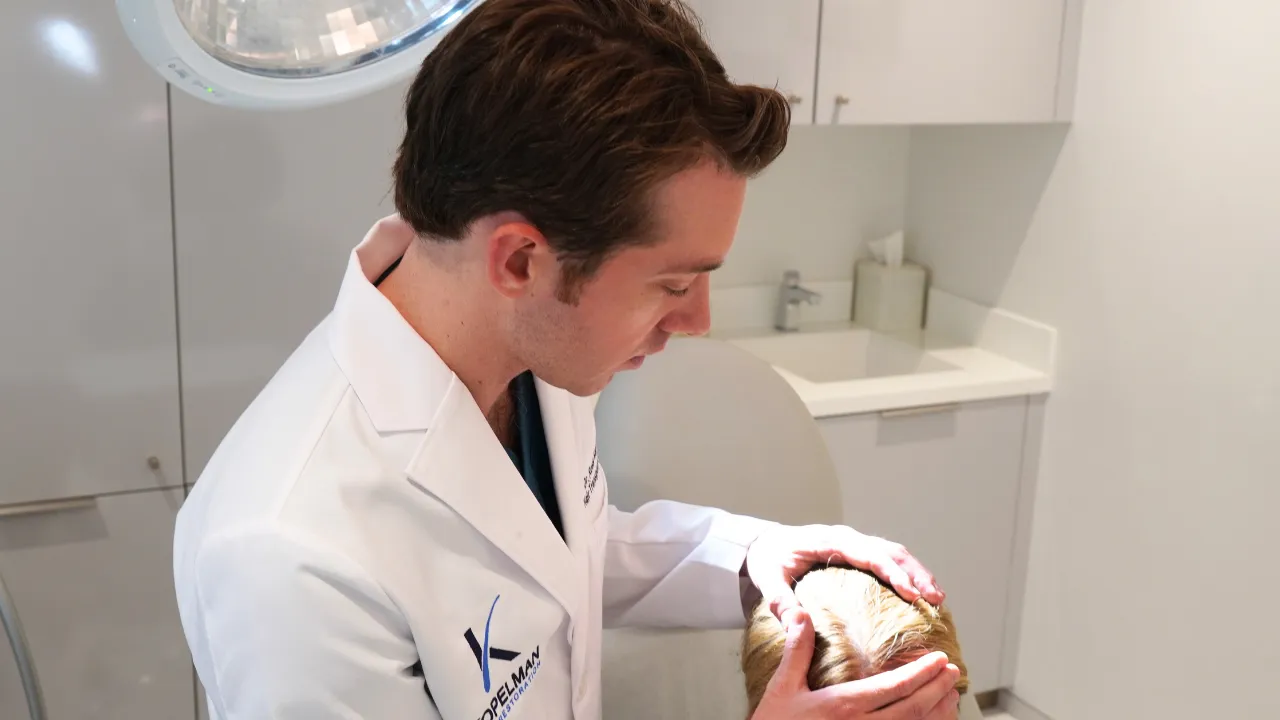
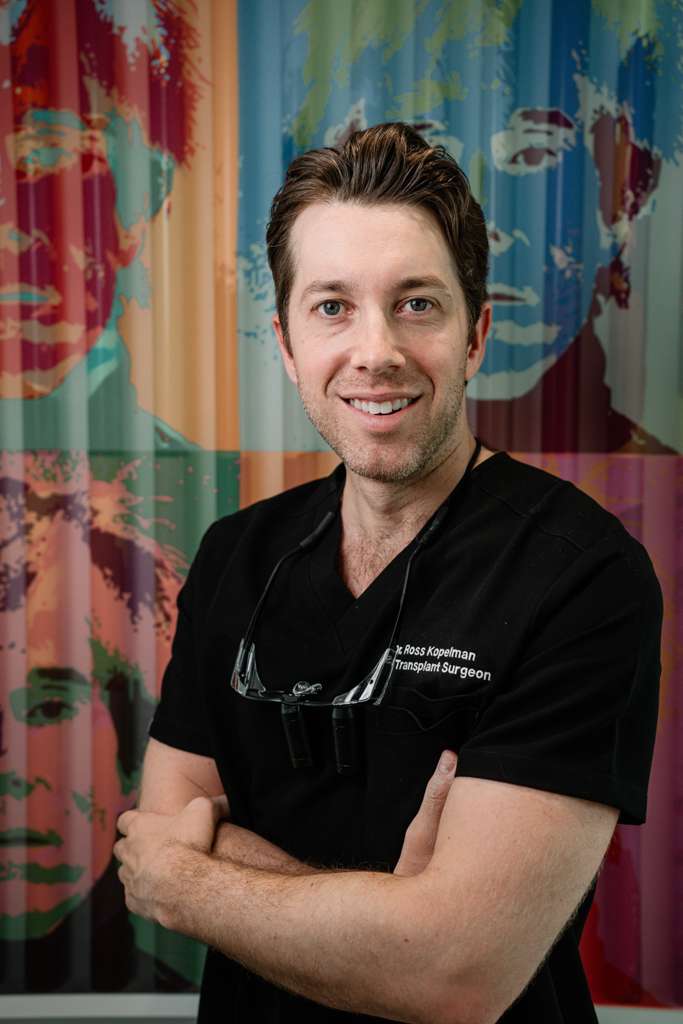
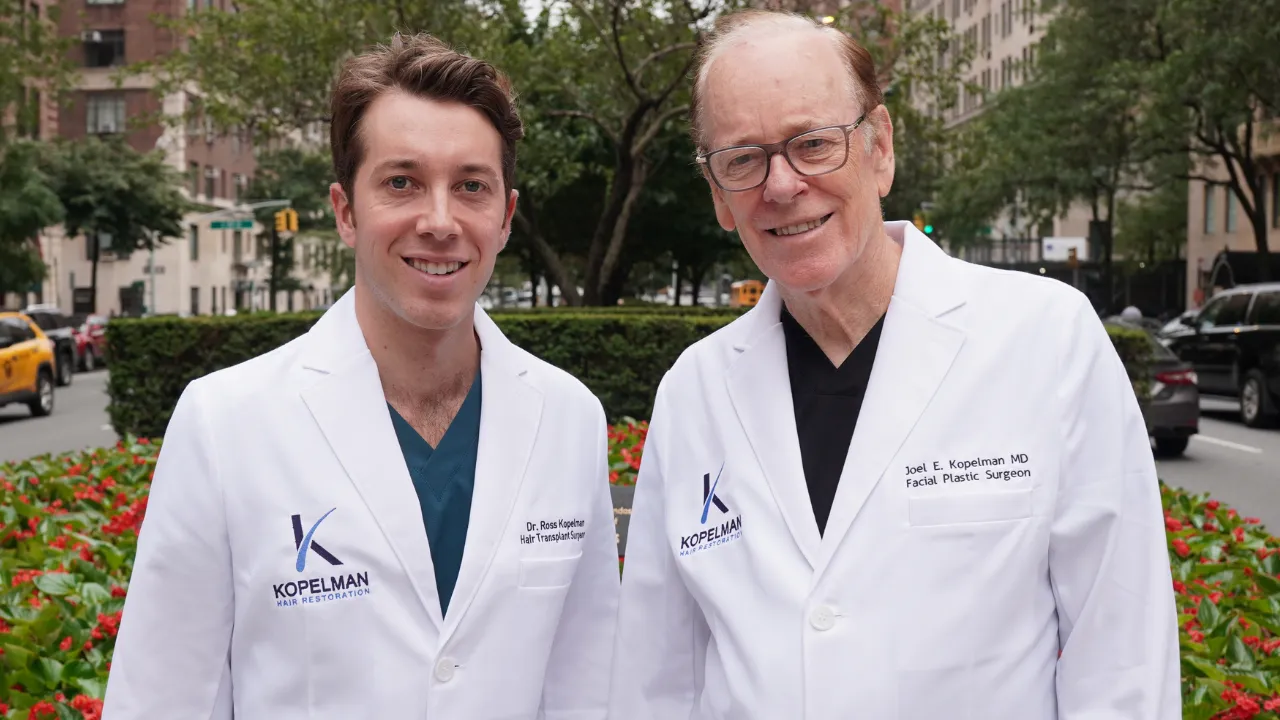
At Kopelman Hair, specialists combine scalp imaging and blood testing to identify root causes, whether nutritional, hormonal, or inflammatory. With these results, Dr. Ross Kopelman develops a precise plan that safely corrects deficiencies while protecting scalp integrity.
Medical evaluation ensures that supplements, diet, and treatments align with your specific physiology, maximizing success and preventing side effects.
How Deficiency Differs in Men and Women
Women are more likely to develop a deficiency because of menstruation and pregnancy, while men tend to lose iron more slowly. Even so, screening can benefit both groups, since lower ferritin has been observed in a meaningful share of men with patterned thinning (Park et al., 2013).
In women, thinning often appears evenly across the scalp, while men typically lose density at the crown or hairline. Iron therapy, paired with supportive nutrition and vitamins, benefits both by reactivating follicles and promoting thicker regrowth over several months.
Correcting a shortfall also supports hormonal balance and energy levels, improving both general health and follicle vitality.
Risks of Taking Iron Without Guidance
Taking iron without professional oversight can cause digestive discomfort or, in severe cases, toxicity. Too much iron stresses the liver, heart, and pancreas, and it can interfere with zinc and copper absorption.
Supplement only under medical supervision, and base any dose on verified blood results rather than symptoms alone. Routine follow-ups and periodic testing keep the process safe while progress continues.
A balanced approach helps avoid complications and gives you the best possible outcome for both scalp health and overall wellness.
Lifestyle Habits That Support Regrowth
Consistent care supports lasting improvement. Small daily habits work alongside supplements to create an optimal environment for growth.
- Eat balanced meals rich in protein, whole grains, and leafy greens.
- Manage stress through physical activity or meditation.
- Stay hydrated and prioritize quality sleep.
- Avoid restrictive diets that lower nutrient intake.
- Take supplements consistently as prescribed.
These habits improve circulation, reduce inflammation, and strengthen follicles from within. Combined with medical treatment, they provide a sustainable foundation for long-term results.
Expert Perspective
Dr. Ross Kopelman notes that a deficiency remains one of the most correctable causes of thinning. Early identification and targeted treatment can prevent chronic loss and help restore confidence.
His approach combines laboratory testing, nutritional balance, and advanced therapies to rebuild scalp vitality. By focusing on cause-based solutions rather than temporary fixes, patients work toward stronger, healthier results that last. The wider Kopelman Hair practice brings more than forty years of combined experience to that work.
Final Thoughts
Correcting a deficiency can transform scalp health, rebuild strength, and restore natural density. When guided by medical expertise and consistent follow-up, using iron for hair growth promotes lasting improvement and helps prevent recurrence.
At Kopelman Hair, individualized treatment, evidence-based care, and continuous monitoring help patients achieve visible, natural results. With the right approach, even long-standing thinning can improve, bringing back resilient growth and renewed confidence.
Medically reviewed by
Dr. Ross Kopelman, Hair Restoration Surgeon. Dr. Kopelman specializes in advanced FUE hair transplantation, natural hairline design, and regenerative therapies. He treats patients in New York City, New Jersey, and Palm Beach, Florida, and offers virtual consultations across the United States.
References
- Park SY, Na SY, Kim JH, Cho S, Lee JH. Iron Plays a Certain Role in Patterned Hair Loss. J Korean Med Sci. 2013;28(6):934-938. Link
- Moeinvaziri M, et al. Iron status in diffuse telogen hair loss among women. Acta Dermatovenerol Croat. 2009. Link
- Stoffel NU, et al. Iron absorption from oral iron supplements given on consecutive versus alternate days. Lancet Haematol. 2017. Link