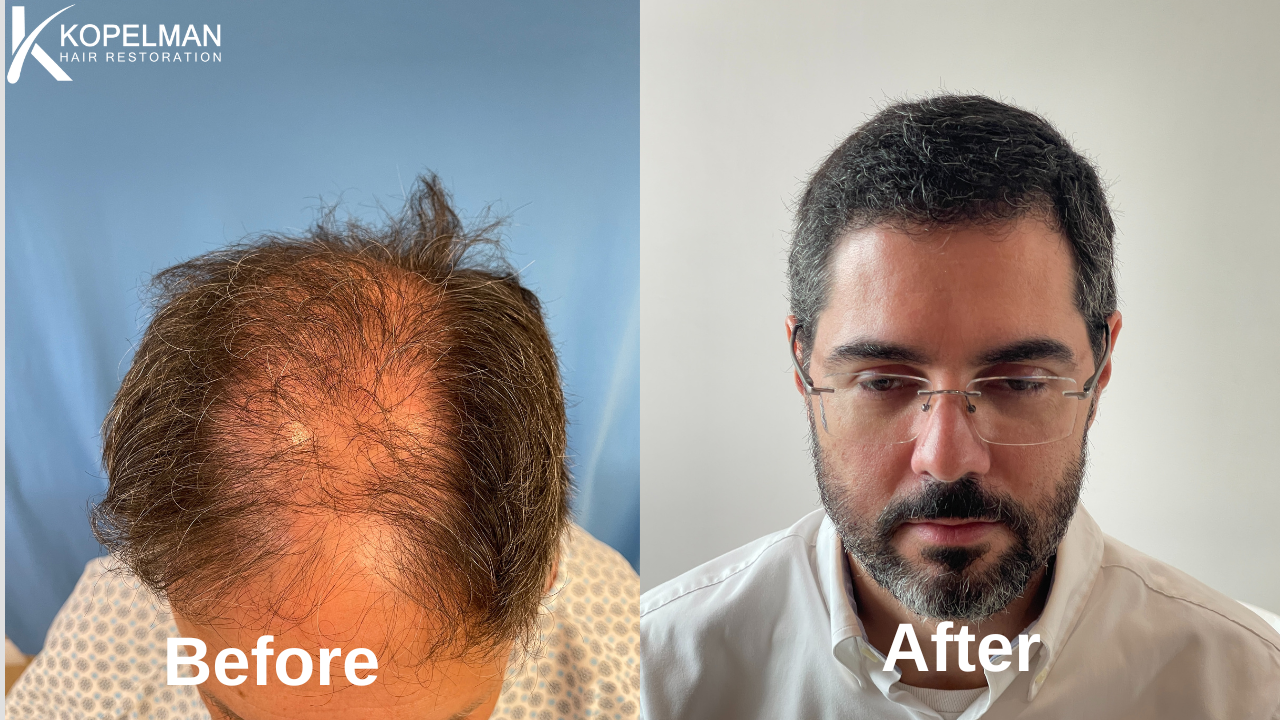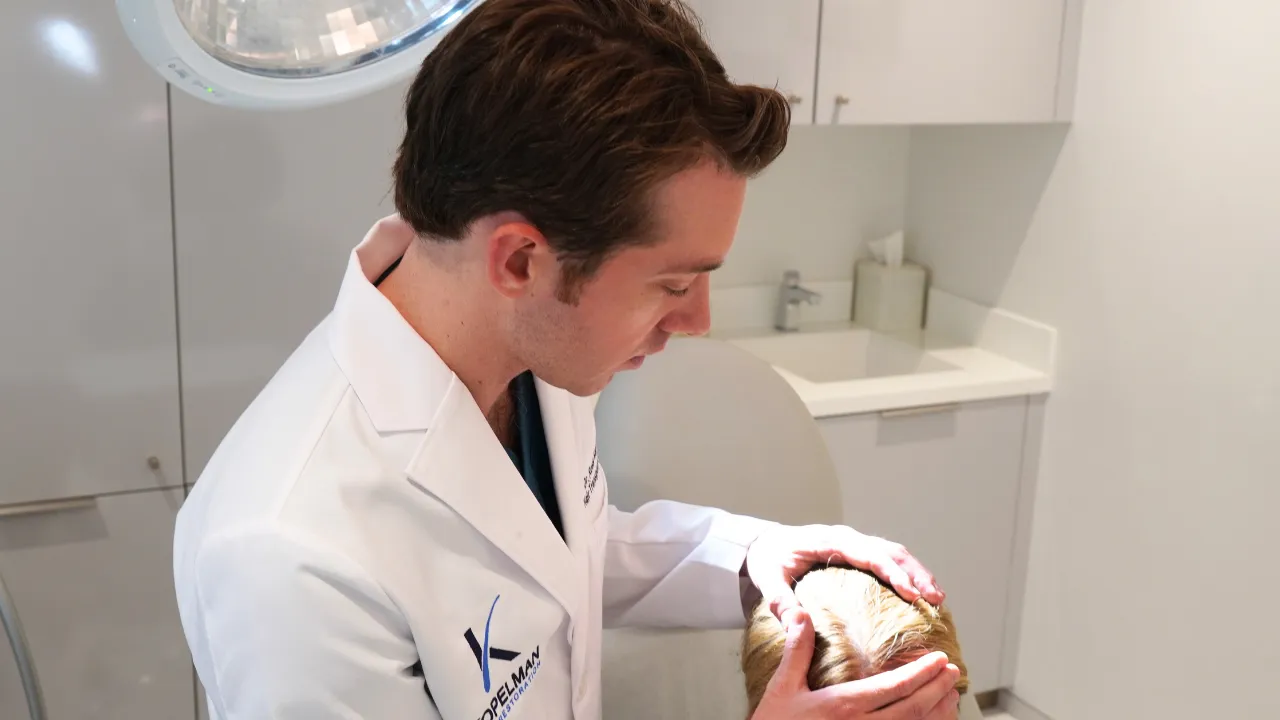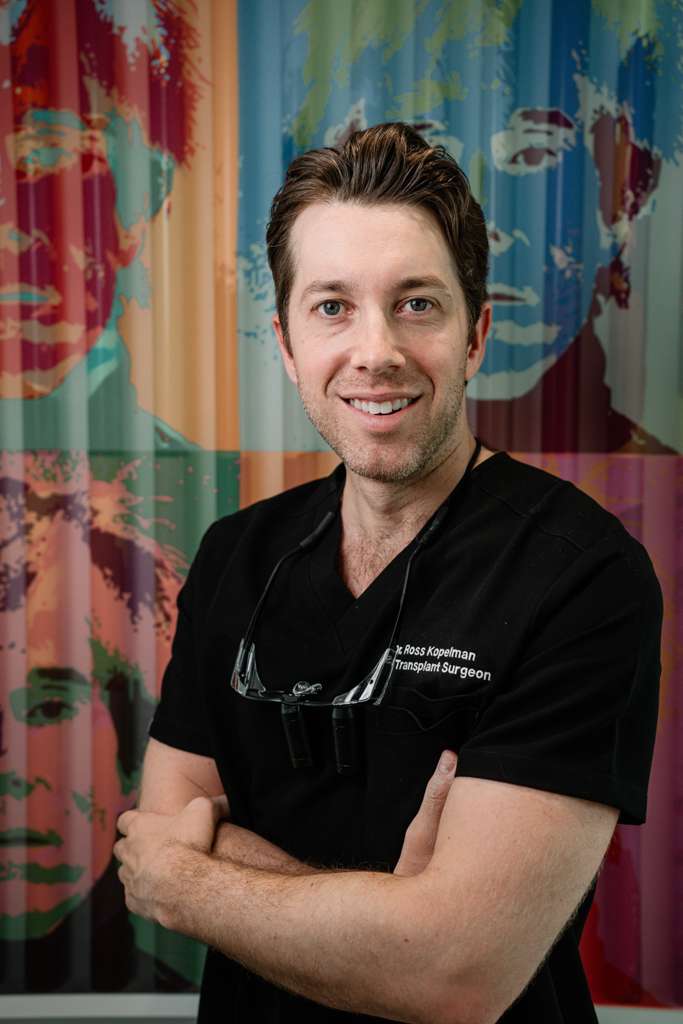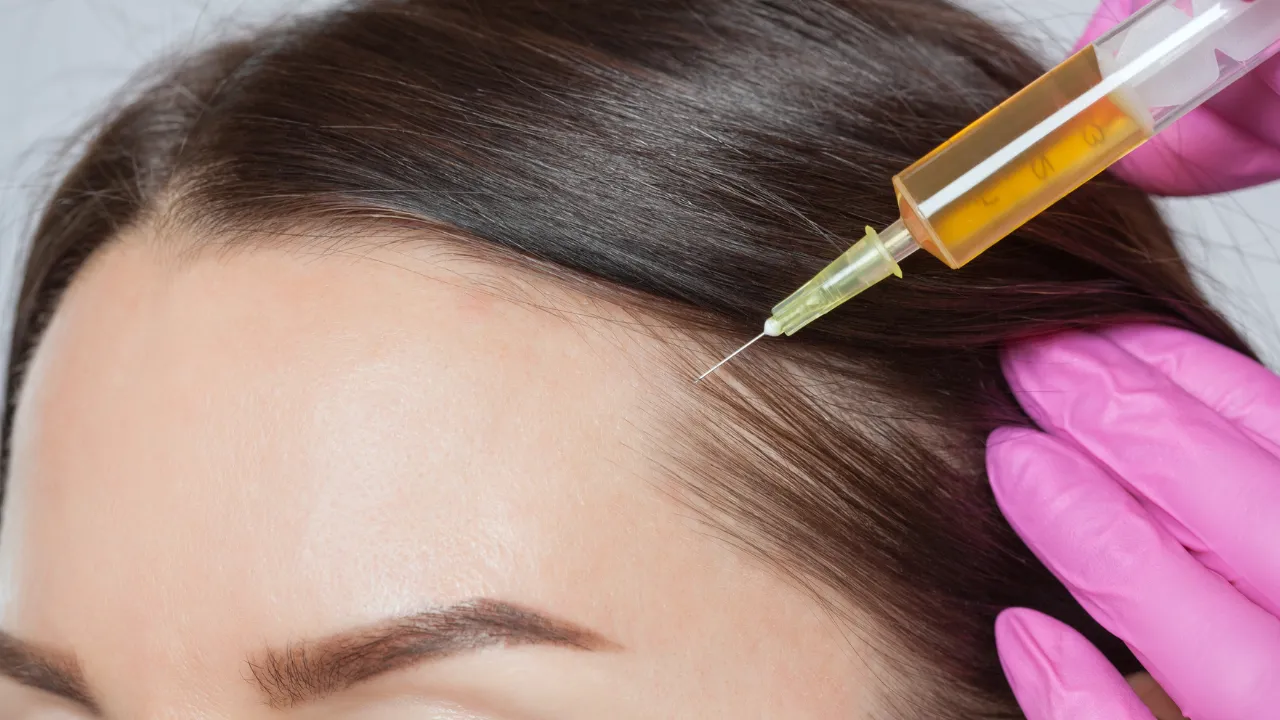

At Kopelman Hair, recovery is treated as a critical phase that directly affects final results. Dr. Joel E. Kopelman emphasizes that proper post-op care helps protect each graft and supports natural-looking growth over time.
A structured follow-up plan ensures healing progresses as expected and reduces the risk of complications.
Key Takeaways
- The first 7 to 10 days after eyebrow transplants are critical for graft stability, and patients must avoid rubbing, pressure, sweating, and the use of unapproved products.
- Swelling and scabbing are normal in the first week, and temporary shedding of transplanted hairs often occurs between weeks 2 and 4 during eyebrow transplant recovery.
- Hair grafts become much more secure after the first week, and the risk of movement is very low after two weeks with normal activity.
- Signs of infection include increasing redness, warmth, pus, severe pain, or fever, and these require prompt medical care.
- New hair growth often begins between months 2 and 3, and full results may take up to one year.
Eyebrow Transplant Post-Op Instructions
Eyebrow transplant surgery is a type of hair restoration that places hair follicles into the brow. Many clinics use Follicular Unit Extraction (FUE) to remove and place small hair grafts with precision. Knowing how the surgery works helps patients follow proper postoperative instructions. Good early care helps protect the new grafts.
First 48 Hours Care
The first 48 hours are very important. The transplanted hair follicles are still fragile. Do not touch or rub the eyebrow area during this time.
Mild swelling and redness are common. These signs often peak within two to three days. Keep the area dry unless your surgeon provides otherwise. Avoid heat, tight hats, or pressure on the brows.
Dr. Kopelman explains that hair follicles require time to establish a blood supply. This step is part of the healing process. Careful behavior lowers the risk of graft movement.
Early Aftercare Checklist
During the first two days, simple rules help prevent problems. Hair grafts are at greatest risk in this early stage. Follow these steps closely.
- Keep the brow area dry unless told otherwise
- Avoid bending forward for long periods
- Do not touch or scratch the grafts
- Sleep with your head raised
These steps protect transplanted hairs during the first 72 hours. Care in this window supports long-term stability.
When and How to Wash
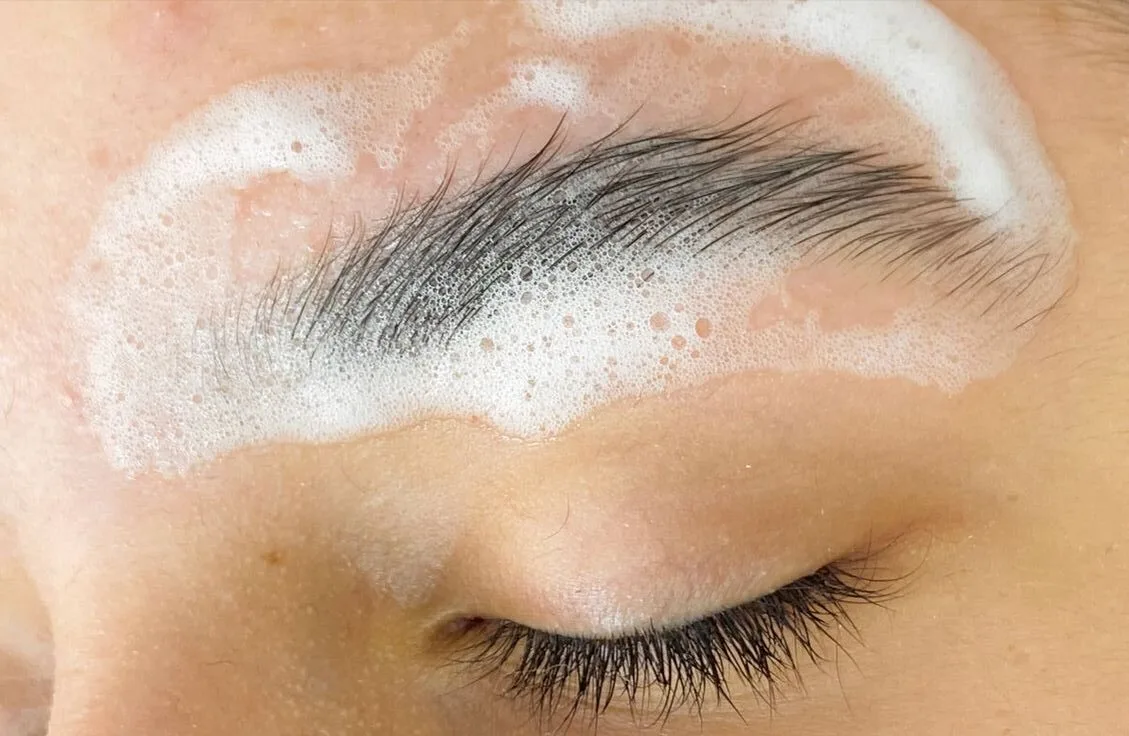
Gentle washing often starts around day three or four. Use lukewarm water and avoid strong water pressure on the eyebrow area. Pat the skin gently instead of rubbing.
Many patients ask when they can wash their faces. In most cases, you can wash your face carefully while avoiding the graft sites. Saline spray may be used if recommended. Normal washing usually returns after 10 to 14 days.
Eyebrow Transplant Recovery Day by Day
Days 1 – 7 Healing Phase
Swelling, redness, and small crusts are common during the first week. Crusts protect the hair follicles and should not be picked. Gentle cleaning facilitates independent fall-off.
Most symptoms improve after day three. Many men and women resume light daily tasks during this period. Redness often fades within one to two weeks.
Weeks 2 – 4 Shedding Phase
Temporary shedding often happens between weeks two and four. This stage affects the transplanted hairs but not the hair follicles. The follicles stay in place under the skin.
Shedding is a normal part of eyebrow transplant recovery. After shedding, the body prepares for new hairs to grow from the transplanted hair follicles. This stage can feel slow, but it is expected.
Months 2 – 6 Regrowth
New hair often appears between months two and three. Early growth may look thin or uneven across the eyebrow area. This is normal during early regrowth.
Hair becomes thicker over time. It takes several months for the transplanted hairs to grow in a steady pattern. Full results may take up to one year.
For many patients dealing with hair loss, this gradual improvement supports long-term change. Patience is part of the process.
Activity and Lifestyle Restrictions
Avoid hard exercise for 10 to 14 days. Heavy sweating may irritate the grafts and slow healing. Avoid pools and hot tubs for at least two weeks.
Limit sun exposure to the eyebrow area during early healing. Light walking is usually safe within a few days. Ask your surgeon before returning to intense workouts.
Do not apply makeup to the brow area for one to two weeks. Early use may introduce bacteria or irritate hair follicles. Following postoperative instructions helps protect the results.
Normal Healing vs. Complications
Expected Symptoms
Redness, mild swelling, and crusting are common after eyebrow hair transplant. These signs usually improve within one to two weeks. Mild numbness may also occur and fade over time.
In clinical practice, swelling often peaks within three days. Gradual improvement is a sign of normal healing. The healing process should move forward each day.
Signs of Infection
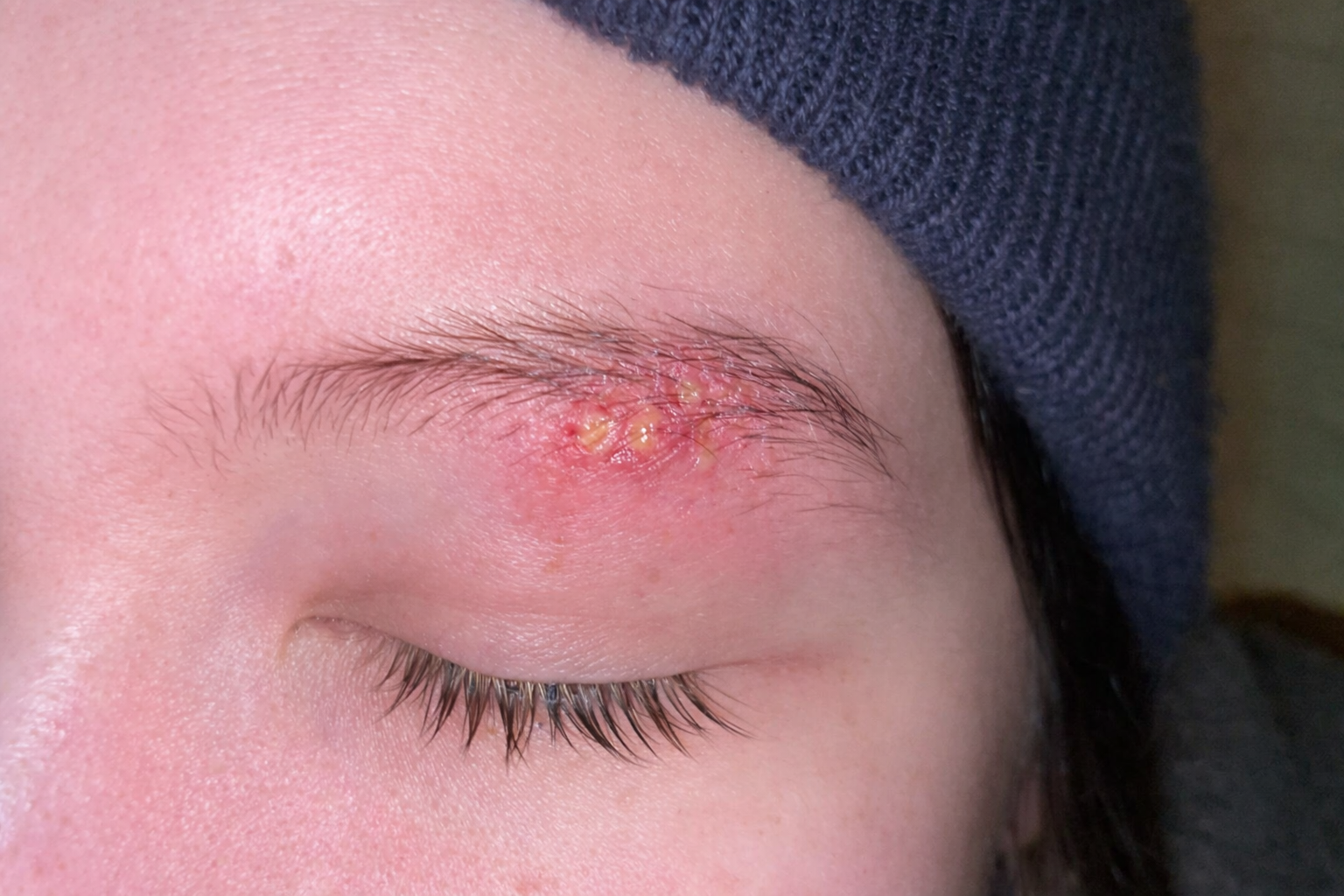
Watch for growing redness, warmth, pus, severe pain, or fever. These signs are different from mild irritation. They may signal infection.
Seek medical care if symptoms worsen instead of improving. Early treatment protects hair grafts and transplanted hairs.
Common Patient Concerns
Some patients think they removed a graft while washing. In most cases, what falls out is only a shed hair shaft. True graft loss is rare after the first week.
Uneven early growth is also normal. Hair follicles do not grow at the same speed. Over time, more hairs will enter the active phase, and the brow will look fuller.
Long-Term Growth and Results
Transplanted hair follicles are usually permanent because they come from stable donor areas used in hair transplants. Once growth starts, the hair follows a normal cycle. Density builds slowly over several months.
An eyebrow hair transplant can offer a permanent solution for brow hair loss. Still, realistic expectations are important. Eyebrow transplant recovery continues inside the skin even after it looks healed.
Protect the eyebrow area and adhere to all postoperative instructions. Careful habits support long-term results within a complete hair restoration plan.
If you have questions about your healing, schedule a visit for guidance. Dr. Kopelman can assess your recovery and address any concerns about transplanted hairs or growth.