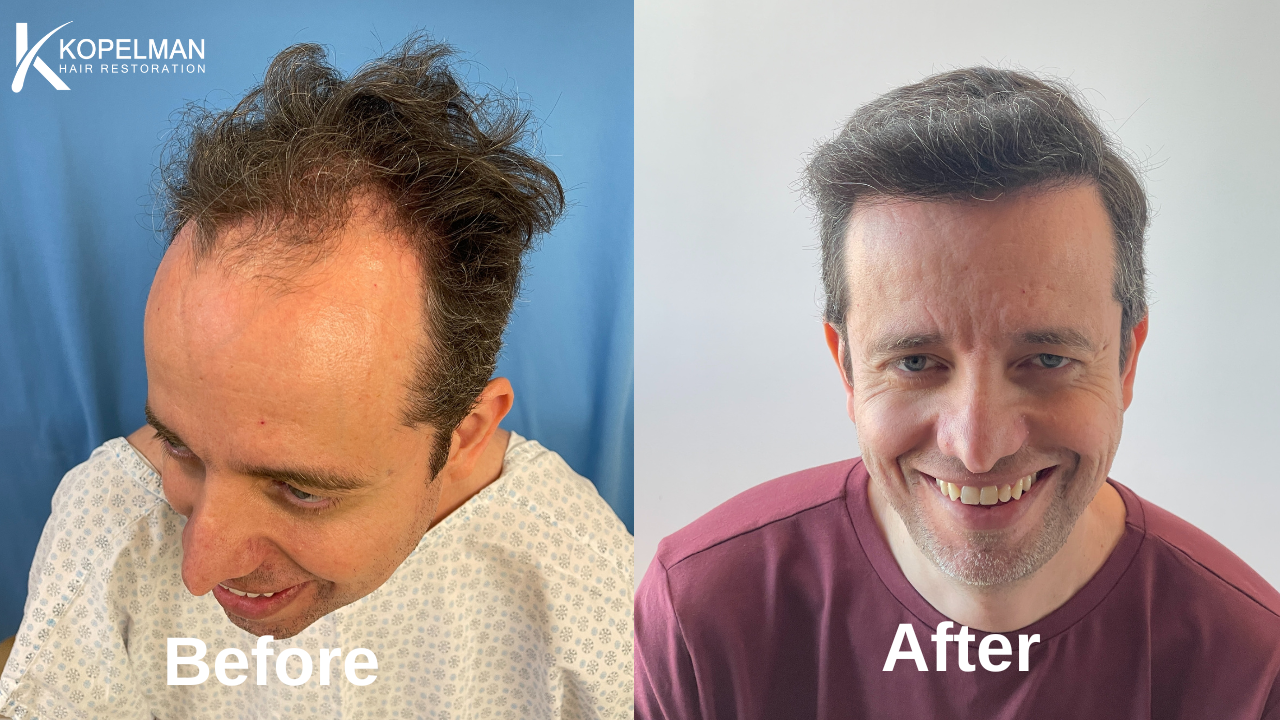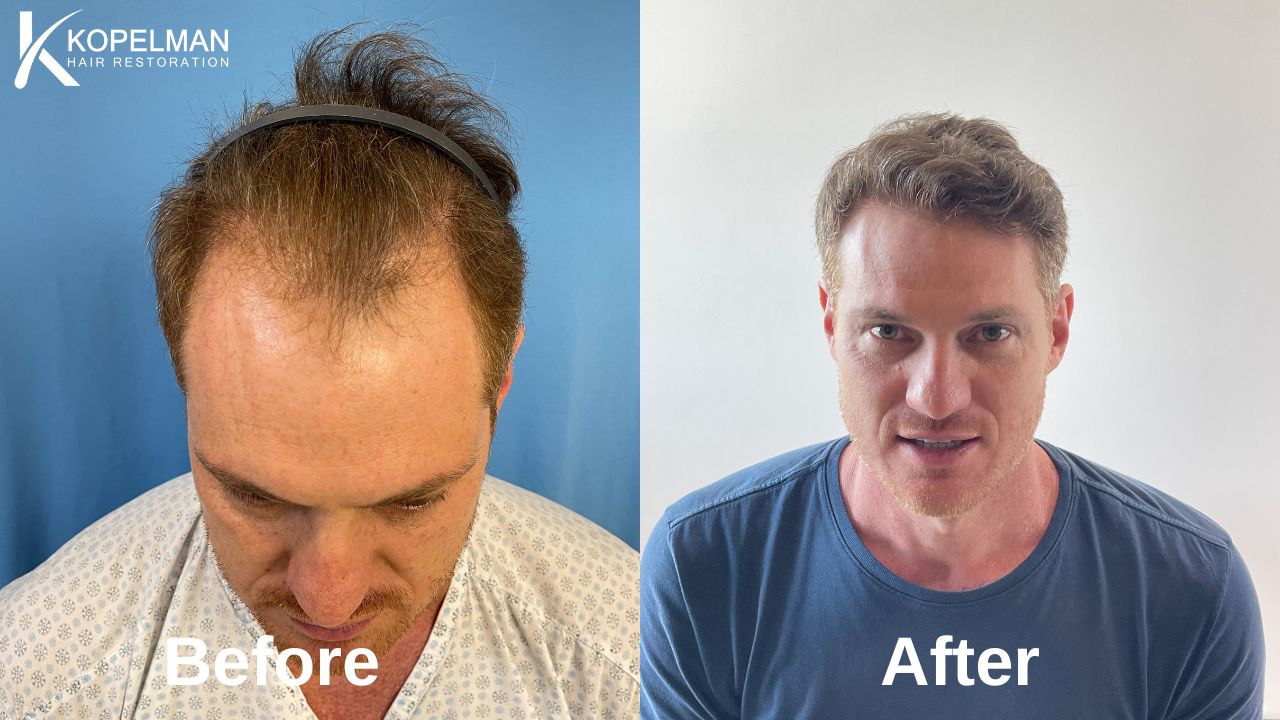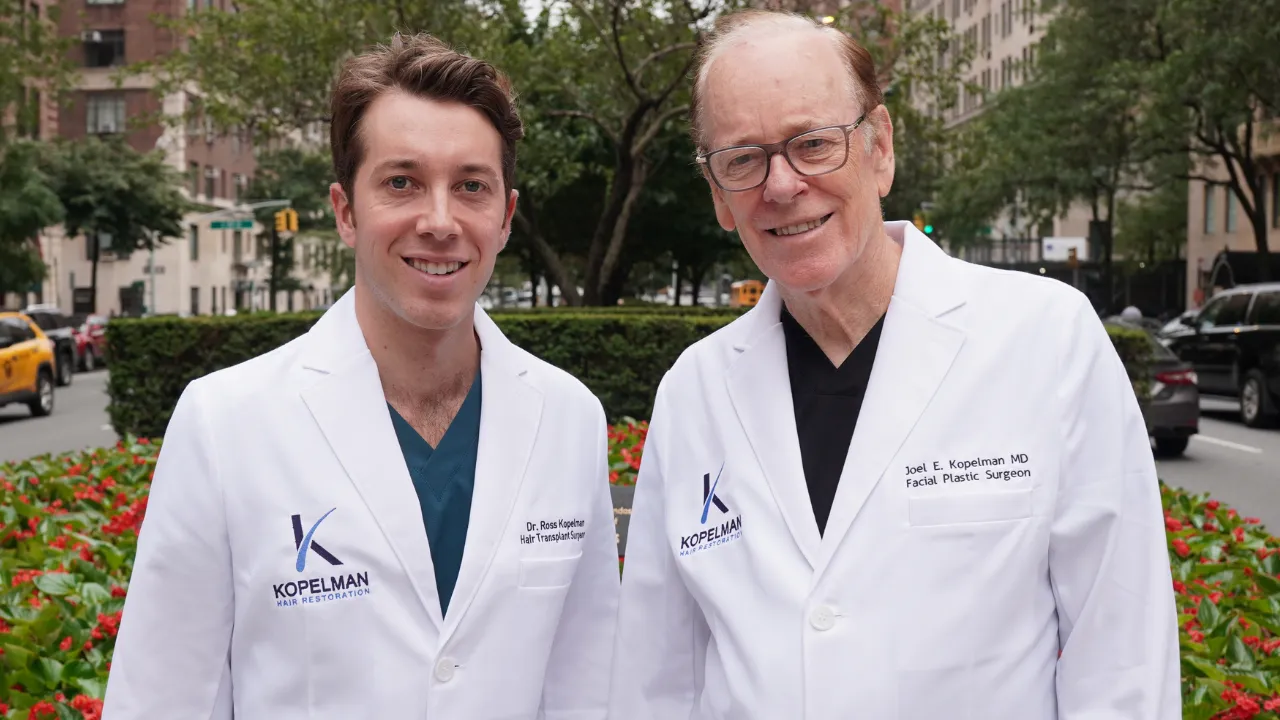

For a more precise evaluation, clinics like Kopelman Hair, led by Dr. Kopelman, assess factors such as grooming habits, hormonal changes, and underlying skin conditions that can affect one eyebrow differently.
This type of medical review helps distinguish between temporary thinning and conditions that require targeted treatment. Based on the findings, the plan can range from simple routine adjustments to more advanced options focused on restoring natural eyebrow density.
Key Takeaways
- Eyebrow hair loss on one side often occurs when hair follicles stop producing hair due to inflammation, stress, skin conditions, or autoimmune disorders such as alopecia areata.
- Several health factors can contribute to eyebrow loss, including hormone imbalances, thyroid disorders, nutrient deficiencies, seborrheic dermatitis, and stress-related telogen effluvium.
- Doctors diagnose the cause through a physical exam and may use blood tests or skin biopsies to identify underlying medical conditions affecting hair growth.
- Treatment depends on the cause and may include medical therapies, lifestyle adjustments, hair regrowth treatments, or procedures such as an eyebrow transplant when hair loss becomes permanent.
Why Am I Losing Hair in Only One Eyebrow?
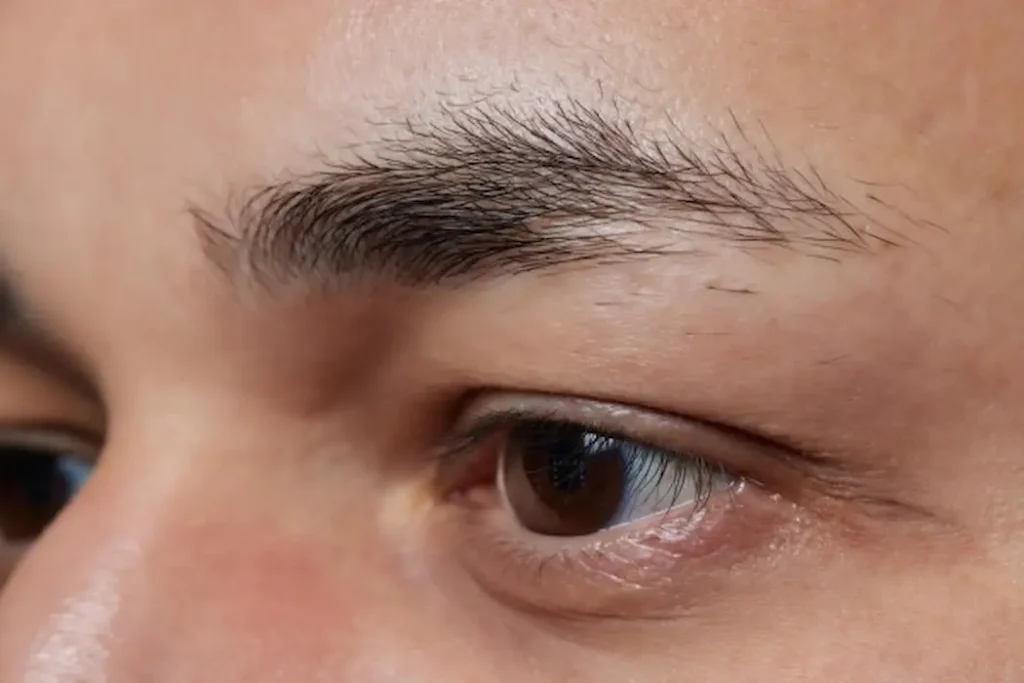
Hair loss in one eyebrow often happens when hair follicles stop working in a small area. Patients may notice sudden eyebrow thinning or small patches of hair loss. This pattern can come from skin irritation, stress, or certain medical conditions.
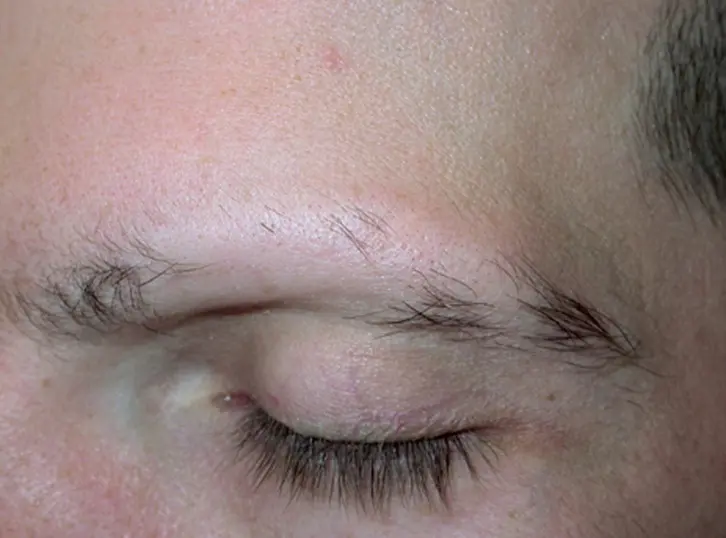
Hair grows in cycles that include growth, rest, and shedding. When something disrupts this cycle, the follicle may stop producing hair in that area.
Loss of lateral eyebrows explained
The loss of lateral eyebrows refers to thinning in the outer portion of the brow. Doctors sometimes associate this pattern with thyroid problems or hormone imbalances. It may also appear with certain autoimmune disorders.
Recognizing this pattern helps doctors investigate the underlying health condition and guide treatment.
Common Causes of Eyebrow Hair Loss
Many factors can cause loss of eyebrow hair. These causes may include autoimmune disease, skin inflammation, stress, or poor nutrition. Doctors study these causes carefully because the correct diagnosis determines the best treatment options.
Hair loss can result from both medical and lifestyle causes that affect the follicle and disrupt normal hair growth.
Causes of madarosis
Madarosis is the medical term for eyebrow or eyelash loss. The causes of madarosis often involve inflammation, infection, trauma, or autoimmune activity.
Doctors typically evaluate several possible causes, including:
- Autoimmune disease affecting hair follicles
- Chronic skin conditions that inflame the brow
- Certain medication side effects
- Long-term irritation or infection
Identifying the cause helps doctors determine whether hair loss is reversible.
Alopecia areata
Alopecia areata is an autoimmune disease that attacks hair follicles and belongs to a broader group of types of alopecia. It often causes sudden patches of hair thinning in the scalp or eyebrows.
The condition may affect one eyebrow more than the other. In many cases, hair grows back after treatment.
Seborrheic dermatitis
Seborrheic dermatitis is a common inflammatory skin condition that may contribute to irritation linked with inflammation and hair loss. It often affects oily areas of the body such as the scalp and eyebrows.
Patients may notice redness, flaking, or irritation around the brow. Treating inflammation often improves hair regrowth.
Hormone imbalances and thyroid disorders
Hormone imbalances can disrupt the normal hair cycle and are frequently associated with hair loss due to hormones. Thyroid disease, for example, may lead to loss of lateral eyebrows and generalized hair thinning.
Hormonal changes may occur during menopause, pregnancy, or endocrine disorders. Treating the hormonal imbalance often improves hair growth.
Nutrient deficiencies
Hair follicles depend on good nutrition to function normally. Nutrient deficiencies in iron, zinc, or vitamins may weaken the follicle and lead to losing hair.
Poor nutrition may cause both scalp hair loss and eyebrow thinning. Restoring nutrient balance often supports hair growth.
Stress and telogen effluvium
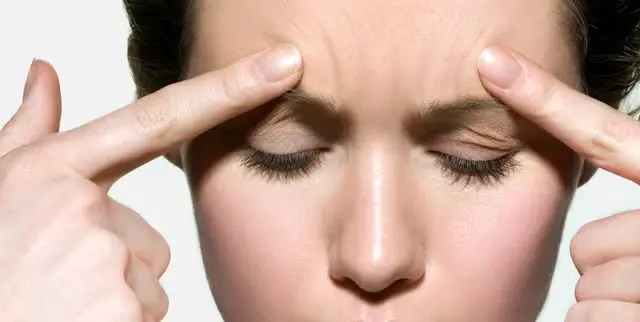
Telogen effluvium occurs when stress disrupts the hair growth cycle, a condition often discussed in the context of stress alopecia treatment. Many follicles enter the resting phase simultaneously, leading to noticeable shedding.
This condition may follow illness, emotional stress, surgery, or hormonal changes. Hair usually grows back once the body recovers.
Over-plucking or trauma
Frequent grooming practices may damage hair follicles. Repeated tweezing, waxing, or threading may lead to eyebrow thinning over time.
If the follicle remains healthy, hair may grow back once irritation stops.
Medication side effects
Some medications affect the hair growth cycle. These side effects may cause temporary eyebrow loss or scalp thinning.
Doctors review medication history when patients report unexplained loss of eyebrow hair.
Symptoms Associated With Eyebrow Hair Loss
Early symptoms can help doctors identify the cause of eyebrow loss. Patients often notice uneven brows or gradual hair thinning before complete hair loss appears.
Some people also experience irritation or redness in the skin around the brow.
Patchy eyebrow thinning
Patchy hair thinning often develops gradually and may resemble patterns seen in bald head patches. Small areas may lose density before full hair loss occurs.
Dermatologists analyze the pattern to determine the underlying condition.
Loss of eyelashes
Some patients experience loss of eyelashes along with eyebrow thinning. This pattern may appear in autoimmune disease or inflammatory skin disorders.
Doctors examine both areas during diagnosis.
Skin irritation or redness
Certain skin conditions cause redness, itching, or scaling around the brows. Inflammation around the follicle may weaken hair growth.
Treating the irritation often improves follicle health.
How Doctors Diagnose Eyebrow Hair Loss
Doctors begin with a complete medical evaluation. They examine the hair pattern, skin health, and patient history.
Dr. Kopelman explains that identifying the cause is the most important step before selecting treatment.
Physical examination
During a physical exam, doctors evaluate hair density and skin condition. They also check the scalp to look for signs of inflammation or autoimmune disease.
This exam helps identify patterns of hair thinning.
Blood tests
Blood tests help doctors detect underlying medical conditions affecting hair growth. They may evaluate hormone levels, nutrition, and thyroid function.
Common tests include:
- Thyroid hormone testing
- Iron level testing
- Vitamin level evaluation
- Hormone screening
These results help guide treatment.
Skin biopsy
In rare cases, doctors perform a skin biopsy. This test examines the follicle under a microscope.
It may help diagnose disorders such as frontal fibrosing alopecia.
Eyebrow Hair Loss on One Side: Treatment Options
Treatment depends on the cause of the hair loss and the condition of the follicles. Some patients respond well to medication, while others may require restoration procedures.
At Kopelman Hair, specialists create individualized care plans to support healthy hair growth.
Medical treatments for madarosis
Doctors often begin with treatments that reduce inflammation or control immune activity. Some medications used for hair disorders are FDA-approved.
These treatments may include topical medications that stimulate hair growth or reduce inflammation.
Hair regrowth therapies
Hair regrowth therapies aim to restore follicle function. They work best when follicles remain alive but inactive.
Doctors may recommend therapies such as:
- Topical hair growth stimulants
- Nutritional support for follicle health
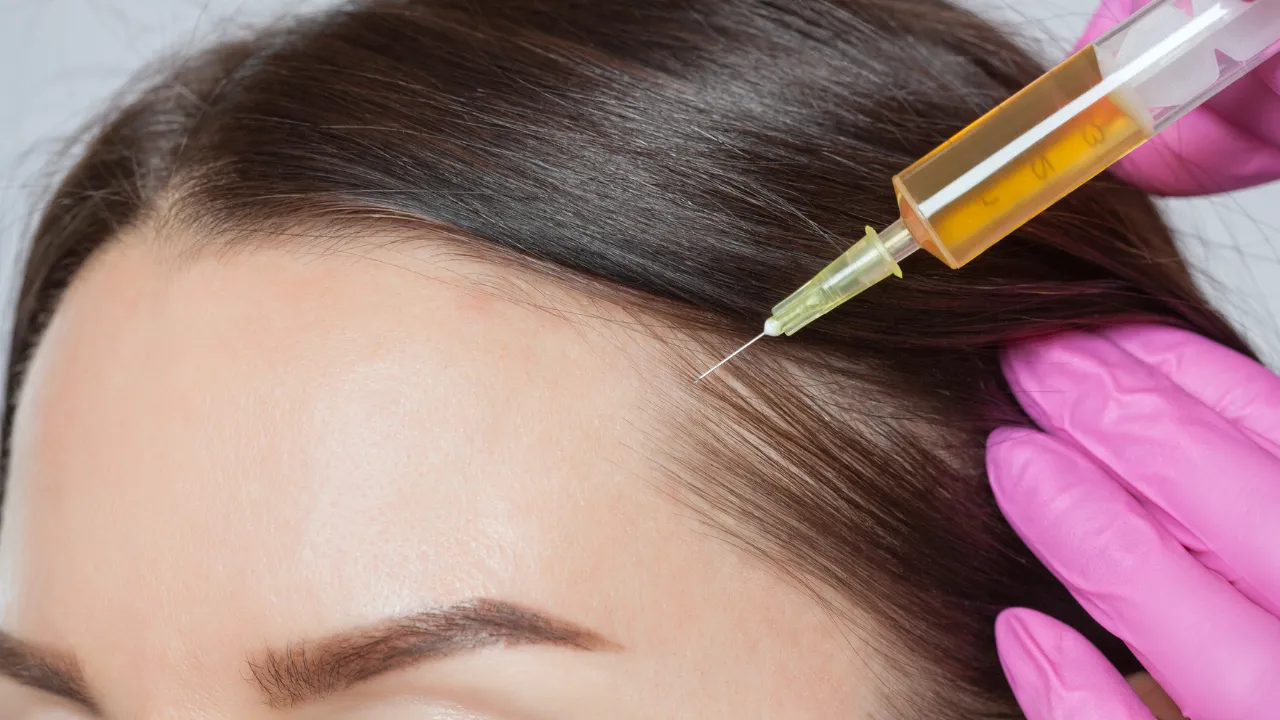
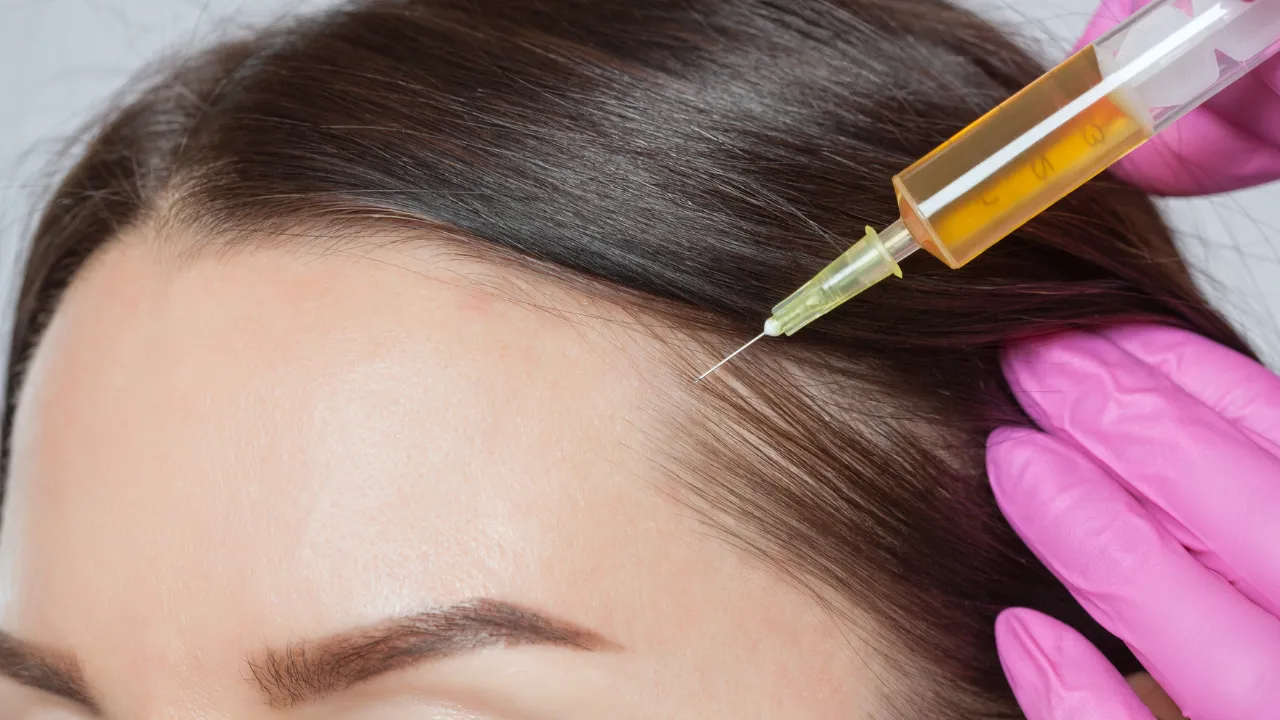
- Platelet-based regenerative treatments
These therapies support natural hair recovery.
Eyebrow transplant procedures
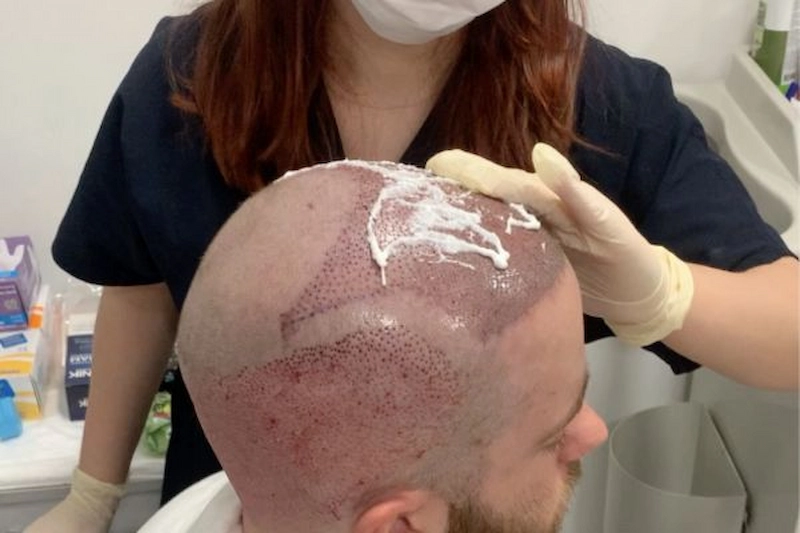
When follicles no longer produce hair, surgical restoration may help. Hair transplantation moves healthy follicles from the scalp into the eyebrow.
Benefits of an eyebrow transplant include:
- Natural hair direction
- Long-term hair growth
- Improved eyebrow shape
This procedure can restore natural-looking brows.
Losing Eyebrow Hair in Men and Women
Eyebrow loss can affect both men and women. Hormonal changes, grooming habits, and health factors influence hair growth patterns.
Doctors evaluate each patient individually to determine the cause.
Losing eyebrow hair male
Men who are losing eyebrow hair may also notice scalp thinning. Inflammatory or autoimmune conditions often contribute to this pattern.
Early treatment improves the chance of recovery.
Losing eyebrow hair female
Women who are losing eyebrow hair may notice changes during menopause or due to hormonal shifts. Cosmetic grooming may also affect follicles.
Treating the underlying cause often improves hair regrowth.
Can Eyebrow Hair Loss Grow Back?
Yes, in many cases, follicles recover once the cause is treated.
Healthy follicles can resume normal hair growth.
Temporary versus permanent loss
Temporary hair loss occurs when follicles stop growing hair but remain alive. Permanent loss occurs when scarring damages the follicle.
Doctors determine the difference during diagnosis.
Hair regrowth timeline
Hair regrowth usually begins several months after treatment starts. Small hairs appear first and grow slowly over time.
If follicles are permanently damaged, procedures such as hair transplantation or eyebrow transplant may restore natural eyebrow density.
If you are noticing eyebrow hair loss on one side and want to understand the cause or explore treatment options, schedule a consultation with the specialists at Kopelman Hair.
A personalized evaluation can help identify the underlying issue and guide you toward the most effective solution for restoring natural eyebrow growth.