
What Is a Beard Transplant?
A beard transplant, also described as a facial hair transplant, relocates hair follicles from one part of the body to the face to create a fuller beard.
The transplanted hair follicles continue to grow in their new location, so the added density is permanent once the follicles have established a blood supply.
For men who have difficulty growing facial hair in certain zones, beard restoration offers a way to address patchiness, scarring, or genetically thin areas.
The approach mirrors scalp hair restoration but requires different planning, as beard hair grows at varying angles and densities.
Several terms describe the same general procedure. Beard implants, facial hair implants, and beard implantation all refer to placing donor hair into the beard area, while older phrases such as facial hair plugs and facial hair graft reflect earlier techniques.
Modern surgery transfers individual follicular units rather than large plugs, which produces a more natural pattern. A single facial hair implant is simply one transplanted follicular unit positioned to match the surrounding growth.
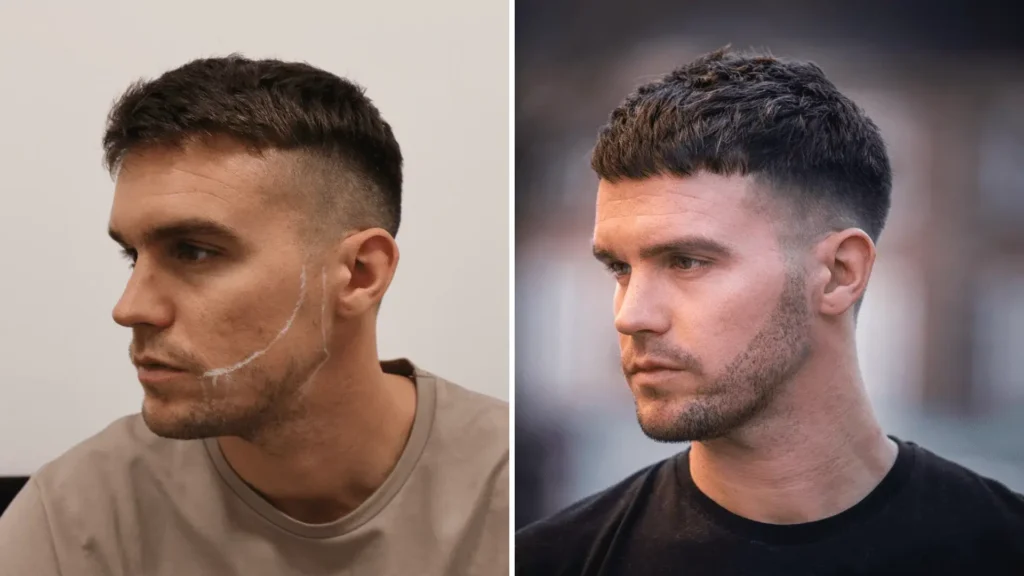
So how do beard transplants work in practice? A surgeon removes follicles from a donor site, usually the back of the scalp, then places them into small incisions across the beard region.
A common question is whether you can get a beard transplant when facial hair is only mildly thin, and the answer depends on donor supply and goals, not current beard density alone.
A hair transplant for beard enhancement, sometimes called a beard hair transplant, is therefore planned individually, with the surgeon estimating how many follicles are available and how many the desired result requires.
Who Is a Good Candidate?
Good candidates for the procedure typically have stable donor hair on the scalp and realistic expectations about density.
Candidates for a beard procedure are evaluated for donor supply, skin health, and the pattern of existing growth during an initial consultation.
Age matters less than donor quality, since the follicles used are generally resistant to the hormonal changes that cause scalp hair to thin over time.
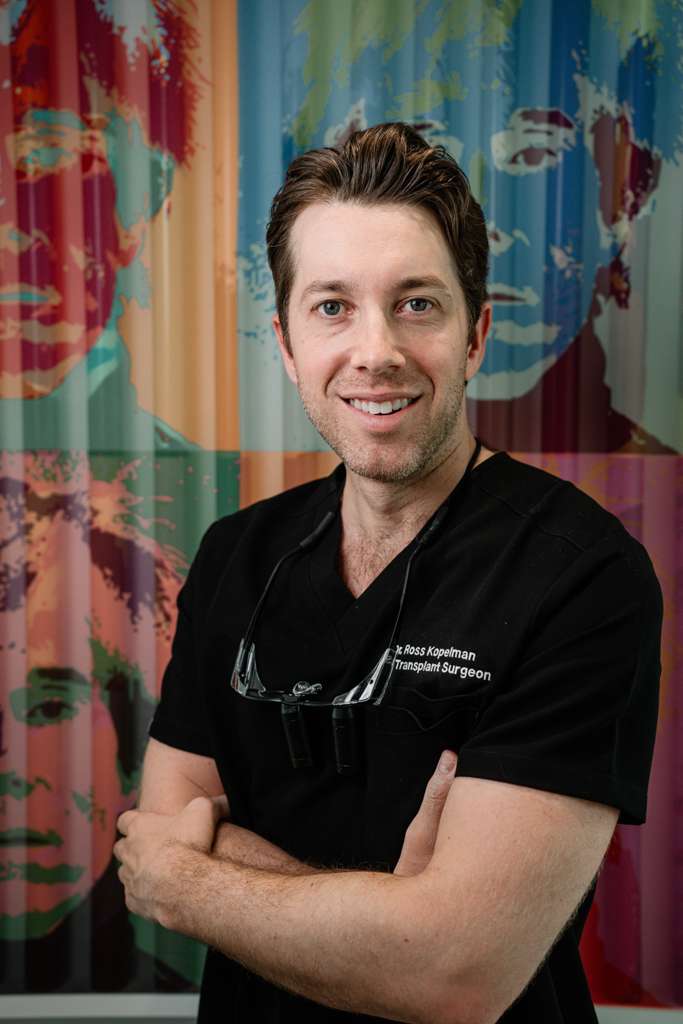
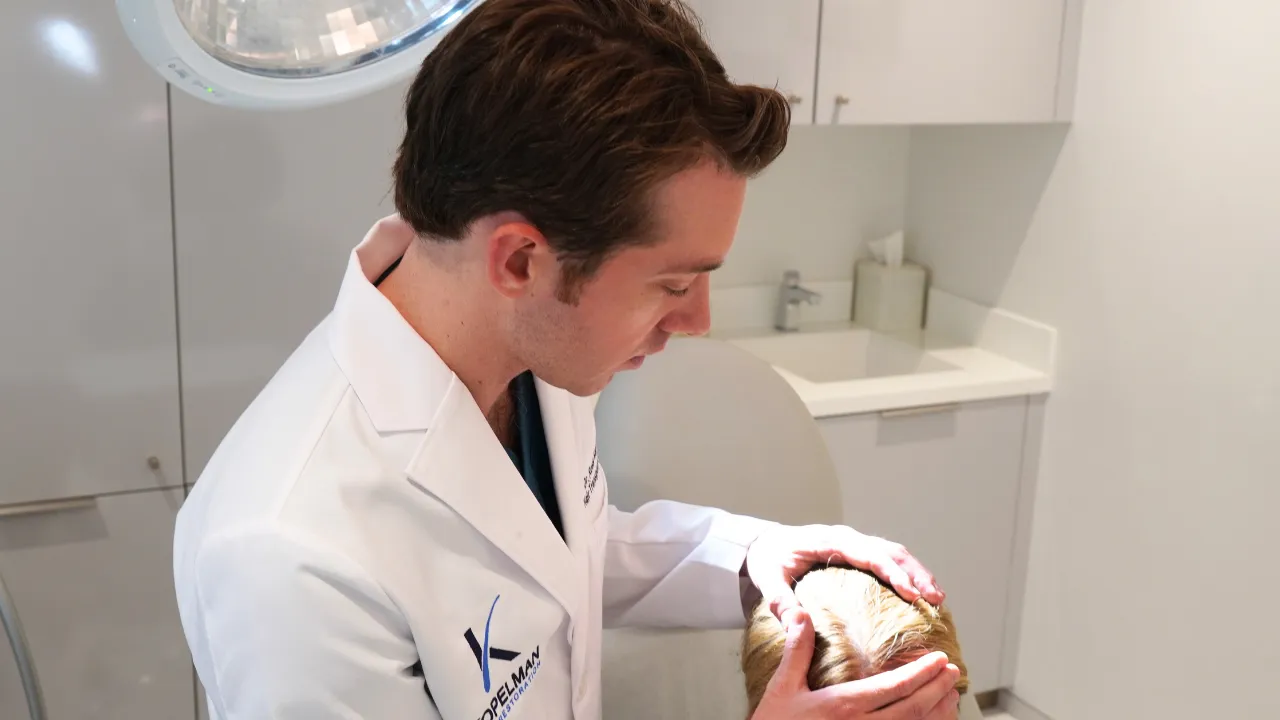
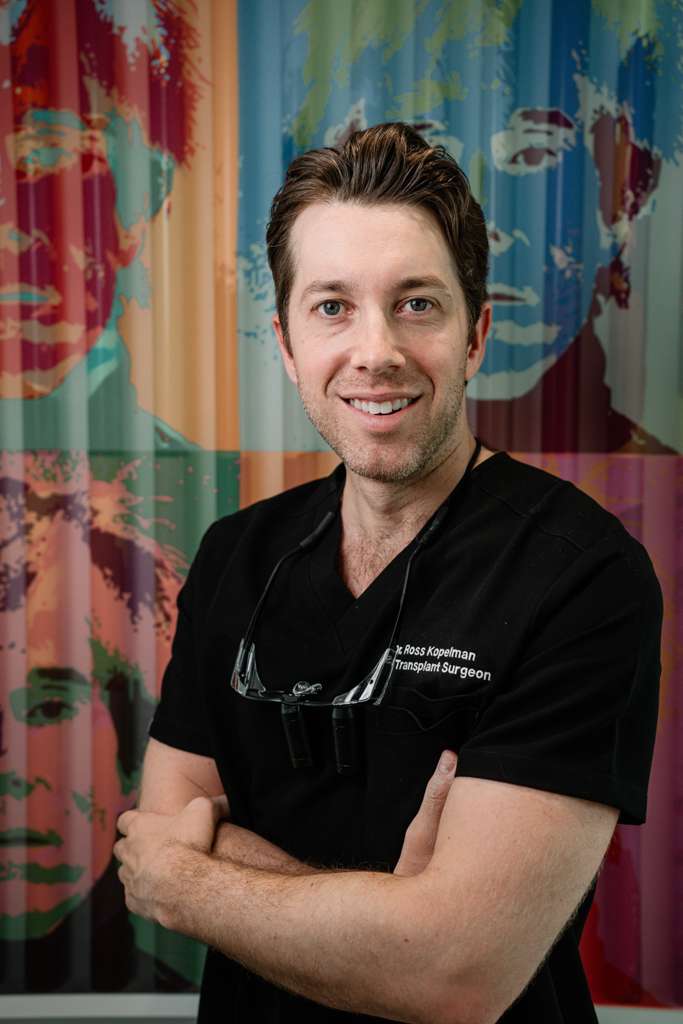
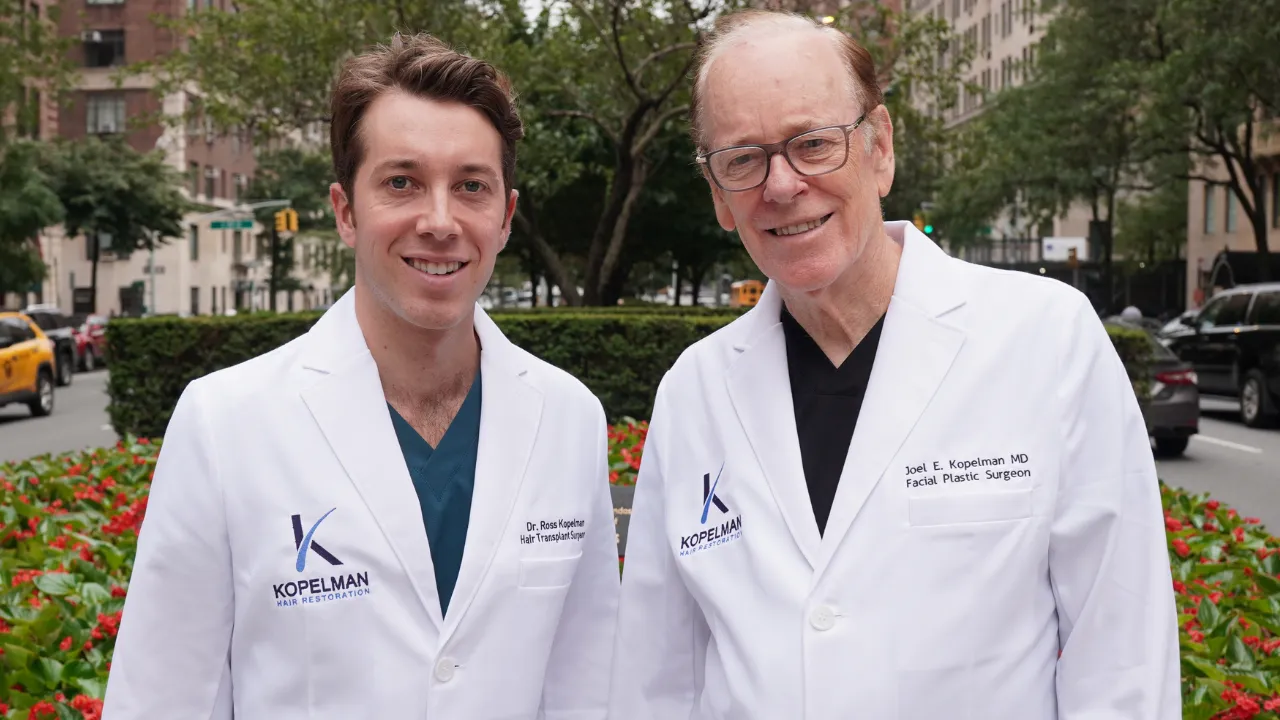
During this assessment, Dr. Kopelman reviews the donor site to confirm there is enough healthy hair to meet the patient’s goals without compromising the donor region.
Beard Transplant for a Patchy Beard
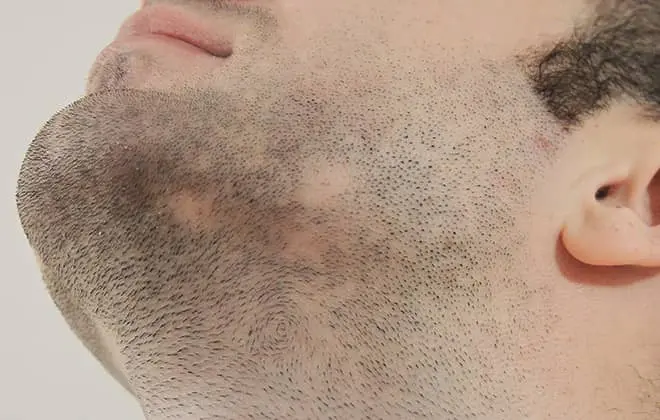
A beard transplant for a patchy beard is one of the most common reasons men seek the procedure. Patchiness often appears along the cheeks, jawline, or under the chin, where follicles are naturally sparse or were affected by scarring.
The surgeon fills these zones by placing follicles at angles that blend with the surrounding hair, reducing the visible contrast between dense and thin areas.
Results depend on the amount of donor hair available relative to the size of the patches being treated.
How Much Does a Beard Transplant Cost?
The cost of a beard transplant in the United States varies significantly based on graft count, technique, and clinic location. The average reported cost is $9,267, with a range of $3,599 to $16,000.
These figures reflect self-reported patient experiences rather than published clinic rates, so they serve as a market reference rather than a fixed benchmark.
Most surgeons price the procedure on a per-graft basis. Per-graft rates can range from $2 to $12, depending on the provider and market.
The total investment scales with the scope of the procedure. A partial beard transplant, addressing sparse patches in limited areas, typically falls between $3,000 and $7,000, depending on graft count.
For a complete beard, the cost generally ranges from $7,000 to $15,000, with a small patch fill-in requiring roughly 800 – 1,200 grafts and a full, thick beard potentially requiring 3,000 or more.
Geographic location also has a measurable effect on pricing. In New York City, beard transplant costs typically range from $25,000 to $30,000, reflecting the higher overhead and demand for specialists in major metropolitan markets.
In Miami, the range runs from $3,000 to $15,000, a wider spread that reflects the variation in graft counts and surgeon profiles in that market.
What Affects Beard Transplant Cost
Several variables influence the final price:
- The number of grafts required, which scales with the size of the area and the desired density
- The technique selected, since some methods are more labor-intensive than others
- The experience of the surgeon and the location of the clinic
- Whether more than one session is needed to reach the target density
Geographic location has a measurable effect, which is why pricing in major metropolitan markets often differs from national averages.
Readers comparing regional pricing can review the detailed breakdown of beard transplant cost in NYC for a market-specific example.
Does Insurance Cover a Beard Transplant?
In most cases, the procedure is considered cosmetic and is not covered by insurance.
Coverage is occasionally considered when the surgery restores hair lost to trauma, burns, or reconstructive needs, though documentation requirements are strict.
Patients should confirm directly with their insurer and request written clarification before assuming any reimbursement. Financing plans offered through individual clinics are a more common way to manage the expense.
How a Beard Transplant Works
Facial hair transplant surgery is performed as an outpatient procedure, and the hair transplant procedure for the beard follows a clear sequence from planning to graft placement.
The surgeon first maps the recipient area, marking the borders of the beard, mustache, or sideburns to ensure symmetry.
A local anesthetic is applied to both the donor and recipient zones so the patient remains comfortable throughout. A fuller overview of the steps is available in this guide: the beard transplant procedure and recovery.
Once the sites are prepared, the surgeon creates each recipient site at a precise angle to match the natural beard direction.
Beard transplant procedures rely on this angling to avoid an artificial appearance, since facial hair grows in varied directions across the face, so Dr. Kopelman and other experienced surgeons plan direction zone by zone to mirror natural growth.
The transplanted hair follicles are then placed individually into these sites. Careful placement is what distinguishes a natural result from an obvious one.
The FUE Beard Transplant Technique
Most beard work today uses the fue beard transplant method, which stands for follicular unit excision. In this approach, the surgeon removes individual follicular units one at a time using a small punch, rather than cutting a strip of tissue.
Because no strip is taken, the technique avoids the linear scar associated with older strip harvesting and leaves only tiny, scattered marks at the donor region.
This method is generally preferred for the beard because it allows precise selection of follicles that match facial hair characteristics.
How Many Grafts Do You Need
The number of grafts required depends on the size of the area and the density a patient wants. Filling minor gaps may require a few hundred grafts, while building a full beard from sparse growth can require 2,000 or more.
Donor supply sets the upper limit, so the surgeon balances the desired density against what the scalp can safely provide.
A realistic plan accounts for the fact that not every transplanted follicle survives and that growth percentages vary among patients.
Where the Donor Hair Comes From
For beard restoration, the scalp is the most common donor source because its hair closely resembles facial hair in caliber. When scalp supply is limited, surgeons may consider body hair or other regions as supplementary donor areas.
Some patients explore less common sources, a topic covered in this article on using pubic hair as a donor for a beard transplant. The chosen donor source must match the beard’s texture and growth pattern to achieve a consistent appearance.
Using Beard Hair as a Donor for the Scalp
The term sometimes refers to the reverse procedure, where beard hair serves as the donor source for the scalp.
A beard-to-scalp hair transplant uses follicles from under the chin to add density to thinning areas of the head, often when scalp donor supply is already depleted.
A beard-to-head transplant can be useful because beard follicles are typically coarse and resistant to hormonal thinning.
When clinicians describe a hair transplant from beard donor areas, they are referring to this salvage approach rather than facial beard enhancement.
Beard Transplant Recovery Timeline
Recovery is generally straightforward, though the timeline varies by individual. In the first days, small scabs form around each graft, and mild redness is common.
Patients are usually advised to keep the area dry initially and to avoid touching or picking at the grafts. The sections below outline what to expect at the most common milestones.
Beard Transplant After 10 Days
By around ten days, most of the initial scabbing has resolved, and the treated area looks less raw. Many patients notice that the transplanted hairs begin to shed during this window, which is a normal part of the cycle and not a sign of failure.
New growth typically starts several months later. A closer look at this stage is available in this article on the beard transplant after 10 days.
When Can You Shave After a Beard Transplant?
Shaving is generally postponed until the grafts are secure, often around ten days after the procedure, though guidance varies by surgeon. Shaving or trimming too early can dislodge grafts before they have anchored.
Once cleared, the new facial hair can be groomed like any other beard hair. Specific timing and technique are discussed in this guide to shaving after a beard transplant.
Swelling and Pain After Surgery
Mild swelling and tenderness are common in the first few days and usually resolve without intervention.
Because a local anesthetic is used during the procedure, discomfort during surgery is minimal, and post-operative pain is typically managed with simple measures.
Patients who want more details can review resources on swelling after a beard transplant and whether the procedure is painful. These minor side effects are part of normal healing rather than complications.
Beard Transplant Before and After
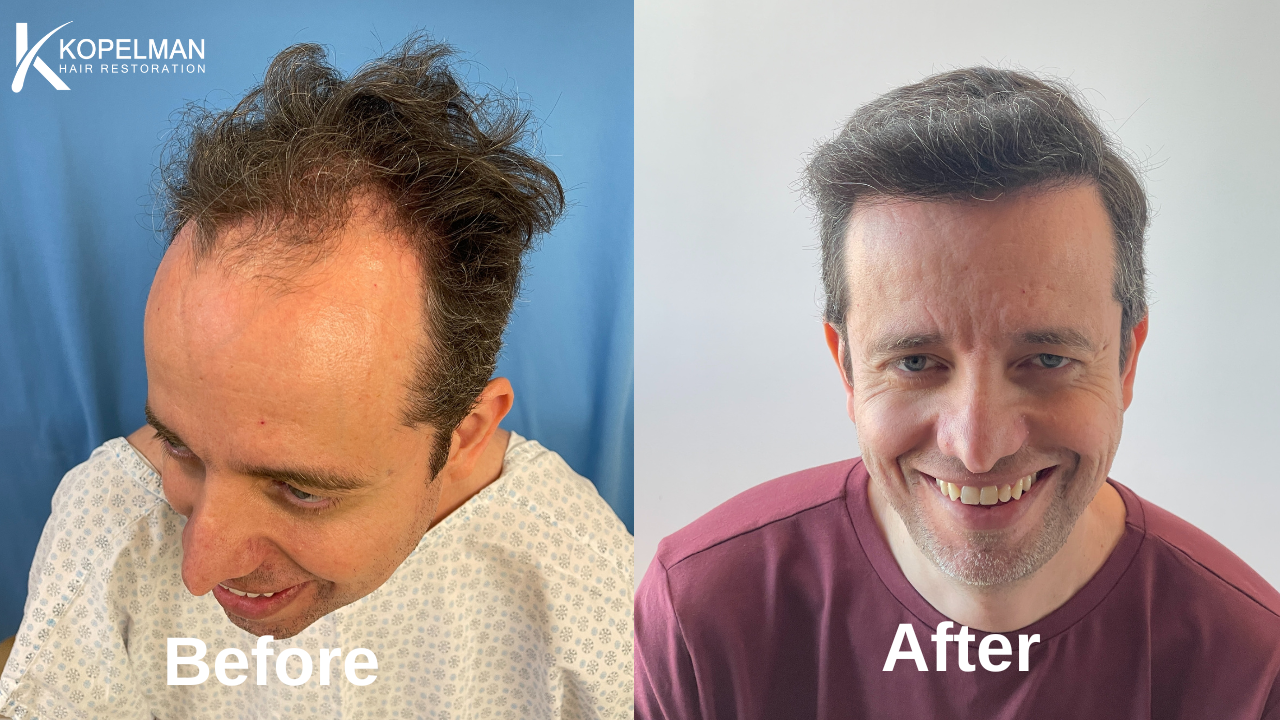
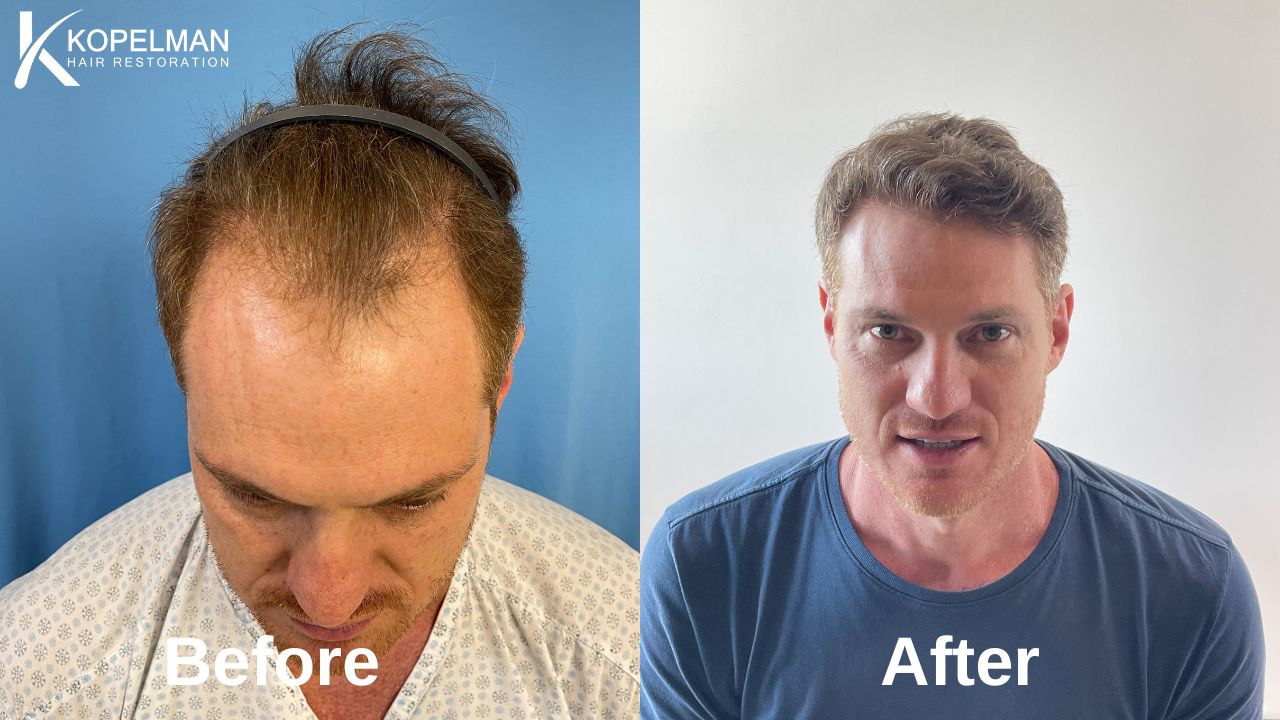
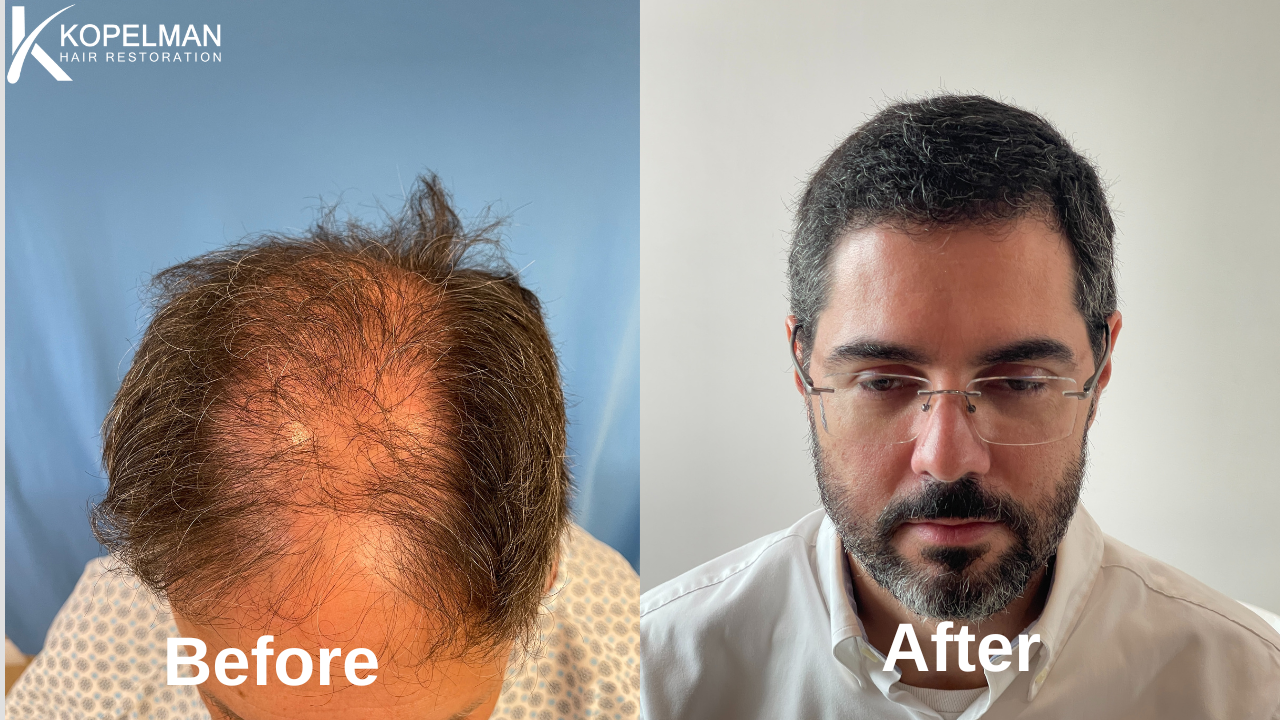
Reviewing beard transplant before-and-after photos helps set realistic expectations for density and coverage.
Immediately after the procedure, the area appears fuller due to the grafts placed, but this initial appearance does not reflect the final result.
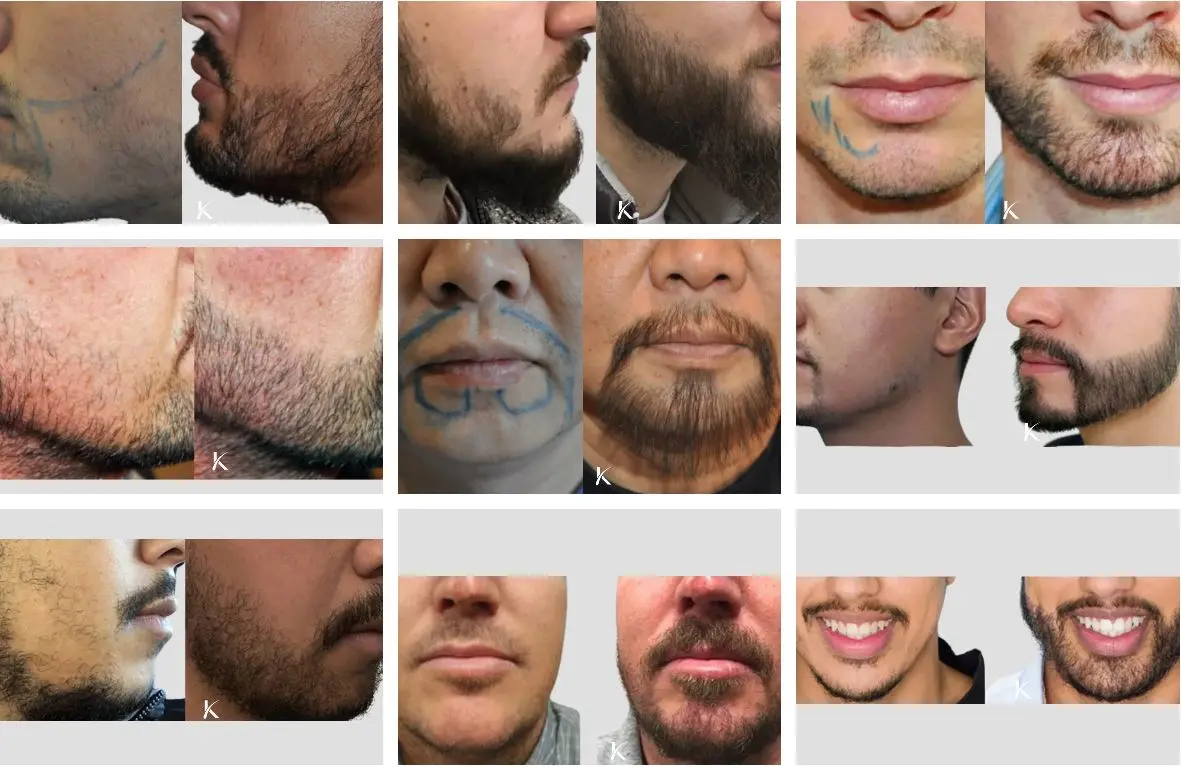
After the shedding phase, new growth develops gradually over several months, and the mature outcome is usually visible within a year.
Galleries of beard implant before-and-after cases, such as those in this before-and-after resource, illustrate this timeline.
Risks and Side Effects
As with any hair restoration surgery, the procedure carries potential risks that patients should understand in advance.
Possible side effects include infection, ingrown hairs, temporary numbness, and uneven growth if grafts are placed poorly. Most issues are minor and resolve with time or simple treatment, but technical errors can affect the final appearance.
A detailed discussion of complications is available in this article on when a beard transplant goes wrong.
Beard Transplant Scars
Scarring depends largely on the harvesting method. The excision technique used in modern procedures leaves small, dot-like marks that are usually difficult to see once the surrounding hair grows out, and it avoids the linear scar associated with strip harvesting.
The beard recipient zone generally heals without noticeable marks because the incisions are very small. More information is available in this guide to beard transplant scars.
When a Beard Transplant Goes Wrong
Poor outcomes usually trace back to inexperience rather than the procedure itself. Common problems include unnatural hairline borders, mismatched hair direction, or overharvesting of the donor area.
These outcomes reinforce the point that surgeon selection matters more than price. Choosing a qualified, experienced provider is the most effective way to reduce the risk of a result that requires revision.
Beard Transplant Results by Hair Type
Hair texture, color, and curl pattern influence how the procedure is planned and how natural the result appears. Coarse or curly hair can provide greater visual density, while finer hair may require more grafts to achieve the same effect.
Matching donor characteristics to the beard region is essential across all hair types. The following sections address considerations specific to certain groups.
Asian Beard Transplant
For many Asian patients, beard hair tends to be straight and dark, which contrasts sharply with the skin and demands precise angling for a natural look. Donor density on the scalp can also vary, affecting the number of grafts available.
Surgeons account for these characteristics when planning placement and direction. Specific techniques and considerations are discussed in this article on the Asian beard transplant.
African American Beard Transplant
African American patients often have curly hair, which can create a visually full appearance but requires careful handling during extraction to avoid follicle damage.
Curved follicles beneath the skin make the excision step more technically demanding. Experienced surgeons adjust their technique to protect graft integrity in these cases.
Further details are available in this guide to the African American beard transplant.
How to Choose a Beard Transplant Surgeon
Selecting the right provider is the most important decision in the entire process. The best beard transplant surgeon for a given patient is one with documented experience in facial hair work, specifically, not only scalp procedures.
Many qualified hair transplant surgeons and plastic surgeons hold credentials from recognized hair restoration boards, which can help patients verify training.
During the initial consultation, a candidate can ask about graft estimates, the expected timeline, and revision policies.
Patients searching for a beard hair transplant near me can compare local clinics, and those in specific regions may review options in New York or New Jersey.
Reviewing credentials and prior cases before deciding to schedule a consultation supports an informed choice. Dr. Kopelman performs these evaluations as part of a structured assessment of donor supply and facial hair goals.
Key Considerations Before a Beard Transplant
A few practical points summarize the most important takeaways:
- Donor supply, not age, is the main limit on what the procedure can achieve
- Final results develop over roughly a year, following an early shedding phase
- Price reflects graft count, technique, and surgeon experience rather than location alone
- Experience with facial hair specifically has the largest effect on how natural results look
- The added density is permanent once follicles establish, but it does not stop future scalp hair loss
Understanding these factors helps set realistic expectations and supports a productive, well-informed conversation with a qualified surgeon.