
This educational guide explains what a beard hair transplant involves, who typically qualifies, how the hair restoration procedure works, and what patients can generally expect regarding cost, recovery, and long-term results. The goal is to provide clear, evidence-based information so readers can better understand this option before consulting a physician.
What Is a Beard Transplant?
A beard transplant is a surgical procedure that moves healthy hair follicles from a stable donor site on the body to the face to add density, cover patches, or reshape the beard line. It is used both to build fuller facial hair where growth is naturally sparse and to restore hair in areas affected by scars, burns, or previous trauma. Because facial hair grows in specific directions and angles, beard restoration requires more artistic and technical precision than a standard scalp procedure.
Consumers sometimes use the terms beard implants and beard transplant interchangeably, though the medical process involves relocating living follicular units rather than using synthetic material. Follicles are usually harvested from the back and sides of the scalp because hair in those zones is genetically resistant to the hormone DHT, which is the primary driver of male pattern hair loss.
Once transplanted follicles establish a blood supply in their new location, they generally continue to grow permanently and cycle like native facial hair, with visible results appearing over several months as the follicles enter their active growth phase.
Research on beard hair transplantation confirms that beard follicles offer high survival rates and coarse caliber that produces strong visual density in the recipient site1.
How a Beard Transplant Works
The procedure begins with harvesting follicles, most often from the back and sides of the scalp, where hair is genetically resistant to loss. The surgeon then implants these grafts one by one into the beard area at the correct depth, angle, and orientation to mimic natural growth patterns. The surgeon designs the recipient sites in advance, mapping the intended shape of the beard, sideburns, or goatee.
Careful placement is essential to producing a natural-looking beard rather than an obviously restored one. Because facial hair grows at sharper angles than scalp hair, the implantation stage is highly meticulous and often the most time-consuming part of the operation.
Beard-to-Beard vs Scalp-to-Beard Transplants
Most cases use scalp hair as the donor source because the scalp offers a large, accessible supply of follicles that closely resemble facial hair when carefully selected. However, in select cases where scalp supply is limited or a specific texture match is needed, surgeons may consider beard-to-beard harvesting or other body hair sources.
For patients researching alternative donor sources, this related overview of beard transplants using pubic and body hair explains when non-scalp options may be discussed with a surgeon.
Matching the caliber, curl, and color of donor hair to the recipient zone is critical for a cohesive result. A texture mismatch can produce visually inconsistent growth even when the surgical technique is executed correctly.
Who Is a Good Candidate for a Beard Transplant?
Good candidates for beard hair transplant are generally adults in stable overall health who have realistic expectations and enough donor follicles to support the plan. Candidates should not have active skin infections, uncontrolled autoimmune conditions affecting hair, or unresolved medical issues that could interfere with healing. A thorough consultation with a qualified hair restoration surgeon is the standard first step for determining suitability.
Patchy or Uneven Facial Hair Growth
Many patients pursue the procedure because of chronic patchiness, thin coverage along the jawline, or gaps in the mustache and cheek regions. Genetics, hormonal factors, and prior injury are the most common underlying causes of these patterns. A transplant can address these gaps by concentrating grafts in the specific zones that lack density.
Beard Transplant for Scars and Trauma
Beard transplants also help camouflage scars from acne, surgery, cleft lip repair, burns, or facial trauma. Placing hair grafts into scar tissue requires careful evaluation of blood supply, since scarred skin can support fewer follicles than healthy skin. Results in these cases are typically staged over more than one session to allow the tissue to respond gradually.
Full Beard Transplant Candidates
A full beard transplant builds a complete beard and mustache for patients with minimal or no existing facial hair. This scenario requires more grafts and a more extensive design phase to establish a natural framework across the lower face. Candidates for a complete restoration must have sufficient donor supply on the scalp, since coverage across the cheeks, chin, jawline, and upper lip may require 2,000 or more grafts.
Peer-reviewed guidance on beard and mustache reconstruction outlines specific graft volumes and design considerations for building a complete beard framework3.
Beard Transplant by Ethnicity
Ethnic background influences hair caliber, curl pattern, and skin response, all of which affect surgical planning. Patients researching this variable can review dedicated overviews on beard transplants for Asian patients and beard transplants for African American patients, where curl pattern, skin type, and keloid risk require additional planning.
Understanding these variables allows the surgeon to tailor extraction technique, graft angle, and post-operative care to each patient’s specific hair characteristics.
Beard Transplant Procedure: Step by Step
Beard transplant surgery is typically performed on an outpatient basis under local anesthesia and takes several hours depending on the number of grafts required. Most patients remain awake, comfortable, and able to return home the same day. This overview provides a more detailed walkthrough of the beard transplant procedure and recovery process.
Consultation and Design
The process begins with a consultation to review medical history, evaluate donor supply, and discuss the patient’s goals for shape, density, and coverage. The surgeon marks the intended treatment zone and confirms the estimated graft count. This planning stage sets the boundaries, hairline, and directional flow that will define the final result.
Harvesting the Donor Follicles
Follicles are typically harvested from the back of the scalp using the follicular unit extraction (FUE) method, which removes individual follicular units with a small circular punch. The fue technique leaves tiny dot-shaped healing points rather than a continuous incision, and it generally allows patients to wear shorter hairstyles without visible donor marks. The surgeon stores the extracted grafts in a preservation solution while preparing the recipient sites.
Follicular unit extraction has been extensively documented across scalp, beard, and body hair restoration procedures, with published multicenter data supporting its safety and reproducibility2.
Implantation into the Beard Area
The surgeon then creates recipient sites in the treatment zone at the precise angles that match natural facial hair growth. The surgeon places each graft individually into the prepared sites, following the design established during the consultation. This stage is the most detailed part of the operation and often takes longer than the harvesting phase.
FUE vs FUT Beard Transplant
Modern beard transplant procedures use two harvesting methods: FUE (follicular unit extraction) and FUT (follicular unit transplant). The choice depends on donor supply, hair characteristics, patient preference, and the total graft count required. Both techniques ultimately produce individual grafts for implantation, but they differ in how they initially collect donor tissue.
FUE Beard Transplant
An FUE beard transplant harvests each follicular unit one at a time using a small punch device. This approach avoids a long donor incision and generally allows patients to wear shorter hairstyles without visible signs of the donor area. FUE is the most common method for beard restoration because it leaves a minimally invasive donor appearance.
FUT Beard Transplant
FUT harvesting removes a thin strip of scalp from the donor area, from which individual grafts are then microscopically dissected. This method can yield a large number of grafts in a single session but leaves a linear scar that is generally covered by surrounding hair. FUT may be considered when maximum graft yield is a priority, and the patient plans to keep the donor region covered.
How Much Does a Beard Transplant Cost?
Beard hair transplant cost varies widely based on the number of grafts, the harvesting method chosen, the complexity of the design, and the surgical team’s experience. As a cosmetic procedure, health insurance typically doesn’t cover beard transplants, so patients pay out of pocket. A consultation remains the most reliable way to obtain an accurate personalized estimate.
Beard Transplant Price Range
The number of grafts is the single largest driver of price, since each graft requires individual extraction and placement. Smaller cases that address patchiness may involve several hundred grafts, while a complete build often requires two thousand or more. Practices generally quote either a per-graft rate or a flat fee tied to a defined graft range.
At Kopelman Hair Restoration, beard transplant procedures generally range from $20,000 to $30,000, with the final figure determined during consultation based on the extent of the case and the complexity of the design.
Beard Transplant Recovery Timeline
Recovery unfolds in three sequential phases: initial healing during the first ten days, a return to normal grooming across weeks two through four, and steady beard growth from month three through the one-year mark. Each phase has predictable signals that help patients distinguish normal healing from complications and know when to expect visible results.
First 10 Days After Surgery
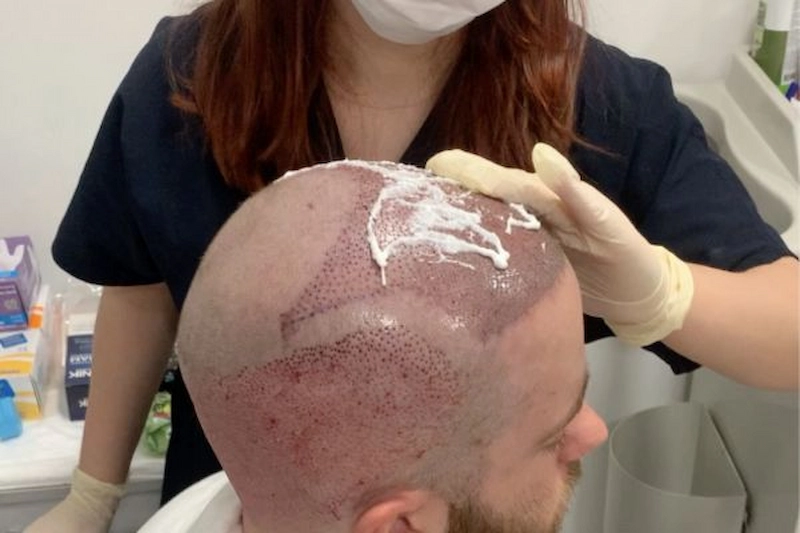
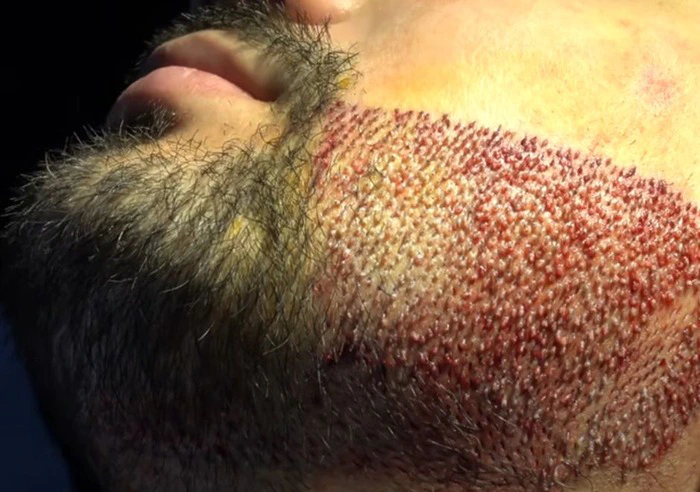
Within the first 24 to 48 hours, small crusts form around each graft, and mild redness spreads across the treated skin. Between days three and seven, the scabs mature and any residual swelling resolves, while the donor area continues to heal quietly in the background. By days seven to ten, most scabs begin to flake off on their own, revealing pink skin underneath that gradually returns to normal tone.
This guide to the beard transplant timeline after 10 days walks through each daily milestone in more detail. Careful hygiene, gentle rinsing rather than rubbing, and complete avoidance of direct trauma to the treated zone are essential during this window.
Weeks 2 to 4: Shock Loss and Return to Shaving
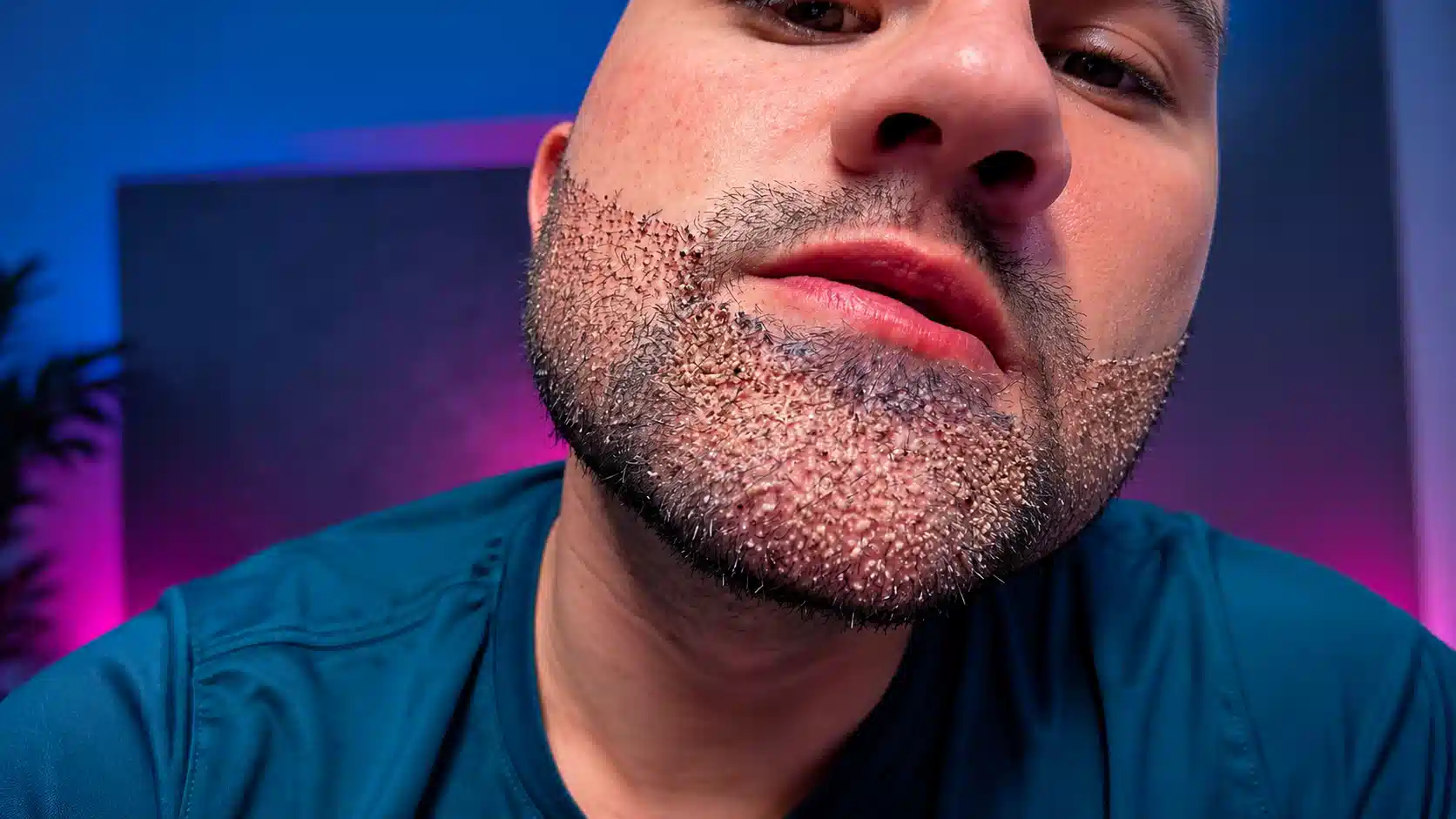
Between weeks two and four, the transplanted hair shafts typically shed in a normal phase known as shock loss. This can alarm patients who aren’t expecting it, but the follicles remain intact under the skin and will produce new hair in the coming months.
By the third and fourth week, the follicles have anchored securely, and most patients can resume shaving, trimming, and normal grooming. Exact timing depends on the surgeon’s protocol, since shaving too early can dislodge grafts that have not fully secured. This overview of shaving after a beard transplant explains typical timing, technique, and razor choice in more detail.
Months 3 to 12: New Growth and Final Density
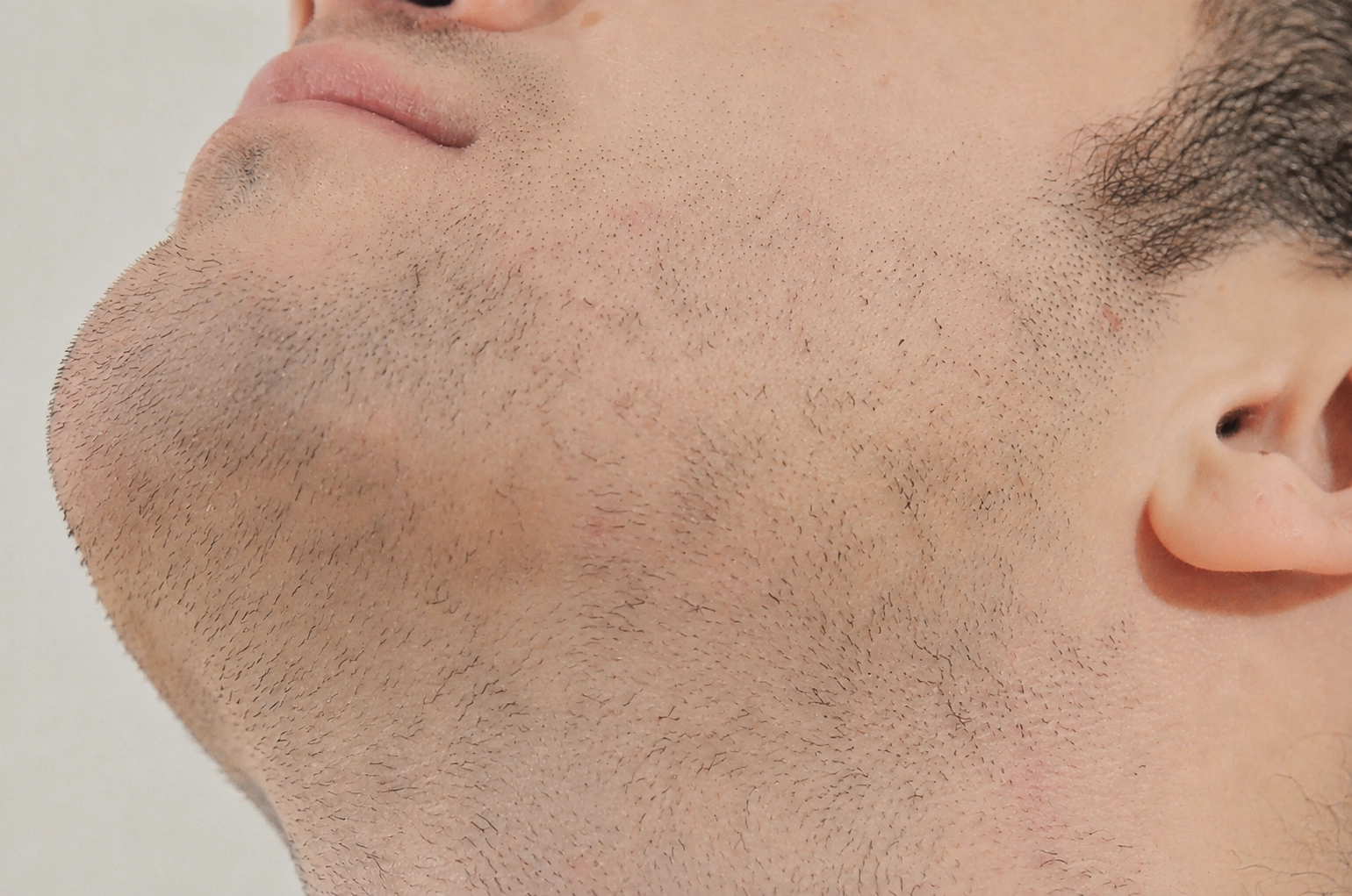
New growth begins between the third and fourth month, initially thin and finer in texture than the surrounding beard. Progressive thickening continues through months six to twelve as each follicle enters its full growth cycle. Full density and final texture generally settle around the one-year mark, after which the beard can be styled and maintained like native facial hair.
Full Results and Growth Timeline
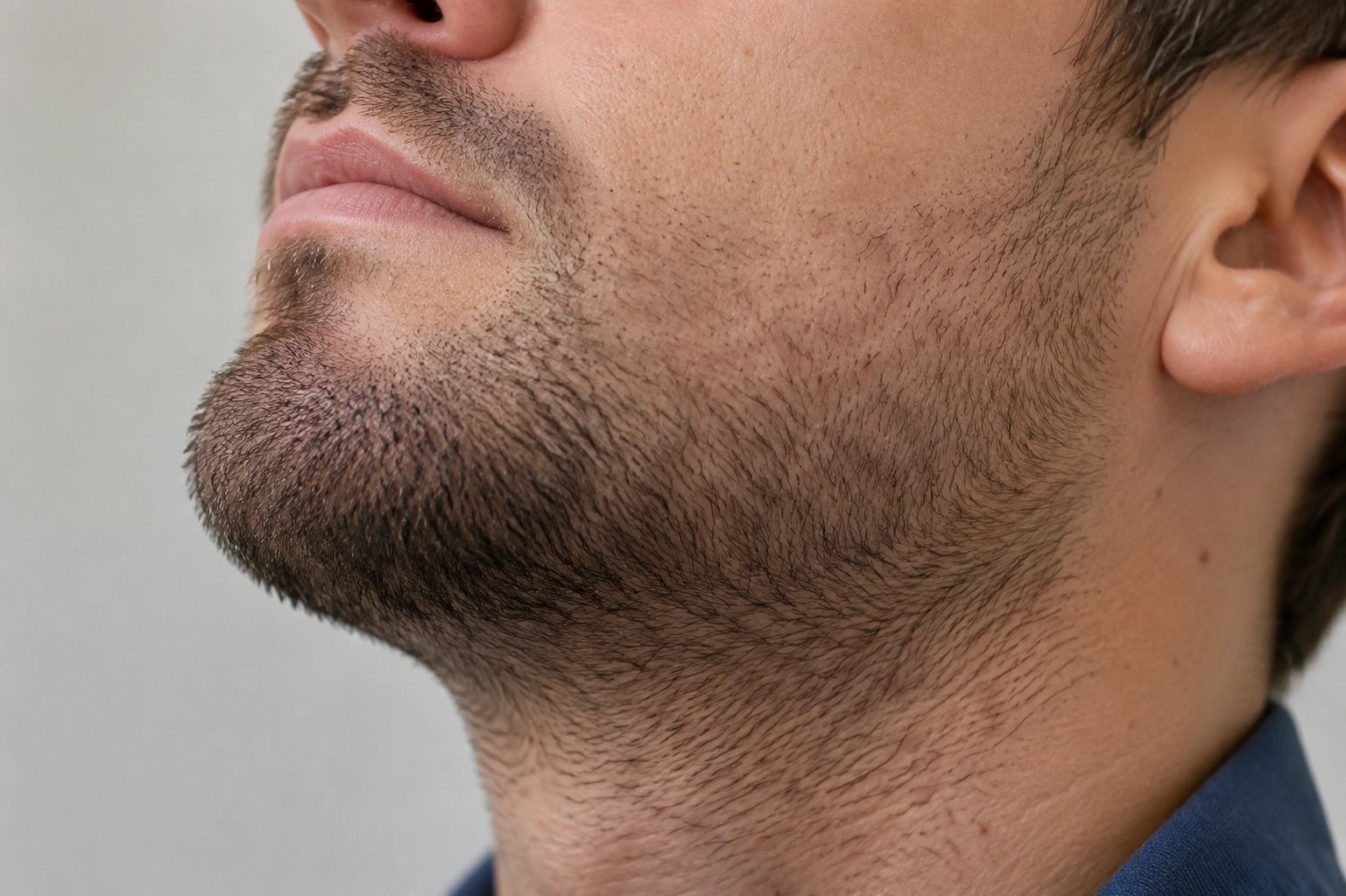
After the initial healing period, transplanted follicles typically shed within a few weeks in a normal phase called shock loss. New growth begins between the third and fourth month, with progressive thickening through months six to twelve. Full density and final texture generally settle around the one-year mark.
Beard Transplant Before and After: Results
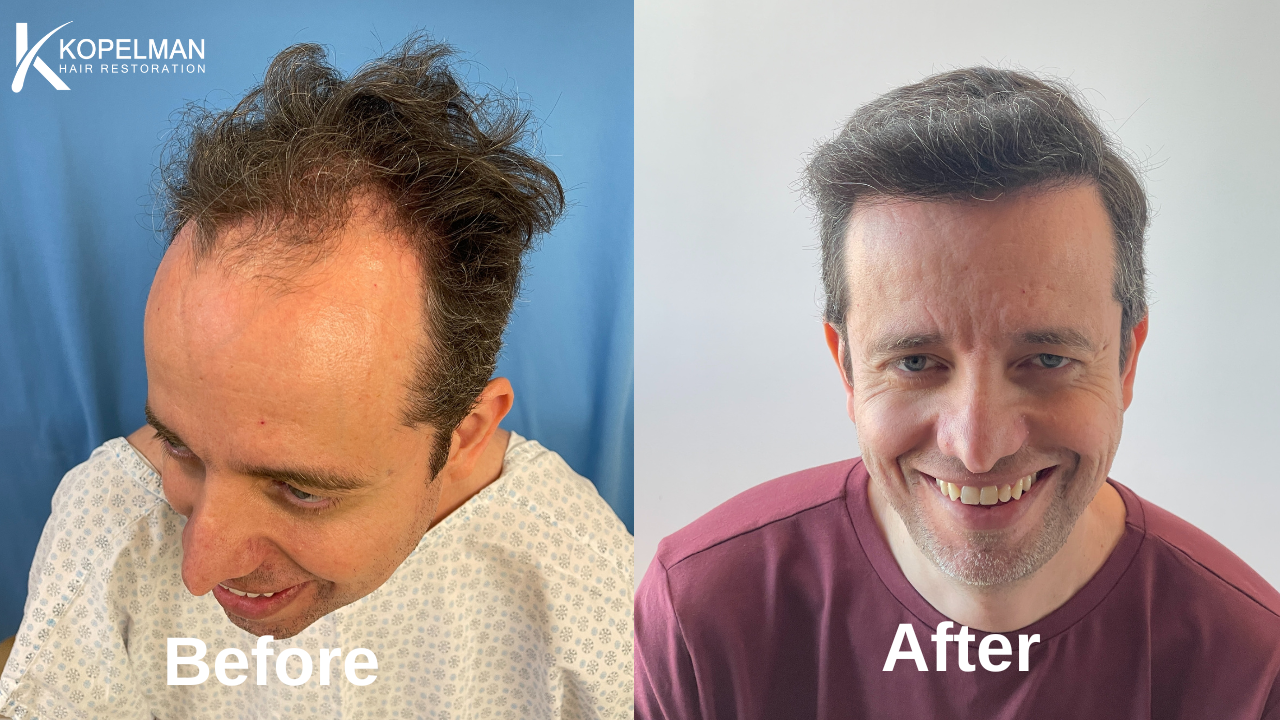
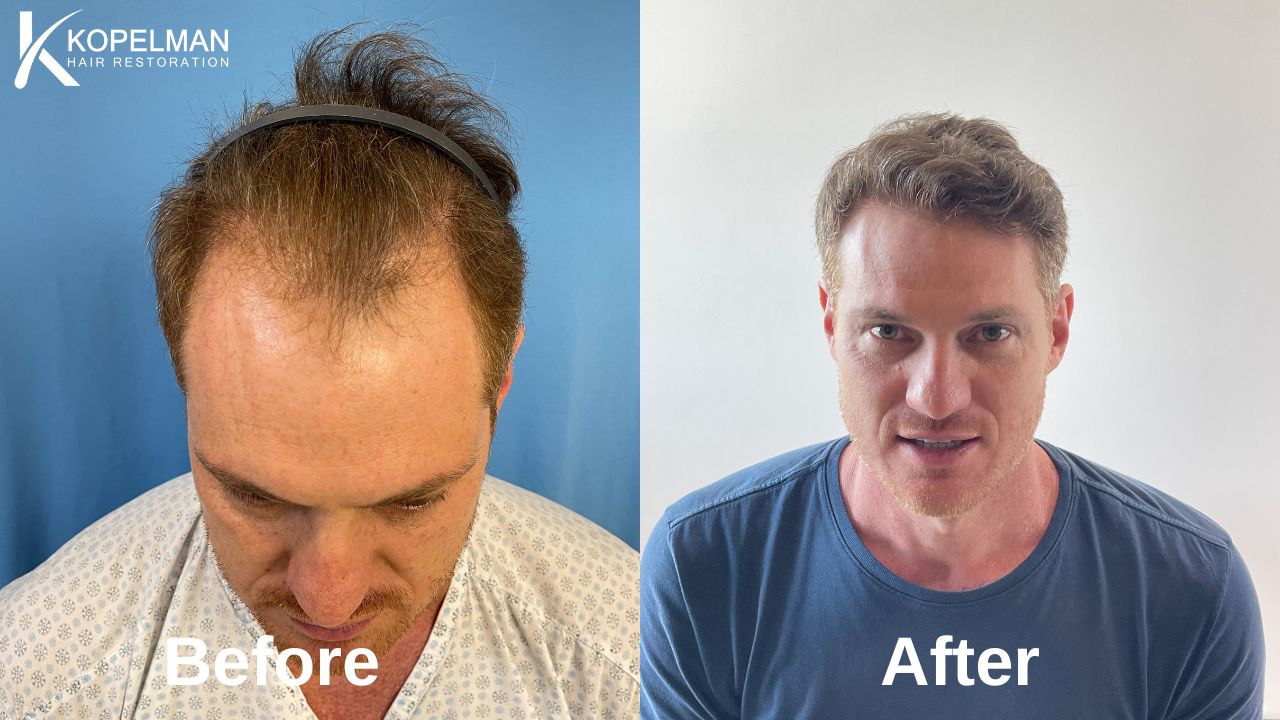
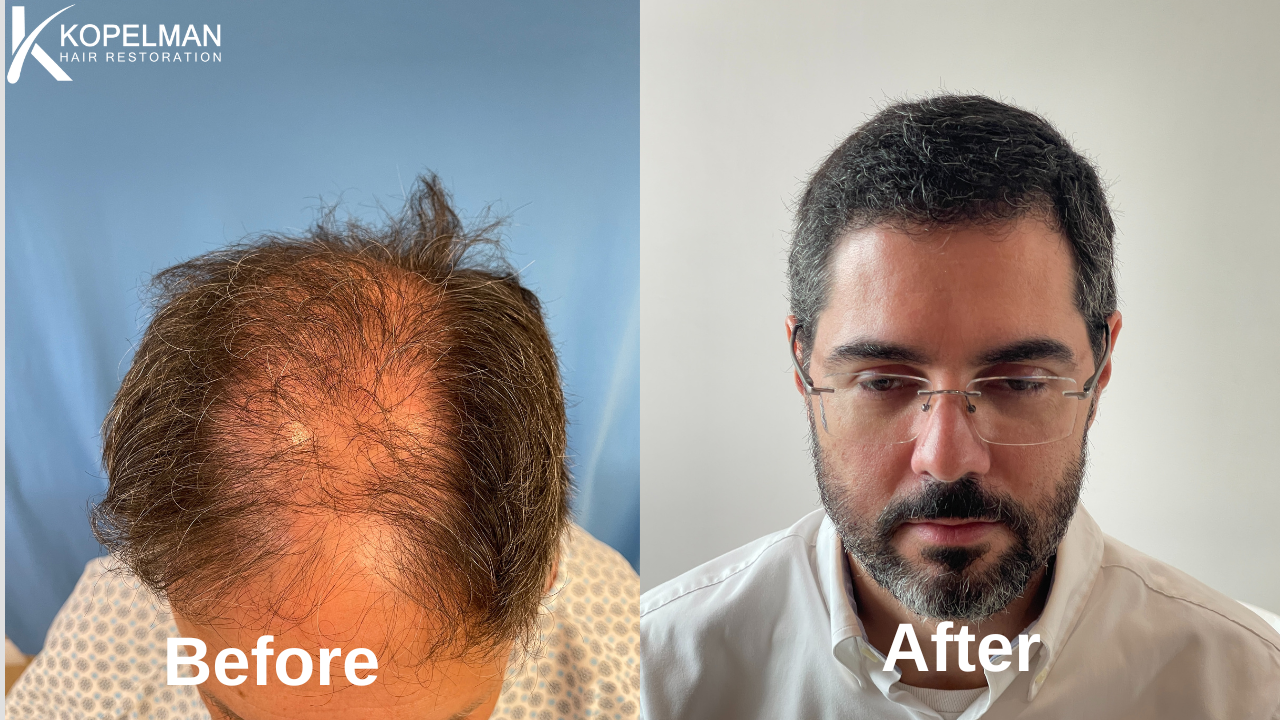
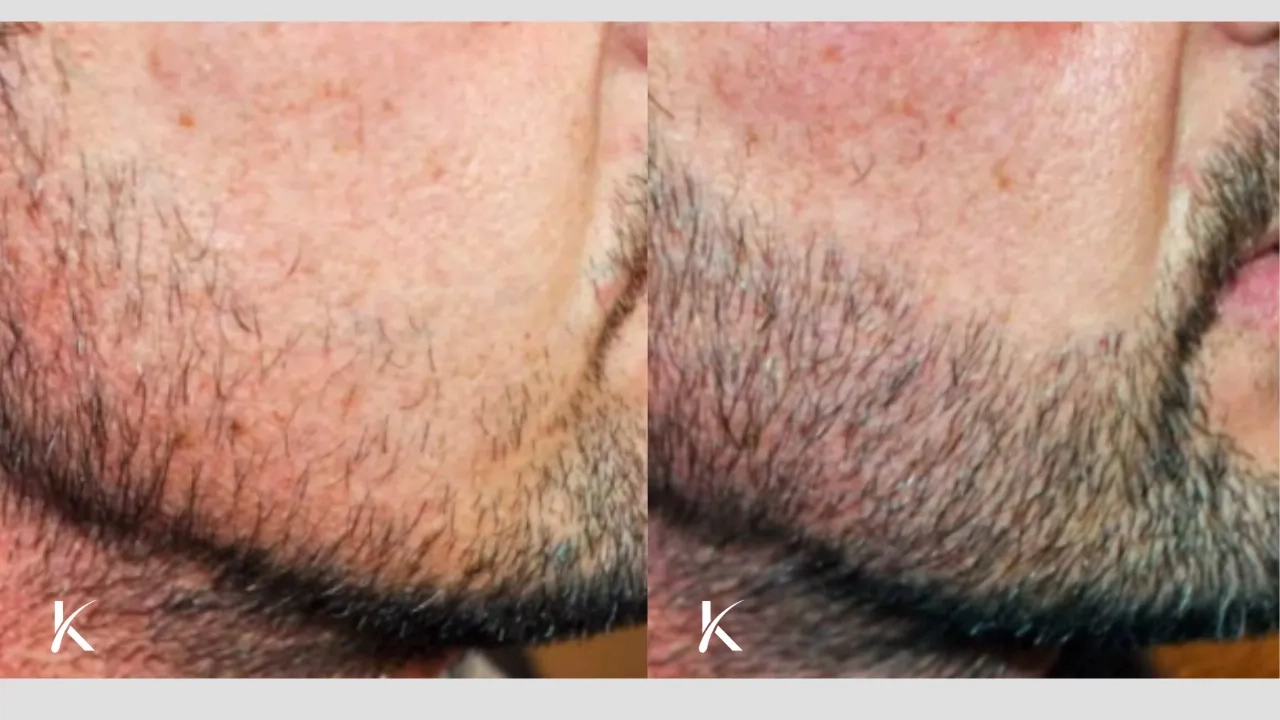
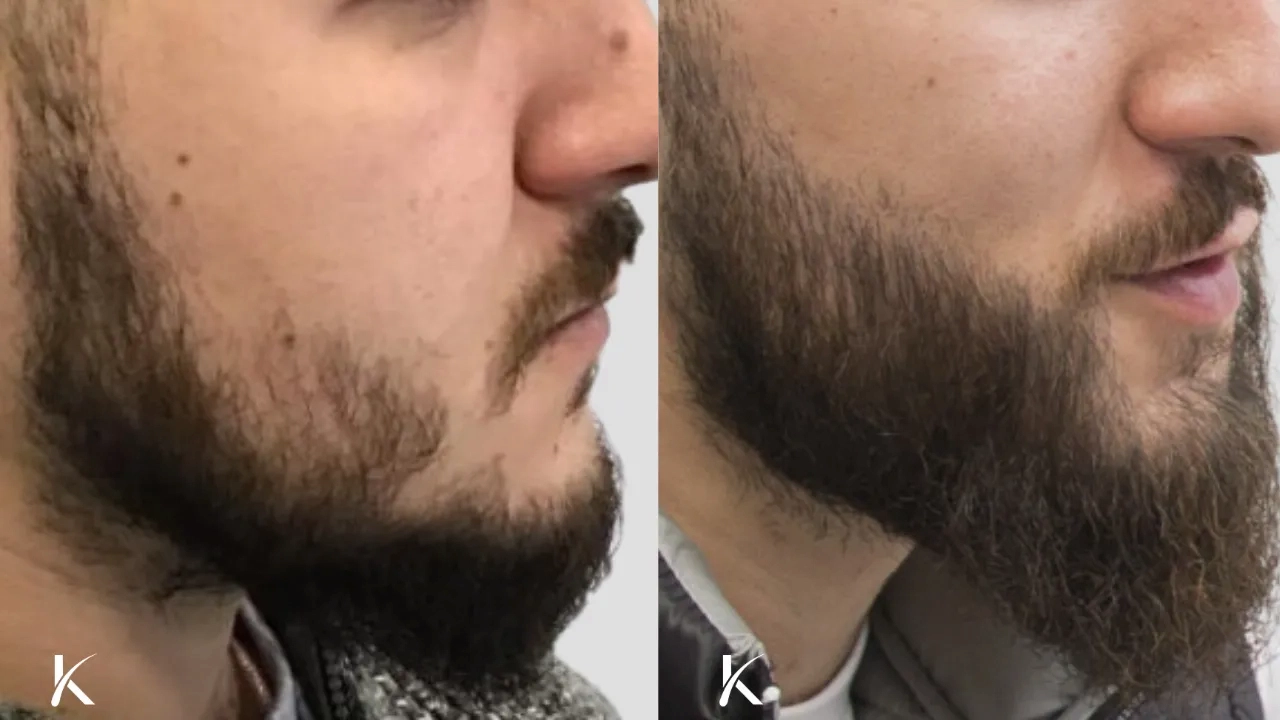
Reviewing beard transplant before-and-after images helps set realistic expectations for what surgery can and cannot deliver. Outcomes depend on donor supply, design decisions, technique, and the patient’s underlying anatomy. Photographs taken at consistent angles and time intervals provide the clearest reference for evaluating outcomes.
Celebrity Beard Transplants
Public discussion of the procedure has grown alongside media coverage of high-profile cases. Frequently discussed examples include Eminem’s beard transformation, Kyle Christie’s procedure, Post Malone’s beard change, Keanu Reeves’ fuller beard, and Kenny Smith’s restoration. Additional analyses cover Leonardo DiCaprio and Floyd Mayweather as commonly referenced examples in the media.
While celebrity cases are useful visual references, individual outcomes always vary based on personal anatomy and design decisions made during consultation.
Risks and Side Effects of Beard Transplants
Beard transplant safety depends on proper patient selection, sterile surgical technique, and appropriate post-operative care. As with any hair transplant surgery, potential risks include infection, folliculitis, temporary swelling, and uneven growth patterns. Most side effects are minor and resolve without intervention, but understanding them in advance helps patients distinguish normal healing from complications.
Common Side Effects and How to Manage Them
Typical short-term side effects include redness, small scabs, mild swelling, and temporary numbness around the treated areas. Rarely, ingrown hairs, cysts, or overharvesting of the donor region can occur, most of which routine follow-up care addresses. This overview of what can go wrong after a beard transplant explains how to recognize and manage less common issues.
Beard Transplant Scars
FUE harvesting leaves small dot-shaped healing points that generally become imperceptible once surrounding hair grows in. FUT harvesting produces a single scar in the donor area that is typically hidden by the surrounding hair. This detailed guide on beard transplant scars explains what to expect from both techniques and how healing typically progresses.
How to Choose a Beard Transplant Surgeon
Selecting the right hair restoration surgeon is one of the most consequential decisions in the process, since technique and artistic judgment directly determine the naturalness of the result.
Patients should verify board certification, membership in recognized professional bodies such as the International Society of Hair Restoration Surgery (ISHRS), and documented experience specifically in facial hair cases.
A successful beard transplant depends less on the technique itself and more on the design phase and the direction each graft is placed. Facial hair grows at sharper angles than scalp hair, and small errors in orientation are what separate a natural result from one that reads as restored.
One of the most important questions to ask any prospective provider is who will actually perform each phase of the surgery. In some clinics, the marketed surgeon designs the case but delegates extraction and placement to technicians with variable training and no medical license, a growing consumer-protection concern in the hair restoration industry.
Patients should confirm that a licensed surgeon personally performs the harvesting, recipient site creation, and implantation, and should also ask how many beard cases the surgeon has completed and what pre- and post-operative support the practice provides. Reviewing before-and-after portfolios of cases with similar hair characteristics offers a practical way to evaluate technical results.
Alternatives to Beard Transplant Surgery
Not every candidate is ready or suited for facial hair transplant surgery, and several non-surgical options exist to support beard density. Topical and oral minoxidil are the most widely studied medical alternatives for stimulating dormant or underperforming follicles in patients whose beard region still has viable hair units.
Finasteride, a prescription medication that reduces DHT levels, is not typically prescribed to increase beard density and can, in some cases, have the opposite effect on facial hair, so always discuss its use with a qualified physician. Results with topical treatments are typically modest and must be maintained continuously to preserve any gains.
Clinical reviews of minoxidil use in hair disorders describe its mechanism, expected outcomes, and the need for continuous application to sustain results4.
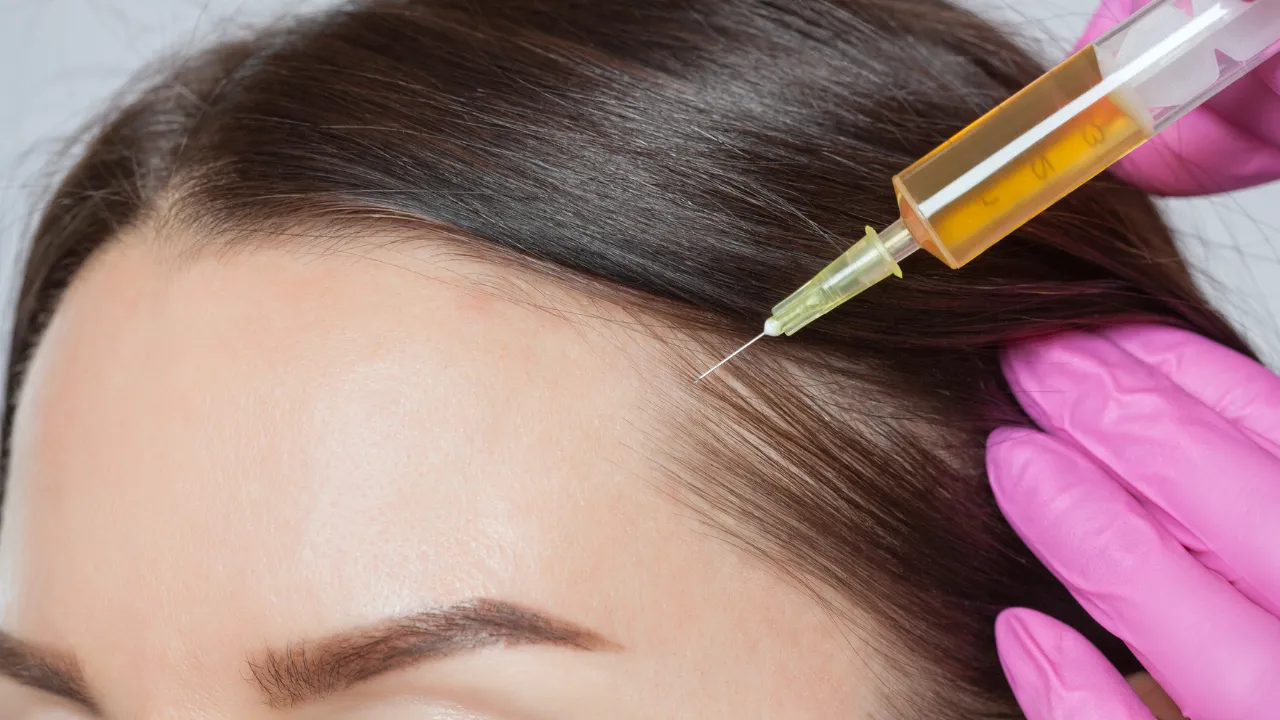
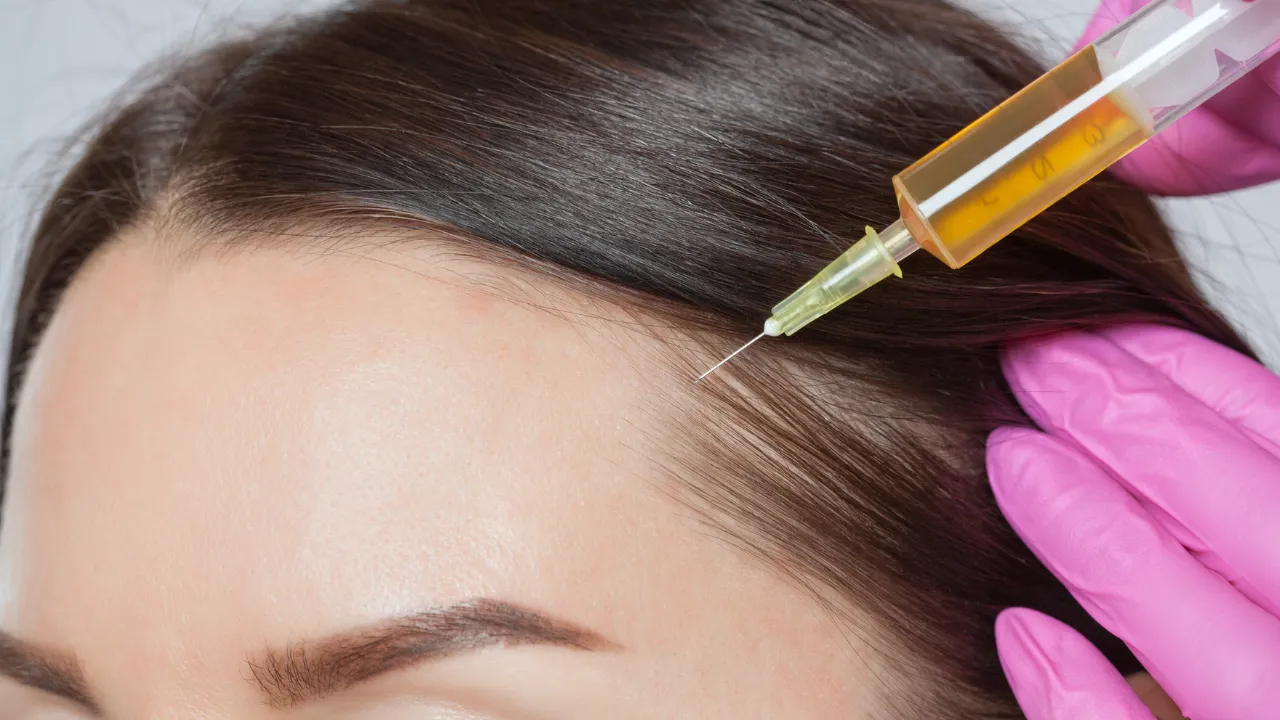
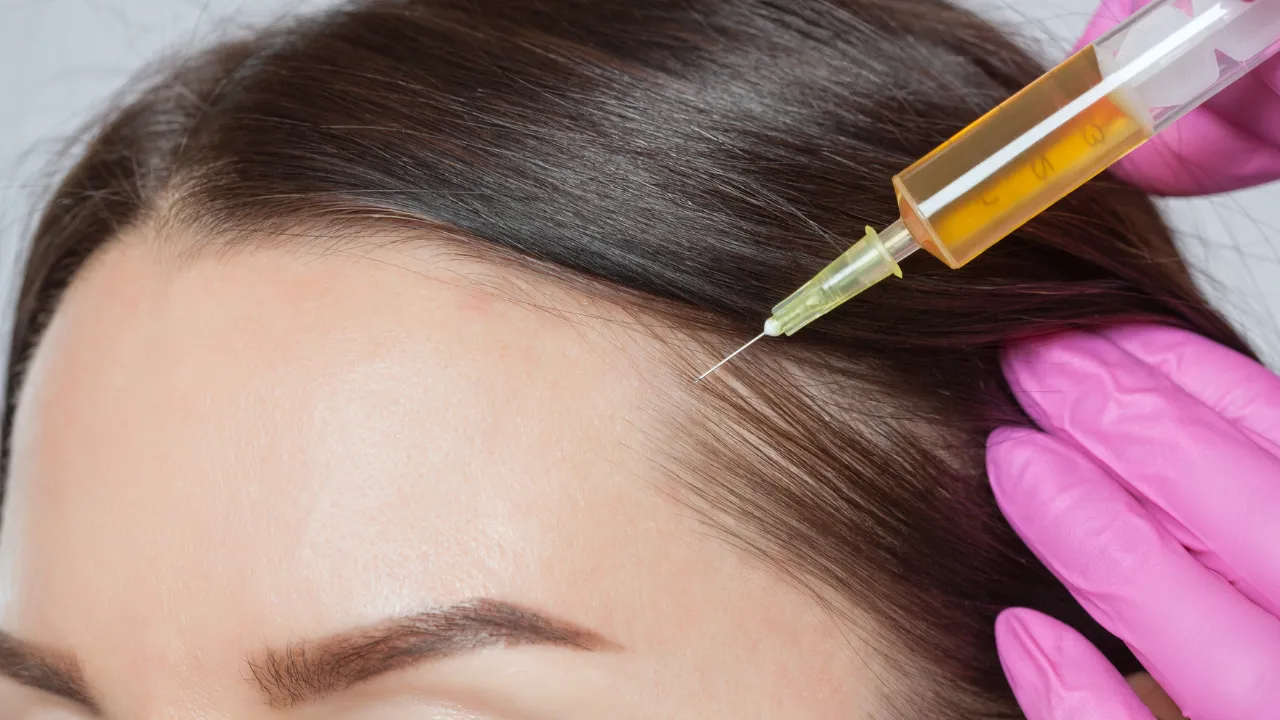
Platelet-rich plasma (PRP) injections and low-level laser therapy are additional options that some patients explore, either as standalone treatments or in combination with a future facial hair graft procedure. These approaches do not create new follicles but may support existing ones. A consultation with a qualified provider is the appropriate way to determine whether medical therapy, surgery, or a combined approach is most suitable for a given patient.