
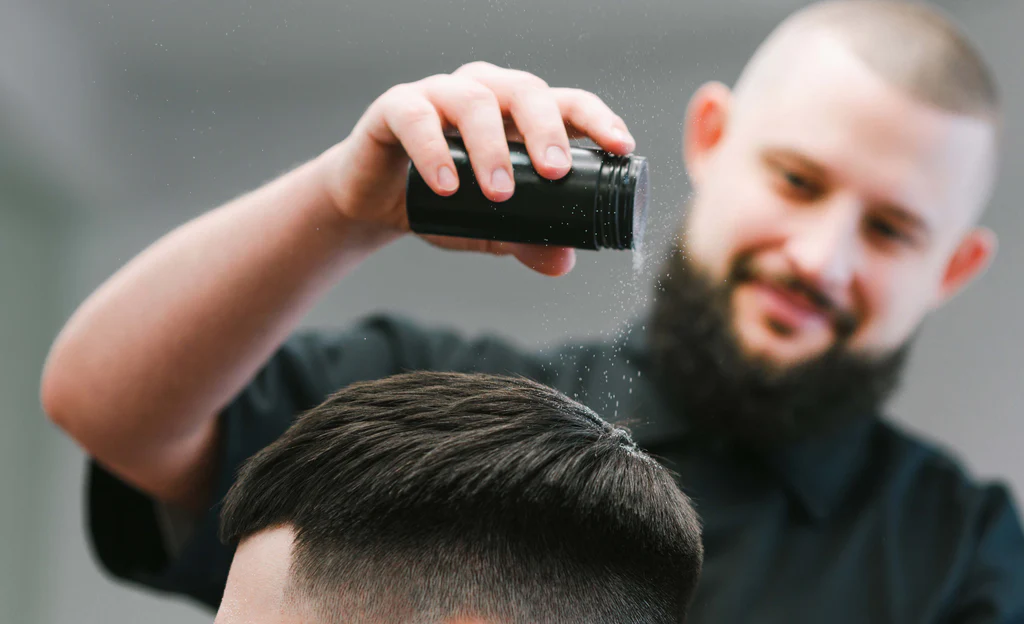
How Does Texture Powder Work?
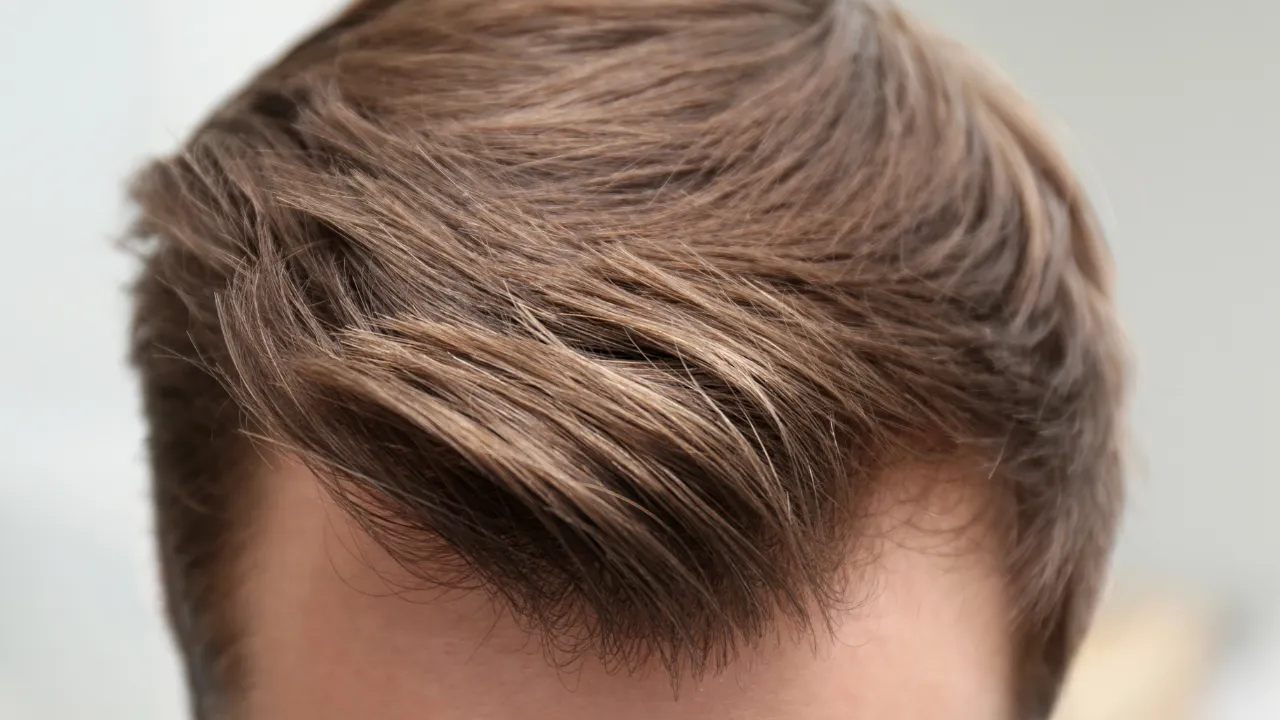
Texture powder is a lightweight, finely milled product made to enhance volume and grip. Commonly built around silica, it creates friction between strands, giving lift and fullness.
What Does Texture Powder Do?
The powder absorbs oil and provides hold, which makes it a staple among styling products. You apply it to the roots for volume without heat tools.
Is texture powder bad for your hair when used this way? Not when applied occasionally and rinsed out properly. Residue, however, can clog follicles over time and weaken the base of each strand.
Does it actually work? For many people, yes. It delivers instant volume without heat. It is simply not built for daily wear or very sensitive scalps.
Typically worked into the roots with your fingertips, this volumizing powder is ideal for styles that last without weighing strands down. Because it suits many hair types, it has become a go-to finishing product.
Benefits of Volume powder for Styling
- Adds Volume: Ideal for thin or flat strands, lifting the roots for a fuller look.
- Improves Grip: Perfect for updos, braids, or waves that need lasting hold.
- Reduces Greasiness: Absorbs oil for a fresh finish between washes.
- Non-Sticky Formula: Lightweight and non-greasy, so strands never feel heavy.
By choosing the right product and applying it properly, you can enjoy the benefits of texture powder while keeping your locks healthy.
Is Texture Powder Bad for Your Hair With Daily Use?
Can the powder contribute to shedding? Used correctly, no. But applying it daily or leaving it in without washing can lead to problems like:
- Dryness
- Product buildup
- Fragile roots
If you apply it too close to the scalp, sleep with it in, or skip proper cleansing, the answer shifts toward yes. So whether it damages your strands really depends on how often and how aggressively you use it.
Texture Powder for Hair: Side Effects and Safety
Many people ask whether volumizing powder is fine for daily styling. The answer depends on your scalp sensitivity and the formula’s cleanliness.
Understanding the side effects of hair volume powder is key to judging whether it suits your scalp. While most products are safe, certain components can irritate sensitive skin or build up over time.
The most common side effects come from misuse rather than the product itself. These include a dry, tight scalp, flaking, residue at the roots, and breakage from repeated brushing through stiffened strands.
Do Parabens in Styling Powder Cause Thinning?
Parabens, used as preservatives in many cosmetics, may disrupt hormones and could contribute to thinning in susceptible individuals. That said, no concrete link exists between parabens in styling products and permanent shedding.
If you are concerned, paraben-free options are widely available. For background on how regulators view these preservatives, see the FDA’s overview of parabens in cosmetics.
Recognizing Paraben Sensitivity in Hair Care
Spotting the signs of paraben sensitivity is essential for a healthy scalp. Many people react without ever realizing the cause, since the symptoms can mimic everyday irritation.
| Symptom | Description | Suggested Action |
|---|---|---|
| Scalp Itching | Persistent urge to scratch | Switch to paraben-free products |
| Redness | Inflamed, irritated scalp | Consult a dermatologist |
| Flaking | Dandruff-like shedding | Opt for gentle, natural shampoos |
| Hair Thinning | Noticeable hair loss | Seek professional advice |
Skin irritation often accompanies these symptoms. If you notice any of these issues, consider transitioning to paraben-free products. Pay attention to how your scalp reacts to new lock care items, and if symptoms persist, consult a specialist.
“Paraben sensitivity can resemble other scalp conditions, so identifying the root cause is critical for proper treatment.”
Everyone’s skin reacts differently. While one individual might experience adverse effects, another may not. Monitor your body’s signals and adjust your hair care routine to maintain scalp health.
Does texture powder make you bald? Not directly. But buildup and chronic irritation can speed up hair loss for those already at risk.
If you’re seeing signs of early thinning, it’s worth switching to gentler styling options.
Natural Alternatives to Paraben-Based Texture Powders
As awareness of potential health risks grows, more people are embracing natural hair products. The shift towards paraben-free and chemical-free options ensures healthier hair and scalp.
Organic Hair Volume Powder Choices
Organic options offer a safer route than paraben-based products. They lean on natural ingredients like rice starch, cornstarch, or clay to absorb oil and add lift without stressing your strands.
Brands like Rahua and Innersense have built effective paraben-free formulas, proving that natural products can still deliver real volume.
Is Texture Powder Safe for Your Scalp?
The product is generally safe when used correctly. Misuse, such as skipping regular washes, can cause residue to gather, clog follicles, and irritate the skin. For sensitive scalps, choose formulas built around gentle ingredients.
Common Chemicals in Texture Powder: Risks and Effects
| Ingredient | Purpose | Potential Risk | What to Do |
|---|---|---|---|
| Silica | Adds grip and volume at the roots | Can dry the scalp with prolonged use | Use sparingly; cleanse regularly |
| Alcohol | Helps the product set quickly | May strip natural oils and cause irritation | Avoid on sensitive or dry scalps |
| Fragrances | Provides scent | Synthetic scents can bother sensitive skin | Choose fragrance-free formulas if reactive |
| Talc | Absorbs oil and adds a matte finish | Lower-quality talc may carry contaminants | Confirm the product is asbestos-free |
See the FDA’s guidance on talc for details.
Choose reputable brands and wash your hair regularly to avoid risks associated with these ingredients.
Damage From Styling Powder
Improper use can harm both strands and scalp over time. Knowing the risks lets you style safely. So can the product cause damage? Yes, if it leads to buildup, dryness, or irritation.
Can Styling Powder Damage Hair Follicles?
As noted earlier, the powder does not directly damage follicles, but trouble starts when residue clogs them. Regular washing clears that buildup, supports healthy growth, and prevents follicle problems like folliculitis.
Does It Irritate Your Scalp?
Ingredients like alcohol or fragrance can irritate sensitive skin, leading to signs such as redness, itching, or flaking. Switching to dermatologist-recommended formulas can ease these symptoms and keep the scalp balanced.
Feel free to check out our related articles:
Safe Application of Texture Powder
- Sprinkle a small amount onto your fingertips rather than straight onto the scalp.
- Work it gently into the roots and mid-lengths for an even spread.
- Style as usual, and avoid reapplying throughout the day to limit buildup.
These steps deliver the look you want while protecting your scalp and strands.
Choosing Scalp-Friendly Products
Look for:
- Natural Ingredients: Skip parabens, sulfates, and harsh chemicals.
- Lightweight Formulas: Prevent buildup and irritation.
- Dermatologist Recommendations: Products suited to sensitive scalps.
Prioritize quality for lasting comfort and stronger-looking strands.
Styling Alternatives to Texture Powder
If you like the grit and lift but want to avoid residue, several products give similar results with a gentler touch. Matching the product to your strand type matters more than any single rule.
| Alternative | Best For | Finish & Hold | Why Consider It |
|---|---|---|---|
| Matte clay or paste | Thicker strands needing control | Natural finish, strong flexible hold | Reworkable hold without a powdery residue |
| Sea salt spray | Fine or wavy strands | Tousled finish, light hold | Adds movement and texture, no buildup |
| Light-hold pomade | Those who find powders drying | Soft finish, conditioning hold | Shapes strands while keeping them supple |
| Dry shampoo | Oily roots between washes | Refreshed finish, minimal hold | Absorbs oil and revives volume gently |
Rotating between a powder and one of these options gives your scalp regular breaks, which lowers the odds of dryness and irritation.
What Else Could Be Causing Your Thinning?
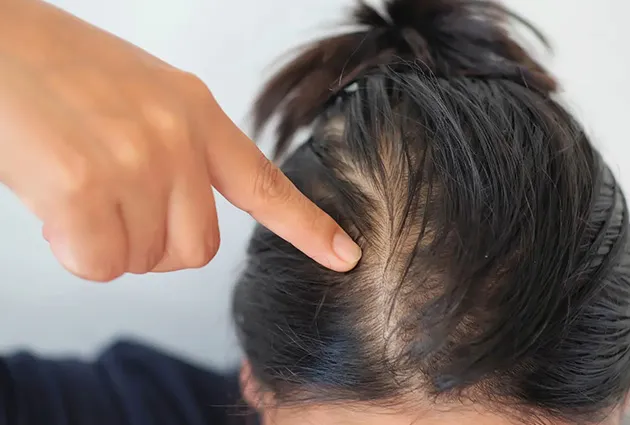
If you are noticing extra shedding, a receding hairline, or thinning at the crown, the styling powder is probably not the real cause. Several common conditions are far more likely to be the culprit, and most respond well to early treatment.
| Condition | Common Trigger | Typical Pattern | Often Reversible? |
|---|---|---|---|
| Androgenetic alopecia | Genetics and hormones | Gradual thinning at the crown or hairline | Not naturally, but treatable |
| Traction alopecia | Repeated tension from tight styles | Thinning along stressed areas | Often, if caught early |
| Telogen effluvium | Stress, illness, or nutritional gaps | Diffuse shedding across the scalp | Usually, once the trigger resolves |
| Alopecia areata | Autoimmune response | Patchy, round bald spots | Sometimes; regrowth can occur |
Most thinning worsens gradually, so addressing it early gives the best outcome. If your shedding seems out of step with your styling habits, a professional evaluation can pinpoint the cause.
Solutions for Thinning and Scalp Care
If you are dealing with shedding or scalp discomfort, acting early is the key to keeping strands healthy.
When to Seek Professional Help
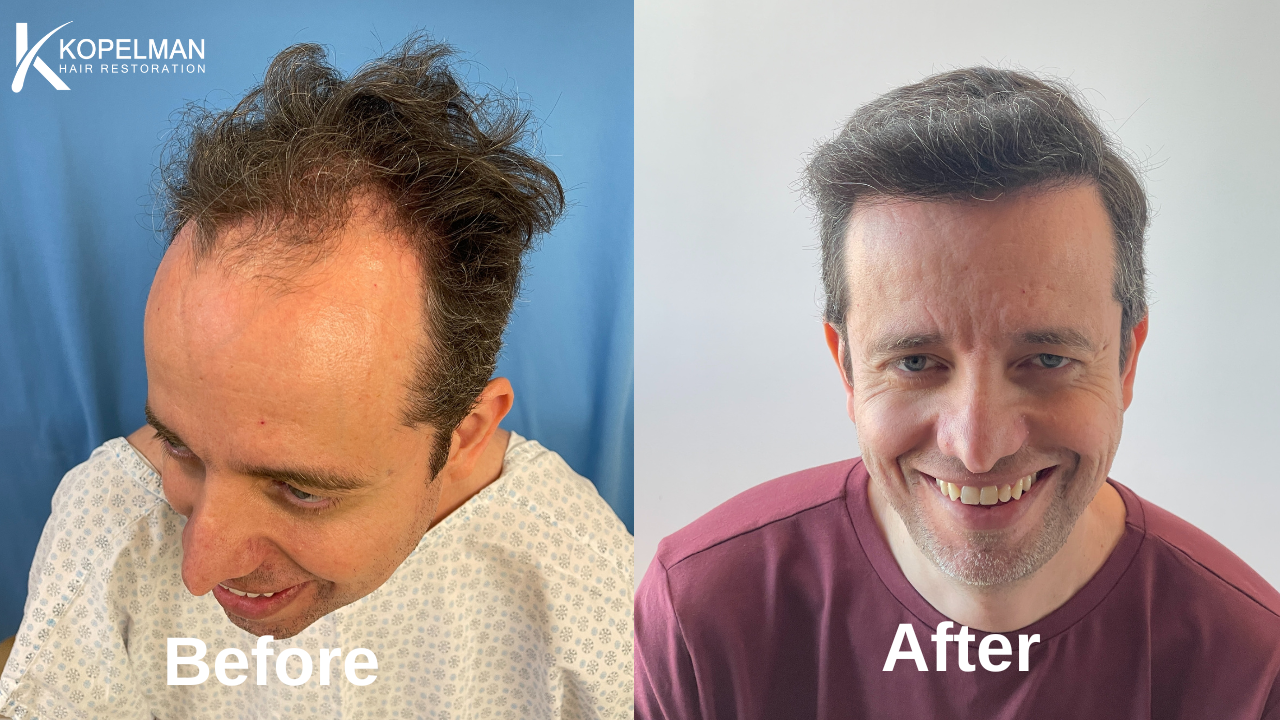
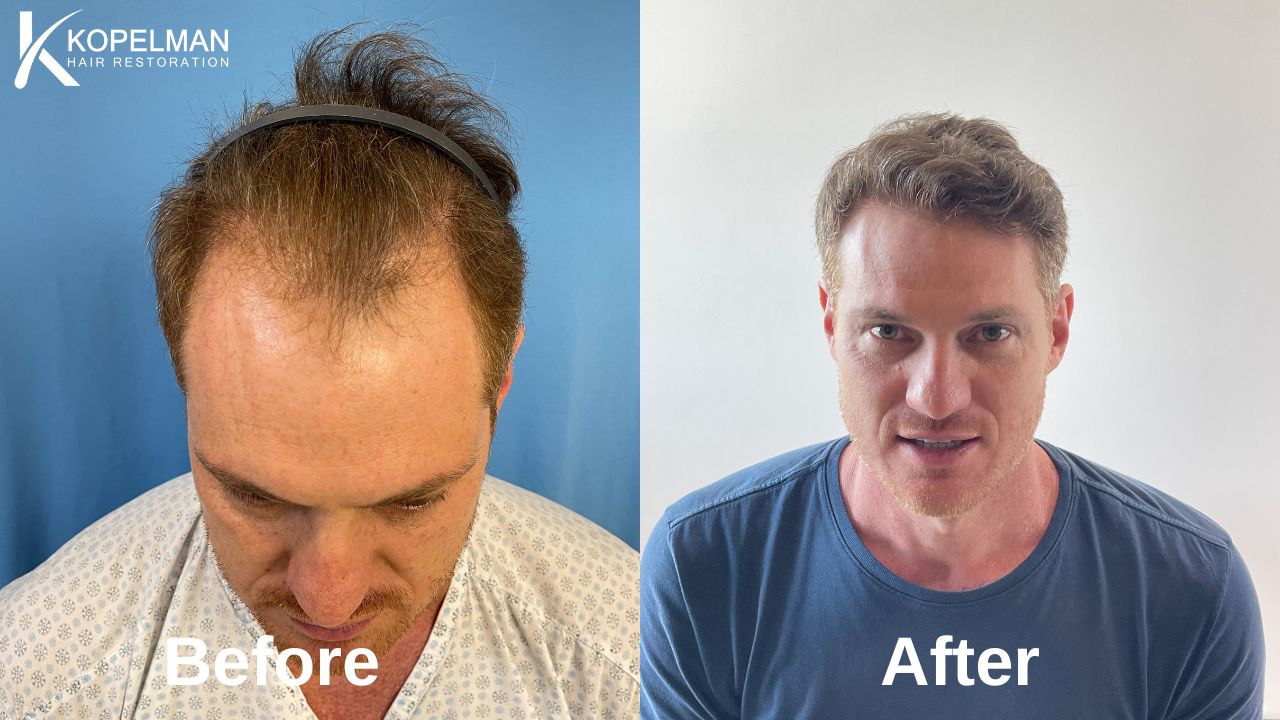
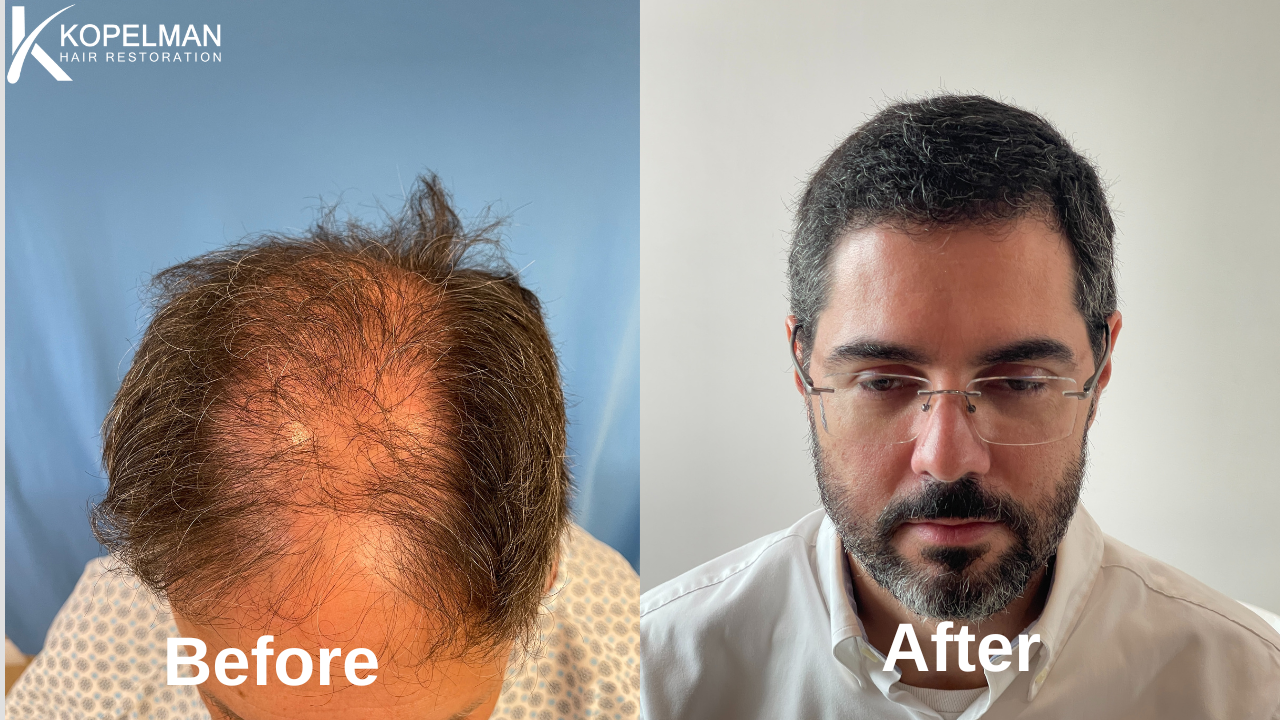
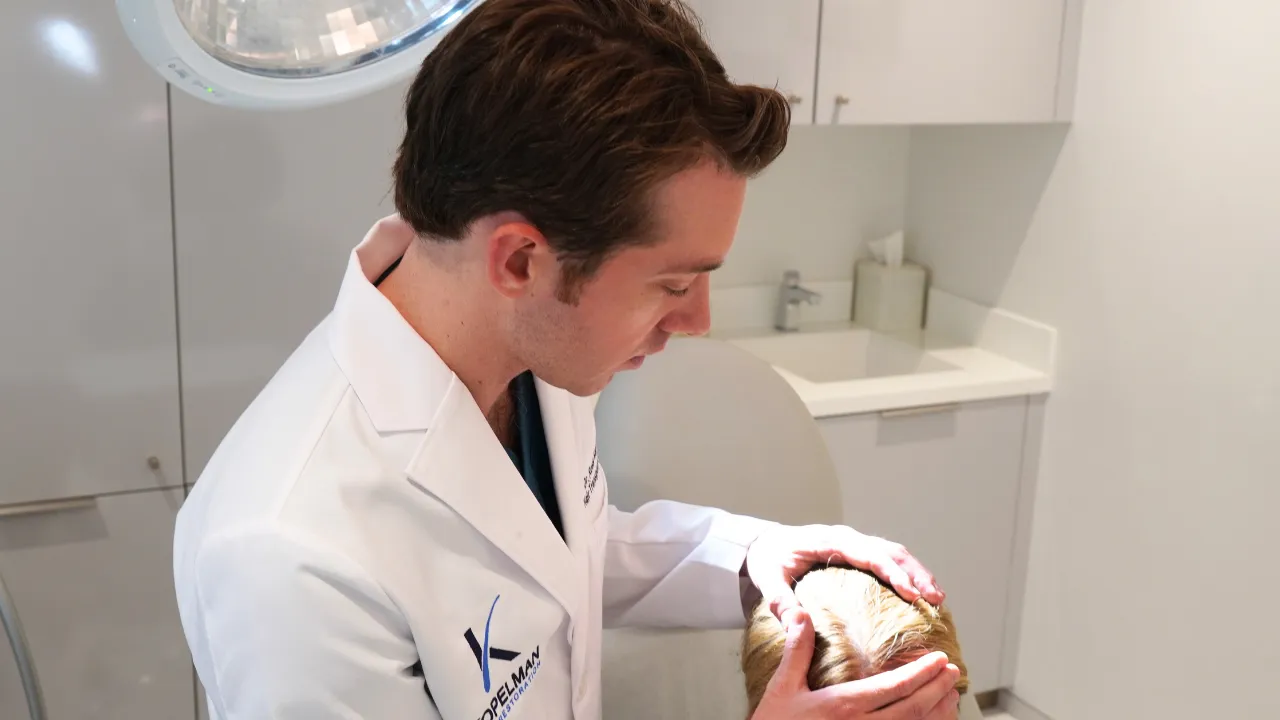
Persistent thinning, heavy shedding, or ongoing scalp discomfort may call for a professional hair restoration evaluation. Specialists can identify underlying causes, such as hormonal shifts or product misuse, and recommend treatments that fit.
Advanced Restoration Options at Kopelman Hair
At Kopelman Hair, we offer advanced solutions, including:
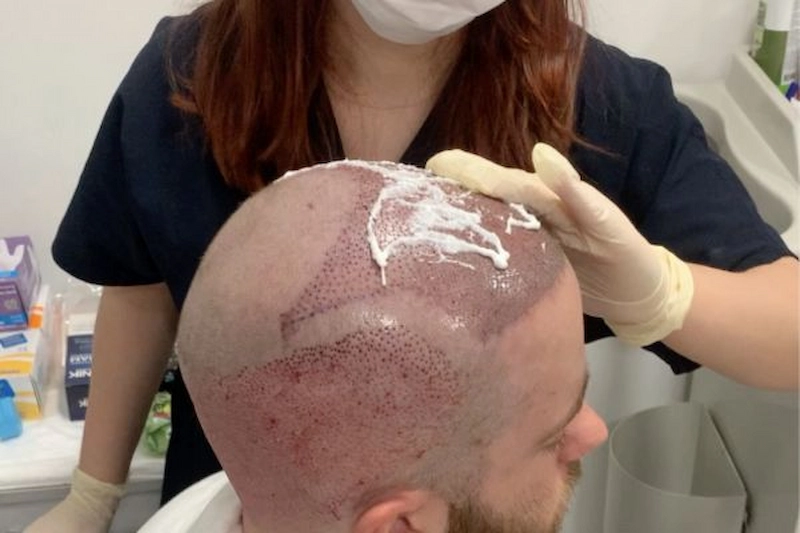
- Follicular Unit Extraction (FUE): Natural, minimally invasive restoration.
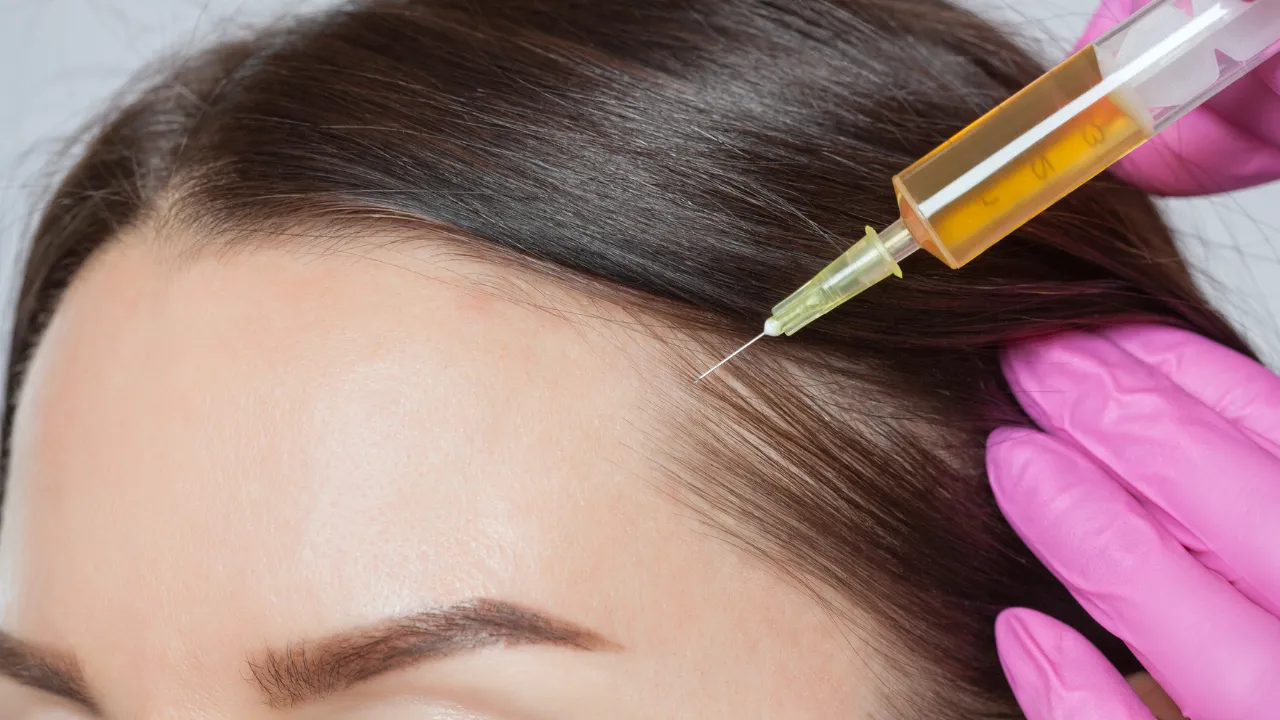
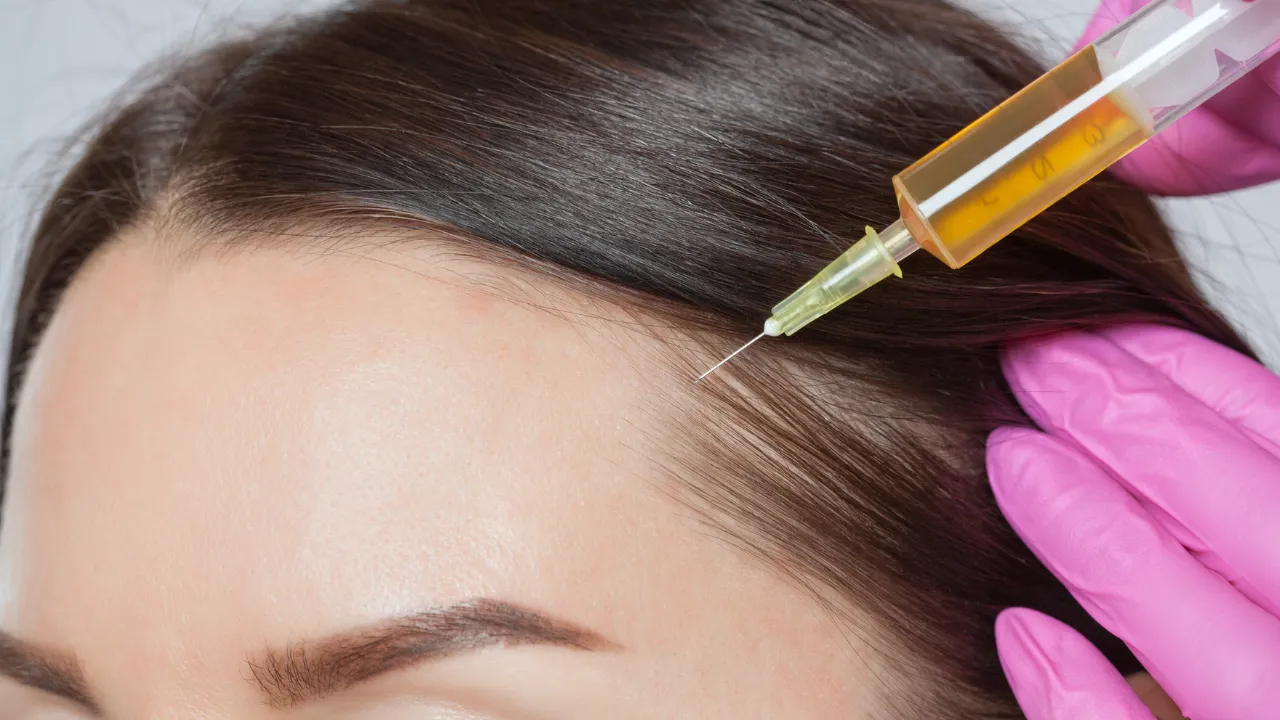
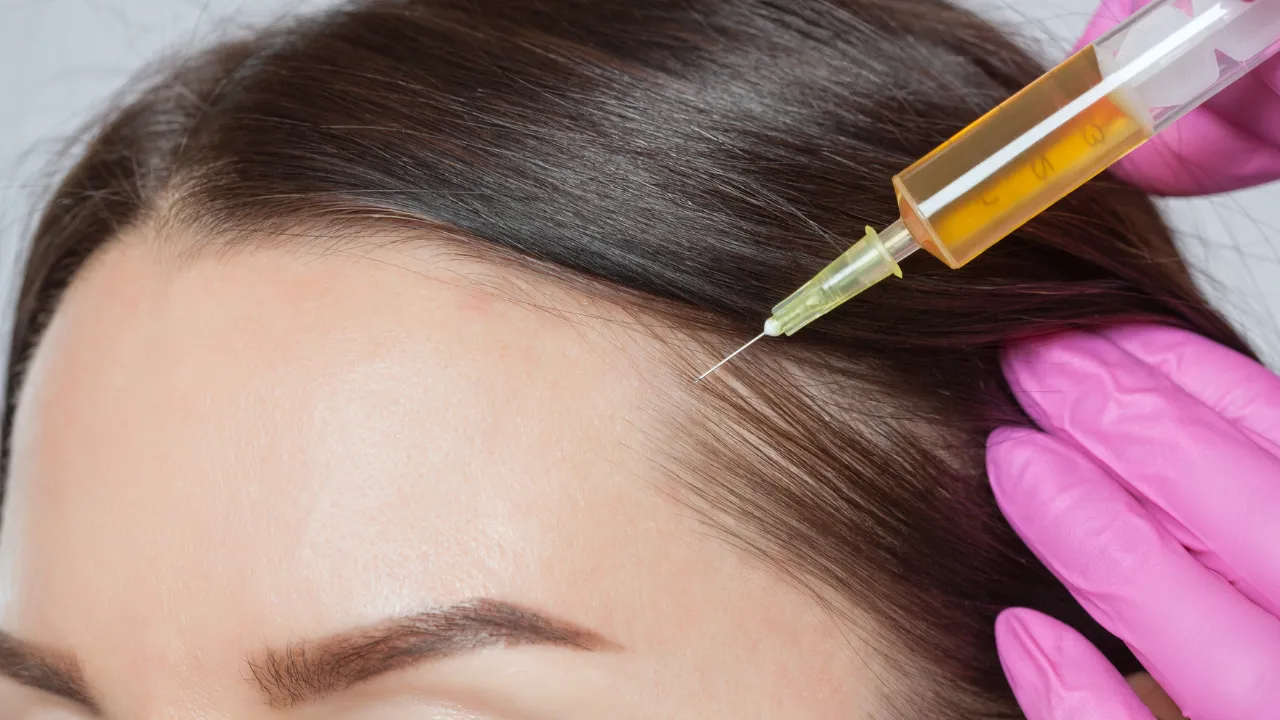
- Platelet-Rich Plasma (PRP) Therapy: Stimulates growth by improving follicle health.
- Custom Restoration Plans: Tailored to your specific needs.
Our team helps you regain confidence with healthier, fuller results.
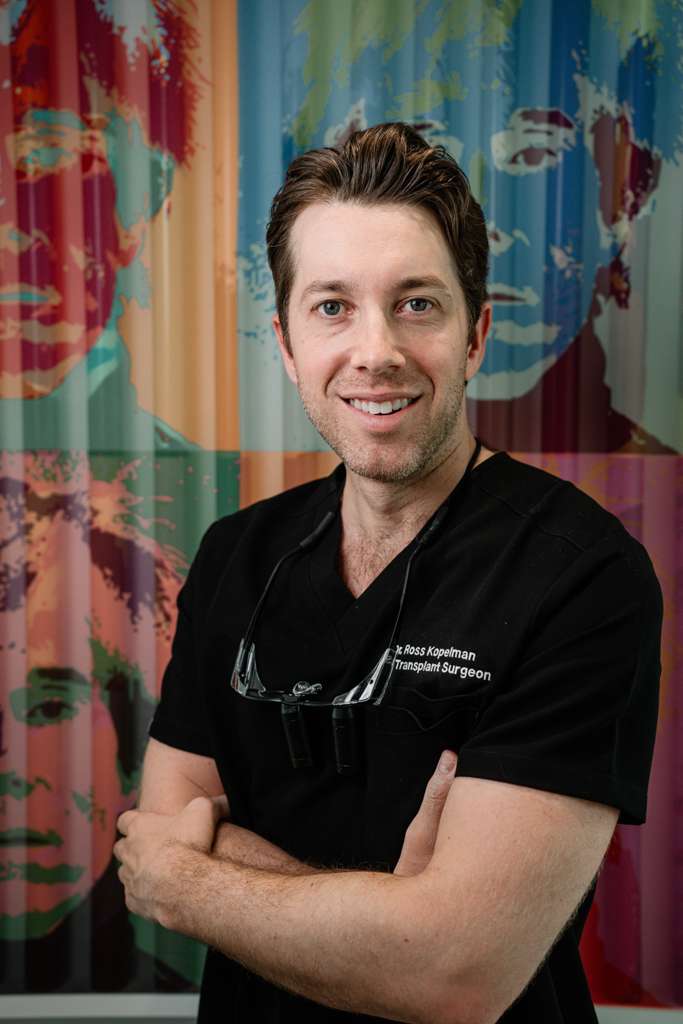
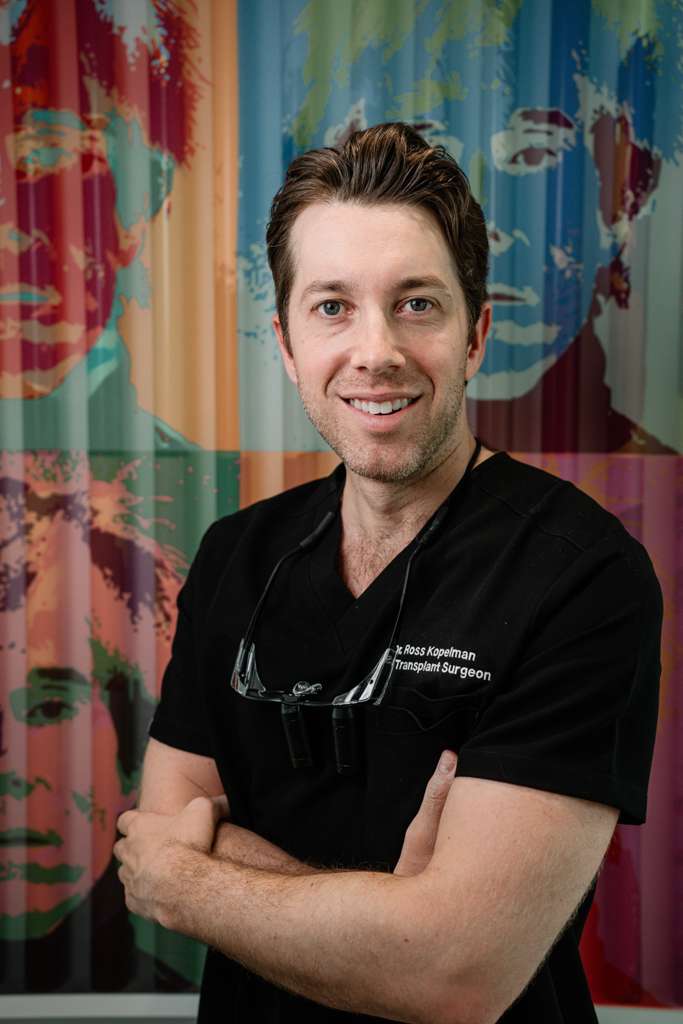
For those dealing with thinning or similar concerns, consider speaking with Dr. Kopelman. This father-son team has more than 35 years of combined clinical experience.
They focus on personalized care for every client. Dr. Kopelman’s expertise can help you find the right solution for your situation. Schedule a consultation today to explore your options.
Is Texture Powder Bad for Your Hair FAQs
Is Styling Powder Bad for Your Hair?
Styling powder is not bad for your hair when used in moderation. Overuse can lead to dryness, brittleness, and buildup, affecting hair health. Pairing it with deep conditioning treatments can counteract these effects and keep hair feeling soft.
Can Talc Powder Cause Hair Loss?
Talc in hair styling powder is generally safe if asbestos-free. Low-quality talc or poor scalp hygiene may lead to irritation and blocked follicles, potentially impacting hair growth. Always choose high-quality products and maintain good scalp care.
Is Hair Powder Bad for Your Lungs?
Inhalation of fine powder particles can irritate the respiratory system. Apply styling powder in well-ventilated areas and avoid breathing it in directly to minimize risks.
Does Hair Color Powder Cause Hair Loss?
Hair color powder, similar to texture powder, doesn’t inherently cause hair loss. However, buildup from frequent use can weaken the scalp’s health. Opt for gentle products and practice proper hair care to avoid damage.
Can I Use Hair Powder Every Day?
Daily use is not recommended due to potential buildup. Opt for lightweight formulas and wash your hair regularly to maintain a healthy balance. Incorporating hair care routines, like deep conditioning treatments, can also support overall hair health.