A balanced diet paired with the right intake can improve growth quality, but the effects are gradual and differ from person to person. Consistency and general wellness matter just as much as any single capsule.
At Kopelman Hair, we know that not all supplements are equal, and choosing the right nutrients is essential for healthy facial hair development. Backed by years of clinical work, Dr. Kopelman offers evidence-based guidance on how these nutrients strengthen each strand, support density, and improve overall condition.
Do These Vitamins Actually Work?
Yes, but with an important qualifier. Nutrients like biotin, vitamin C, and horsetail extract help reinforce the hair shaft, which can make facial hair look fuller over time. If you want to see how one of these nutrients affects the scalp, too, read our guide on the best vitamin D for hair loss.
The honest part is this: genetics set the ceiling. Dr. Kopelman notes that supplements help most when a man is genuinely low in a key nutrient, and they work best alongside a solid diet, good hydration, and consistent grooming. In our practice, the men who respond best are usually the ones who were deficient to begin with.
If your diet is already balanced and your bloodwork is normal, adding more of a nutrient rarely produces a dramatic change. That is why testing for deficiency first is often smarter than guessing.
Key Vitamins and Nutrients for a Thicker Beard
Best Vitamins for Beard Growth and Thickness
Here are the nutrients that matter most, what each one does, and a general daily range commonly found in quality formulas. Always confirm dosing with your own physician.
(B7)
If you are wondering which vitamins help beard growth the most, biotin and vitamin D tend to top the list, since deficiencies in both are most strongly linked to weaker, slower growth.
What Is the Best Vitamin for Beard Growth?
Biotin is the one most people reach for first. It plays a direct role in producing keratin, thereby strengthening each strand, supporting steadier growth, and limiting breakage. This is why it anchors so many facial hair formulas.
That said, biotin only helps meaningfully if you are short on it. For a man with adequate levels, vitamin D or zinc may move the needle more, which is why a single “best” answer depends on your own nutrition and bloodwork.
Multivitamins vs. Targeted Formulas

Some men take a general multivitamin, while others choose a targeted facial hair formula. A daily multivitamin addresses broad nutritional gaps and supports overall wellness, which in turn benefits the follicles.
Purpose-built blends concentrate nutrients associated with keratin, collagen, and follicle health, often adding ingredients such as MSM, collagen, and silica. For a man on a balanced diet, a quality multivitamin may be enough; for someone with known gaps, a focused blend may be a better fit.
Natural Food Sources
You can get most of these nutrients from food, which is often the most reliable route. Good sources include:
- Eggs: Rich in biotin and protein.
- Citrus fruits: Provide vitamin C to support collagen.
- Spinach and kale: Supply iron and folate.
- Nuts and seeds: Offer zinc and healthy fats that keep skin and strands hydrated.

Comparing Different Product Types
Pills, Oils, and Sprays: Which Works Best?
| Product Type | How It Works | Effect on Growth Speed |
|---|---|---|
| Capsules and tablets | Deliver a consistent daily dose of nutrients absorbed internally; the most studied method. | Address nutrition at the source. |
| Topical oils | Hydrate and soften the surface and the skin underneath. | Do not speed growth on their own. |
| Sprays | Often contain caffeine or botanicals meant to improve circulation at the skin. | Supportive, not a primary driver. |
| Serums | Applied directly to the skin to target sparse areas, often with soothing ingredients. | A complement to internal nutrition, not a replacement. |
How a Serum Differs
Unlike oral pills, serums are applied directly to the skin. They target sparse areas and often include soothing, anti-inflammatory ingredients to calm irritation, which makes them a complement to internal nutrition rather than a replacement.
How Long Until You See Results?
This is the question most men forget to ask. Facial hair grows slowly, so patience is part of the process. Most people who are correcting a real deficiency notice early changes in texture and strength within a few weeks.
Visible improvements in fullness and density usually take longer, generally three to six months of consistent daily use. Because each strand cycles on its own schedule, results build gradually rather than all at once.
Dr. Kopelman advises giving any nutritional approach at least 90 days before judging it. Stopping at week three is the most common reason men conclude that nutrients “did nothing.”
Are There Side Effects?
Ingredients That May Cause Issues
Most facial hair supplements are well tolerated, but a few cautions apply:
- Excess biotin: Very high doses can contribute to breakouts in some people and may interfere with certain lab tests.
- Too much vitamin A: Ironically associated with shedding, so avoid megadoses.
- Allergic reactions: Some proprietary blends include botanicals that can trigger sensitivities.
Who Should Be Careful
Anyone with a medical condition or taking prescription medication should speak with a doctor before starting a new regimen, since some nutrients interact with common drugs.
How to Choose the Right Formula
When comparing options, weigh these factors:
- Ingredient quality: Look for proven nutrients like biotin, vitamin D, and zinc in sensible doses.
- Transparent labeling: Favor products that publish a full supplement facts panel rather than hiding everything in a “proprietary blend.”
- Verified reviews: Read real customer feedback for patterns, not just star ratings.
- Third-party or facility standards: Formulas made in regulated facilities provide greater assurance about what is actually inside.
Getting the Most From Your Routine
Lifestyle, Diet, and Skin Care
To get the best return from any nutrient plan, support it with daily habits:
- Eat a balanced diet built around the foods listed above.
- Stay hydrated to support skin and follicle health.
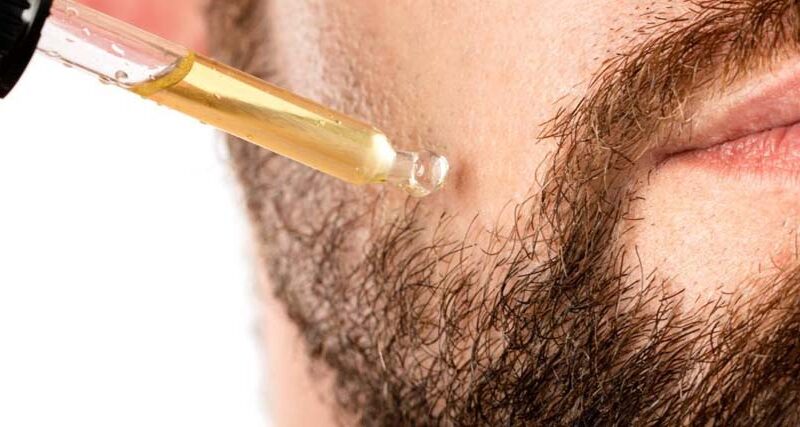
- Care for the surface with oils that keep the skin underneath soft and calm.
Common Myths
- “Nutrients alone will grow facial hair.” They help, but genetics remain the deciding factor in how much hair you can grow.
- “More biotin means faster growth.” Extra biotin will not accelerate anything once your levels are adequate, and it may cause side effects.
Frequently Asked Questions
What vitamins are good for beard growth?
The nutrients with the strongest links are Biotin, Vitamin D, Vitamin C, Vitamin E, and Zinc. They support keratin production, collagen, follicle cycling, and skin health. When people ask what vitamins help beard growth, these five are the reliable starting point, and they work best when you are genuinely low in one of them.
Do beard growth pills actually work?
Beard growth pills can help when they correct a real nutritional gap, since they deliver the nutrients your body uses to build stronger strands. They will not override genetics, so a man with an already balanced diet may notice little change. Testing for a deficiency first is smarter than guessing.
How long before I see results?
Most men who are correcting a deficiency notice changes in texture and strength within a few weeks. Visible improvements in fullness and density usually take three to six months. Dr. Kopelman suggests giving any nutritional plan at least 90 days before judging it.
Can these nutrients fix a patchy beard?
They can increase density where follicles already exist but are underperforming due to poor nutrition. They cannot create growth in areas where follicles are simply not present, since that is set by genetics. For true gaps, a clinical consultation is the better path.
Is it safe to take biotin every day?
Daily biotin is generally well tolerated. Very high doses can contribute to breakouts in some people and may skew certain lab results, so mention any supplement to your doctor before bloodwork. More biotin will not speed growth once your levels are adequate.
Can I get these nutrients from food instead of pills?
Yes. Eggs, citrus fruits, leafy greens, nuts, and seeds supply biotin, vitamin C, iron, zinc, and healthy fats. Food is often the most reliable source when your diet is varied, and it supports overall wellness.