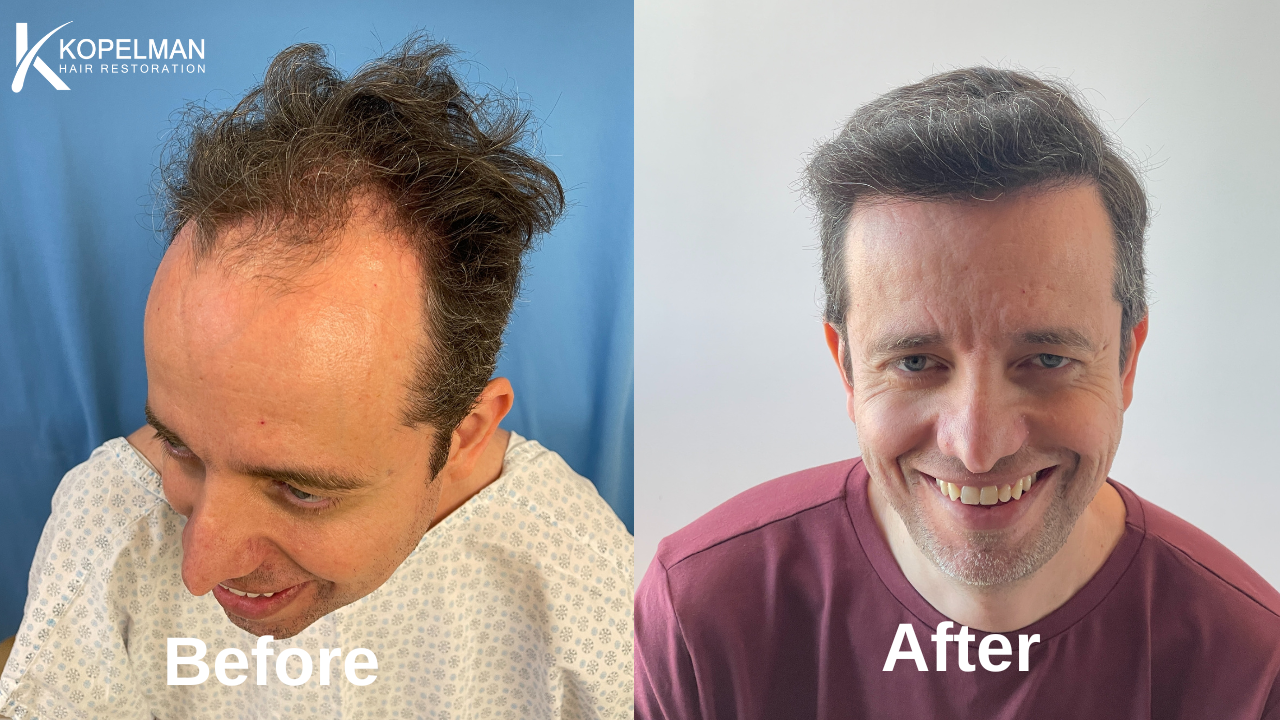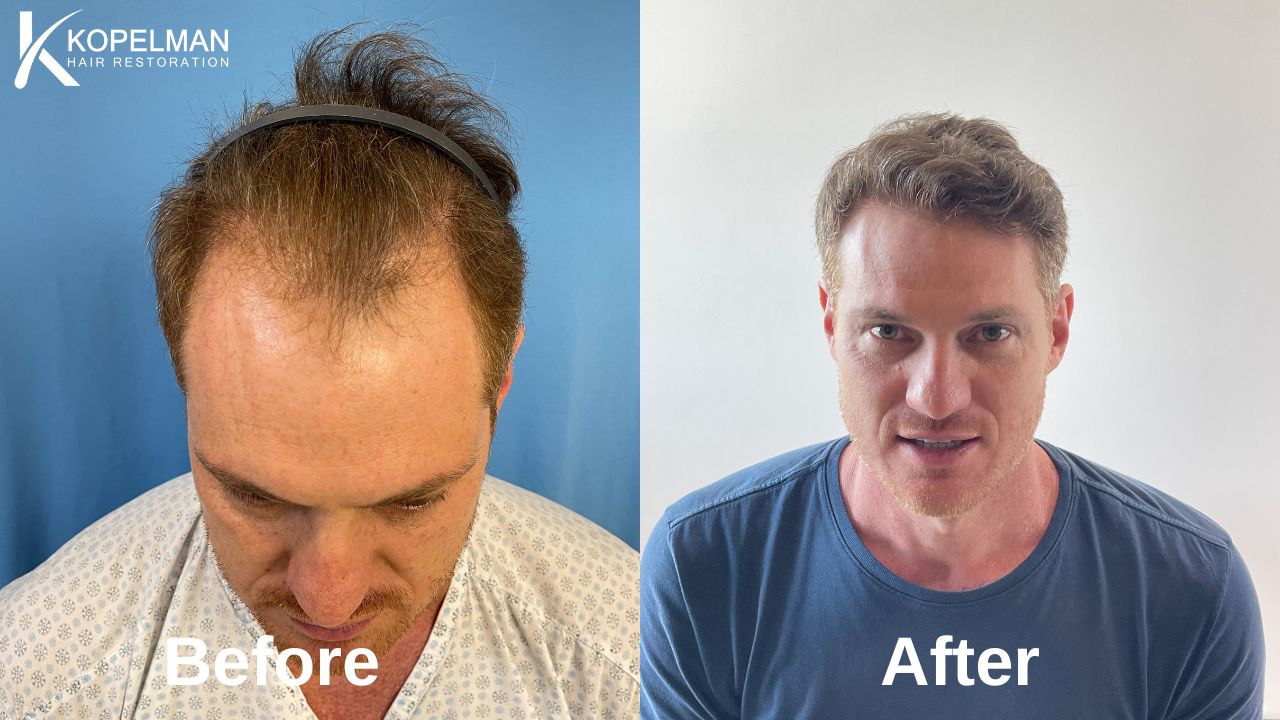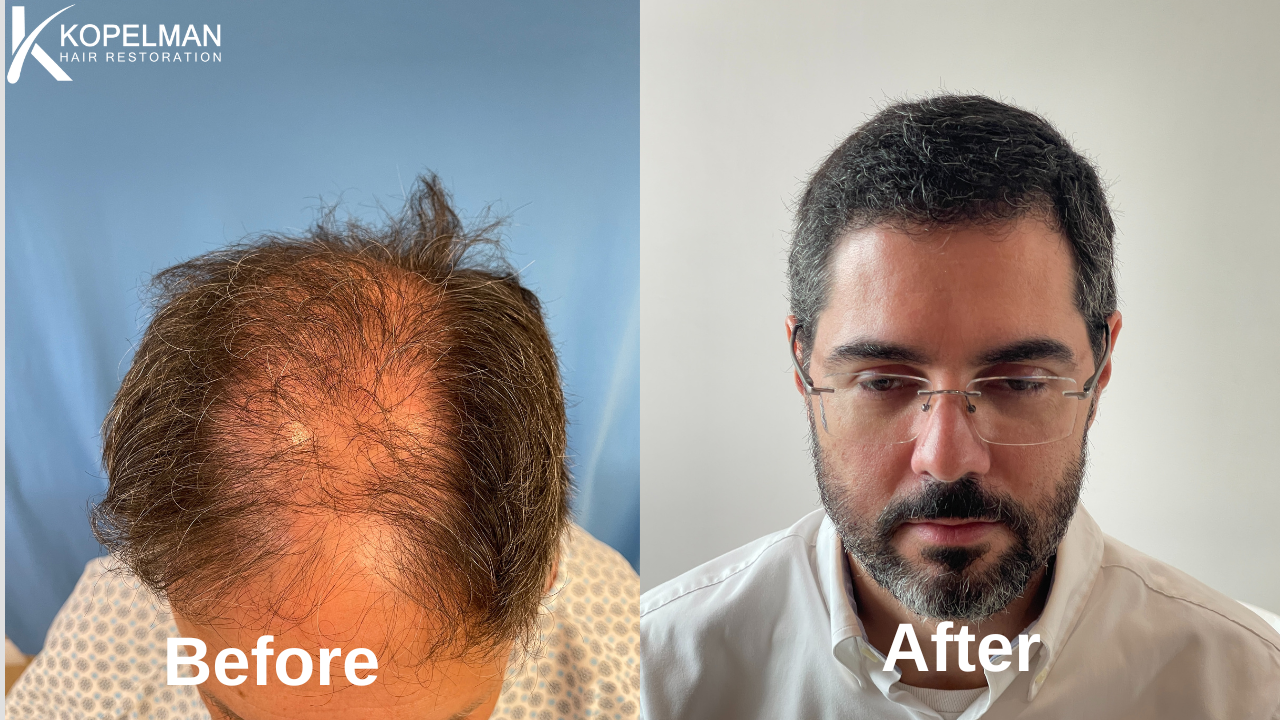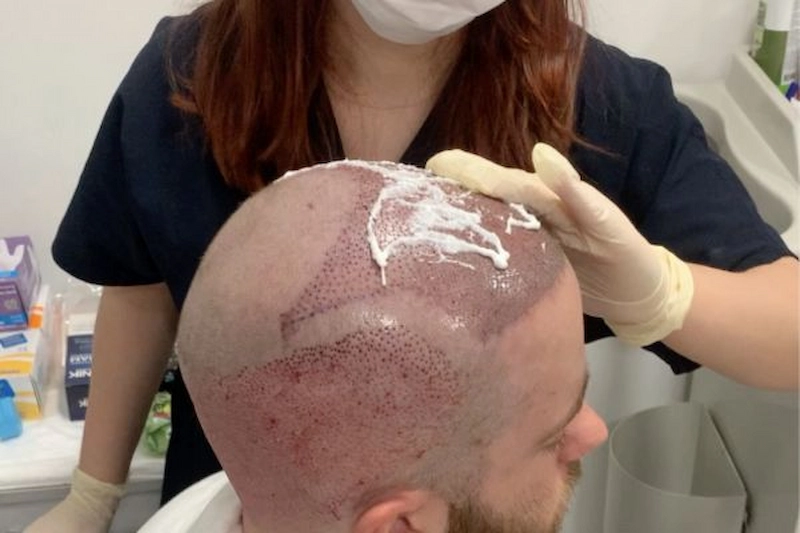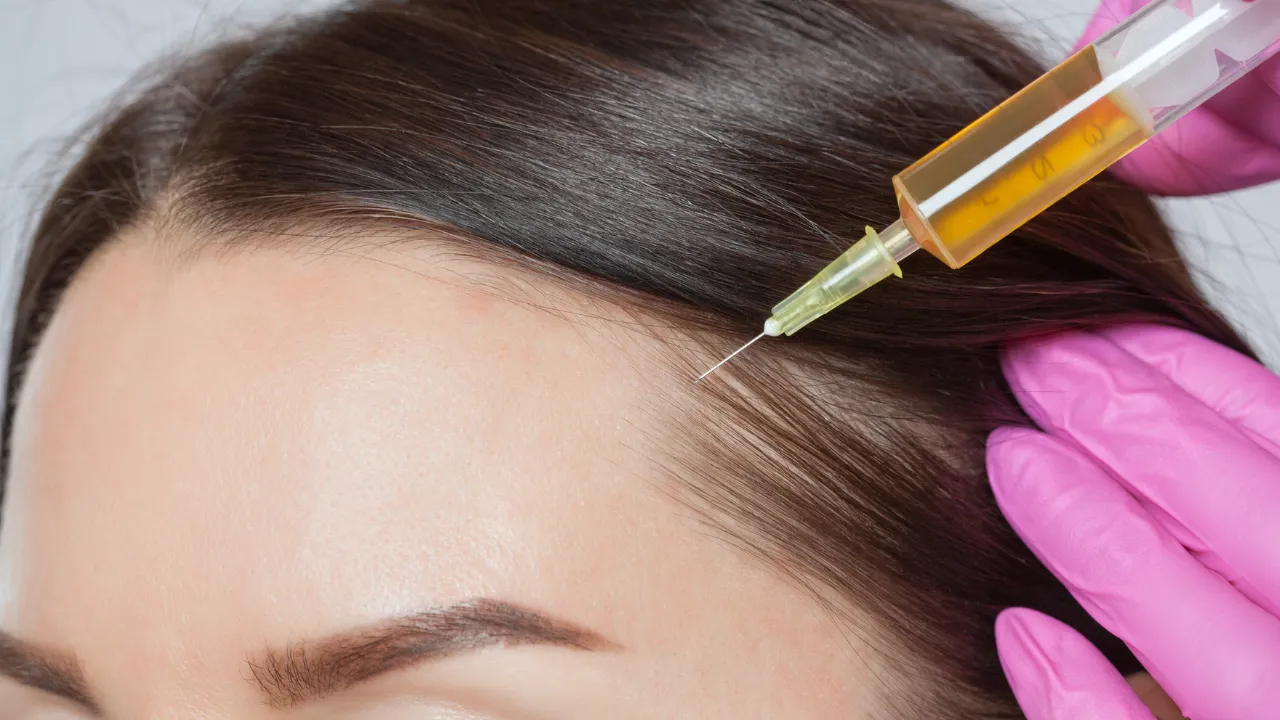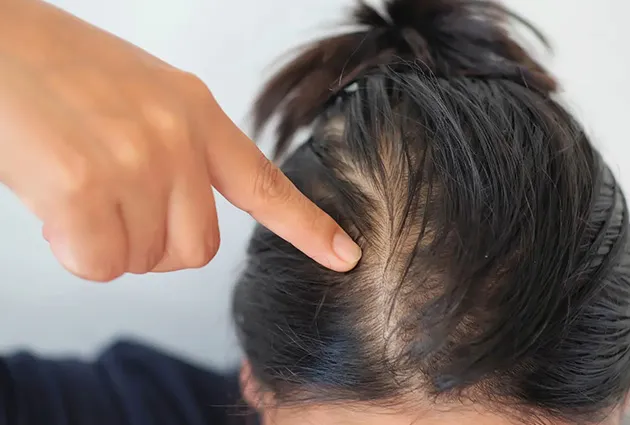
Understanding how much density has been affected may involve tools like a hair graft estimator, which helps gauge the extent of the change and what any future restoration might require.
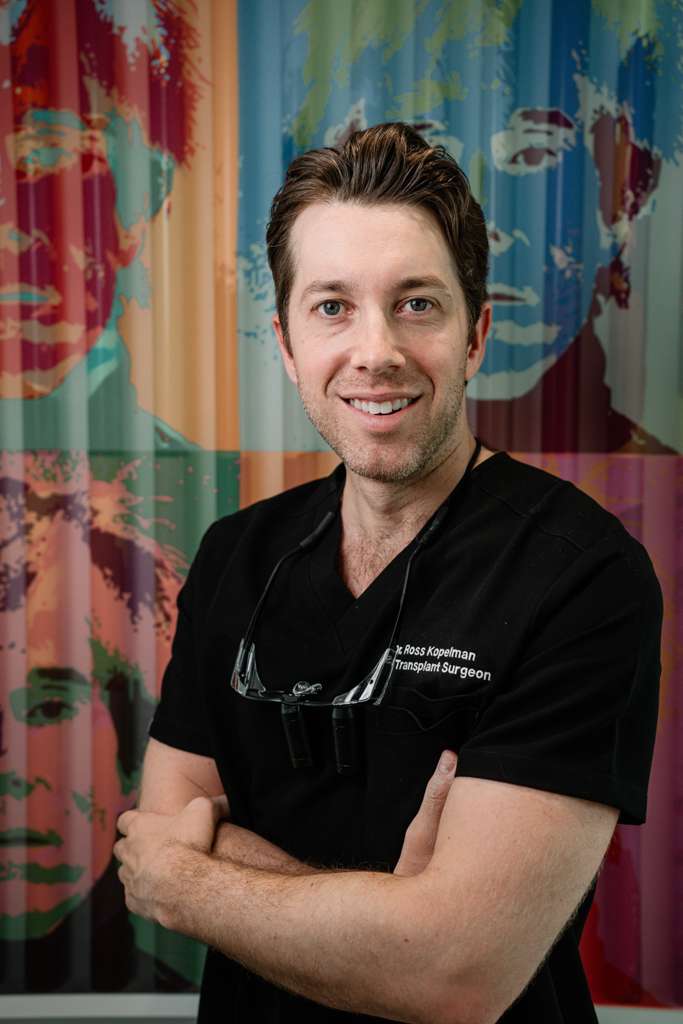
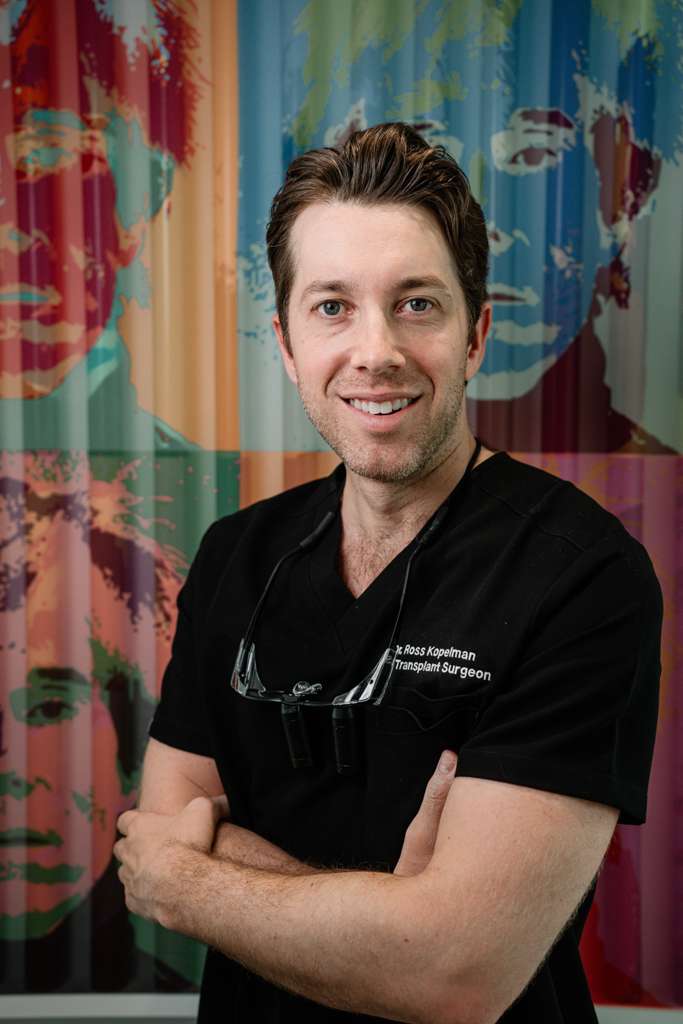
Dr. Ross Kopelman, a trusted specialist in hair and scalp health, emphasizes how environmental factors, such as mold, can affect the scalp. If you have noticed thinning, shedding, or even hair mold after water damage or high humidity, this guide explains the connection and the steps that help.
Indoor dampness is more common than most people assume. Global reviews estimate that 10% to 50% of buildings in regions such as North America and Europe show signs of moisture or mold, meaning many people are exposed without realizing it.
Understanding Mold Exposure and Its Health Effects
Common Symptoms of Mold Exposure
Mold exposure can cause a wide range of problems beyond the scalp. Common signs include respiratory irritation, skin reactions, headaches, and fatigue.
Spores can trigger allergic reactions and strain the immune system, leading to inflammation that affects overall health. Recognizing these signs early makes it easier to connect them to changes in your strands.
Watch for these symptoms that often accompany an indoor mold problem:
- Chronic coughing, sneezing, or congestion
- Itchy, watery eyes or a scratchy throat
- Shortness of breath or worsening asthma
- Skin rashes, hives, or unexplained irritation
- Persistent fatigue, brain fog, or headaches
- A musty smell in damp rooms, basements, or bathrooms
When several of these appear alongside new shedding, mold is worth investigating as a contributing factor.
What Does Black Mold Do to Your Hair?
Black mold, scientifically known as Stachybotrys chartarum, releases mycotoxins that can burden the body.
Prolonged exposure to these toxins can trigger inflammation that disrupts follicles and weakens their ability to function. Over time, that can show up as thinning or, in severe cases, visible shedding.
So, can black mold cause hair shedding? It can, depending on the level of exposure and your individual sensitivity. People who live or work in water-damaged spaces for long stretches face the highest risk, especially when their immune response is already heightened.
Mold Exposure, Dandruff, and Scalp Health
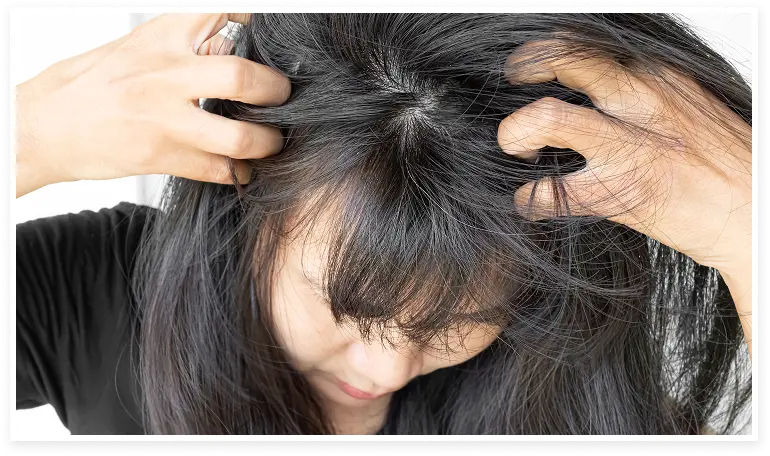
The scalp is where mold exposure, dandruff, and scalp health often intersect. Spores that land on the skin or get trapped in damp strands can irritate the surface, leaving it flaky, itchy, and inflamed.
In some cases, visible buildup appears, sometimes described as hair mold, particularly with poor scalp hygiene or frequent dampness.
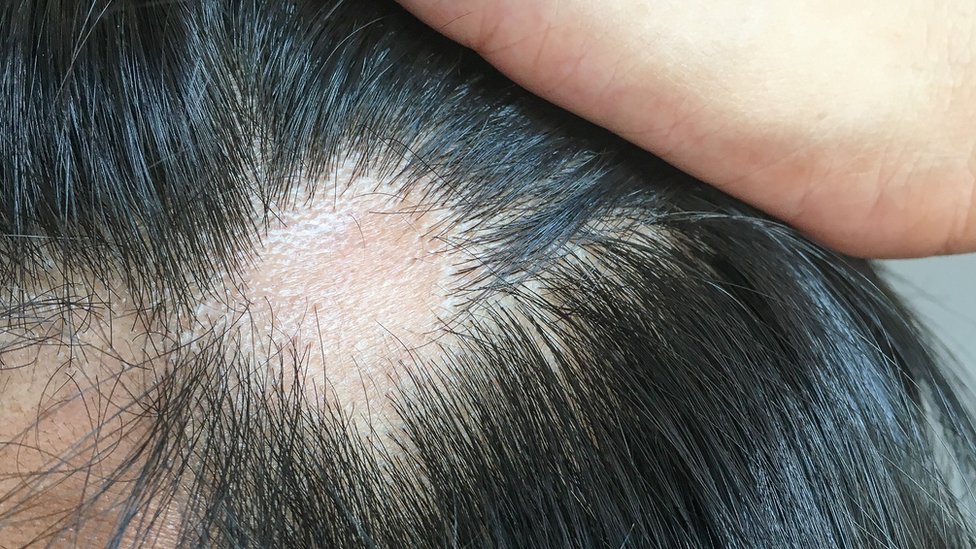
A consistently irritated, inflamed scalp is a poor foundation for healthy growth. Left unaddressed, that irritation can contribute to conditions like alopecia areata, which is marked by patchy hair shedding.
This link between mold and the scalp shows how environmental factors can quietly worsen existing problems with the scalp’s follicles.
How Mold Exposure Affects Your Hair
Because strands are not essential for survival, the body tends to divert resources away from follicles when it is under stress. That makes them one of the first systems to suffer from mold illness. Here are the main ways exposure interferes with normal growth.
| Mechanism | How Mold Triggers It | Impact on Follicles |
|---|---|---|
| Chronic inflammation | Spores enter through the lungs, skin, or gut and set off a lasting immune response. | Restricted blood flow starves follicles, producing thinner strands and easier shedding. |
| Immune disruption | The immune system swings into overdrive or becomes worn down. | Follicles are mistakenly attacked or left vulnerable and slow to recover. |
| Hormonal imbalance | Cortisol and estrogen levels are pushed off balance. | Follicles enter a resting phase early, leading to heavier fallout weeks later. |
| Mycotoxin production | Black mold toxins circulate in the bloodstream after inhalation. | Disrupted cell function and nutrient delivery leave strands weaker and slower to grow. |
| Nutrient deficiencies | Gut absorption of biotin, zinc, iron, and vitamin D is impaired. | Follicles underperform, showing up as breakage and reduced density. |
| Telogen effluvium | Sustained physiological stress affects many follicles at once. | A large share shift into the resting phase and shed together; usually reversible. |
Mold and Hair Loss: What You Need to Know
Can Mold Exposure Lead to Thinning?
Yes, it can. The toxins mold produces can cause systemic inflammation and throw the body off balance. That inflammation and immune activity can damage follicles, leading to thinning or shedding over time.
Mold is rarely the only factor, though. Stress, medications, and nutrient gaps can all play a role. For example, certain prescription drugs can affect the growth cycle; learn more in our guide on does Adderall cause hair loss. Other environmental and lifestyle factors, like marijuana use or poor nutrition, may contribute as well.
Is Shedding From Mold Reversible?
In many cases, yes. Once the source of the mold is removed and the scalp begins to heal, follicles can regain their normal function. Dr. Kopelman recommends addressing mold-related health issues promptly to improve the odds of a full recovery.
In his clinical experience, regrowth from stress-related shedding often becomes noticeable within three to six months after exposure ends, though timelines vary with severity.
Can Mold Cause Alopecia Areata?
So, can mold directly cause alopecia areata? Not on its own, but it can act as a trigger. In people with sensitivities or weakened immunity, exposure may trigger an autoimmune reaction that targets hair follicles, causing patchy hair loss.
Managing the exposure and the immune response together gives the scalp its best chance to recover.
Who Is Most at Risk?
Not everyone exposed to mold will notice changes in their strands. Some people are far more sensitive to spores and mycotoxins than others. You may be at higher risk if you:
- Have asthma, allergies, or chronic sinus issues
- Live with an autoimmune or inflammatory condition
- Have a weakened or compromised immune system
- Spend long periods in a water-damaged home or workplace
For these groups, even moderate exposure can be enough to tip follicles into a shedding phase.
Feel free to check out our related articles:
- Can steroids cause hair shedding?
- Does creatine cause hair loss?
- Does Phentermine Cause Hair Loss?
- Does Anesthesia Cause Hair Shedding?
- Does Metformin Cause Hair Loss?
Preventing Mold-Related Shedding
DIY Steps to Test for Mold at Home
Checking your home is a smart first step. DIY testing kits are widely available and can flag problem areas. Focus on damp, water-prone spots such as basements, bathrooms, and rooms with high humidity.
Mold Remediation Methods to Protect Your Health
Removing mold is essential to prevent further problems, including effects on your scalp. Professional remediation involves identifying the source, thoroughly cleaning affected areas, and preventing regrowth.
The EPA offers practical guidance on cleanup, and keeping living spaces dry and well ventilated significantly lowers the risk.
A quick bleach scrub rarely solves a deeper infestation, so call a specialist when contamination is widespread.
Using Mold Testing Kits Effectively
For reliable results, follow each kit’s instructions closely and test several areas, especially moisture-prone ones. If a test points to a problem, consult a remediation professional to resolve it completely.
Restoring Hair After Mold Exposure
Effective Treatments for Mold-Related Hair Loss
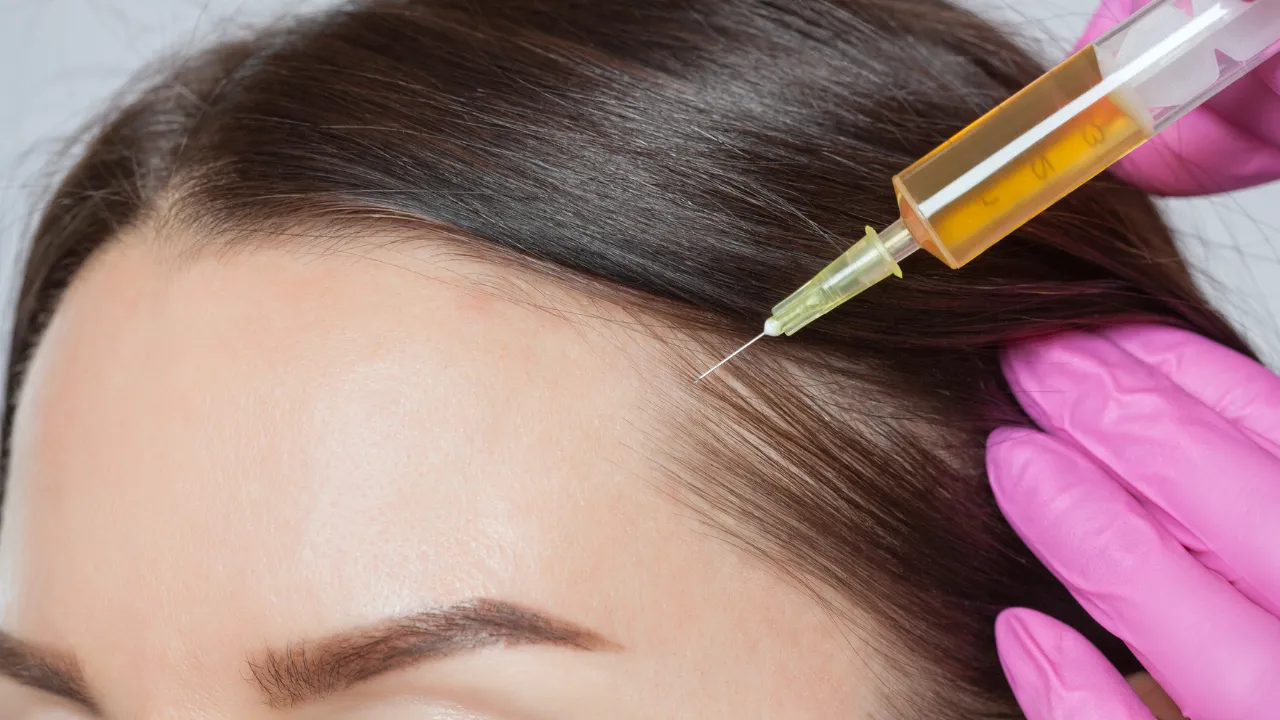
Dr. Kopelman recommends approaches that support both scalp health and renewed growth. These may include anti-inflammatory care, medicated or antifungal shampoos, and targeted nutritional support that helps follicles recover.
Low-level laser therapy is another option that can stimulate follicles and improve scalp circulation.
Seeking Professional Help
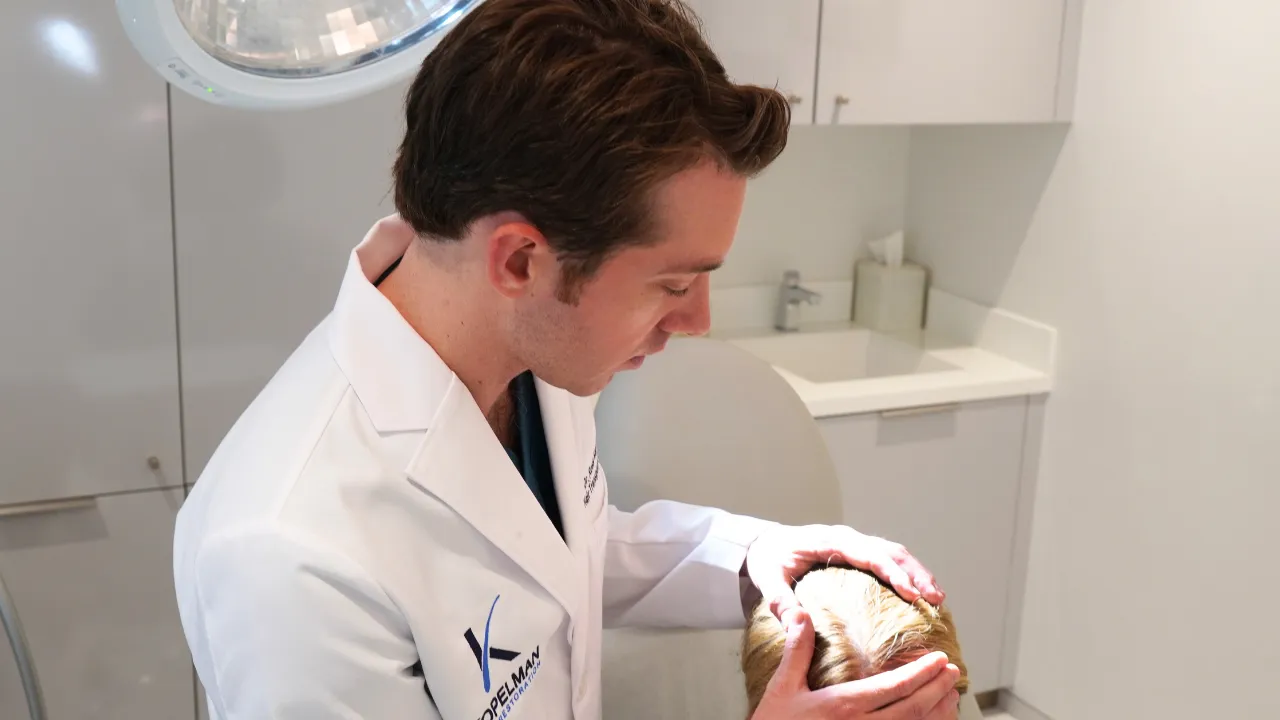
If you have experienced significant thinning after exposure to mold, consulting a specialist like Dr. Kopelman is worthwhile. He can evaluate your scalp, recommend tailored treatment, and offer advanced options such as transplantation when appropriate.
Long-Term Solutions for a Healthy Scalp
Lasting results come from addressing both internal and external factors. A balanced diet, stress management, and a mold-free home all matter. Regular scalp care and periodic check-ups help keep your strands strong over time.
| Mold | Common Name | Typically Found | Link to Shedding |
|---|---|---|---|
| Stachybotrys chartarum | Black mold | Water-damaged drywall and damp basements | Potent mycotoxins; the strongest link to inflammation and shedding. |
| Aspergillus | — | Damp indoor surfaces and HVAC systems | Releases toxins that can drive inflammation and immune strain. |
| Penicillium | — | Water-damaged materials and fabrics | Triggers allergic reactions and immune stress that can worsen shedding. |
Frequently Asked Questions
What kind of mold causes shedding?
Lorem ipsum dolor sit amet, consectetur adipiscing elit. Ut elit tellus, luctus nec ullamcorper mattis, pulvinar dapibus leo.
Can black mold cause hair loss specifically?
Yes. Black mold produces potent mycotoxins that can fuel inflammation, immune disruption, and hormonal changes, all of which can interfere with the growth cycle and lead to thinning.
How long does it take to recover?
When shedding is stress-related, regrowth often begins within three to six months after the exposure ends. More severe or prolonged cases can take longer and may benefit from professional treatment.
How can I tell if mold is the cause?
Look for shedding that appears alongside other mold symptoms, like congestion, fatigue, skin irritation, or a musty home. A specialist can help rule out other causes and confirm the connection.
Can Mold Toxicity Cause Hair Loss, and How Can Dr. Kopelman Help?
Mold exposure can lead to real health problems, including thinning, but recovery is realistic with the right plan. Dr. Kopelman’s expertise in hair follicle health ensures that people affected by mold-related shedding receive the care and support they need.
By treating the root cause and following effective therapies, you can rebuild density and protect your overall well-being.
Can mold make your strands fall out? Yes, but with prompt action and proper care, you can regain both your confidence and a healthy scalp.