

Can Women Safely Use Dutasteride?
Why Should Some Women Avoid Dutasteride?
Certain patients should exercise caution or avoid the medication altogether because of the following risks:
- Pregnancy Risks: Dutasteride can cause congenital disabilities, particularly affecting the development of sex organs in male fetuses.
- Hormonal Sensitivity: Women with hormone-related conditions may experience adverse reactions.
- Reproductive Age: Premenopausal women who could become pregnant are generally not candidates because of fetal exposure risk.
Consulting with specialists such as Dr. Kopelman is essential to understanding why some patients are not appropriate candidates for this therapy.
FDA Approval and Off-Label Use for Women
Dutasteride is not FDA-approved for treating female hair loss. However, off-label use under medical supervision has shown promising results in clinical studies. Dr. Kopelman’s expertise guarantees that medical professionals approach off-label treatments safely and effectively.
Combining Dutasteride with Minoxidil or Finasteride: Is It Safe?
Combining treatments for hair loss can enhance results:
- Dutasteride and Minoxidil in Women: Compared to finasteride, this combination addresses hormonal and follicular hair loss factors.
- Finasteride and Dutasteride: While 5-alpha reductase inhibitors, Dutasteride is more potent. Thus, combination therapy is less common but potentially effective under medical guidance.
Dutasteride Dosage, Effectiveness, and Real Results
Recommended Dosage for Female Hair Loss
The standard dosage for women varies based on individual needs. Doctors typically prescribe oral Dutasteride at lower doses for women than men, while topical Dutasteride provides a localized solution with fewer systemic effects. Dr. Kopelman tailors dosages to maximize effectiveness and minimize risks.
Best Time to Take Dutasteride for Optimal Results
Taking Dutasteride consistently, at the same time each day, optimizes results. Some studies suggest evening doses align with natural hormonal cycles. However, Dr. Kopelman gives personalized advice for the best results.
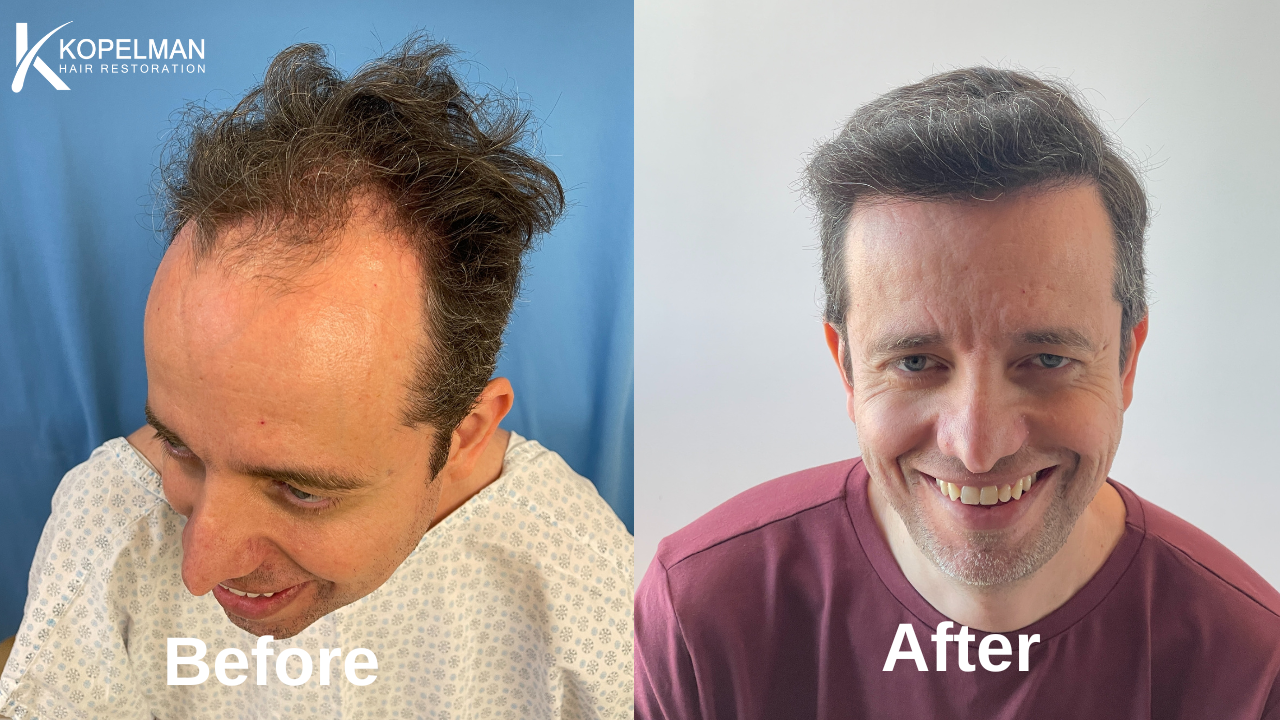
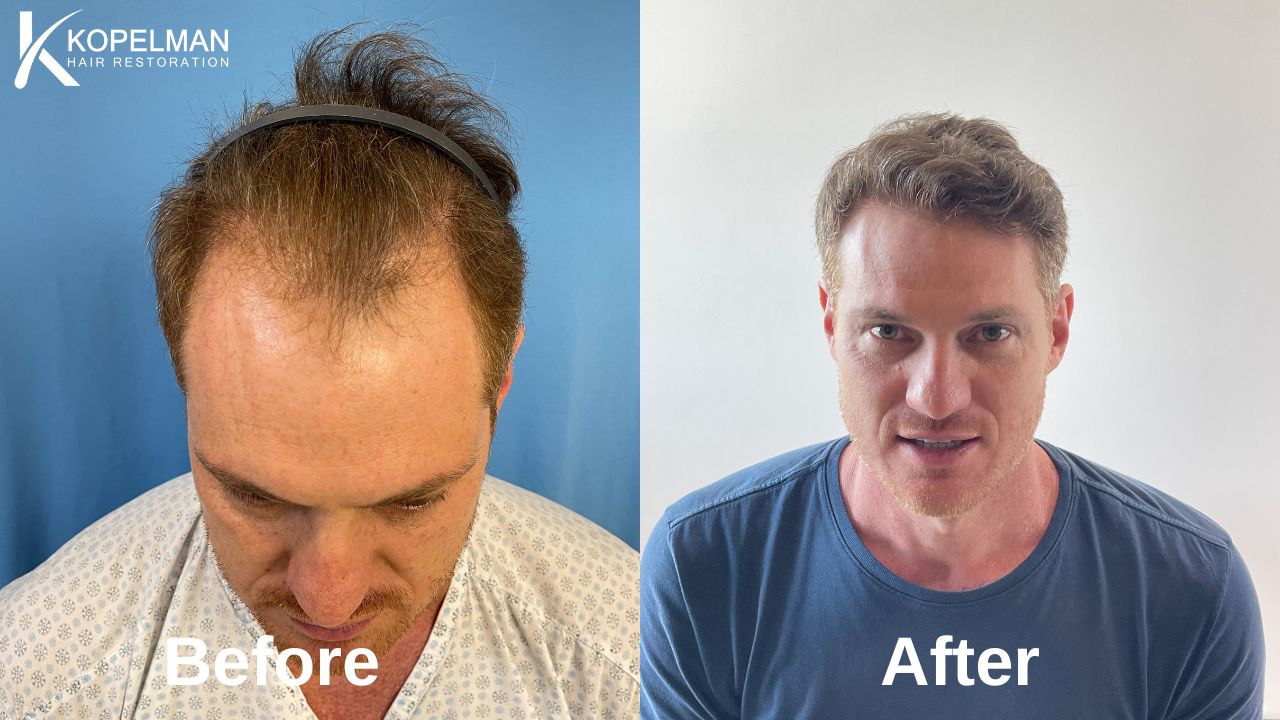
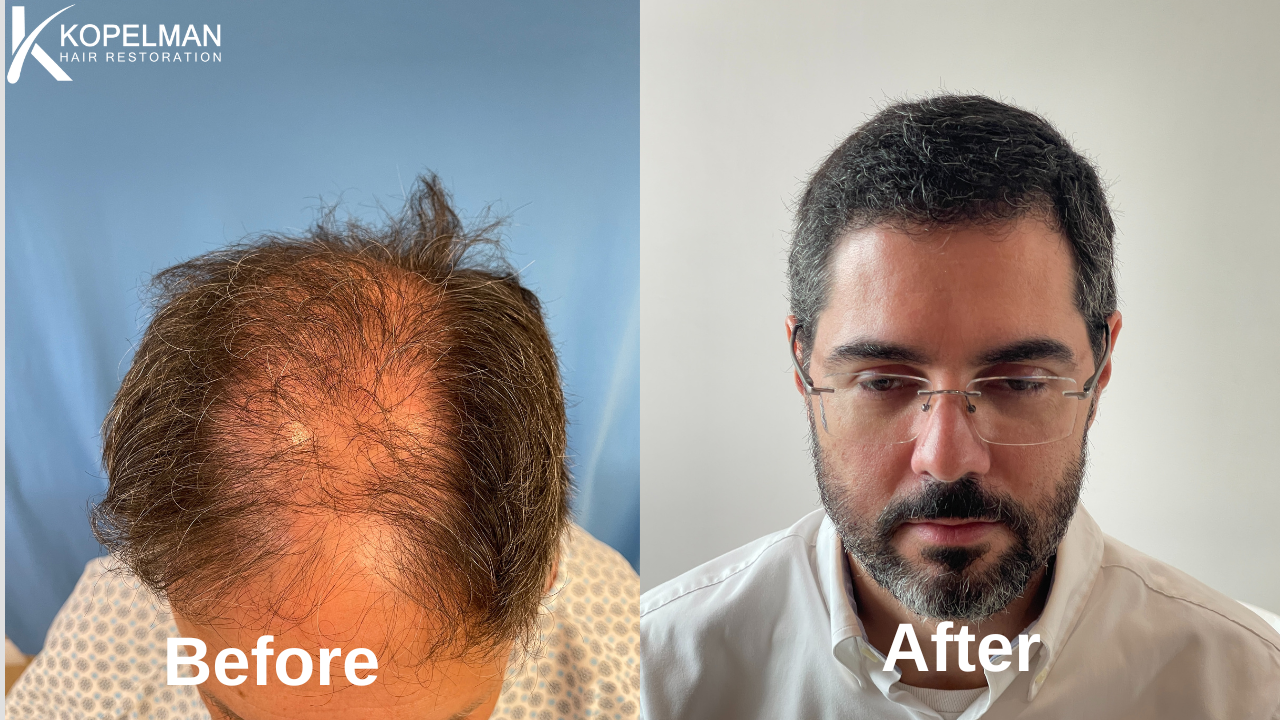
Dutasteride Before and After: What to Expect
- 3 Months: Initial reduction in hair shedding.
- 6 Months: Noticeable hair thickening and regrowth.
- 12 Months: Significant improvement in hair density.
- 3 Years: Sustained increase in thickness, with research showing improvement in over 80% of patients.
Positive Dutasteride reviews for female hair loss highlight its effectiveness when guided by experienced professionals like Dr. Kopelman.
Dutasteride Side Effects in Females: Health Risks
Common and Long-Term Side Effects
Women may experience side effects of Dutasteride, including:
- Short-Term: Headaches, dizziness, or skin reactions.
- Long-Term: Hormonal imbalances or decreased libido.
Understanding the side effects of Dutasteride in females helps in making informed decisions.
Does Dutasteride Affect Hormones or Increase Cancer Risks?
Dutasteride may alter estrogen and testosterone levels, potentially impacting hormonal balance. Some studies explore links to breast cancer, but evidence remains inconclusive. Dr. Kopelman ensures thorough assessments to mitigate risks.
Are Dutasteride Side Effects Permanent?
Most side effects subside after stopping the medication, but some hormonal changes may persist. Regular monitoring with a specialist like Dr. Kopelman is essential to manage and minimize risks.
Can Postmenopausal Women Take Dutasteride?
Postmenopausal women are the most appropriate candidates for dutasteride, and they often see the strongest balance of benefit and safety. With pregnancy risk effectively eliminated after menopause, the primary contraindication for this medication no longer applies.
This is particularly relevant because female pattern thinning becomes more prevalent with age, affecting up to 40% of women aged 60 to 69 (Herskovitz & Tosti, 2013).
That said, eligibility still depends on the underlying cause of thinning. If a patient’s shedding is driven by thyroid dysfunction, iron deficiency, telogen effluvium, or an autoimmune condition rather than DHT sensitivity, dutasteride will not address the root cause.
A proper diagnosis, based on blood work, trichological evaluation, and scalp examination, is essential before beginning therapy.
Postmenopausal candidates may also tolerate slightly higher doses, though most specialists still begin with the low-dose protocol (0.15mg daily) supported by the Boersma study. Topical formulations remain an option for women who prefer to minimize systemic exposure.
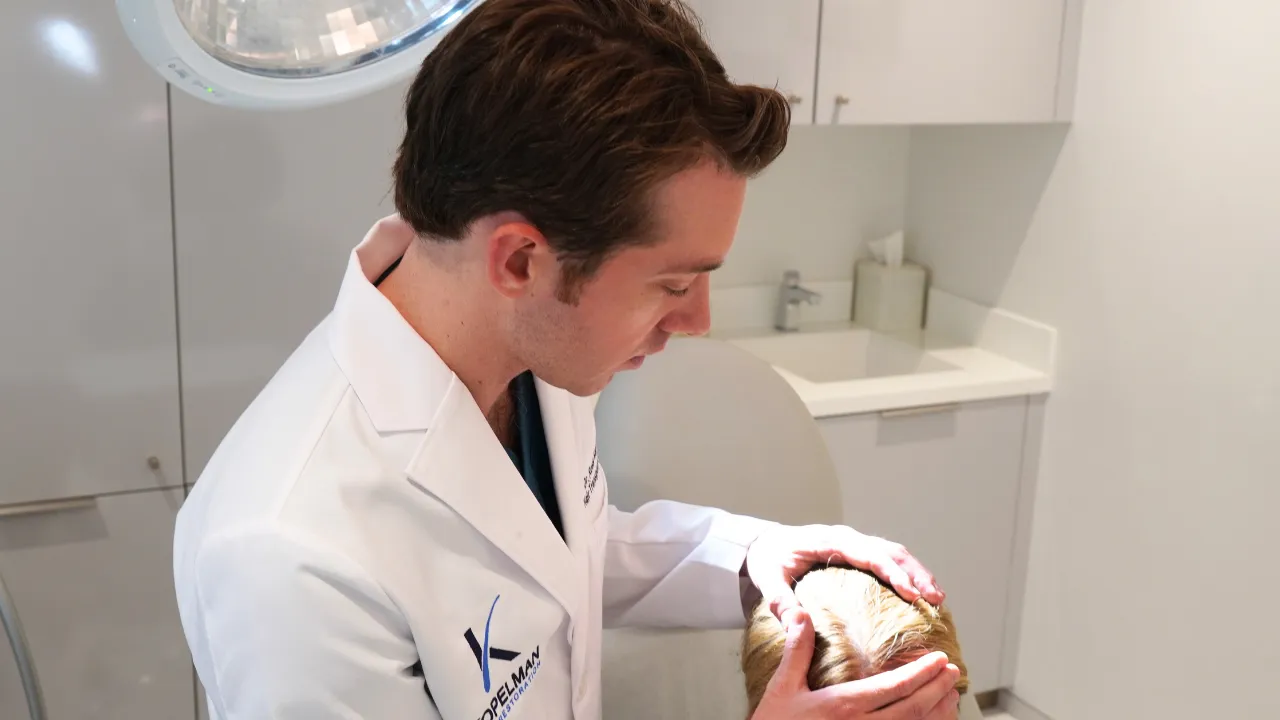
Dr. Kopelman evaluates each candidate’s full medical profile, including bone health, cardiovascular history, and breast health, to determine whether dutasteride is the right fit.
For perimenopausal women, the picture is more nuanced. Many are still capable of conception, so the same pregnancy precautions that apply to younger women remain in effect. A specialist consultation is the only way to determine whether dutasteride or an alternative such as spironolactone or topical minoxidil is a safer match.
Alternatives to Dutasteride for Female Hair Loss
Minoxidil Tablets, Topical Treatments, and Natural Options
For those seeking alternatives to Dutasteride for hair loss in females, options include:
- Minoxidil Tablets and Topicals: Stimulate hair growth directly at the follicle level.
- Natural Treatments: Low-level laser therapy or nutritional support can complement medical treatments.
Review the minoxidil before-and-after sections for more information.
Spironolactone vs. Dutasteride: Which Is Safer?
Spironolactone, another hormonal treatment, is often compared to Dutasteride:
- Spironolactone: Reduces androgen levels but may cause more pronounced hormonal side effects.
- Dutasteride: More targeted in reducing DHT with potentially fewer systemic effects.
Consulting with Dr. Kopelman helps determine the safest, most effective option.
Female Hair Transplant as an Alternative to Dutasteride
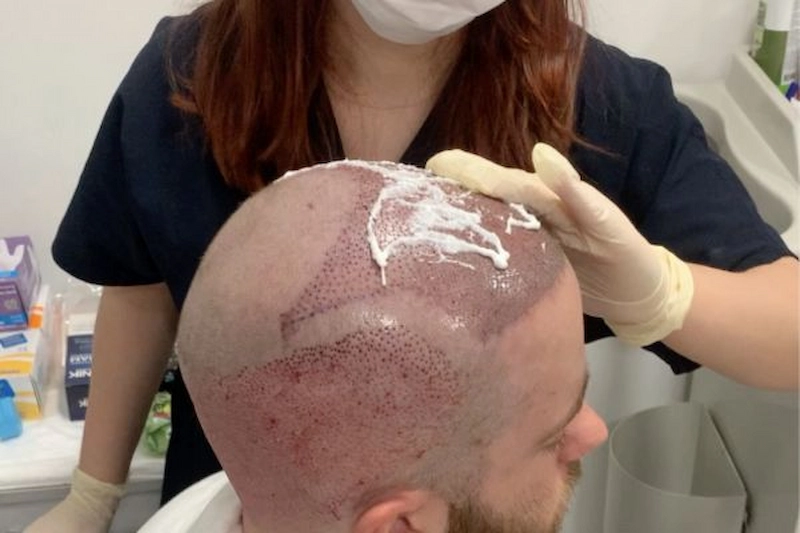
For women who do not respond well to medications or want a permanent solution, hair transplants can be a good option. Modern techniques like Follicular Unit Extraction (FUE) offer natural-looking results with minimal scarring.
Check our Female Hair Transplant Before and After Gallery and Review the Female Hair Transplant Guide.
Why Choose Dr. Kopelman for Your Hair Transplant?
Dr. Kopelman’s extensive experience in hair restoration ensures personalized treatment plans that cater to each patient’s unique needs. His skills in both surgical and non-surgical hair loss treatments give women a complete range of options for lasting results.
Should You Consider Dutasteride?
Weighing the Benefits and Risks
- Benefits: Proven effectiveness in reducing hair loss and promoting growth.
- Risks: Potential side effects and hormonal changes require careful consideration.
Balancing these factors with the guidance of a trusted expert like Dr. Kopelman ensures optimal outcomes.
Consulting a Specialist for Personalized Treatment
Every woman’s hair loss journey is unique. Dr. Kopelman’s personalized approach examines medical history, hormonal balance, and lifestyle. This helps create tailored treatments. These treatments ensure safety and success in restoring hair health.
FAQ: Dutasteride for Female Hair Loss
Can women take Dutasteride for hair loss?
Yes, Dutasteride has shown promise for women’s hair loss, but it is considered an off-label treatment. Women should consult a specialist, like Dr. Kopelman, to assess the risks and benefits.
Why can women not take Dutasteride as quickly as men?
Women face hormonal risks with Dutasteride, including potential birth defects if pregnant and other side effects related to hormone balance. This is why it requires careful medical supervision.
Is Dutasteride more effective than Finasteride for women?
Dutasteride is more potent because it inhibits more of the enzymes responsible for DHT production. However, Finasteride may have fewer side effects, making it a better option for some women. Dr. Kopelman can recommend the right choice based on individual needs.
What are the side effects of Dutasteride in females?
Common side effects of Dutasteride in females include headaches, hormonal imbalances, decreased libido, and potential risks to breast health. Most side effects are reversible when the medication is stopped.
How long does it take for Dutasteride to show results in women?
Women typically notice reduced hair shedding in 3 months, with significant hair growth and thickening by 6 to 12 months when under the guidance of an expert like Dr. Kopelman.
Are there alternatives to Dutasteride for female hair loss?
Yes, alternatives include Minoxidil, Spironolactone, and natural treatments like low-level laser therapy. Female hair transplants are highly effective for a permanent solution, especially when performed by specialists like Dr. Kopelman.
Is a female hair transplant better than Dutasteride?
Hair transplants offer long-lasting, natural results for women seeking a permanent solution. While Dutasteride can slow hair loss, transplants restore hair density without ongoing medication. Dr. Kopelman offers both surgical and non-surgical options to meet individual needs.
For more information, don’t forget to review our Female Hair Loss page.
Sources
- Boersma IH, Oranje AP, Grimalt R, et al. The effectiveness of finasteride and dutasteride used for 3 years in women with androgenetic alopecia. Indian J Dermatol Venereol Leprol. 2014 Nov-Dec;80(6):521-5.
- Carmina E, Azziz R, Bergfeld W, et al. Female Pattern Hair Loss and Androgen Excess. J Clin Endocrinol Metab. 2019;104(7):2875-2891.
- Herskovitz I, Tosti A. Female Pattern Hair Loss. Int J Endocrinol Metab. 2013;11(4):e9860.