
Kopelman Hair helps women manage thinning with safe, evidence-based options. Many patients ask whether this medication can slow shedding and bring back fuller density.
Our clinic offers guidance informed by decades of expertise so patients can make informed decisions.
Key Takeaways
- Spironolactone is prescribed off-label for female pattern baldness and works by blocking androgens; results typically appear after several months of steady use.
- Both oral and topical formulations are used, though oral pills are more common and require periodic blood monitoring.
- Side effects range from mild issues like dizziness to less common risks such as elevated potassium, so regular checkups are important.
- Combining the medication with minoxidil or PRP can stimulate regrowth and improve density.
- Spironolactone does not work for thinning caused by non-hormonal factors, such as stress, traction alopecia, thyroid disease, or iron deficiency.
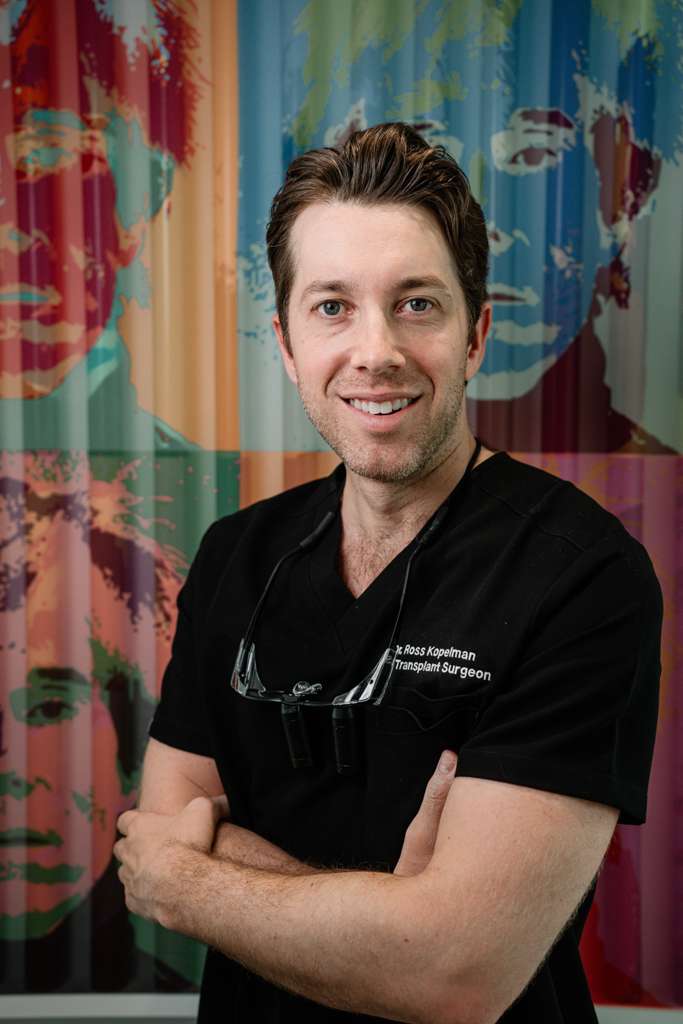
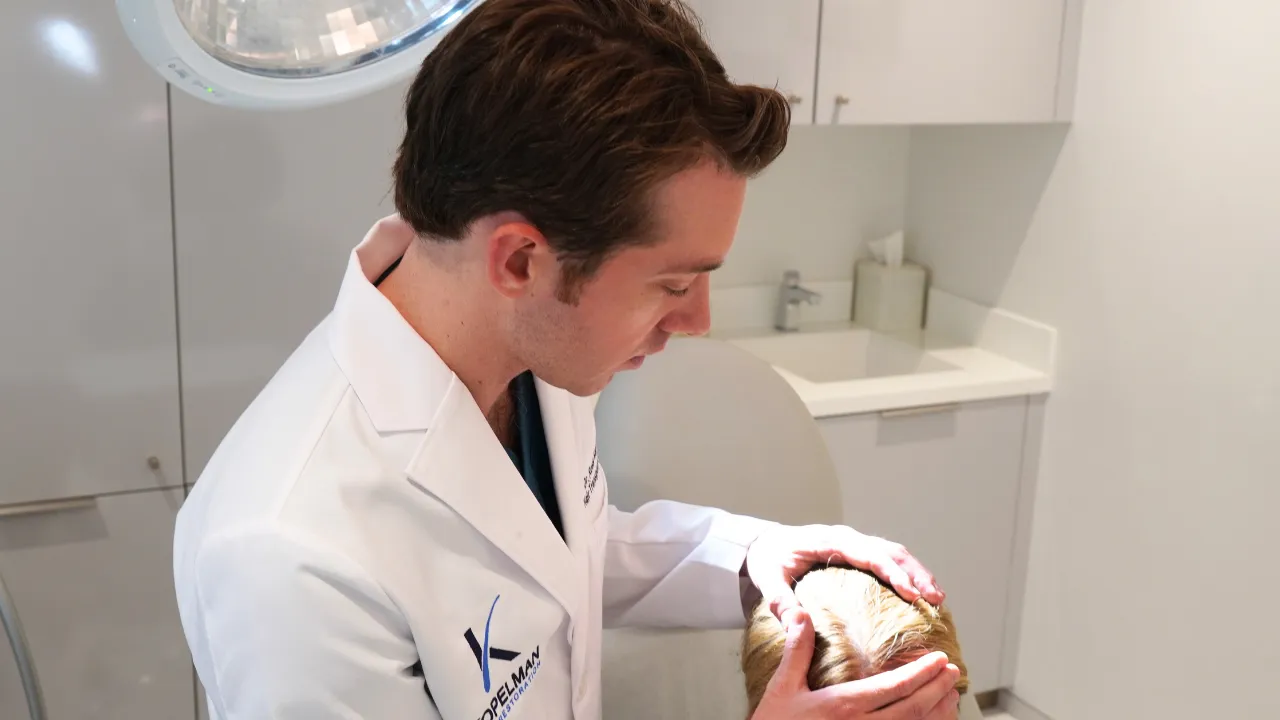
- Consulting a specialist like Dr. Kopelman at Kopelman Hair ensures women receive a safe, personalized plan.
How Spironolactone Affects Hair Loss
Does spironolactone for hair loss work?
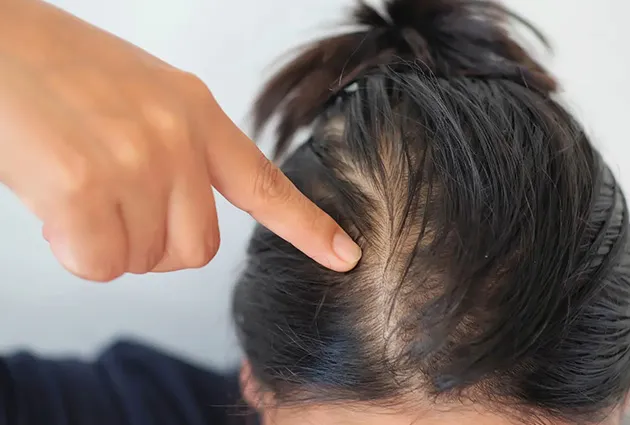
Spironolactone is an anti-androgen. It lowers androgen activity, including dihydrotestosterone (DHT), a hormone linked to thinning and female pattern baldness. By blocking DHT at the follicle, the medication can treat androgenetic alopecia and slow hair loss.
This makes it helpful for women with androgen-related concerns. It may also improve fullness and density. Doctors often recommend it as a treatment option when topical products alone are not enough.
It is important to note that this medication is not FDA-approved for female pattern baldness; it is prescribed off-label. Currently, topical minoxidil is the only FDA-approved option for FPHL, but research supports spironolactone as a well-tolerated alternative.
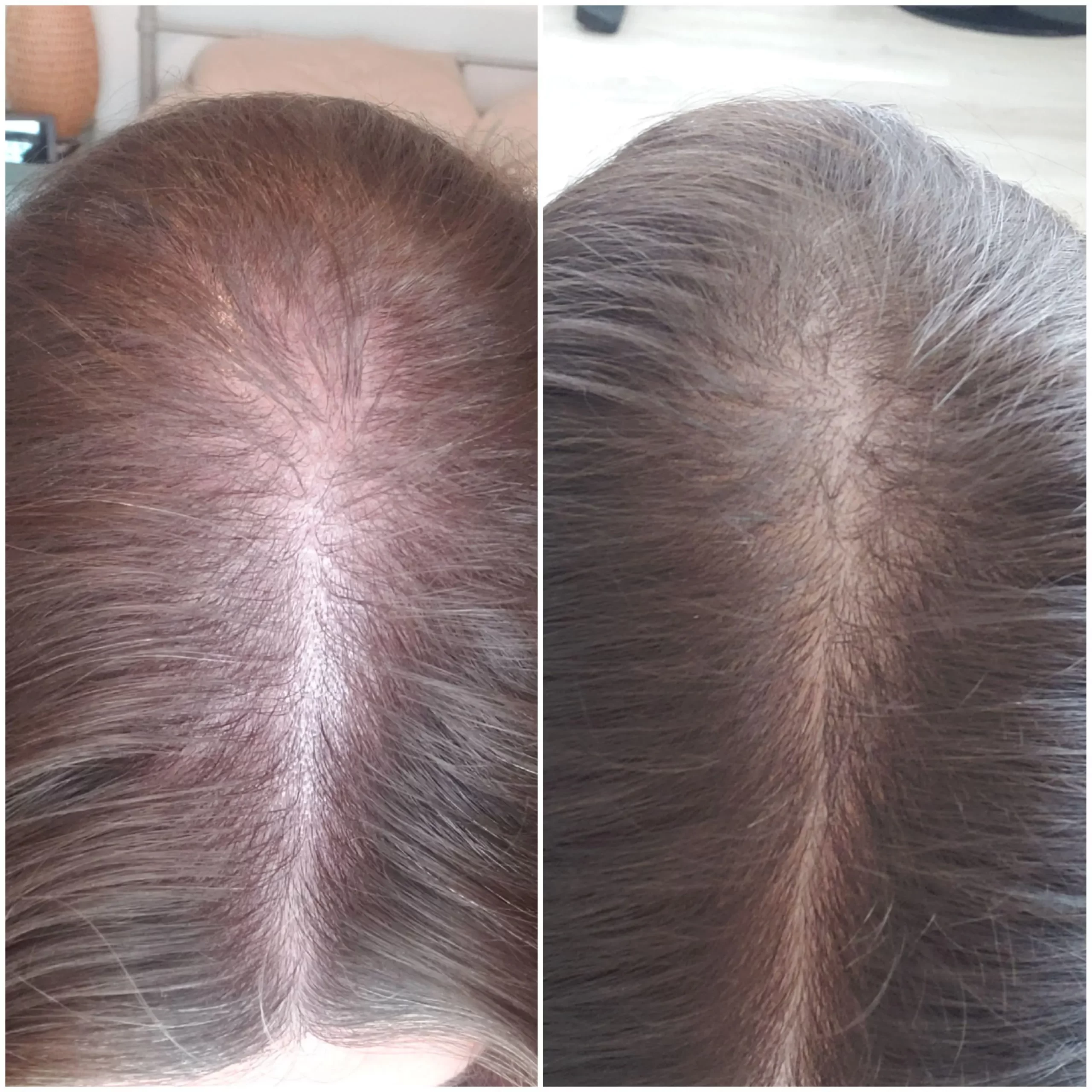
Spironolactone hair growth success
A 2023 systematic review and meta-analysis published in Cureus pooled data from 5 studies and reported an overall improvement rate of 56.6% among women treated with oral spironolactone. The rate rose to 65.8% when combined with minoxidil, compared with 43.2% on monotherapy.
A separate 2020 retrospective study in the Journal of the American Academy of Dermatology found that all participants showed stability or improvement on the Sinclair score after six to twelve months of treatment.
These findings highlight why medical supervision matters. Response varies among patients, and steady use over time improves the medication’s chances of increasing density.
Many women notice improvement, especially when starting treatment early. Tracking progress with photographs every three months makes spironolactone-induced hair loss changes before and after easier to evaluate during follow-up visits.
Does spironolactone cause hair loss?
Some women see more shedding at the start of treatment. This happens because the hair cycle is adjusting. In most cases, the shedding slows within a few months.
If the shedding continues, it could be another type of hair loss or a different health issue. A consultation with Dr. Kopelman can help find the right treatment plan.
| Study | Design | Patients | Treatment | Improvement Rate | Common Side Effects |
|---|---|---|---|---|---|
| Aleissa, 2023 (meta-analysis) | Systematic review | 413 (pooled) | Oral spironolactone, monotherapy or combined with minoxidil | 56.6% overall; 65.8% combined; 43.2% mono | Scalp pruritus 18.9%, menstrual changes 11.9% |
| Burns, 2020 (JAAD) | Retrospective | 79 women | 25–200 mg/day, mean 100 mg | Stability or improvement in 100% | Dizziness 16.5%, mild and self-resolving |
| Sinclair, 2018 | Case series | 100 women | 25 mg spironolactone + 0.25 mg oral minoxidil | Reduced shedding, improved density | Urticaria, postural hypotension, hypertrichosis |
| Liang, 2022 | RCT | 115 women | 80–100 mg + topical minoxidil | Significant density gains at 24 weeks | Menstrual changes 40.5%, pruritus 21.6% |
Using Spironolactone for Women’s Hair Loss
Who should consider spironolactone?
Doctors may recommend this medication for women with hormone imbalances or thinning caused by androgens. It is also helpful for women with PCOS, where elevated androgen levels contribute to follicular miniaturization.
It is not used for men, and women who are pregnant or planning to become pregnant should not take it. Because spironolactone affects sex hormone activity, regular checkups are important.
The medication will not help if thinning is caused by non-hormonal factors. Stress, traction alopecia, scarring conditions, thyroid disease, iron deficiency, and rapid weight loss require different approaches. Identifying the cause first is essential before starting treatment.
Oral spironolactone for hair loss
The oral form is the most common. It is taken daily as a pill, and results build slowly over months.
Because the medication affects the whole body, patients need baseline labs and follow-up blood tests to monitor potassium and kidney function.
This is especially important for women over 65 or those with heart or kidney conditions, who carry a higher risk of elevated potassium. Most younger women without those risk factors tolerate it well.
Topical spironolactone hair loss treatment
Topical spironolactone is a less common option being studied as an alternative to the pill. It is applied directly to the scalp and may reduce systemic side effects while still helping to stimulate regrowth.
Research on the topical form remains limited, though early reviews suggest it may slow thinning with fewer side effects than the oral version. For women who cannot tolerate the pill, it may become a useful future option, but availability is currently limited to compounding pharmacies.
What is the typical spironolactone dosage?
The typical dosage in women ranges from 50 mg to 200 mg per day, depending on the patient’s health and response. Doctors usually start at 25–50 mg and increase gradually if needed. The average dose in clinical research is around 100 mg daily.
Most women begin to see reduced shedding within three to six months. Thicker regrowth often takes nine to twelve months. Because follicles cycle slowly, steady and consistent use is essential for the best results.
Doctors usually recommend staying on the medication for at least a year before deciding on its effectiveness. Tracking progress with photographs or scheduled checkups makes improvements easier to notice over time.
How long should women use it?
This medication often requires long-term use to maintain results. Stopping suddenly can bring back shedding, sometimes within a few months.
Regular follow-ups allow doctors to adjust doses and keep treatment safe. Most patients who respond well continue indefinitely under medical supervision.
How to stop taking spironolactone
Stopping the medication should only be done under a doctor’s care. Gradually reducing the dose allows the body to adjust and prevents sudden hormone fluctuations.
Doctors may suggest other therapies to maintain results when treatment ends. Without a replacement plan, shedding tends to return to baseline levels.
Spironolactone Side Effects
Common vs. serious side effects
The medication can cause side effects. Common ones include:
- Dizziness or lightheadedness
- Fatigue
- Menstrual changes or spotting
- Breast tenderness
- Mild changes in blood pressure
- Increased urination
Serious side effects are less common but possible:
- Elevated potassium (hyperkalemia)
- Kidney problems
- Allergic reactions
Routine blood work to monitor potassium and kidney function is standard practice during treatment. A 2023 study found that nearly 10% of women over 65 developed elevated potassium within the first year of use, which is why older patients receive closer monitoring.
For most younger women without kidney or heart conditions, the risk is significantly lower.
Alternatives to Spironolactone for Hair Loss
Spironolactone vs. minoxidil
Minoxidil is the only FDA-approved topical solution for androgenetic alopecia and female pattern baldness. Unlike spironolactone, it does not target hormones, so both men and women can use it safely.
The two medications work through different mechanisms. Using both together often improves density more than either alone, which is why combination therapy is commonly recommended.
Other alternatives
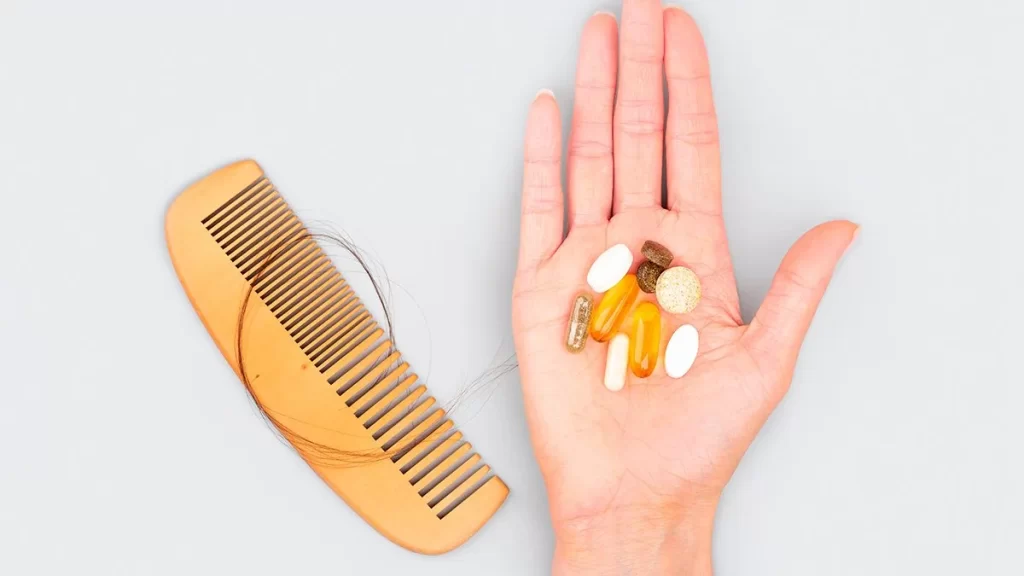
Women who cannot take spironolactone may try other medications, such as finasteride or dutasteride, in select cases. Low-level laser therapy and prescription supplements that support scalp health can also help.
Simple steps such as eating a balanced diet, lowering stress, and avoiding harsh styling can support healthier follicles alongside medical treatment.
Advanced solutions like PRP or transplant
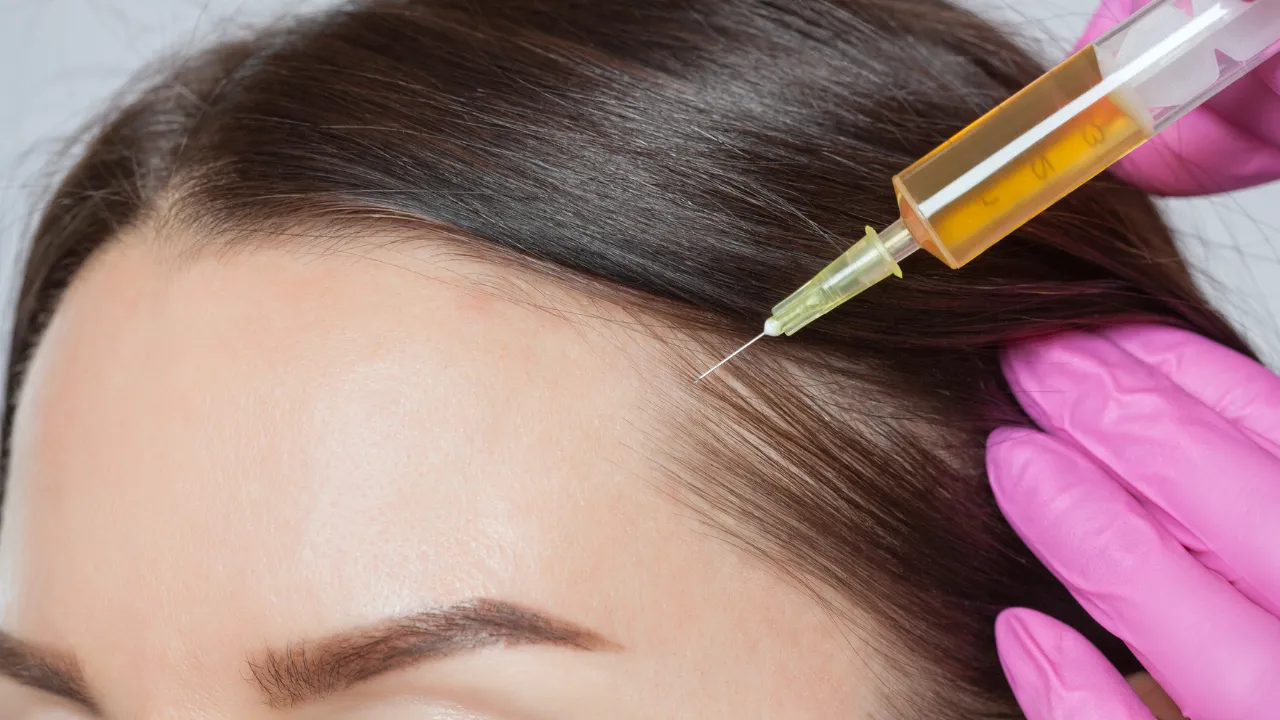
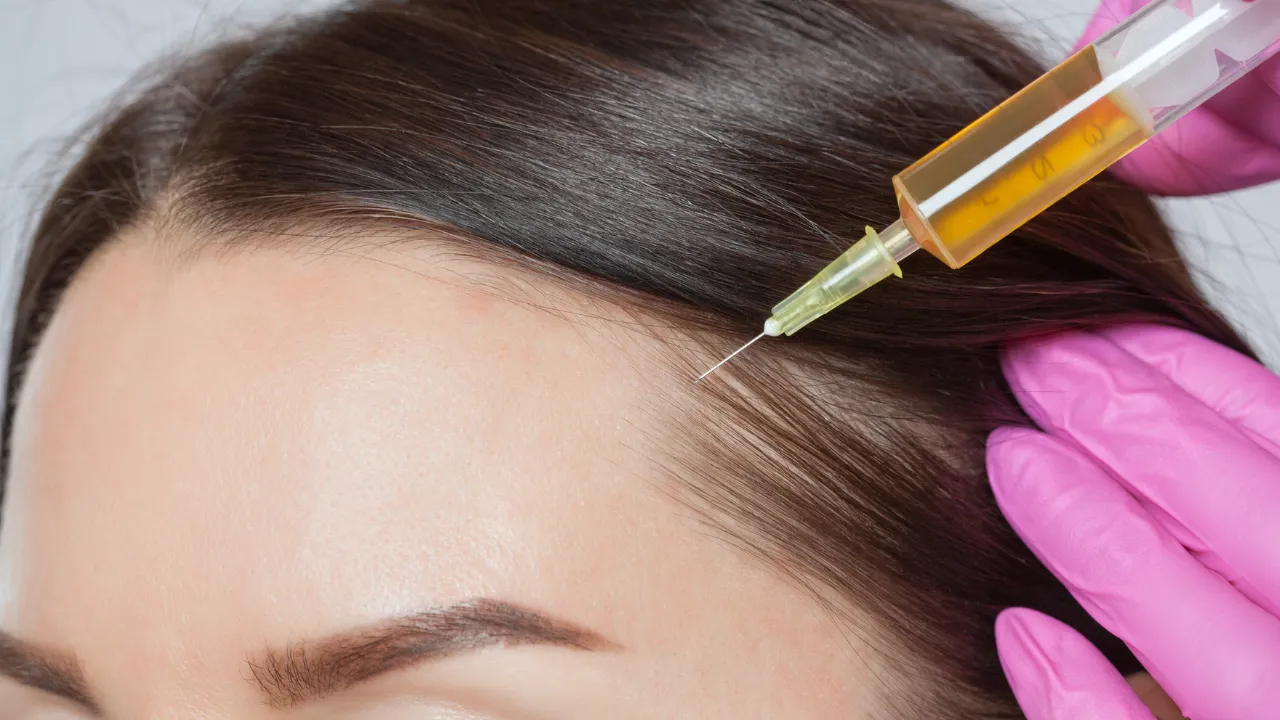
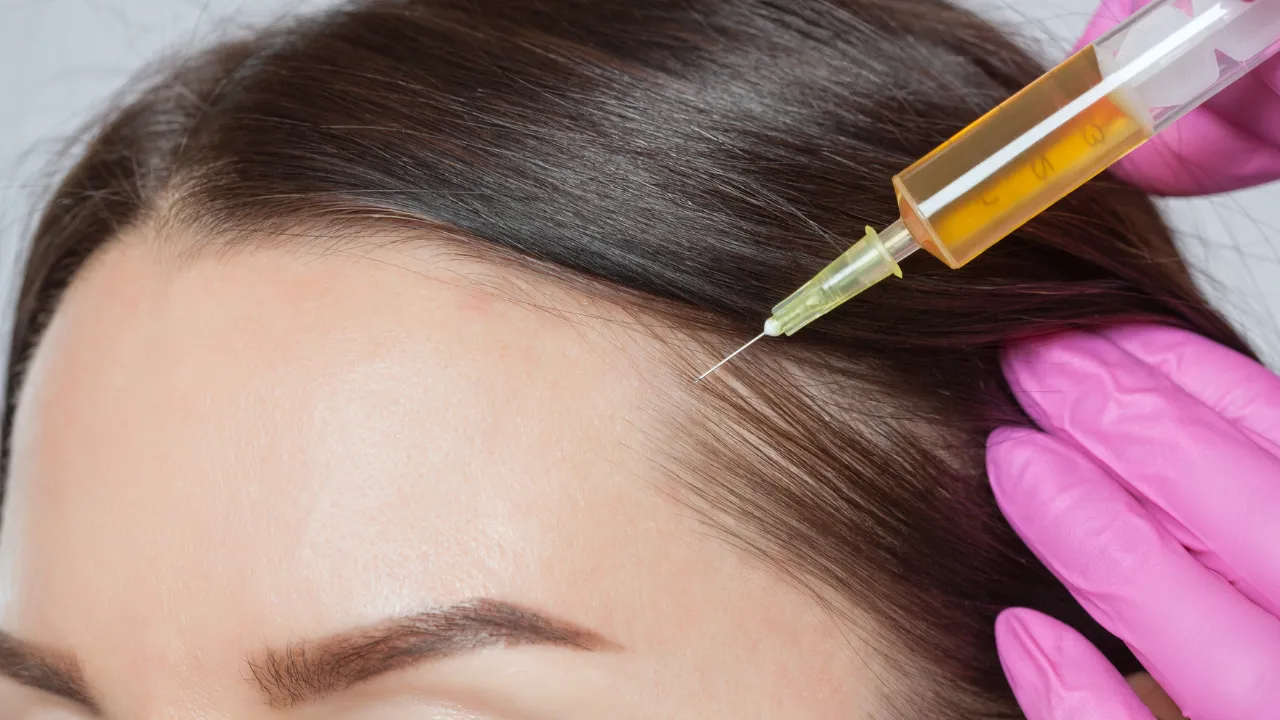
When medications are not enough, advanced treatments can provide additional support. Platelet-rich plasma (PRP) therapy uses the patient’s own blood to stimulate regrowth and improve scalp health.
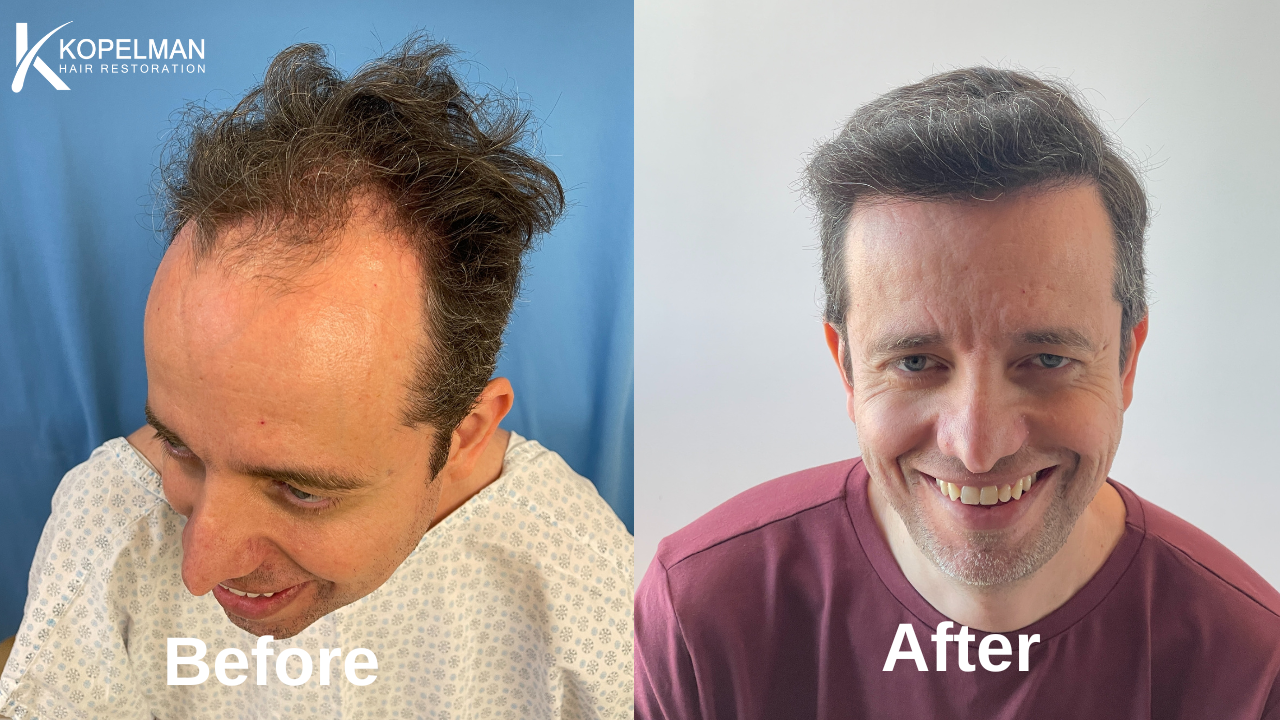
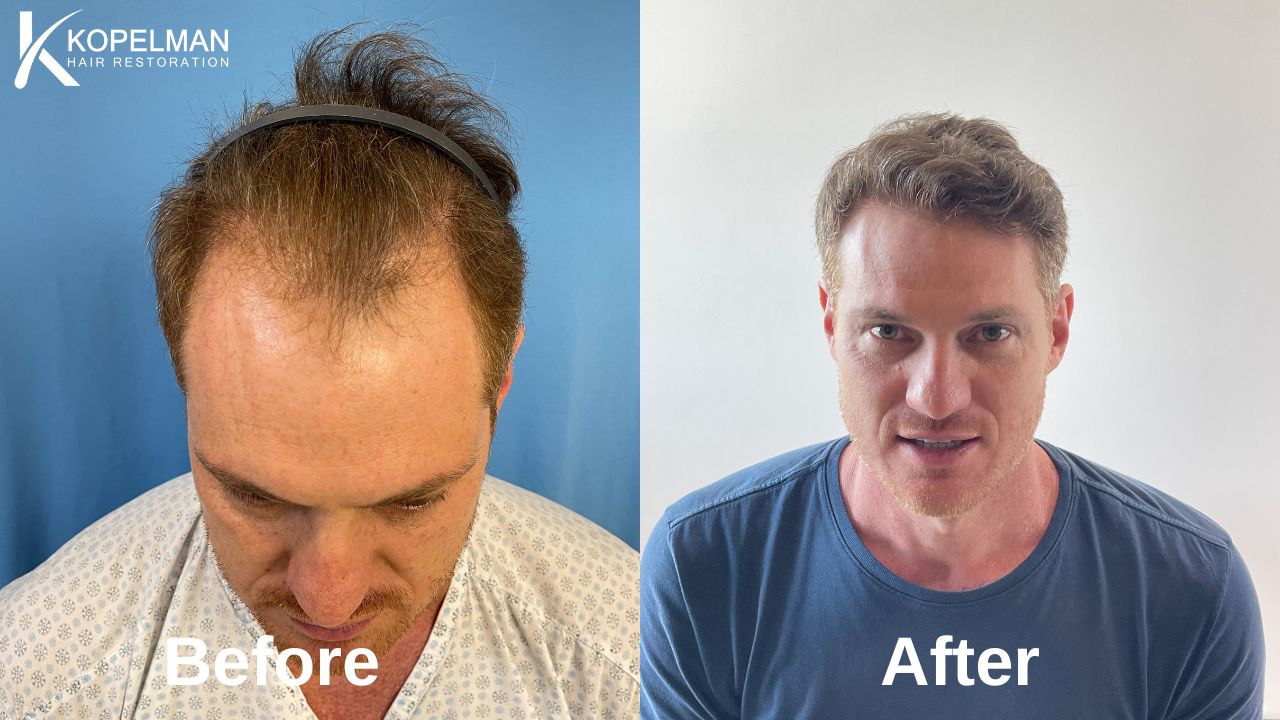
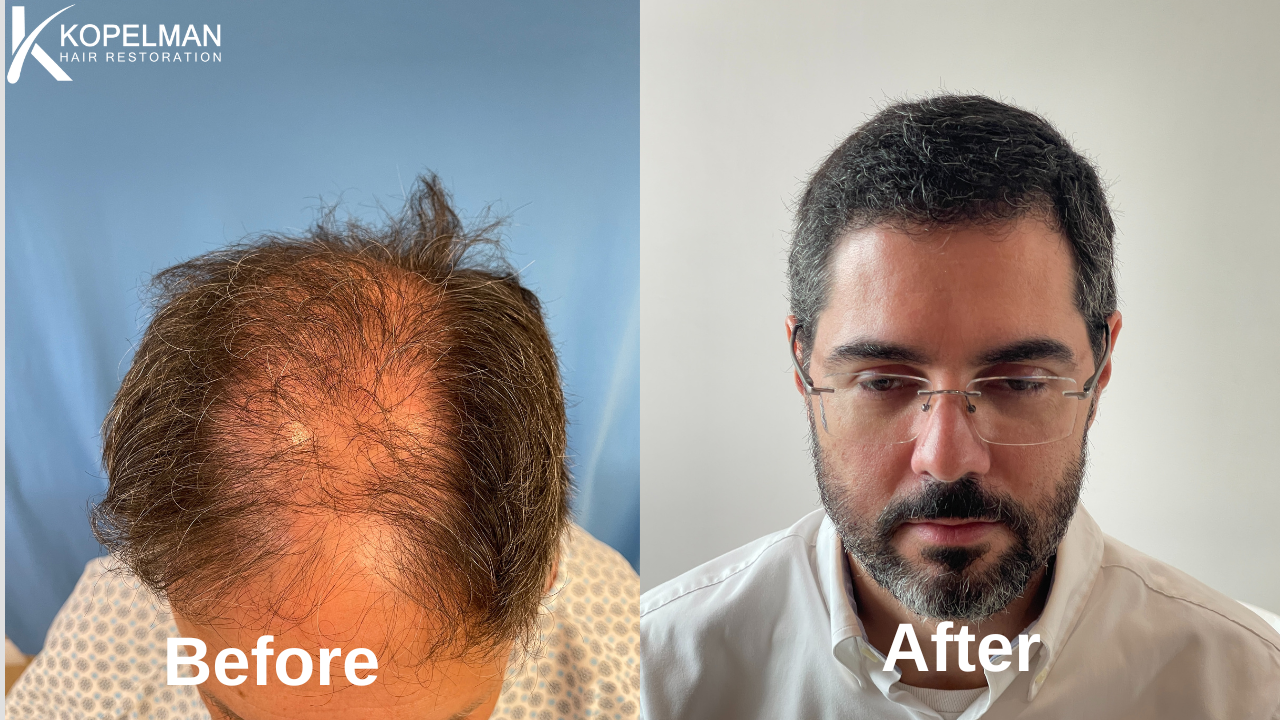
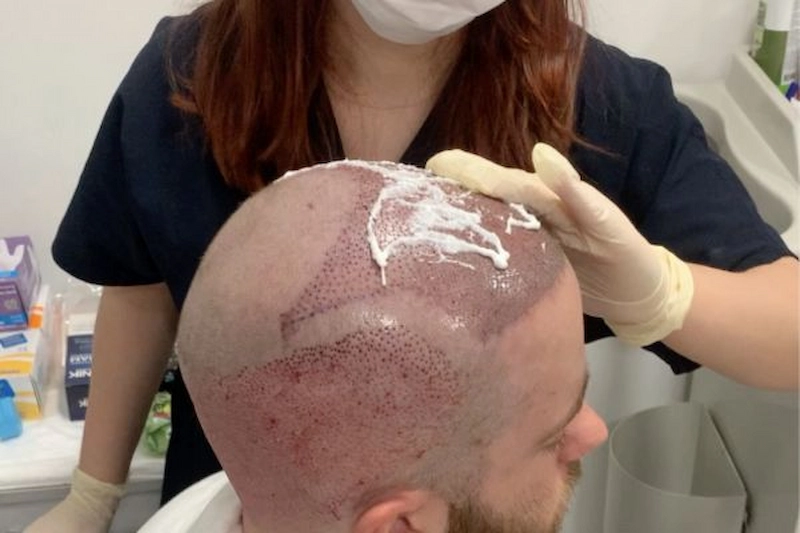
Hair transplantation, performed by Dr. Kopelman, restores density in areas where follicles no longer grow. With over 40 years of combined experience, Kopelman Hair delivers natural-looking results.