

What Is Berberine and How Does It Work?
Berberine is a natural compound found in plants like Oregon grape and barberry. It is best known for reducing inflammation, controlling blood sugar, and improving insulin sensitivity, which is why researchers study it for type 2 diabetes, liver disease, and heart disease risk.
Researchers have also begun looking at follicles, since targeting inflammation and hormonal imbalances may improve the environment for healthy growth, although that work is still preclinical.
Does Berberine Help or Harm Hair?

Does Berberine Cause Hair Loss?
There is no evidence directly linking berberine to hair loss, and it is not listed among its common side effects. The documented problems are digestive, such as nausea, abdominal pain, constipation, and diarrhea, according to the NCCIH.
Does berberine make your hair fall out? Usually not directly, but taking too much can change eating habits and nutrient intake, and that can show up in the hair. Dr. Kopelman advises consulting a medical professional before adding it to your routine, particularly if you’re managing conditions like hair loss.
Why Hair May Shed After Starting Berberine
When shedding does follow berberine, the cause is usually indirect. Nausea or reduced appetite can mean fewer calories and less protein, and rapid weight loss is a recognized trigger of telogen effluvium, a temporary form of shedding, as the Cleveland Clinic Journal of Medicine notes.
It typically starts about 2 to 3 months after the trigger, so a supplement begun last week is often not the culprit. Acute cases last less than six months, according to StatPearls.
Does berberine help with hair growth?
Berberine for hair growth has shown potential in the lab. A 2025 study in Phytomedicine found it promoted the growth of human dermal papilla cells and follicles, and in mice it sped up the move into the anagen (growth) phase and extended it, through Axin2 and the Wnt/β-catenin pathway.
These were cell, follicle, and animal experiments, not human trials, so they show a possible mechanism rather than proven regrowth. Chronic inflammation and insulin resistance have also been linked to weaker follicles, so metabolic improvements may help indirectly.
Berberine for Hair Loss: What the Research Says
Berberine and Androgenetic Alopecia
Androgenetic alopecia, often called pattern baldness, is influenced by hormones like dihydrotestosterone (DHT).
No human clinical trial has tested berberine for this condition yet. A 2025 computer-modeling study found it bound to 5α-reductase, the enzyme that produces DHT, and to TGF-β2, another target linked to pattern thinning, more tightly than minoxidil did in the model.
Docking scores are not patient outcomes. Until a berberine androgenetic alopecia clinical trial is published, minoxidil and finasteride remain the evidence-based choices, and addressing the underlying cause matters most.
Berberine and Hormonal Health
How Berberine Affects Hormones
It affects hormones mainly by improving insulin sensitivity, and it may influence cortisol too. Among the proposed berberine benefits for hair growth are better insulin sensitivity, reduced inflammation, and potential effects on the growth cycle.
High cortisol from long-term stress may weaken follicles, so steadier insulin and stress hormones may help create a healthier scalp.
Does Berberine Lower Testosterone?
Most testosterone data comes from women with PCOS. A meta-analysis found it lowered total testosterone versus placebo or no treatment, but a four-month study of 102 women found no effect on androgen excess. Data on men are limited.
This matters because pattern thinning depends on DHT, which is made from testosterone. In lab models berberine appears to act on the enzyme that makes DHT, but that is unproven in people, and it is not a DHT blocker.
Can Berberine Help With PCOS-Related Hair Loss?
PCOS is a common hormonal disorder that often leads to thinning. Berberine’s ability to improve insulin sensitivity and reduce inflammation is why researchers study it for PCOS, and in trials, it lowered androgen levels. The same review found no solid evidence for better clinical outcomes, and few studies measured density.
Does berberine cause hair loss in women? No clear evidence supports this, but hormonal changes in PCOS may explain why some women report shedding. By addressing these root causes, berberine may indirectly support regrowth.
Does Berberine Help With Facial Hair?
Excess facial hair, called hirsutism, is a common PCOS symptom driven by high androgens. PCOS trials have mostly tracked hormones, ovulation, and metabolism rather than facial hair, so berberine is not an established treatment for it.
It also has no proven role in growing a beard. A doctor can discuss options with stronger evidence.
Comparing Berberine to Other Hair Solutions
Berberine vs. Metformin for Hair Loss
Many people ask whether berberine helps with hormonal weight gain and hair loss like metformin. Both improve insulin sensitivity, but metformin is FDA-approved for type 2 diabetes while berberine is an unapproved supplement with limited comparison research, according to WebMD.
Neither is a proven treatment for thinning. If you take metformin, read more about metformin and hair loss, and do not swap one for the other without your doctor.
Biotin for Hair Growth: How It Compares
Ver esta publicación en Instagram
Biotin is a B vitamin often sold for hair health and included in many hair care products. Berberine, in contrast, is studied for systemic issues like inflammation and hormone balance, so the two are not interchangeable.
The Role of Selenium in Hair Health
Selenium is another essential nutrient for healthy strands. As a trace mineral, it supports the thyroid gland, which helps regulate the growth cycle. More is not better: the NIH sets an upper limit of 400 mcg a day for adults, and excess can cause hair and nail loss.
Potential Risks and Considerations
What Are the Disadvantages of Berberine?
While berberine offers potential benefits, it’s not without risks. Side effects may include gastrointestinal discomfort, lowered blood sugar, or interactions with certain medications, which can indirectly affect the scalp if they reduce how much you eat.
Can berberine cause hair loss? Current research does not show that, though human data are limited.
Can You Take Berberine With Minoxidil?
There is no well-documented clinical study of berberine and minoxidil interactions, so no established rule exists. Berberine does inhibit liver enzymes (CYP2D6, CYP2C9, and CYP3A4) that process many medications, per a human study, and it can lower blood pressure and blood sugar, as WebMD explains.
Oral minoxidil can lower blood pressure in some people, and berberine may do the same, so the effects could add up. Topical minoxidil is absorbed far less (about 1.4%), according to StatPearls. Tell your prescriber about any berberine use before combining them.
When Should You Avoid Using Berberine?
Avoid berberine if you are pregnant or breastfeeding, and check with a doctor first if you take any medication, per the NCCIH. This is especially true for type 2 diabetes or liver disease, since it can change blood sugar and how the liver processes drugs.
Berberine can also add to the effect of diabetes drugs, which may drop blood sugar too low, and may raise bruising and bleeding risk with blood thinners, according to WebMD.
Taking more than recommended may cause side effects that disrupt hormonal balance and eating habits, which can affect the strands.
Are There Side Effects on Hair Health?
No hair-specific side effects are documented, and there is no evidence that berberine dries the scalp. Indirect effects such as digestive upset and low nutrient intake are what matter.
Does berberine help with hair loss? Only in the lab so far, as covered above. Regular, balanced meals lower the indirect risks.
Is Berberine the Right Choice for You?
Is berberine good for hair loss? It depends on the cause. It is most relevant when insulin resistance, PCOS, or inflammation is involved, and it has not been shown to treat pattern baldness.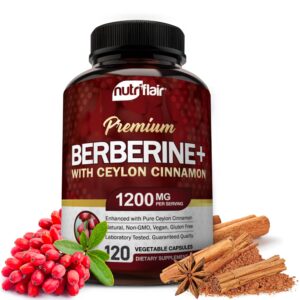
Key Factors to Consider Before Use
Before using berberine for hair growth, consider the following:
- Are you managing conditions like PCOS, insulin resistance, or inflammation?
- Do you have a history of thinning caused by hormonal imbalances?
- Have you consulted with a medical professional to determine the appropriate dosage?
Alternatives to Berberine for Hair Growth
If berberine isn’t the right fit, other options include:
- Biotin for strengthening hair strands.
- Selenium, only if a doctor finds you are low, since too much can cause hair loss.
- Topical treatments like minoxidil to directly stimulate hair follicles.
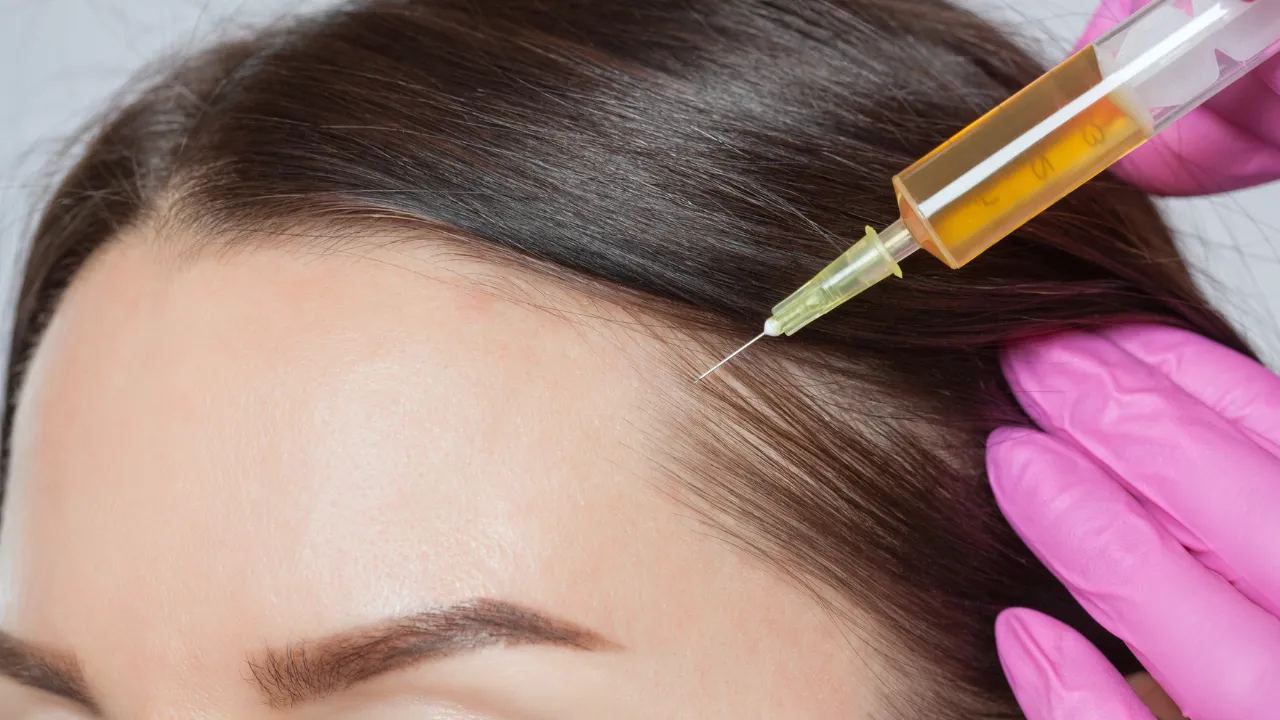
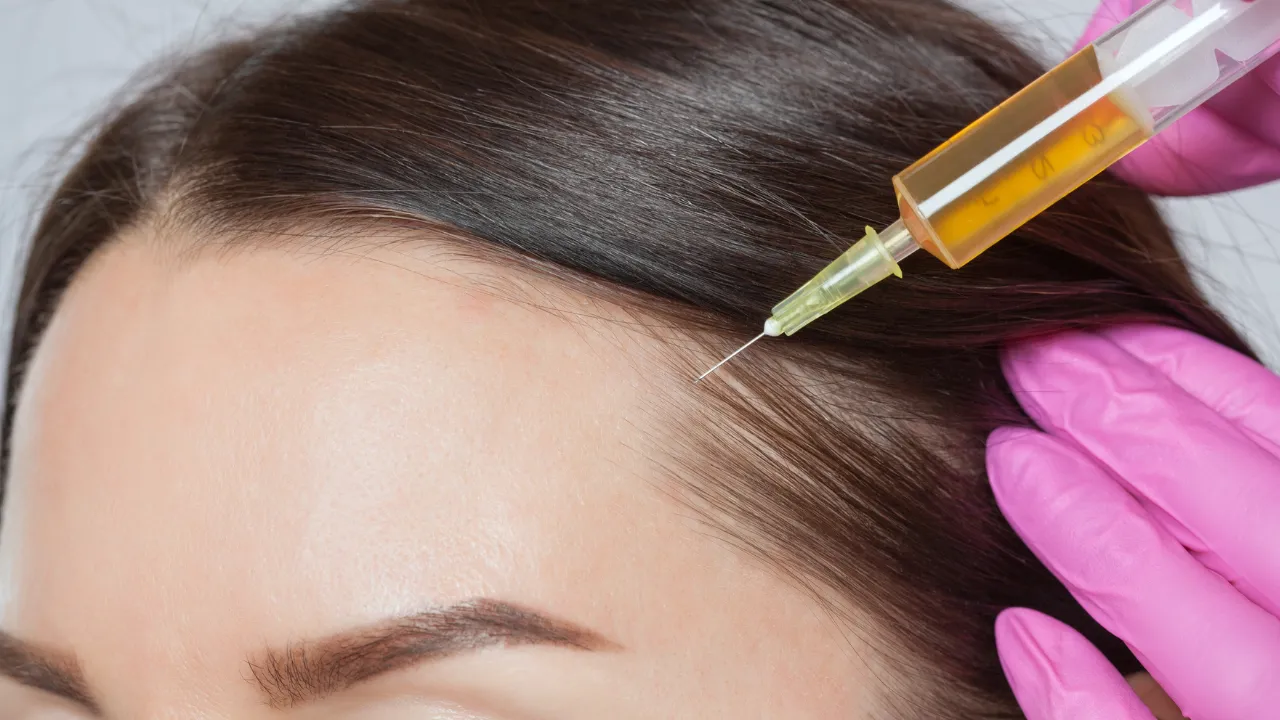
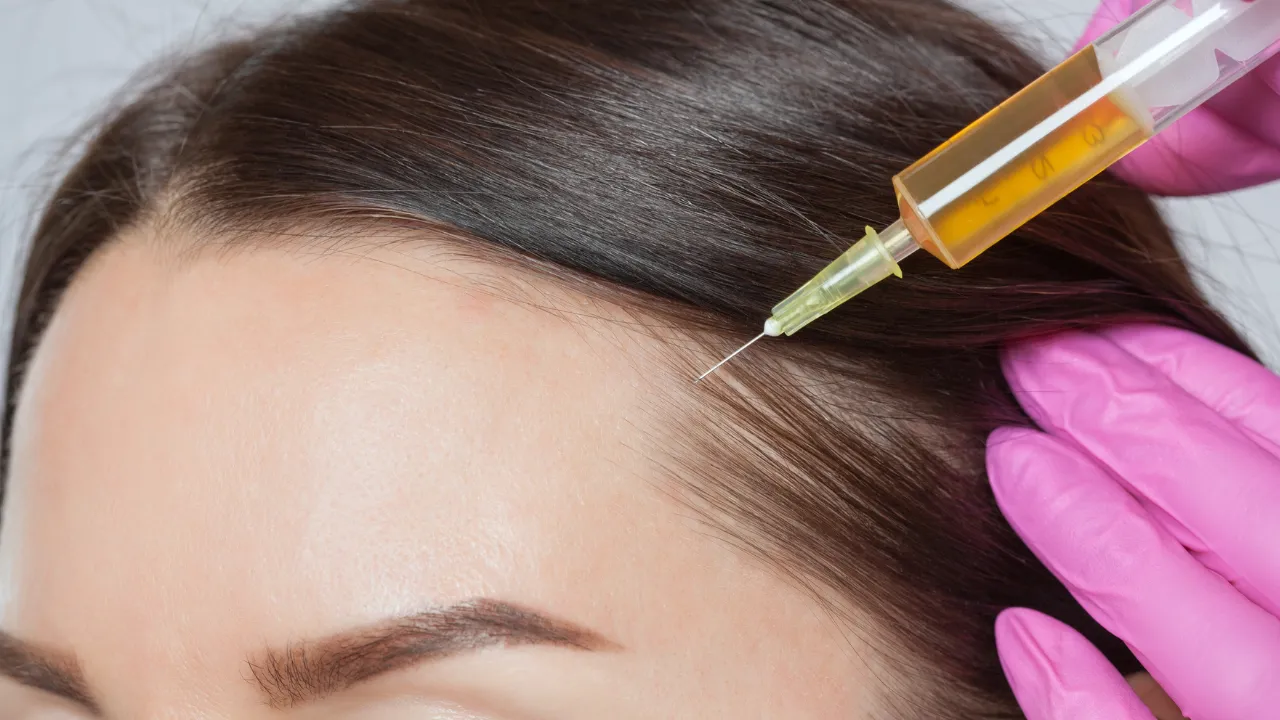
- Platelet-rich plasma (PRP), a clinic-based option for some types of thinning.
What to Do If Hair Is Shedding
If more strands are falling out while you take berberine, work through these steps first:
Build a timeline of when you started it, when shedding began, and any changes in the prior 3 to 4 months, such as weight loss, diet, illness, or new medications.
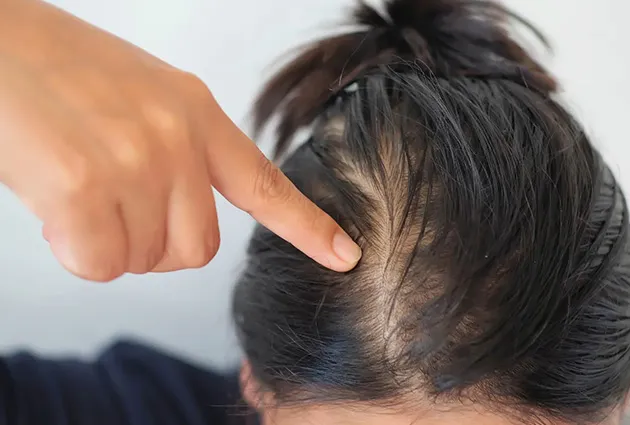
Check the pattern: shedding across the whole scalp suggests telogen effluvium, while a widening part or receding hairline suggests androgenetic alopecia (see the signs of hair thinning).
Eat regular meals with enough protein, change one thing at a time, and never stop prescribed medications without asking your doctor.
Get evaluated if shedding lasts over six months, appears in patches, or comes with scalp pain, redness, or scaling.
Nutrients and Labs to Ask About
If shedding continues, ask your doctor which blood tests make sense. For diffuse shedding, the Cleveland Clinic Journal of Medicine lists a complete blood count, a metabolic panel, thyroid-stimulating hormone (TSH), and ferritin to check iron stores, with vitamin D testing considered when a deficiency is suspected.
Low iron, low vitamin D, and zinc deficiency are listed among possible shedding triggers, although the same review notes the evidence for vitamin D and iron is still limited. Berberine has not been shown to cause these deficiencies, but eating less while taking it can lower nutrient intake, so your timeline and lab results together give the clearest picture.
Ask your doctor before starting iron, zinc, or other high-dose supplements, since the right dose depends on your results.
Berberine Takeaways and Safe Use
What the Evidence Suggests
Berberine’s best-supported effects are metabolic, and the evidence for the scalp is still preclinical, so any benefit to the strands is most likely indirect.
Safe Use Recommendations
Dr. Kopelman recommends starting with a low dose and monitoring for side effects. Ask your prescriber what dose fits your situation, and pair it with a balanced diet.
Related articles:
When to Consider a Hair Transplant
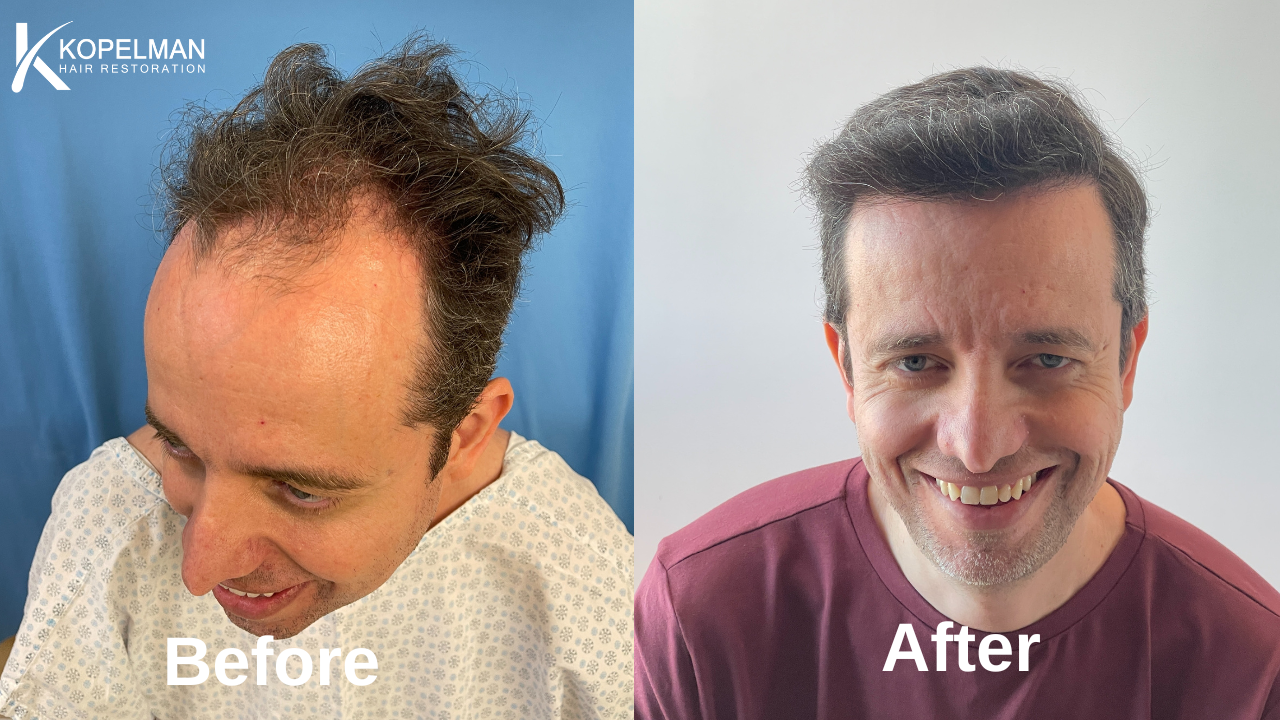
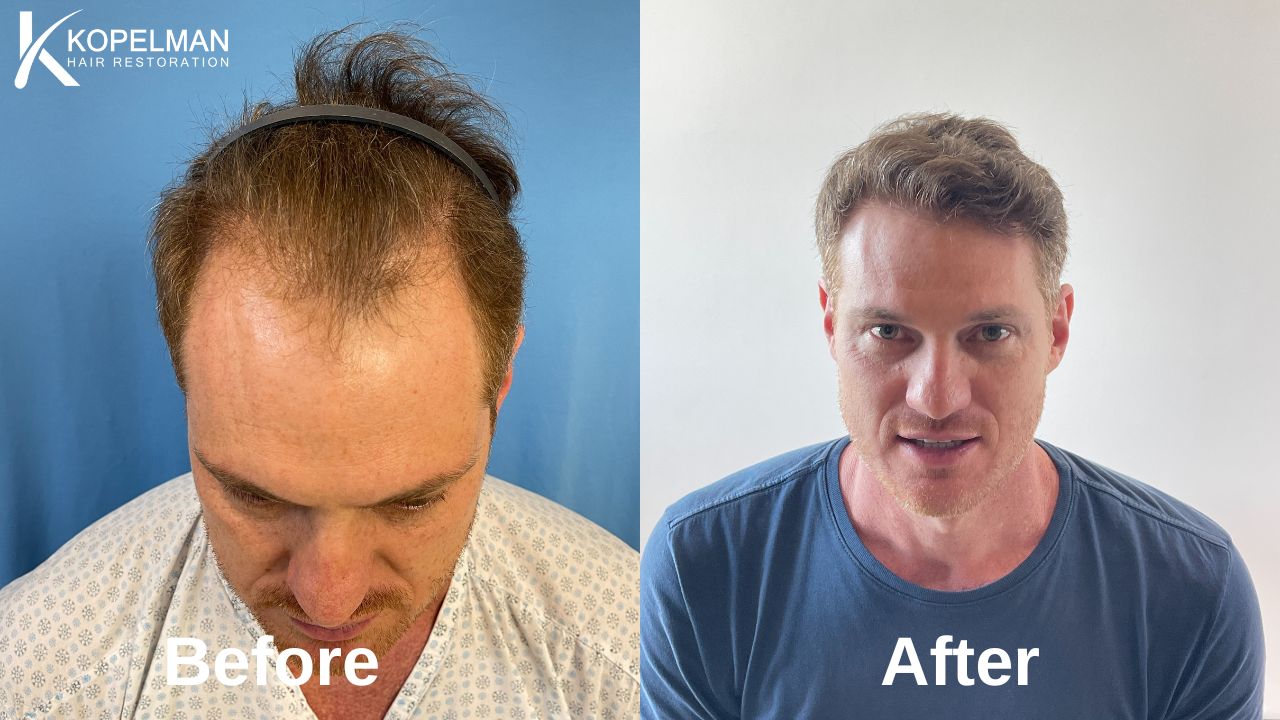
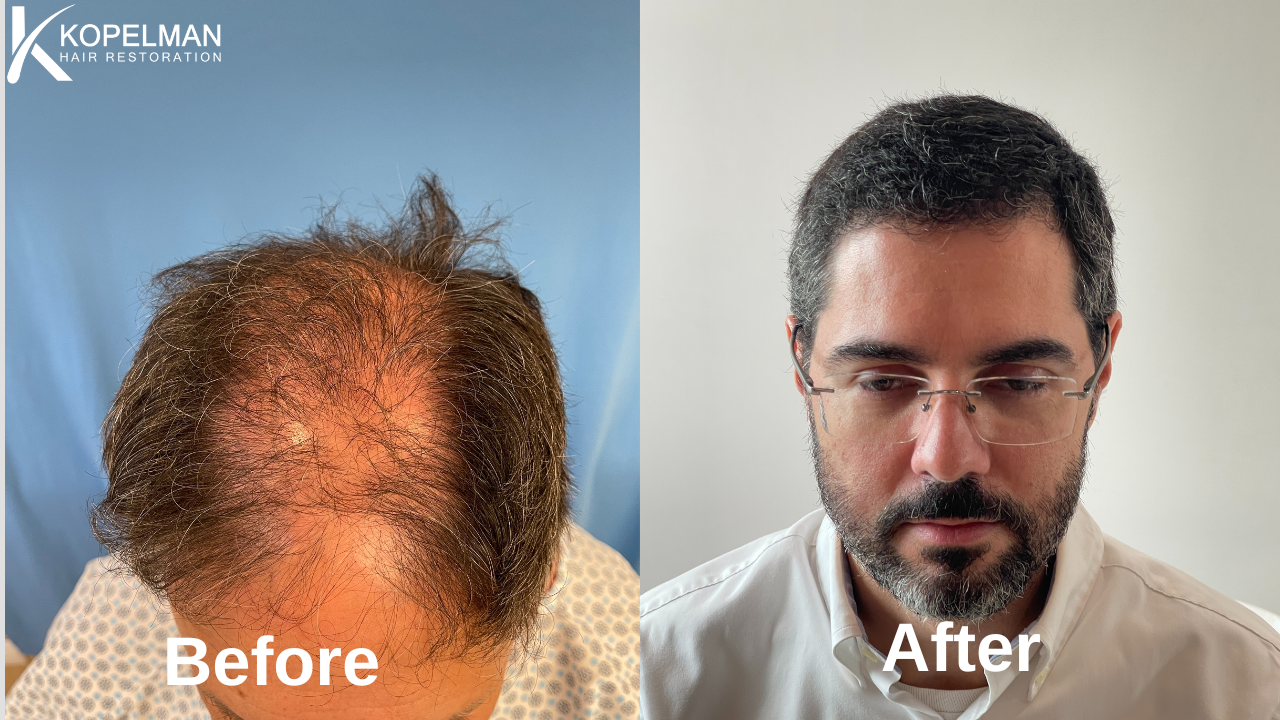
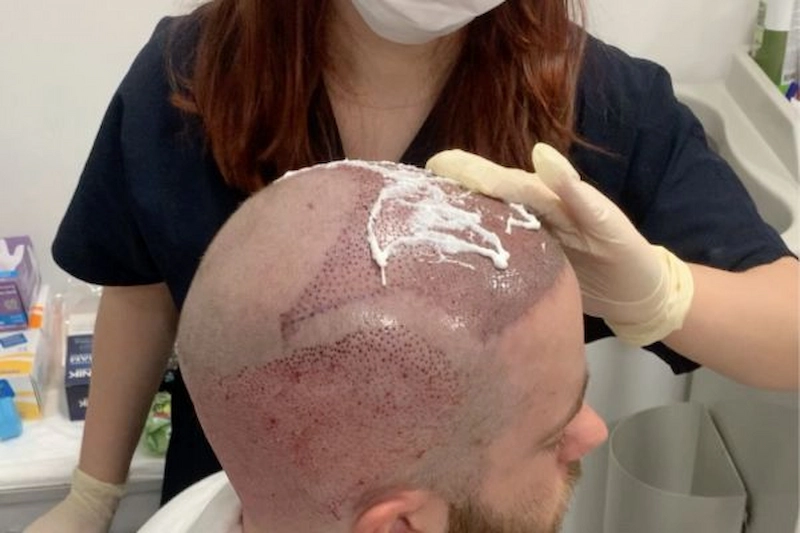
While supplements like berberine are being studied for hair health, they may not address severe thinning or conditions like advanced androgenetic alopecia. In such cases, a hair transplant could be the most effective solution.
Dr. Kopelman specializes in advanced hair restoration techniques that aim for natural-looking results. Whether it’s follicular unit extraction (FUE) or another method such as follicular unit transplantation (FUT), the plan is built around your hair loss pattern and goals.
If thinning continues despite treatment, a hair restoration specialist can confirm the cause and discuss options.