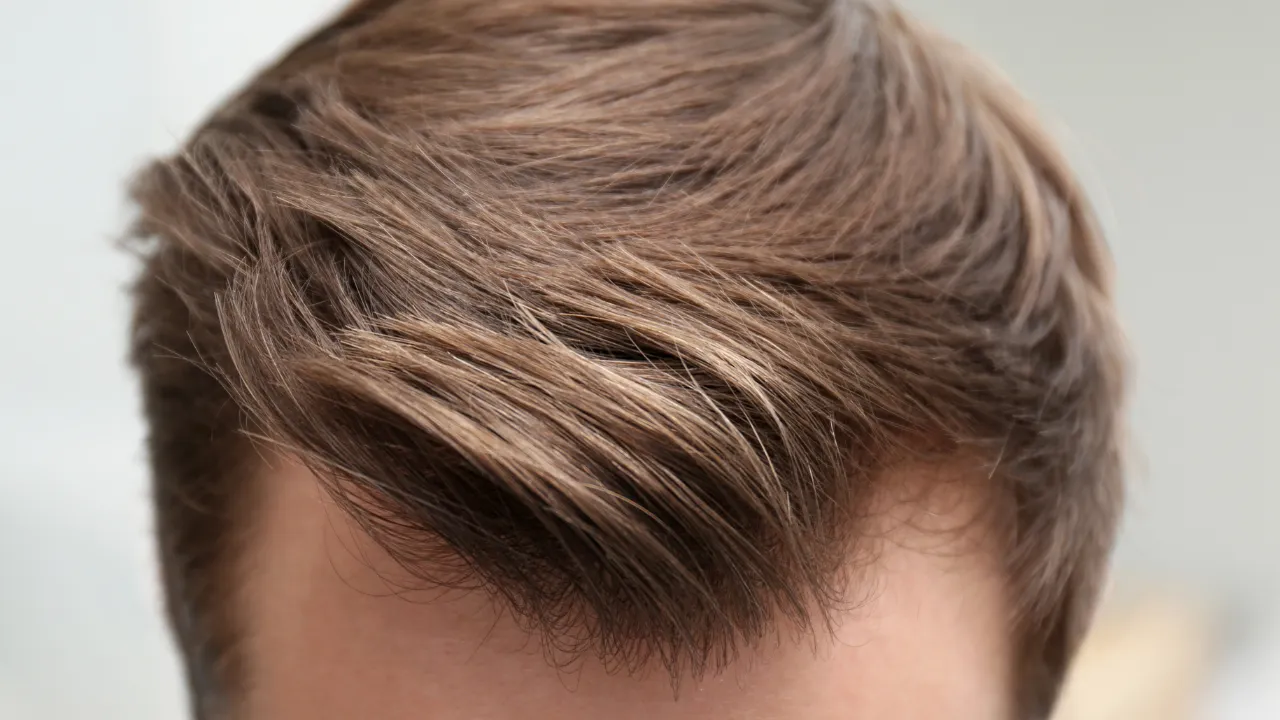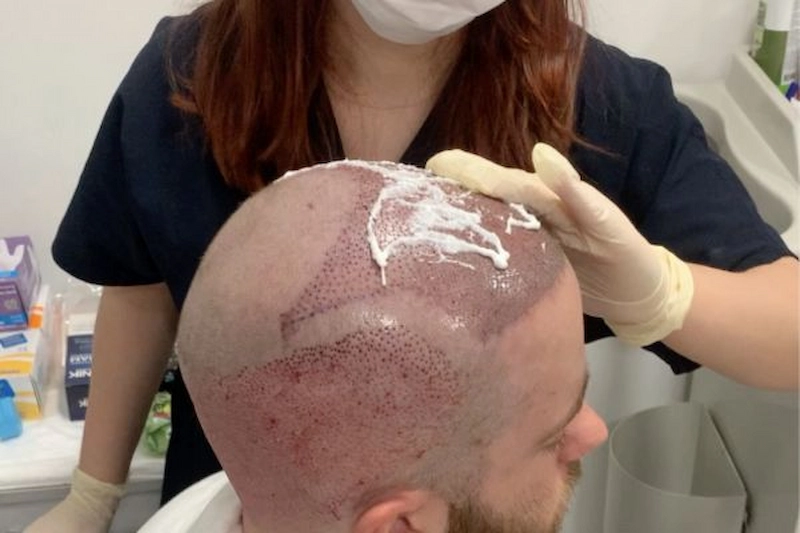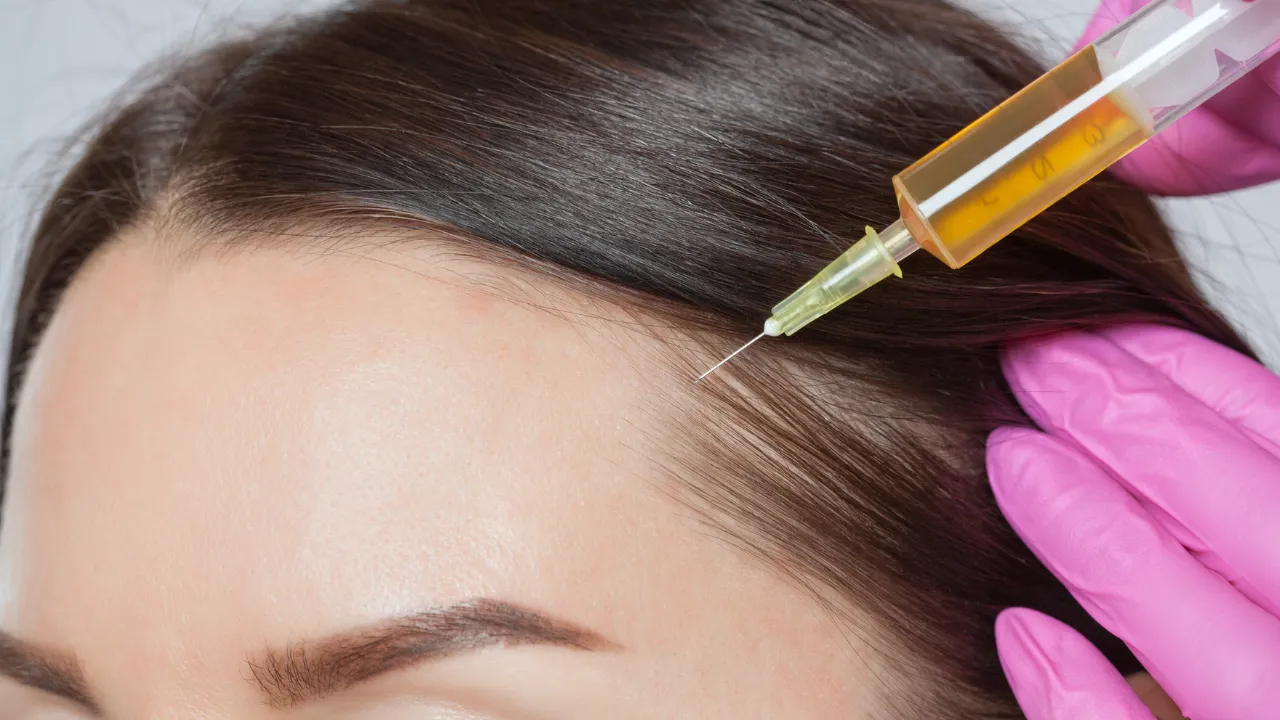

Some deficiencies, especially low vitamin D, B12, folate, or biotin, can be associated with shedding or weaker hair, but nutrition is only one possible cause of hair loss. Genetic conditions such as androgenetic alopecia and autoimmune conditions such as alopecia areata usually require a different approach. Kopelman Hair evaluates nutritional and non-nutritional causes together so vitamin status can be interpreted in the context of the patient’s overall hair-loss pattern.
Top Picks at a Glance
- Vitamin D: Most relevant when blood testing confirms low levels.
- Biotin: May help with a true biotin deficiency, but deficiency is rare.
- Vitamin B12: Important when low levels result from diet or malabsorption.
- Vitamin C: Supports collagen production and helps the body absorb plant-based iron.
What Are the Best Vitamins for Hair Growth?
1. Vitamin D
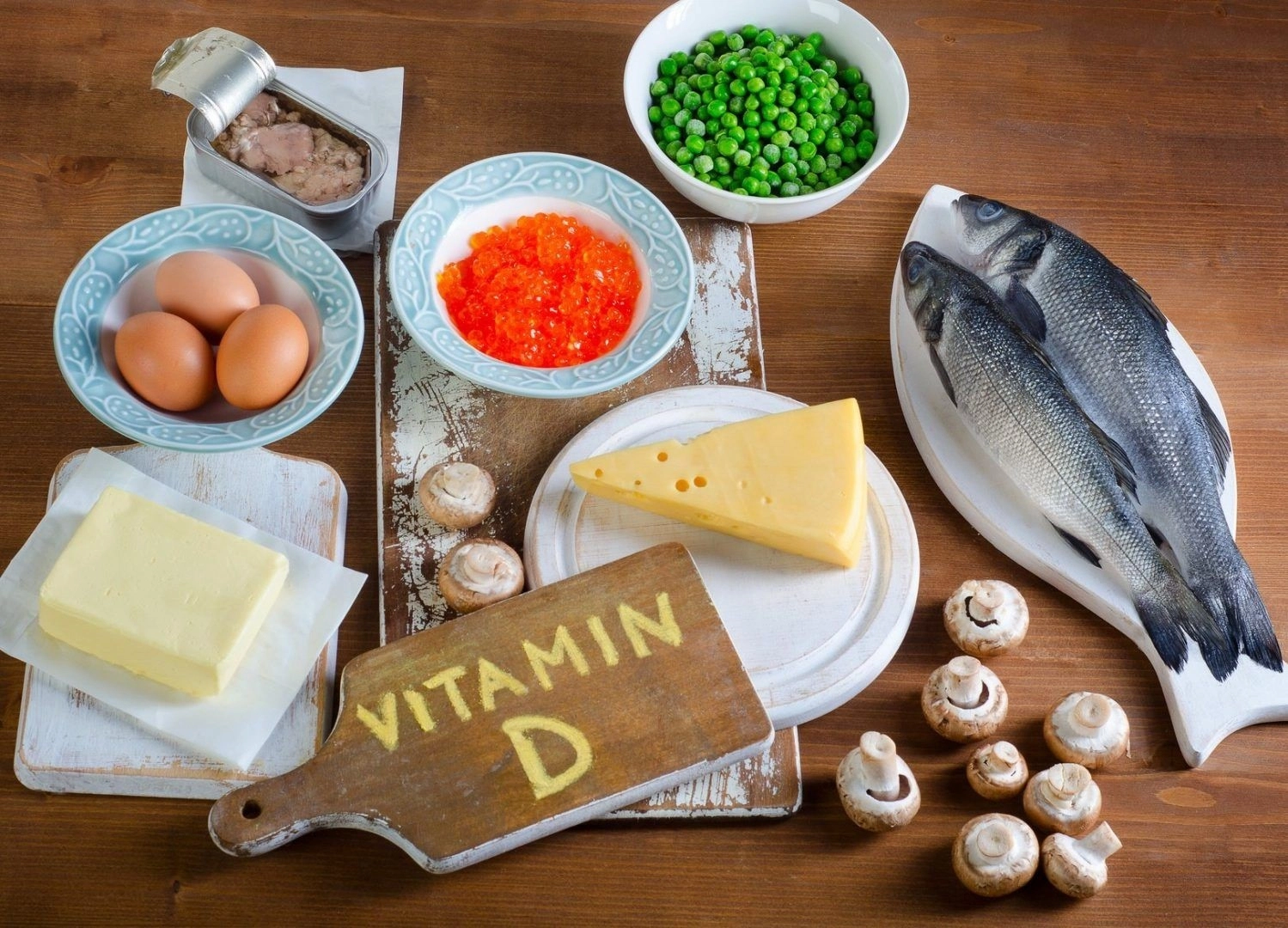
Vitamin D helps form cells that develop into hair follicles. Low levels are linked with some forms of loss, including alopecia areata. Supplements may help if testing confirms a deficiency, and vitamin D’s role in hair loss depends largely on whether levels are low.
2. Biotin
Biotin, also known as vitamin B7, helps the body process nutrients. A true biotin deficiency can cause thinning hair, but it is rare. Biotin supplements have little evidence of benefit when levels are normal
3. Vitamin C
Vitamin C supports collagen production and plant-based iron absorption. Both functions support normal tissue health. Common sources include citrus fruits, berries, peppers, and vegetables.
4. Vitamin A
Vitamin A supports cell growth and skin function. Too much can increase hair shedding. Food sources include carrots, sweet potatoes, eggs, and leafy greens.
5. Vitamin E
Vitamin E protects cells from oxidative damage. It may support scalp health. Evidence that vitamin E helps hair growth remains limited.
6. Folate
Folate, or vitamin B9, supports DNA and red blood cell production. Deficiency may affect rapidly dividing cells. Leafy greens, beans, citrus, and fortified grains provide folate.
7. Vitamin B12
Vitamin B12 supports red blood cell formation and nerve function. Low levels can occur with restrictive diets or malabsorption. Extra B12 has not shown clear benefit when levels are adequate.
8. Vitamin B2
Vitamin B2, or riboflavin, helps cells produce energy. Severe deficiency can affect renewing tissues. Dairy, eggs, meats, and fortified grains provide riboflavin.
9. Vitamin B3
Vitamin B3, or niacin, supports energy production and skin function. Deficiency is uncommon in the United States. Meat, fish, peanuts, and fortified foods provide niacin.
10. Vitamin B6
Vitamin B6 supports protein metabolism and red blood cell production. Deficiency can occur in some medical settings. Poultry, fish, potatoes, bananas, and fortified cereals provide B6.
Do Hair Growth Vitamins Actually Work?
Supplements work best when they correct a documented nutritional shortfall. People with adequate levels should not expect them to reverse genetic or autoimmune loss. Evidence for many marketed formulas remains limited.
When Supplements May Help
A clinician may recommend supplementation when testing identifies a deficiency. This approach targets a specific medical need. Taking multiple vitamins and minerals without evidence of deficiency may add risk without benefit.
How Long Results May Take
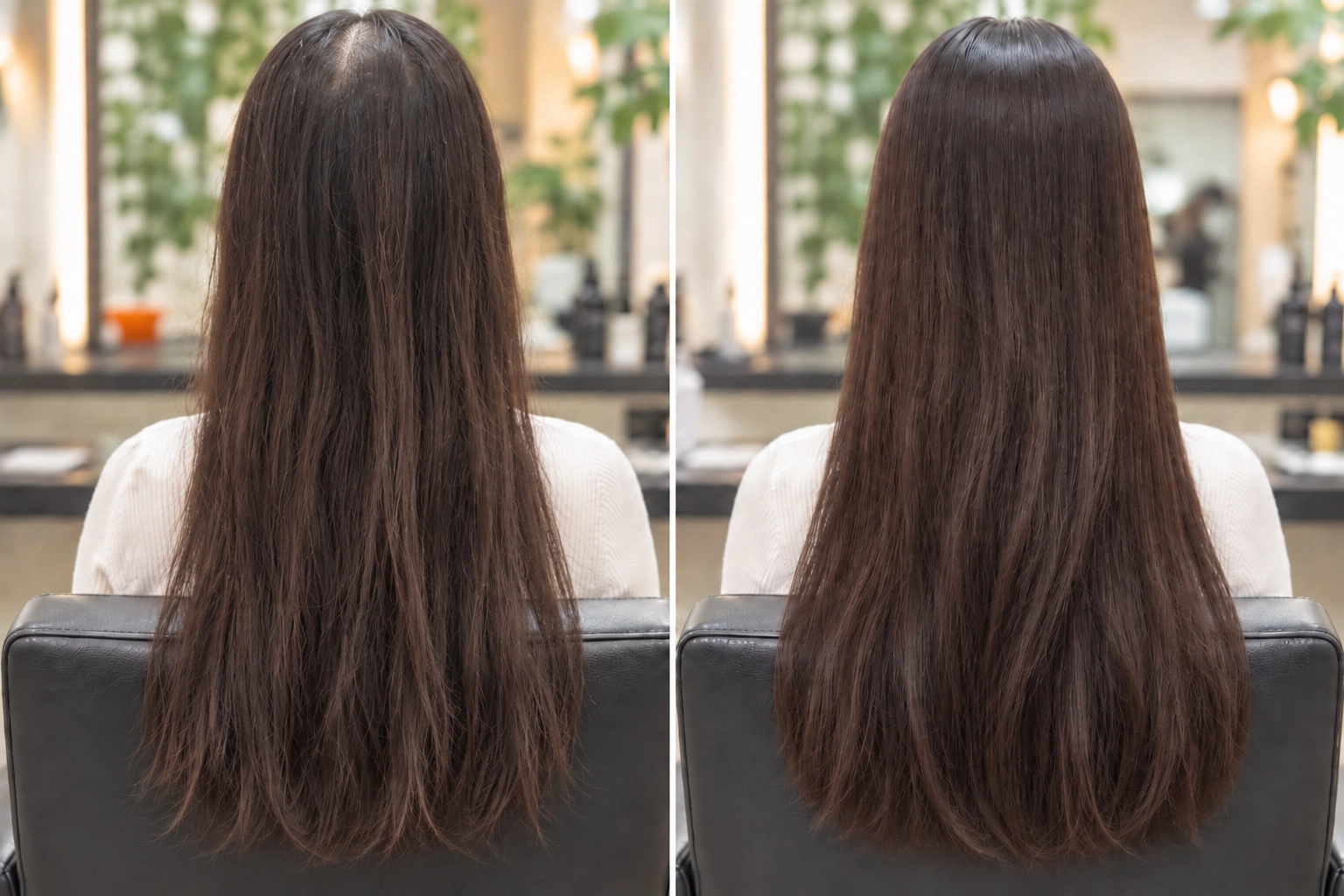
Hair grows in cycles, so visible change is slow. If deficiency contributes to hair shedding, improvement may take several months after correction. Timing varies by cause and growth cycle.
Which Nutrients Have the Best Evidence?
Not every nutrient has the same evidence for treating hair loss. Vitamin D and iron are most relevant when testing confirms low levels, while vitamin C can support iron absorption. Evidence for biotin, vitamin E, zinc, B vitamins, and other supplements is weaker when no deficiency exists.
Biotin or B12: Which Is Better?
Neither nutrient is universally better. Biotin matters most when biotin deficiency exists, while B12 should be corrected when levels are low. High-dose biotin supplements can interfere with some laboratory tests.
Vitamins for Hair Loss and Deficiencies
Signs Hair Loss May Be Nutritional
Nutrition may deserve closer evaluation when hair shedding occurs with restrictive dieting, rapid weight loss, pregnancy, anemia, malabsorption, or other signs of deficiency. These factors do not prove that nutrition caused the problem.
A medical evaluation can distinguish a nutrient shortage from androgenetic alopecia, alopecia areata, telogen effluvium, and other conditions. Some patients also explore hair supplements for alopecia when nutritional support may be relevant.
What Vitamin Deficiency Causes Hair Loss?
Vitamin D deficiency is one of the vitamin deficiencies most commonly linked with hair loss, while low B12, folate, and biotin may also contribute in some cases. Iron and zinc deficiencies can also cause shedding, although they are minerals rather than vitamins. Symptoms alone cannot identify the cause, so blood testing may be needed to confirm a deficiency before treatment.
When Blood Testing May Help
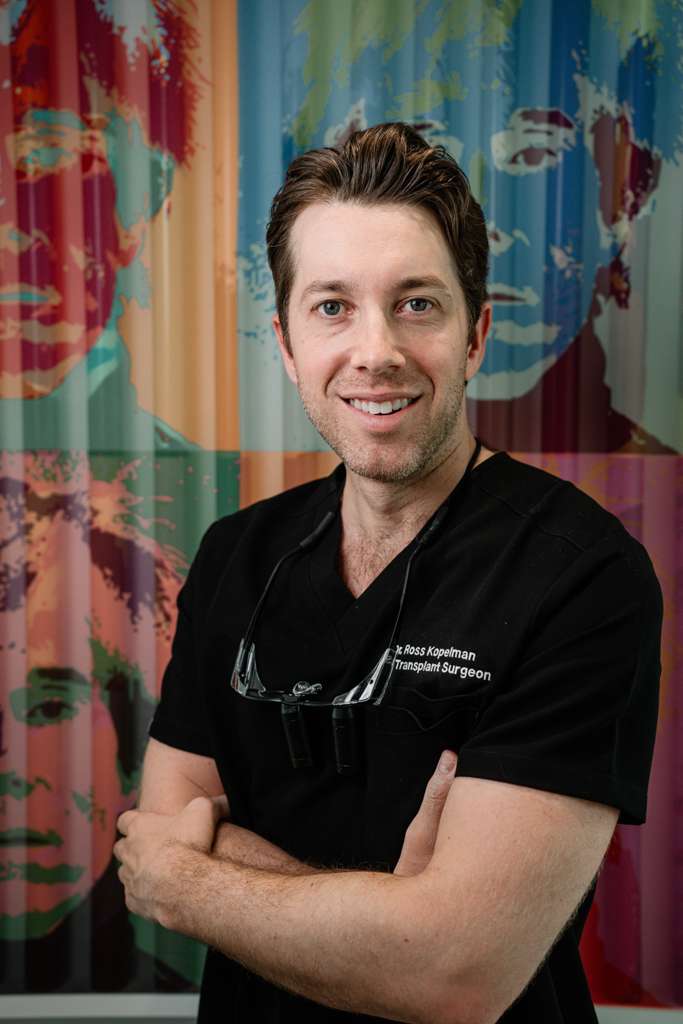
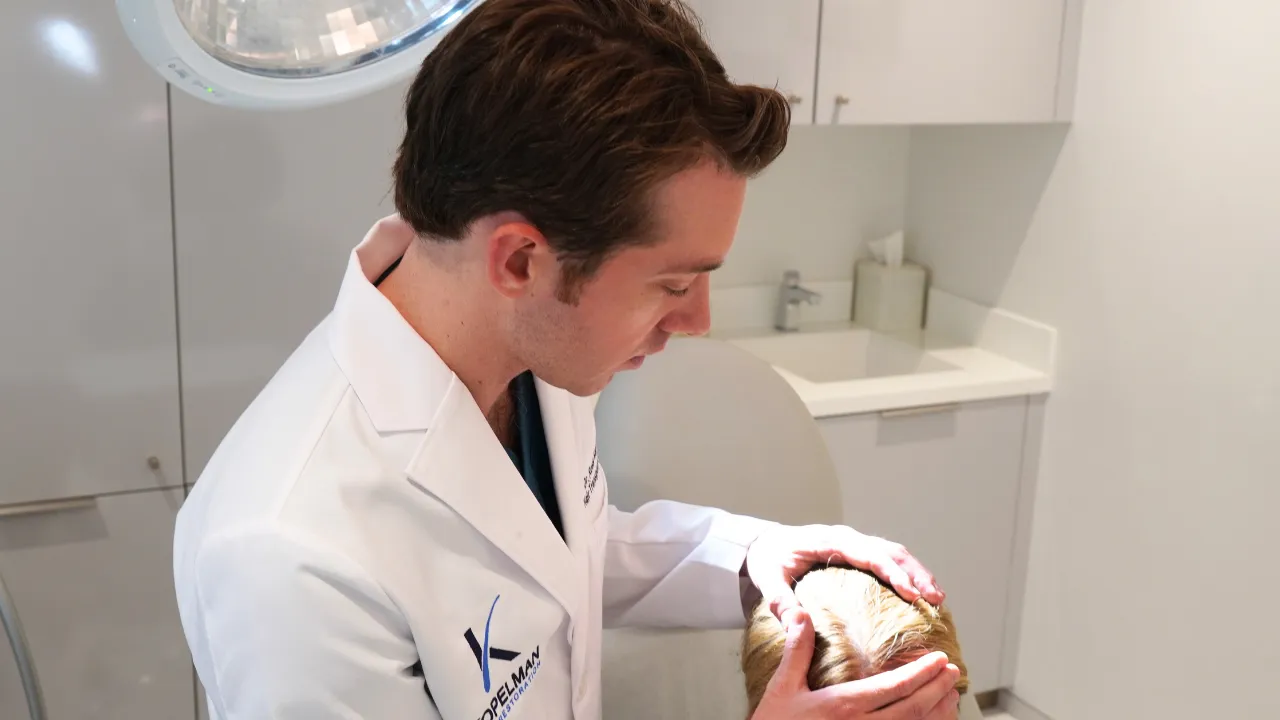
Testing may help when diet, symptoms, or medical history suggest deficiency. Dr. Kopelman is a hair restoration surgeon who evaluates patients with hair loss, while nutritional findings should be considered alongside non-nutritional causes. Testing helps determine which factors deserve treatment.
Other Nutrients for Hair Health
Iron and Zinc
Iron helps red blood cells carry oxygen, while zinc supports cell repair. Iron supplements may be appropriate after confirmed deficiency. Excess iron can harm health, and extra zinc does not reliably stimulate regrowth.
Selenium and Magnesium
Selenium and magnesium support normal body functions. Evidence for routine supplementation is weak. Excess selenium can contribute to loss, while most people obtain enough magnesium from food.
Omega-3s and Protein
Protein supplies amino acids used to build keratin. Omega-3 fatty acids support general cell and scalp health. Direct evidence that omega-3 supplements stimulate regrowth remains limited.
Vitamins for Women, Men, and Kids
Vitamins for Hair Growth in Women
Vitamin D, vitamin B12, folate, and biotin may be relevant when a woman has a confirmed deficiency that contributes to hair loss. Also evaluate iron when menstruation, pregnancy, or restrictive diets increase the risk of low levels. Supplement needs can change during pregnancy and breastfeeding, so testing and medical guidance should direct treatment.
Vitamins for Hair Growth in Men
Vitamin D, vitamin B12, folate, and biotin may support normal hair function when a deficiency is present. The same deficiency-based approach applies to vitamins for beard growth, since supplements are most relevant when nutrient levels are inadequate.
Gradual recession or crown thinning in men more often reflects androgenetic alopecia rather than a vitamin shortage. Correcting a deficiency may support hair health, but supplements do not treat the underlying genetic process.
Vitamins for Hair Growth in Kids
Vitamin D, vitamin B12, folate, and other nutrients may affect hair health in children when intake or absorption is inadequate. Children should not take adult hair supplements because doses of biotin, vitamin A, or other nutrients may be inappropriate for their age. A pediatrician or dermatologist should identify whether nutrition, infection, traction, or another condition is causing the hair loss.
How to Choose Hair Growth Vitamins
What to Check on Supplement Labels
Check the nutrient dose before choosing a supplement, especially when several products contain the same ingredients. Look for third-party testing, and avoid assuming larger doses mean better results. High-dose biotin can interfere with laboratory testing, while excessive intake of nutrients such as vitamin A, selenium, and iron can cause health problems.
Vitamins for Hair, Nails, and Skin
Many hair, skin, and nails products combine biotin, zinc, selenium, and antioxidants. More ingredients do not guarantee better results. Choose based on need, dose, and professional guidance.
Food vs. Supplements for Hair Growth
Whole foods provide micronutrients, protein, fiber, and other compounds. Supplements can help when diet cannot correct a confirmed shortfall. A balanced diet remains the starting point for healthy hair growth.
Can Too Many Vitamins Cause Hair Loss?
Yes, excessive intake of some nutrients can worsen loss or cause other problems. In some cases, multivitamins can contribute to hair loss when they provide excessive amounts of certain nutrients. Too much vitamin A or selenium may increase shedding, while excess iron can be toxic. High-dose supplements need a clear reason.
When Vitamins Are Not Enough
Pattern Hair Loss
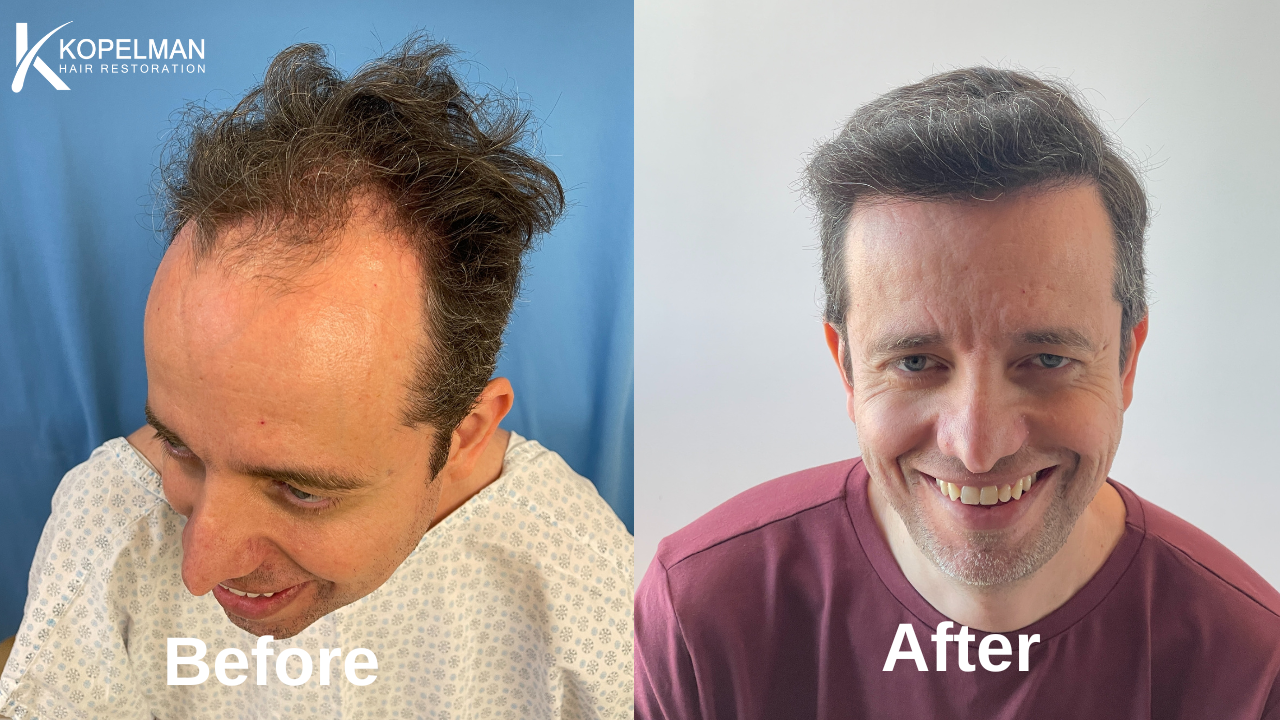
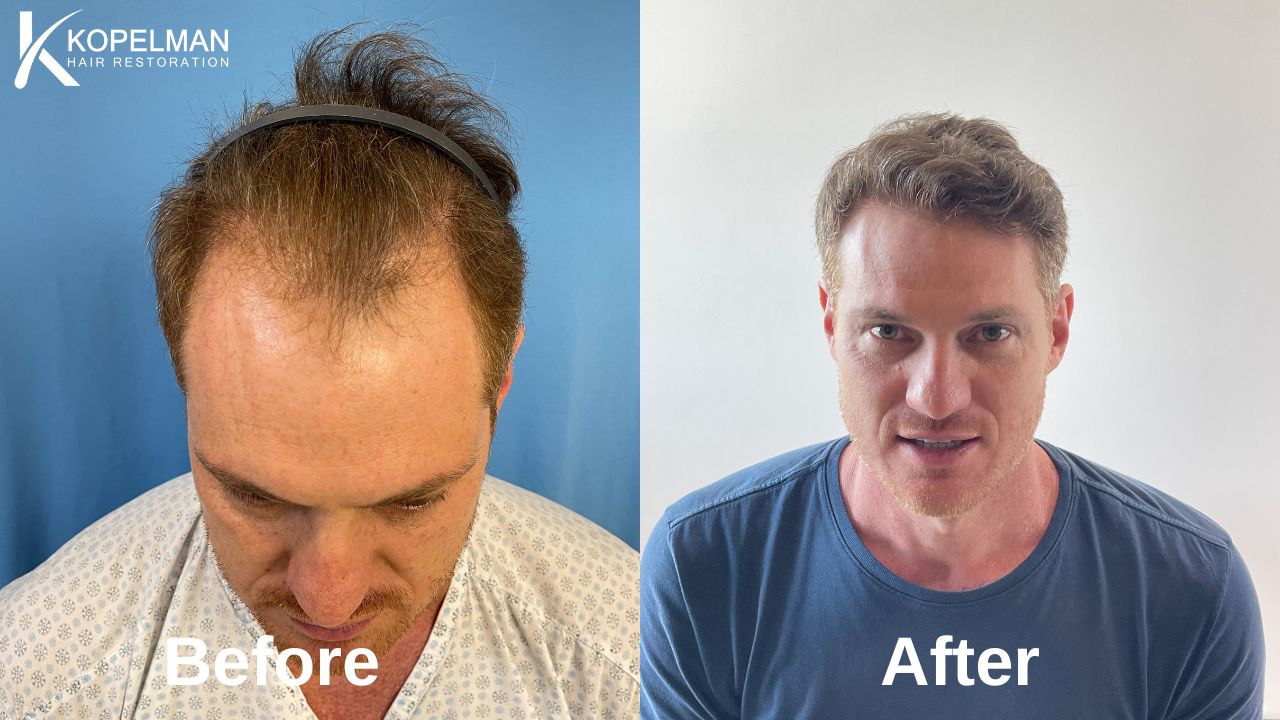
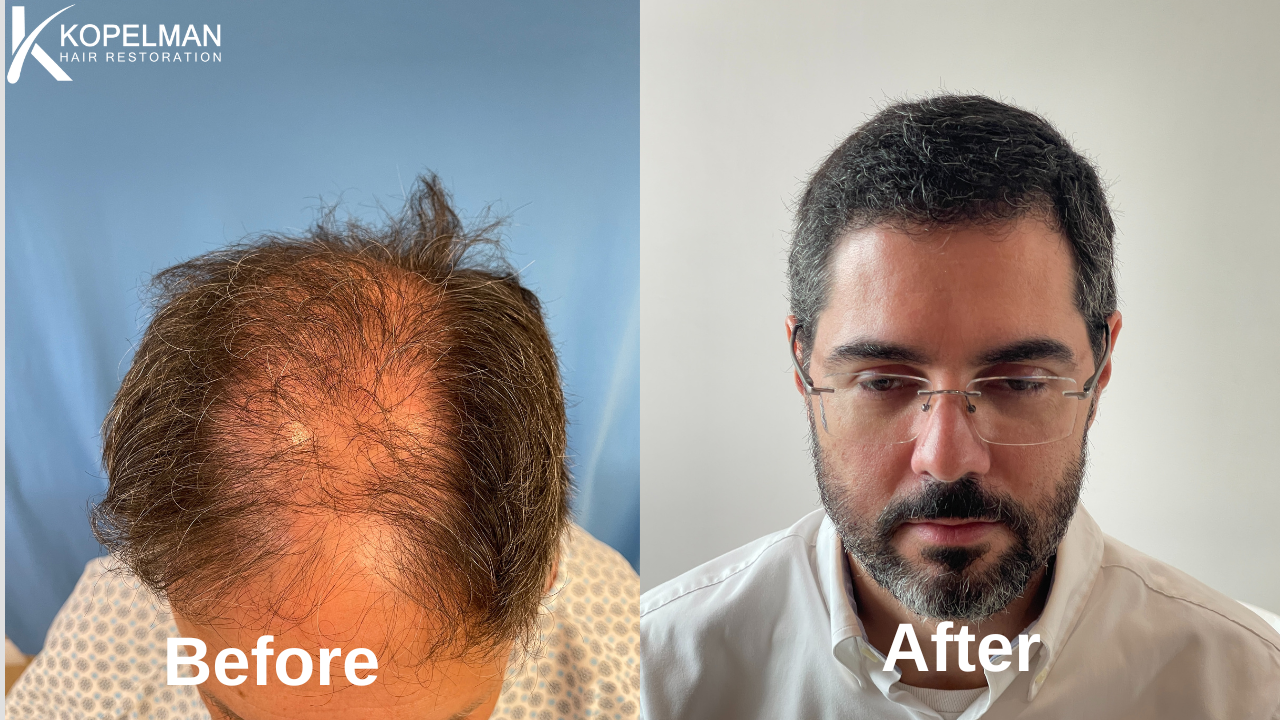
Androgenetic alopecia is driven mainly by genetics and hormone sensitivity, not a nutrient shortage. Supplements cannot reverse follicle miniaturization when nutrition is adequate. Consider medical or surgical care after diagnosis.
When to See a Hair Specialist
Seek evaluation when loss is sudden, patchy, persistent, or linked with scalp symptoms. Conditions such as alopecia areata and telogen effluvium require different approaches. Accurate diagnosis determines whether nutrition or another treatment is appropriate.
You can schedule a consultation with Dr. Kopelman to review your hair loss pattern and discuss the next appropriate step.