
Many people use castor oil for eyebrows because it contains fatty acids that moisturize the skin and support healthier hair strands, similar to oils discussed in castor oil for hair loss.
These nutrients may strengthen existing brow hair and reduce breakage, which can make eyebrows appear fuller over time.
Current scientific evidence does not confirm that castor oil can create new hair follicles or regrow lost brows. Instead, it works mainly as a conditioning treatment that supports the overall health of skin and hair around the eyebrow area.
Key Takeaways
- Castor oil for eyebrows can improve moisture and strengthen existing brow hair, which may make eyebrows appear fuller over time.
- Current scientific evidence does not confirm that castor oil can create new hair follicles or permanently regrow lost eyebrow hair.
- Applying a small amount of castor oil with tools like a cotton swab or clean mascara wand helps condition brow hair while reducing the risk of irritation.
- Persistent eyebrow thinning or hair loss may require professional evaluation, as underlying medical causes may need targeted treatment beyond cosmetic oils.
Does Castor Oil Grow Eyebrows?
Interest in castor oil and eyebrows growth has grown through beauty blogs and social media. Many people believe the oil can stimulate new brow hair.
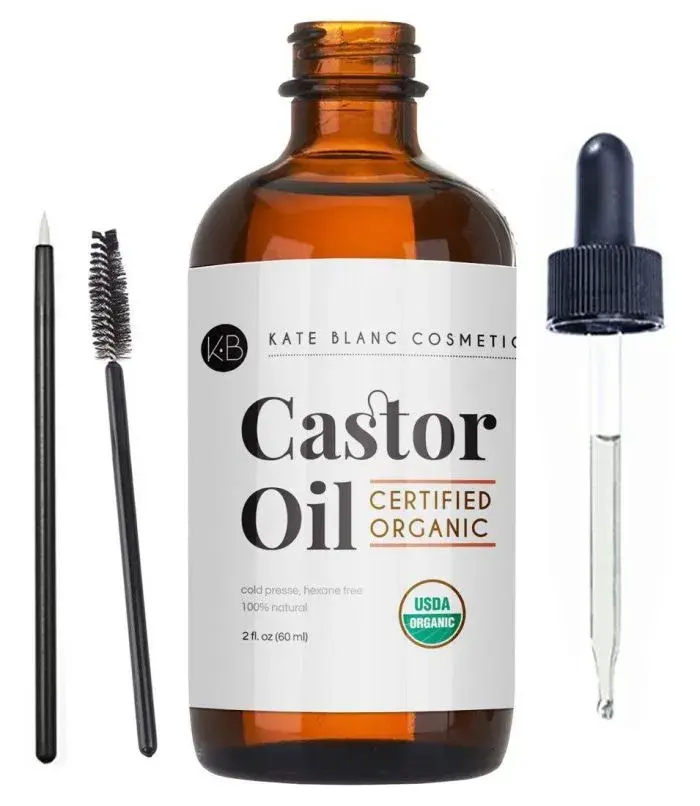
The key question remains simple – does castor oil grow eyebrows, or does it mainly improve the appearance of existing hair?
Castor oil contains ricinoleic acid, a compound classified as a fatty acid that helps moisturize skin and hair.
These nutrients can support the environment around the hair follicle. When follicles remain healthy, brow hair may appear stronger and less prone to breakage.
However, there is limited scientific evidence proving that castor oil creates new hair follicles. Dermatologists often explain that oils mainly condition existing hair rather than trigger new hair growth.
Is Applying Castor Oil Good for Eyebrows?
Applying oil to the brow area may help protect delicate hair strands. Healthy skin and hair conditions often improve the appearance of density. As a result, brows can appear fuller even if the number of hairs does not change.
Castor oil also forms a protective layer around each strand of brow hair. This barrier may reduce dryness and damage. For people with thin brows, conditioning existing hair can create a noticeable cosmetic improvement.
Can Castor Oil Regrow Eyebrows or Support Growth?
Some people try castor oil to regrow eyebrows after overplucking or mild brow thinning. The oil may improve the environment around the follicle and help maintain natural hair cycles.
Common causes of eyebrow thinning include:
- Overplucking or excessive grooming
- Hormonal changes affecting hair growth, which may relate to hair loss due to hormones
- Skin conditions that impact the hair follicle
- Nutritional deficiencies affecting skin and hair
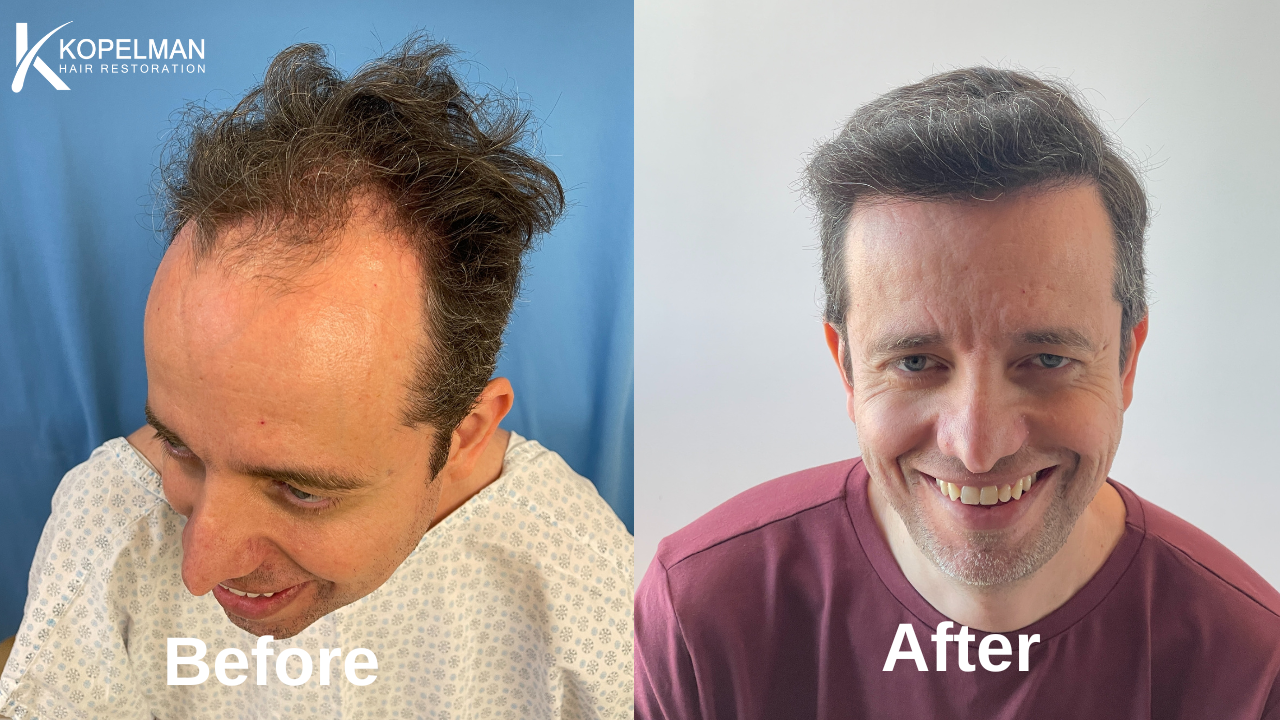
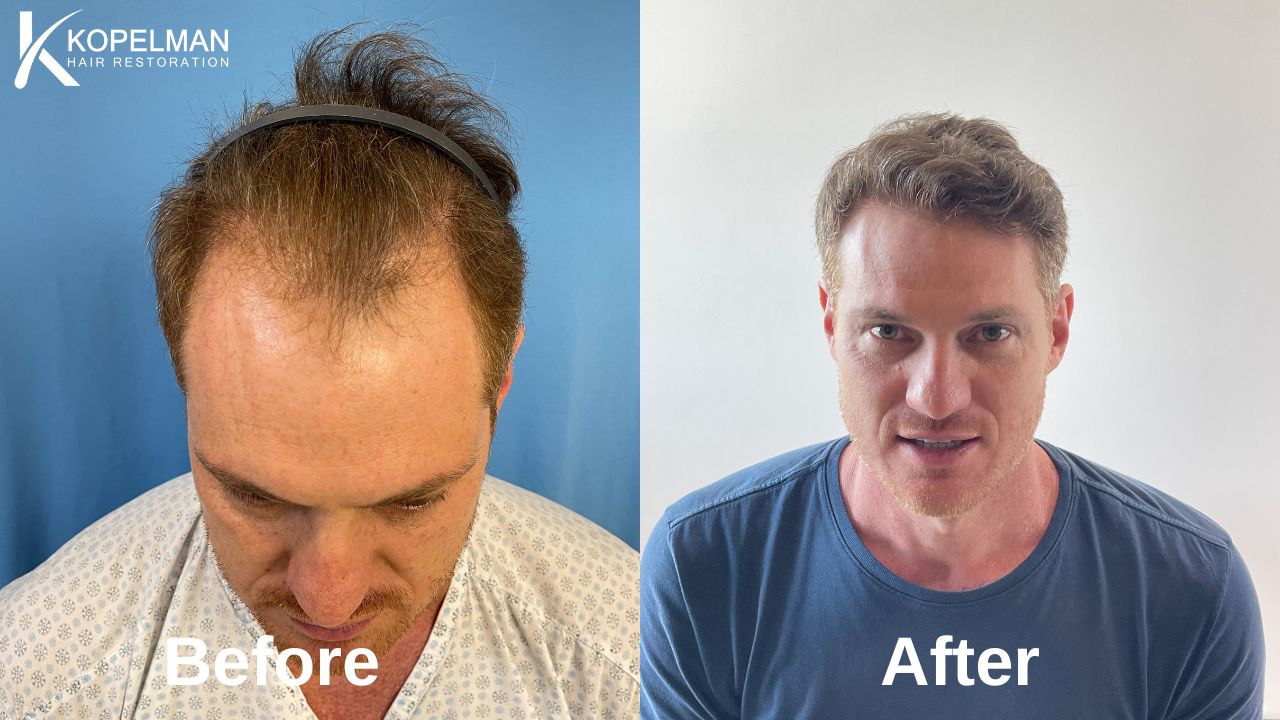
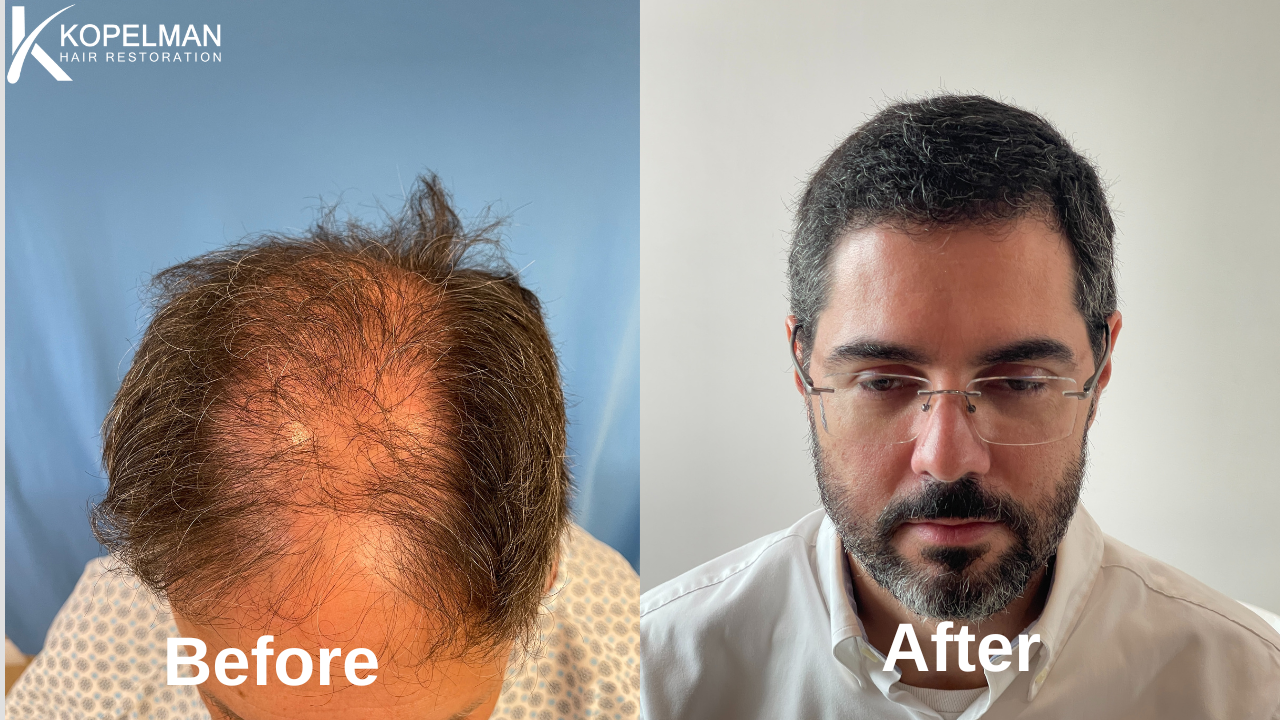
When brow thinning results from medical hair loss, cosmetic oils may not provide lasting improvement. Specialists such as Dr. Kopelman often evaluate underlying causes before recommending treatment.
Castor Oil for Eyebrows Benefits
The main benefit of castor oil involves conditioning existing hair rather than creating new follicles. Oils rich in fatty acids help protect delicate strands and improve hydration. This can reduce breakage in fragile eyebrow hair.
Many people associate these results with castor oil thick eyebrows. In reality, the oil may simply strengthen existing hairs. Stronger hairs can create the appearance of fuller brows.
How Castor Oil May Help Thick Eyebrows
Several effects may explain why castor oil appears helpful in some beauty routines:
- Moisturizing the skin around the follicle
- Improving flexibility of brow hair
- Reducing breakage during grooming
- Enhancing shine and smooth texture
These improvements may support healthier hair over time. Even small changes in hair quality can affect how dense eyebrows appear.
How to Use Castor Oil for Eyebrows
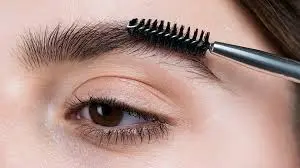
Proper application helps reduce irritation and improves results. Experts usually recommend applying a small amount of castor oil once daily. The skin around the eyes remains sensitive, so gentle application is essential.
Before application, make sure the face is clean. Removing makeup allows the oil to reach the brow hair directly. When eyebrows are clean, the oil spreads evenly.
Steps to safely apply castor oil include:
- Wash the face so the brow area is clean and free of makeup
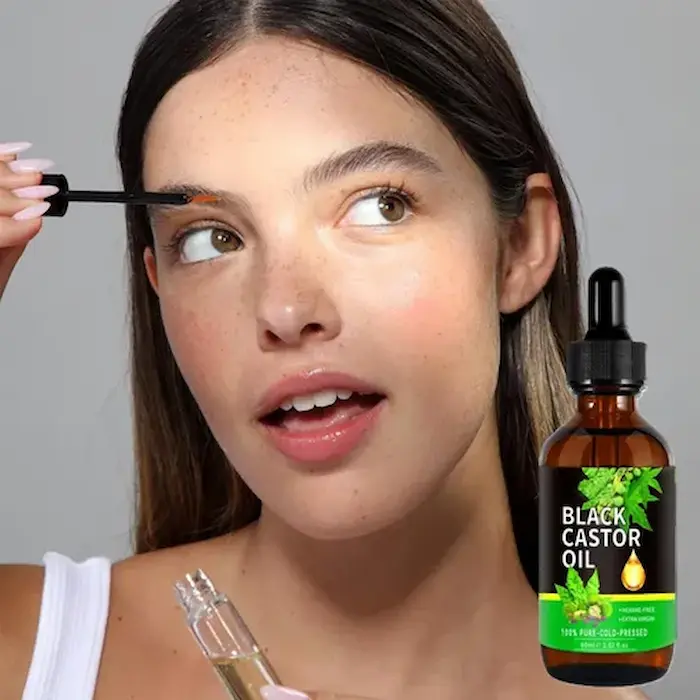
- Place a small amount of castor oil on an applicator
- Spread the oil lightly along the eyebrow shape
- Avoid using excess oil near the eyes
Prepare Clean Eyebrows
Begin with a gentle cleanser to remove makeup and residue. Clean skin reduces the risk of clogged pores. This also helps the oil reach the hair shaft directly.
Apply a Small Amount of Castor Oil
Use only a modest amount of castor oil. Applying too much oil may cause irritation around the eyes. A thin layer is usually sufficient.
Use a Cotton Swab or Mascara Wand
Application tools help control the oil. A cotton swab allows precise placement along the brow line. A clean mascara wand spreads the oil evenly across each strand.
Tools commonly used include:
- Cotton swab for controlled application
- Clean mascara wand for even coverage
- Small spoolie brush for shaping brow hair
Castor Oil Eyebrows Before and After
Images labeled castor oil eyebrows before and after often appear online. These photos suggest dramatic results, but many factors influence appearance. Lighting, grooming, and makeup can change how brows look.
Visible changes usually occur slowly. Hair must complete a natural growth cycle before noticeable differences appear.
How Long Until Eyebrows Grow?
Eyebrow hair grows more slowly than scalp hair. Visible improvement may take several weeks. Even when follicles remain healthy, growth takes time.
Typical Results People Report
Many users report softer and smoother brows rather than dramatic growth. Conditioning oils may help hairs stay longer in the growth phase. This can create a slightly fuller appearance.
Best Castor Oil for Eyebrows
Product quality plays an important role in skincare routines. Many experts recommend cold pressed castor oil because it undergoes minimal processing. This helps preserve beneficial fatty acids.
Pure formulas also reduce the risk of irritation. Products with fragrances or additives may trigger reactions near the eyes.
Cold-Pressed Castor Oil
Cold pressed oil comes from seeds pressed without heat. This process helps protect natural nutrients.
How to Choose Pure Castor Oil
When selecting castor oil, look for:
- Labels indicating cold pressed extraction
- Minimal ingredients or pure oil formulas
- Dark glass bottles that protect oil quality
Castor Oil for Eyebrows Side Effects
Although generally safe, oils can sometimes irritate sensitive skin. Some people experience redness or itching near the brow area. Oils applied near the eyes may also migrate and cause discomfort.
What Are the Disadvantages of Castor Oil?
Potential drawbacks include skin irritation or clogged pores. Some users simply do not see noticeable changes.
Why a Patch Test Matters
Before regular use, perform a patch test. Apply a small drop to the wrist and wait 24 hours. This step helps detect possible reactions before applying oil near the eyes.
When Eyebrow Hair Loss Needs Treatment

Not all brow thinning responds to cosmetic oils. Persistent hair loss may result from hormonal changes or medical conditions such as alopecia eyebrows. In these cases, professional evaluation becomes important.
Clinics such as Kopelman Hair examine the health of the hair follicle and surrounding skin. Dr. Kopelman may recommend treatment when cosmetic approaches do not improve brow density.
Eyebrow Growth Serums
Many over the counter products contain a growth serum designed to support eyebrow density. These formulas may help strengthen existing hairs.
Medical Treatments for Brow Hair Loss
Medical evaluation may identify conditions that affect eyebrow growth, including different types of alopecia. Treatment can address the root cause of hair thinning.
Specialists in hair restoration help patients explore safe solutions when cosmetic remedies do not provide the expected results.