
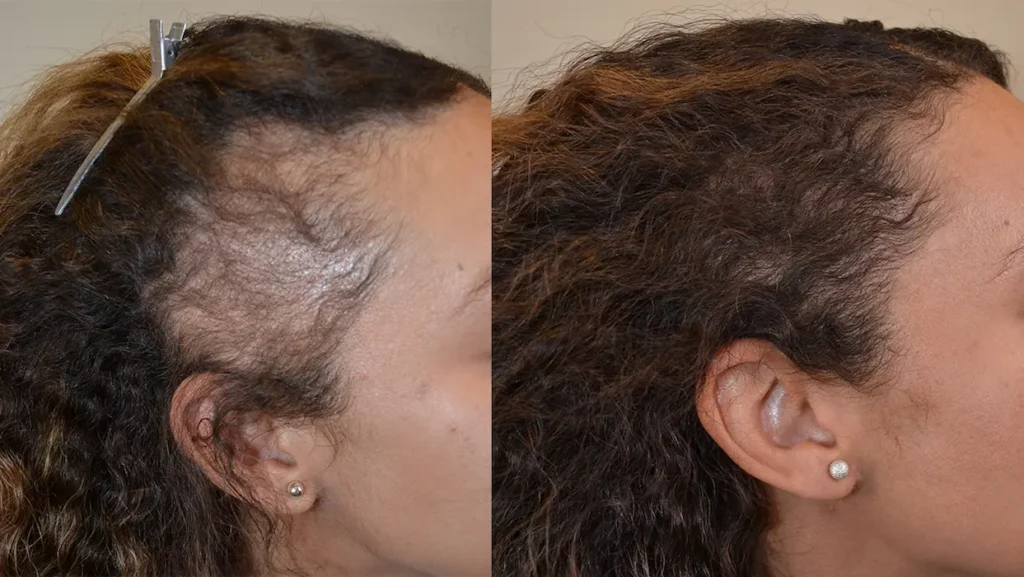
If traction continues for a long time, the condition can progress to a scarring stage where follicles are permanently damaged and cannot produce new hair.
At that point, regrowth is unlikely without medical intervention like a hair transplant. You can improve your chances of recovery by switching to low-tension styles, treating inflammation early, and monitoring thinning areas before they become permanent.
If the damage has lasted a long time and the scalp looks smooth or shiny, regrowth may be limited. Permanent follicle loss may have occurred. The key factor is whether the follicles are still alive.
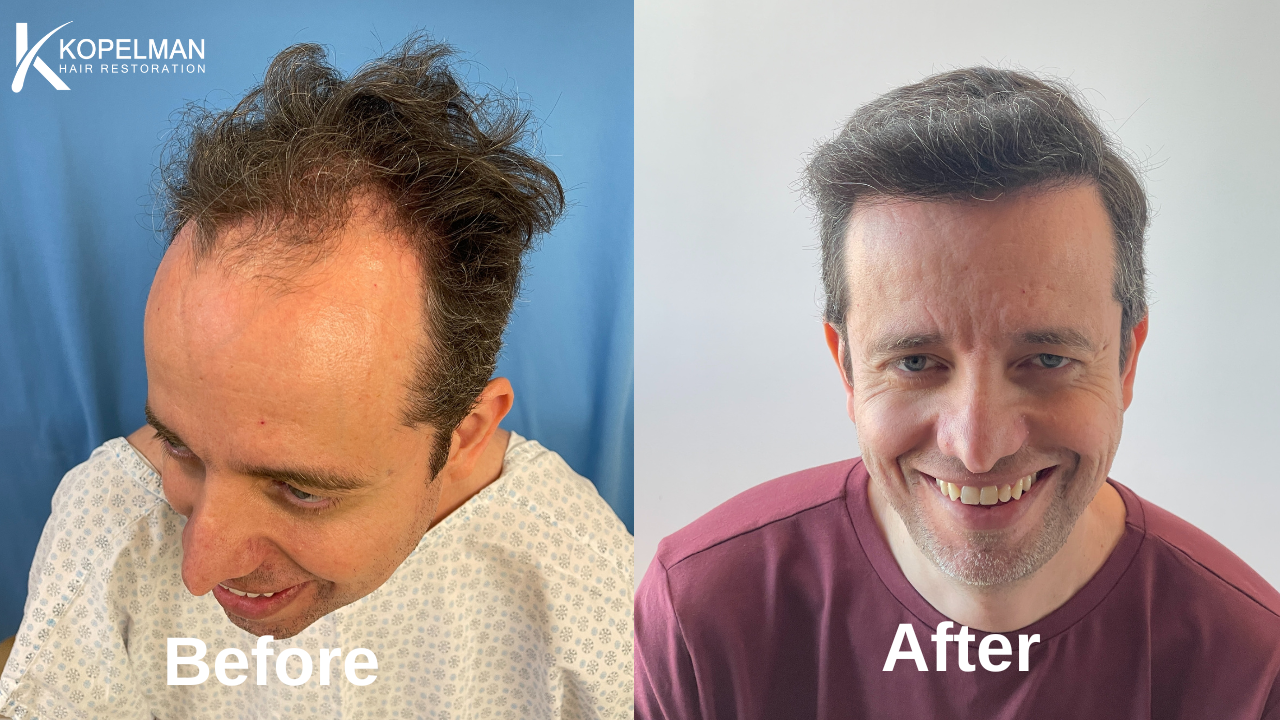
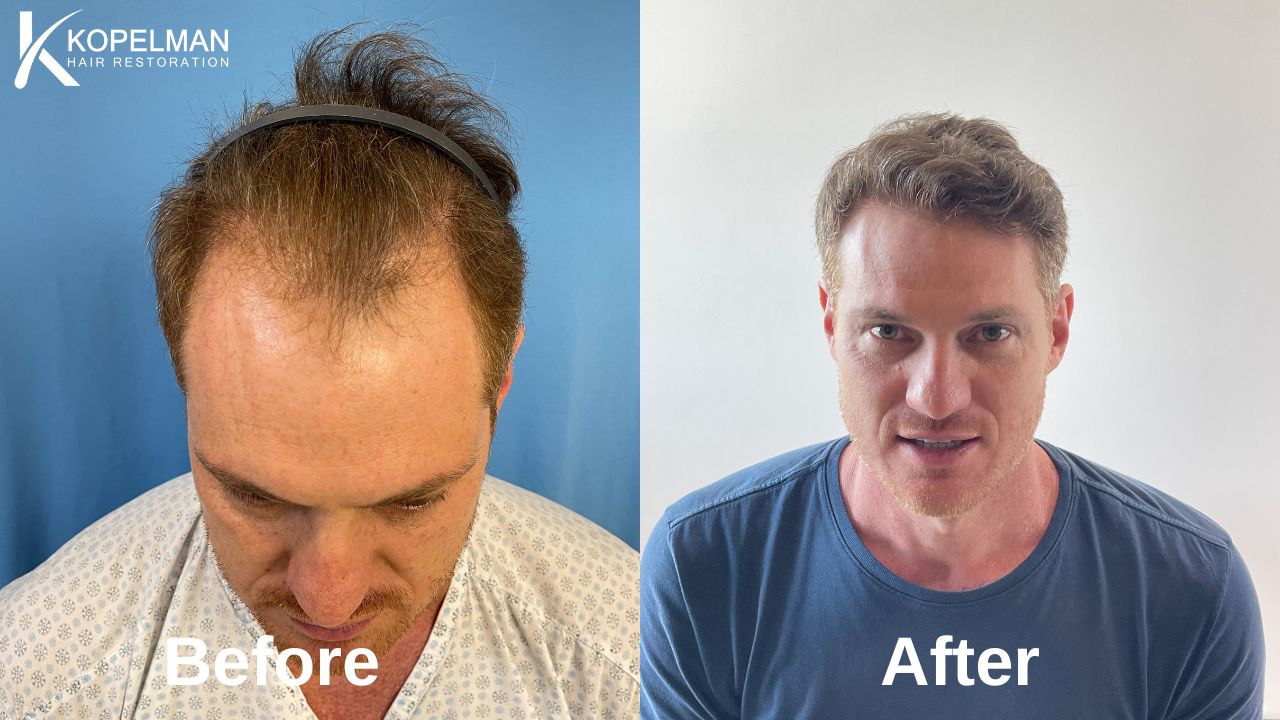
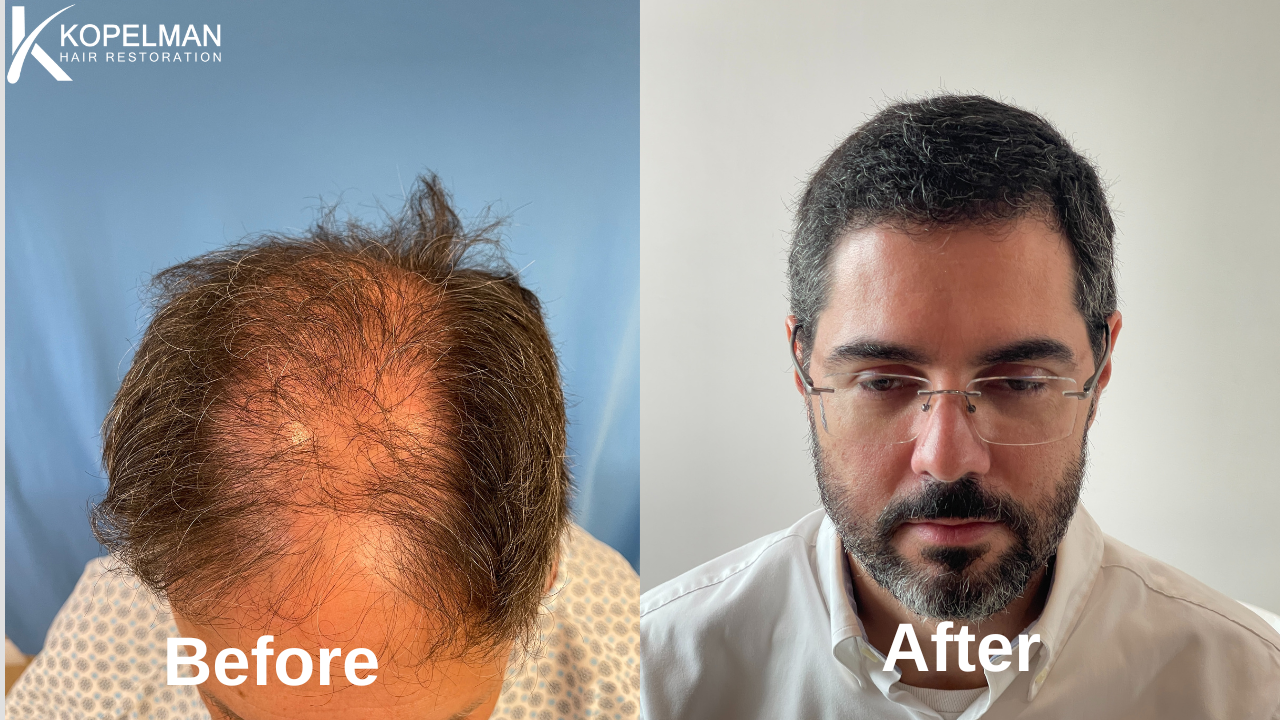
That is why early evaluation by a hair restoration specialist matters. For patients with irreversible thinning, treatments such as medical therapy or a carefully planned hair transplant can still restore density and improve the hairline.
Key Takeaways
- The good news is that traction alopecia is a type of hair loss that can often improve if it is identified early and the repeated pulling force is removed before follicle scarring develops.
- Regrowth is most likely in the early stages, when follicles are still active, while smooth shiny bald areas may signal permanent damage that needs specialist evaluation.
- Common causes include tight hairstyles, braids, ponytails, and hair extensions that place constant tension on the hairline and other affected areas over time.
- If natural recovery does not occur after several months, medical therapies or a carefully planned hair transplant may help restore density and rebuild the hairline.
Can Hair Grow Back After Traction Alopecia?
Traction alopecia is a form of hair loss caused by repeated pulling force on the scalp. This often happens when you wear your hair in styles that are tightly pulled, such as slick ponytails, braids, buns, or when hair extensions add constant weight.
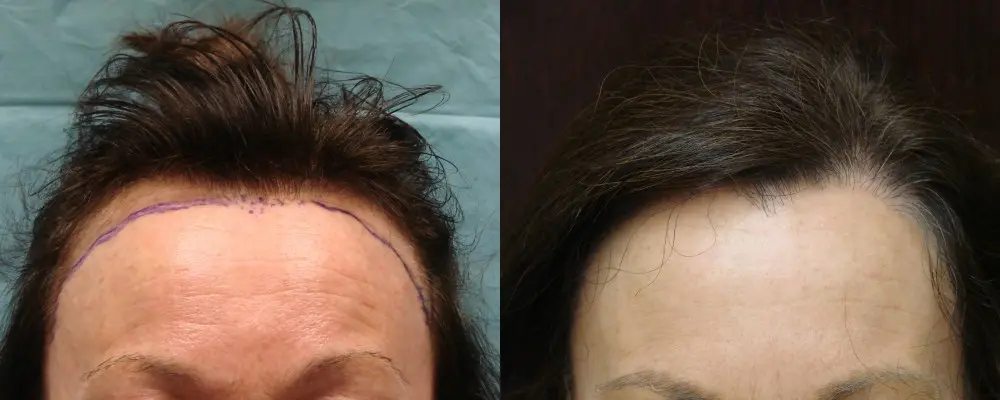
Over time, this repeated tension on the hair can weaken follicles and lead to hair loss, especially around the hairline and temples, similar to patterns seen in hair loss behind ears.
For many patients asking can your hair grow back once traction alopecia occurs, the answer depends on how long the pulling has been happening.
In the early stages, follicles are usually inflamed but still alive, which means hair growth can return after the tension stops. This is why fast action matters.
When Regrowth Is Still Possible
If the condition is identified early, follicles in the affected areas may recover within a few months. Patients often first notice less shedding, fewer tender spots, and short new hairs appearing along the edges.
This is often the stage where people ask, can traction alopecia grow back, and in many cases, yes, it can.
The best sign is the presence of fine baby hairs near thinning sections. These strands show that the follicle is still active and capable of producing new growth, similar to recovery patterns explained in how to stop hair fall naturally.
When this happens, the focus should shift to reducing tension and supporting healthy hair habits.
How to Know It’s Permanent
The question is traction alopecia reversible depends on whether scarring has formed. If the scalp looks smooth, shiny, and completely bare in certain zones, this may suggest permanent hair loss.
In these cases, the follicle may no longer be able to produce new strands naturally.
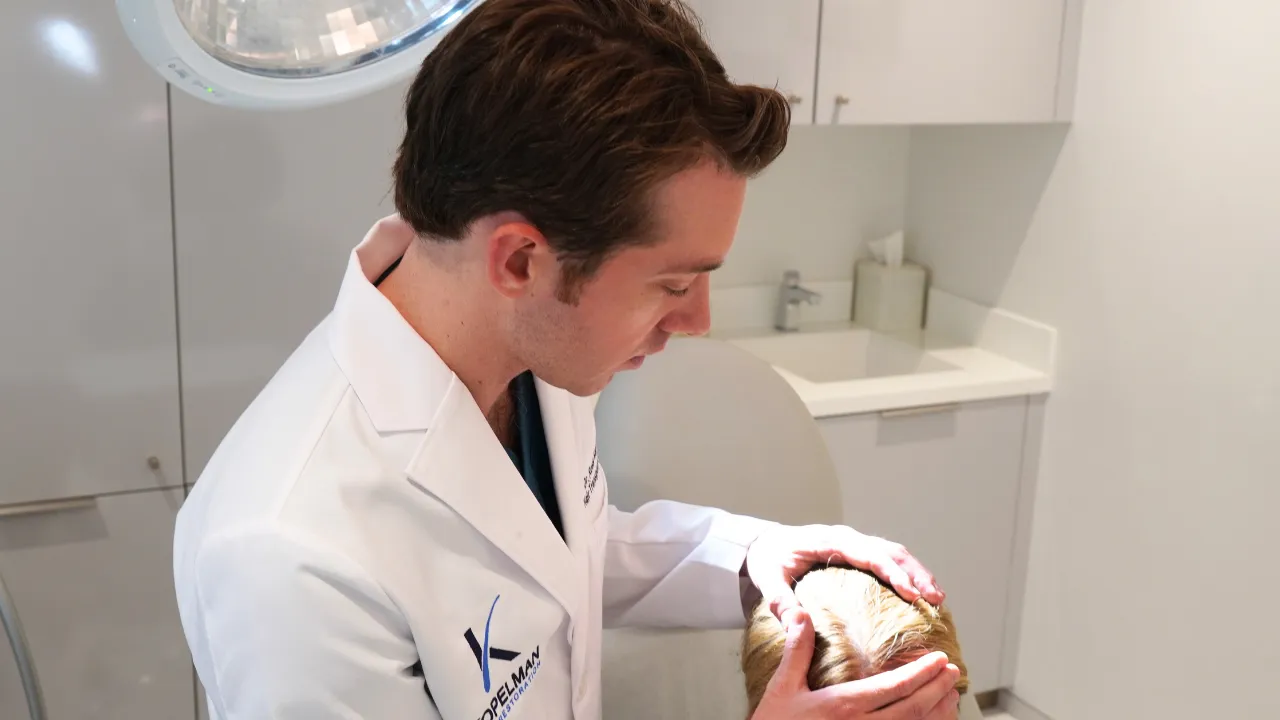
Dr.Kopelman often evaluates density, follicle survival, and scalp texture to determine whether regrowth is still realistic. A close clinical exam helps separate recoverable thinning from irreversible damage, similar to advanced cases of bald head patches.
This distinction is critical before starting any treatment for traction alopecia.
When It’s Too Late to Reverse
It may be too late when the same hairstyle stress has continued for years. Long-term use of braids, glued units, or extensions can slowly scar follicles. Once scar tissue replaces the follicle, natural hair regrowth becomes unlikely.
This is why patients should not wait until bald patches become larger. The earlier the condition is addressed, the better the chance of preserving follicle function. Long-standing damage usually shifts the conversation toward restoration procedures.
When to See a Hair Doctor
See a specialist if thinning continues even after changing hairstyles for 3 to 6 months. Persistent recession, scalp tenderness, or expanding bald spots often require expert review.
A hair restoration physician can assess whether the follicles are dormant or permanently lost, especially in cases similar to hair thinning on one side.
At Kopelman Hair, this evaluation helps determine whether conservative care is enough or whether a hair transplant may eventually be the best solution.
What Traction Alopecia Looks Like
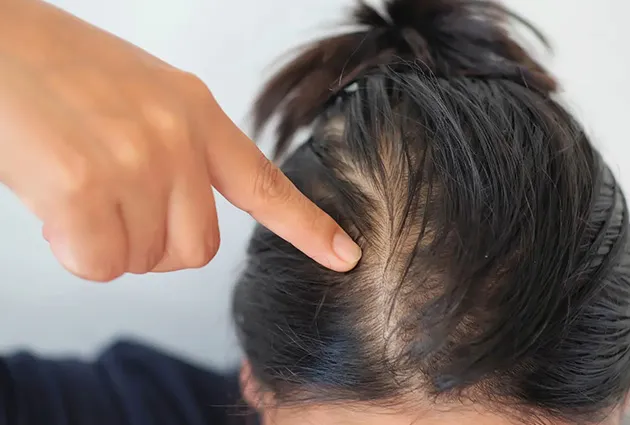
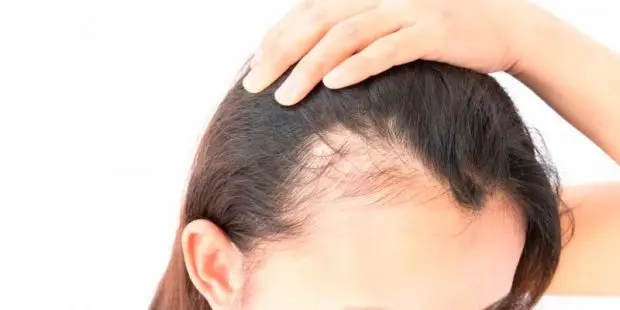
This condition usually starts subtly. Many patients notice widening along the hairline, short snapped strands, or thinning around areas where the hair is repeatedly stressed.
Early Hairline Changes
The front hairline may look thinner or uneven. Some patients see a gradual rise in the temples where tension is highest. This pattern is common in people who regularly wear your hair in sleek styles.
Broken Hair and Thinning
Broken hair is one of the clearest early signs. Instead of full shedding, strands snap mid-length due to chronic pulling. This often happens near braids, weaves, and hair extensions, similar to what is described in clumps of hair scenarios.
Bald Patches and Scalp Symptoms
As damage progresses, round or linear bald patches can develop. The scalp may feel sore, itchy, or slightly inflamed. These symptoms suggest active tension damage and should not be ignored, especially when linked to burning scalp syndrome thyroid.
How Fast Hair Can Grow Back
Patients often ask how fast recovery happens after stopping harmful styles. The timeline depends on follicle health and how long the tension existed.
Typical Regrowth Timeline
Most patients who are caught early begin to notice visible improvement within 3 to 6 months. Full cosmetic density can take 9 to 12 months because the natural hair cycle is slow. Early baby hairs are often the first sign of returning hair growth.
What Slows Hair Recovery
Several factors can slow recovery:
- continued tight styling
- repeated chemical processing
- inflammation
- poor scalp care
- long term follicle stress
If harmful habits continue, even mild traction can keep follicles in a stressed state.
Signs Hair Is Growing Back
Small fine hairs, reduced shedding, and improved density near the edges are strong positive signs. These signs help answer if you can reverse hair loss from traction alopecia with more confidence.
What Causes Traction Alopecia
This condition is mechanical, meaning it comes from repeated physical stress rather than hormones or genetics.
Tight Hairstyles and Extensions
Common causes include:
- braids
- tight buns
- cornrows
- ponytails
- hair extensions
These styles apply direct pulling force to specific scalp zones.
Repeated Tension on Hair
Daily tension on the hair creates inflammation around the follicle opening. Over time, this can reduce blood flow and weaken anchoring structures.
High-Risk Styling Habits
The highest-risk habits include:
- sleeping in tight styles
- frequent reinstallation of extensions
- heavy wigs
- glued hair systems
- constantly slicked-back hair
These habits can quietly lead to hair loss over months or years.
Best Treatments for Regrowth
The best treatment for traction alopecia depends on whether follicles are still active.
Early Hairstyle Changes
The first step is simple: stop the source of traction. Looser styles, lower tension, and rest periods can allow follicles to recover. This alone may restore growth in early cases.
Medical Hair Growth Treatments
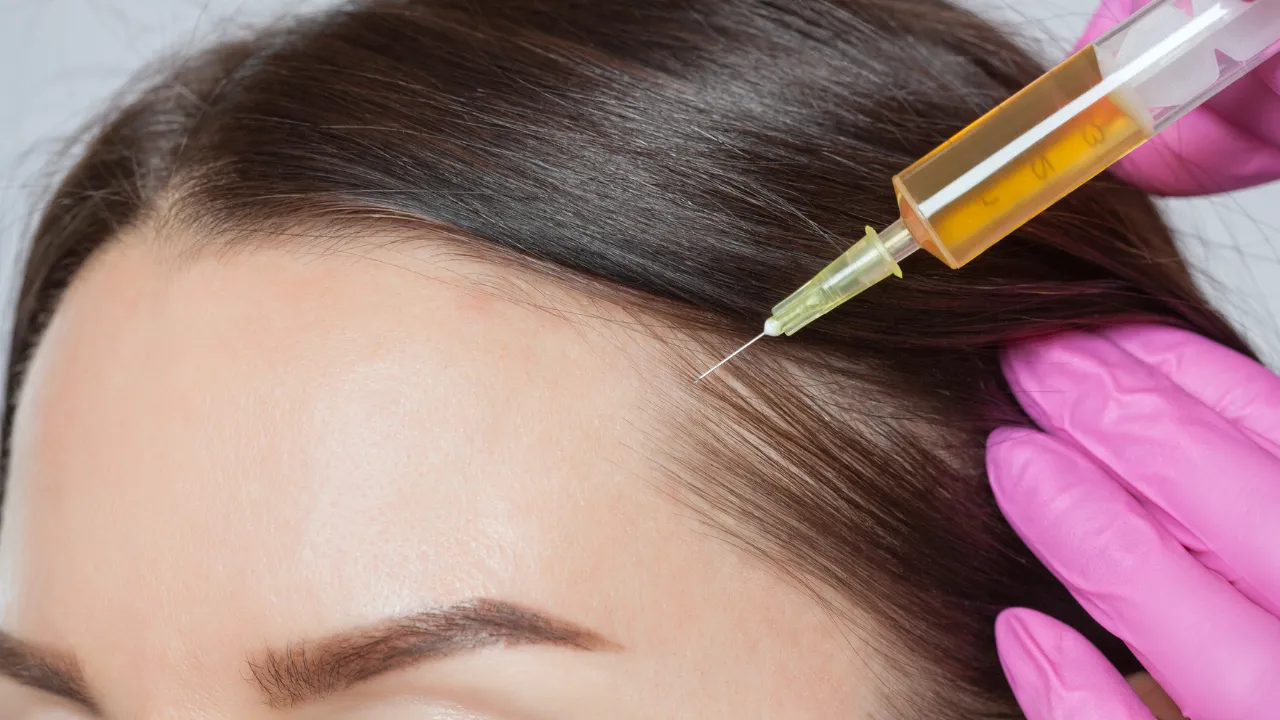
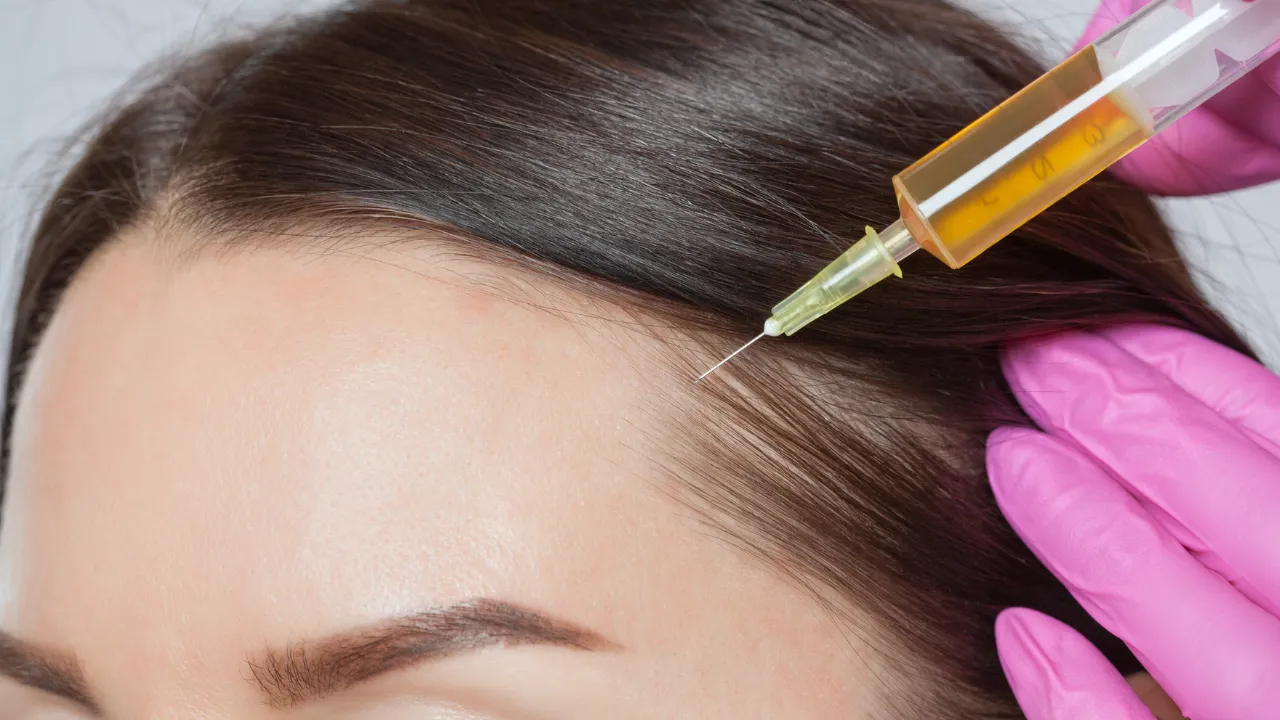
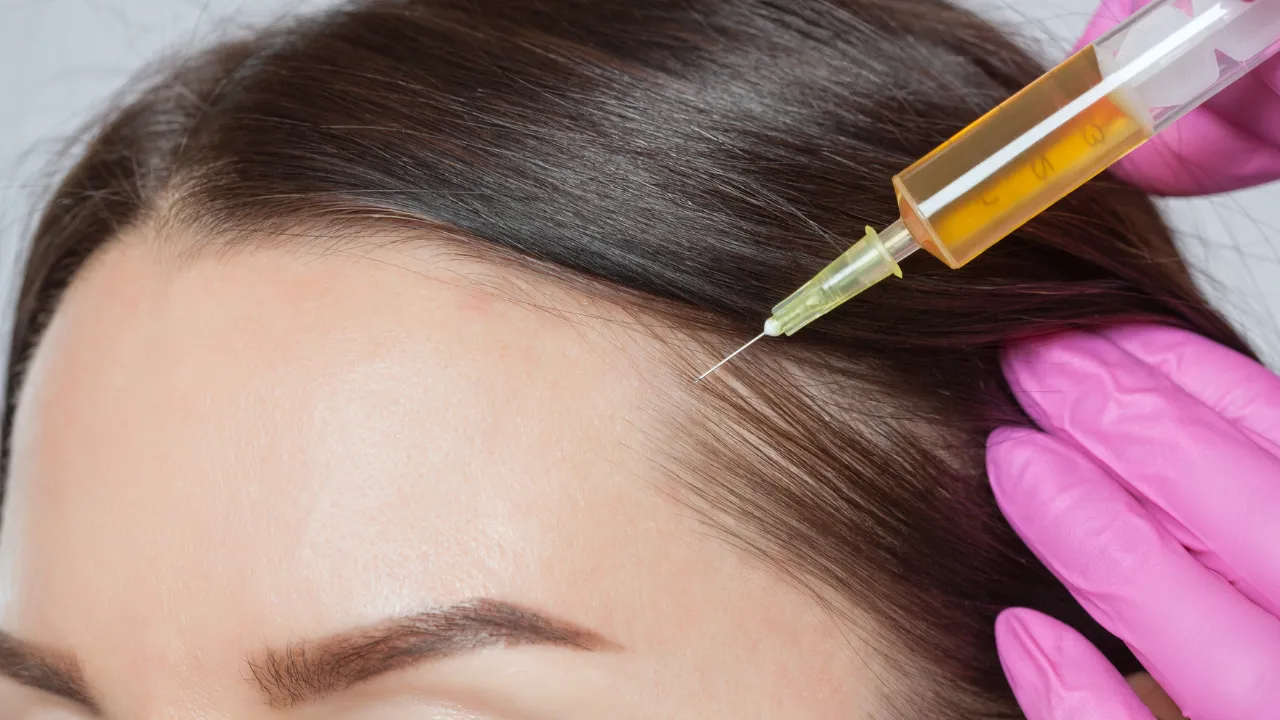
Medical options may include topical growth stimulants, anti-inflammatory scalp treatments, and regenerative therapies. These help support hair regrowth when follicles are weakened but not destroyed.
When Hair Transplant Is Best
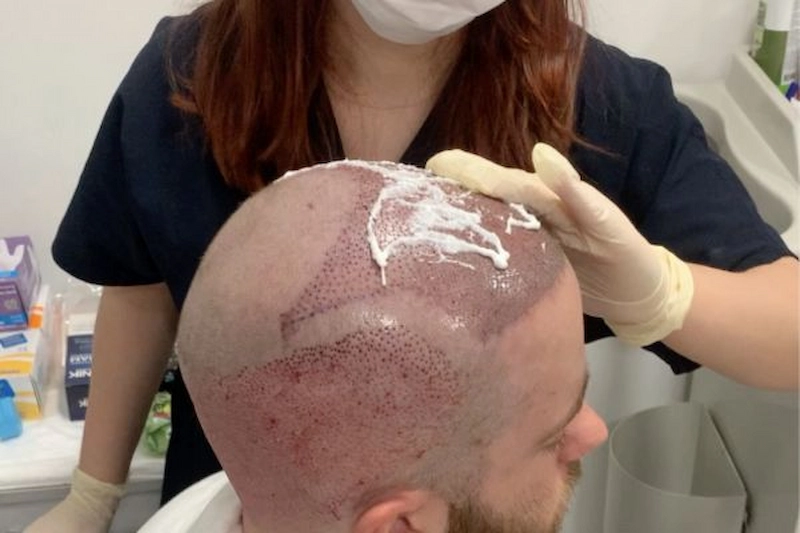
A hair transplant is often best when the hairline has remained stable but bare for a long time. If scarred follicles cannot recover, transplantation can restore density in carefully selected affected areas.
At Kopelman Hair, Dr.Kopelman designs restoration plans that match the original hairline direction and density. This is especially helpful for patients with temple loss or frontal recession caused by chronic styling tension.
How to Prevent Future Hair Loss
Prevention is often easier than reversal.
Safer Styling Habits
Choose looser hairstyles and avoid wearing the same high-tension style every day. Rotate styles to reduce repetitive stress on the same follicles.
Protecting Healthy Follicles
Protecting healthy hair means reducing heat, avoiding overprocessing, and limiting heavy extensions. Give the scalp rest periods between installs.
How to Avoid Recurrence
The best prevention rule is simple:
- avoid tight daily styles
- reduce extension weight
- monitor tenderness
- act early when thinning starts
When patients make these changes early, they greatly reduce the risk of future permanent hair loss and preserve stronger long-term density.