
What Is PRP Hair Treatment?
The question of what PRP stands for has a simple answer: Platelet-Rich Plasma. To understand what PRP is, it helps to know that blood contains plasma, red and white cells, and platelets, which are cell fragments that help form a blood clot and release proteins involved in healing.
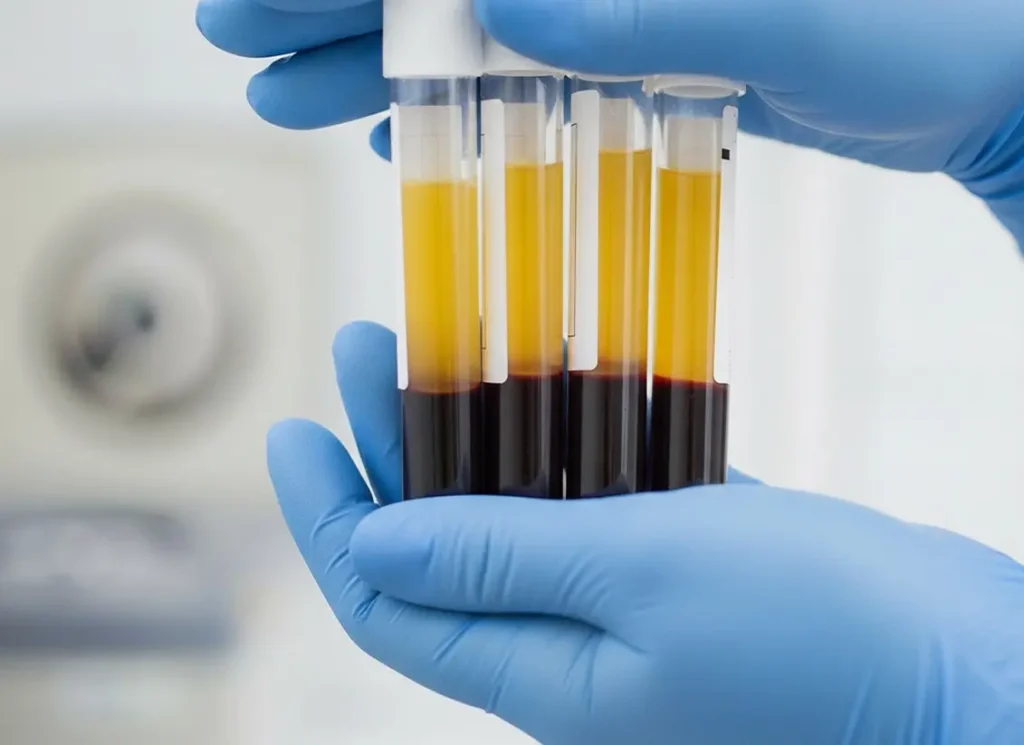
In a procedure of this kind, a small amount of blood is drawn and processed to separate platelets from the rest of the blood. The result is a fluid that is rich in growth factors believed to signal nearby cells to repair and regenerate tissue.
Preparation relies on centrifugation to separate blood components by density, thereby increasing platelet concentration in the final sample.
Depending on the system used, this platelet concentration may reach several times the baseline level, producing what providers describe as concentrated platelets, or platelet-rich plasma PRP.
The same material is known in Spanish-speaking clinics as plasma rico en plaquetas. Because the sample comes from the patient, the approach is considered autologous, which lowers the risk of an allergic reaction.
Terminology can be confusing, since clinics use several names for the same thing. A common question is what PRP injection or treatment is, and in practice, both refer to returning concentrated platelets to the treatment area.
On some clinic menus, the material is labeled PRP platelet-rich plasma, though the wording does not change the underlying preparation. Clarifying terms early helps patients compare options accurately.
How PRP Hair Restoration Works
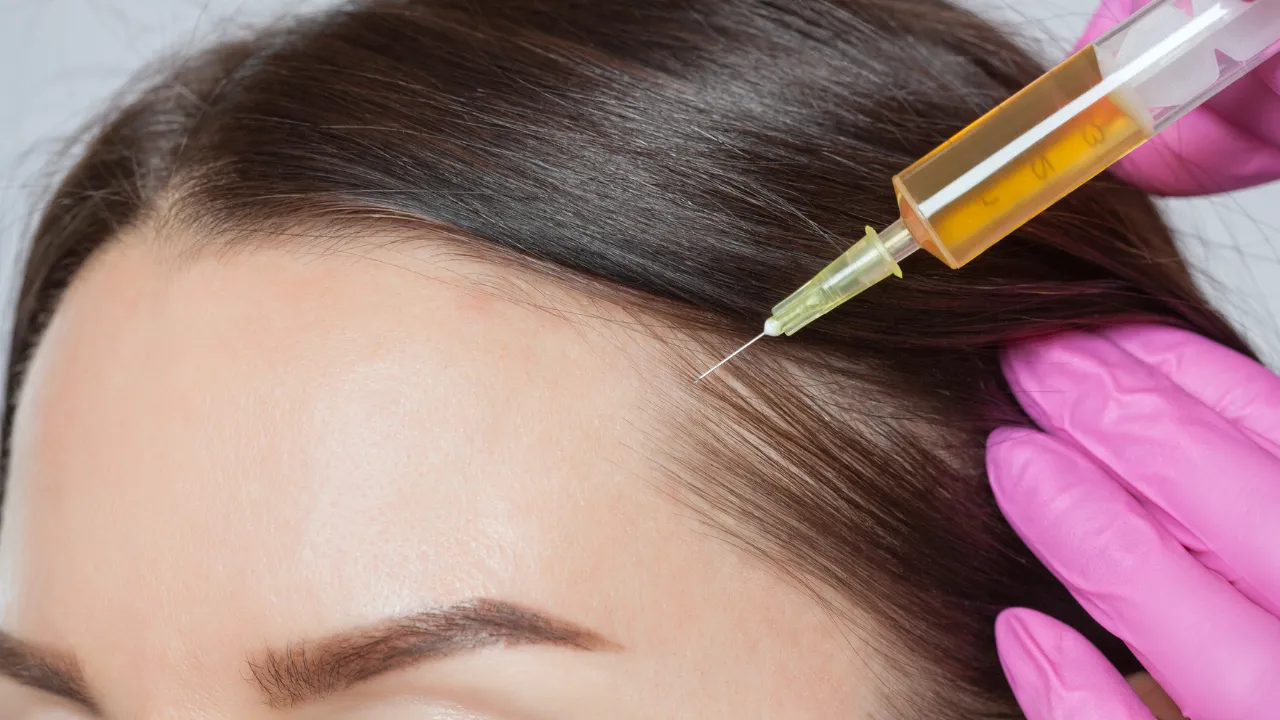
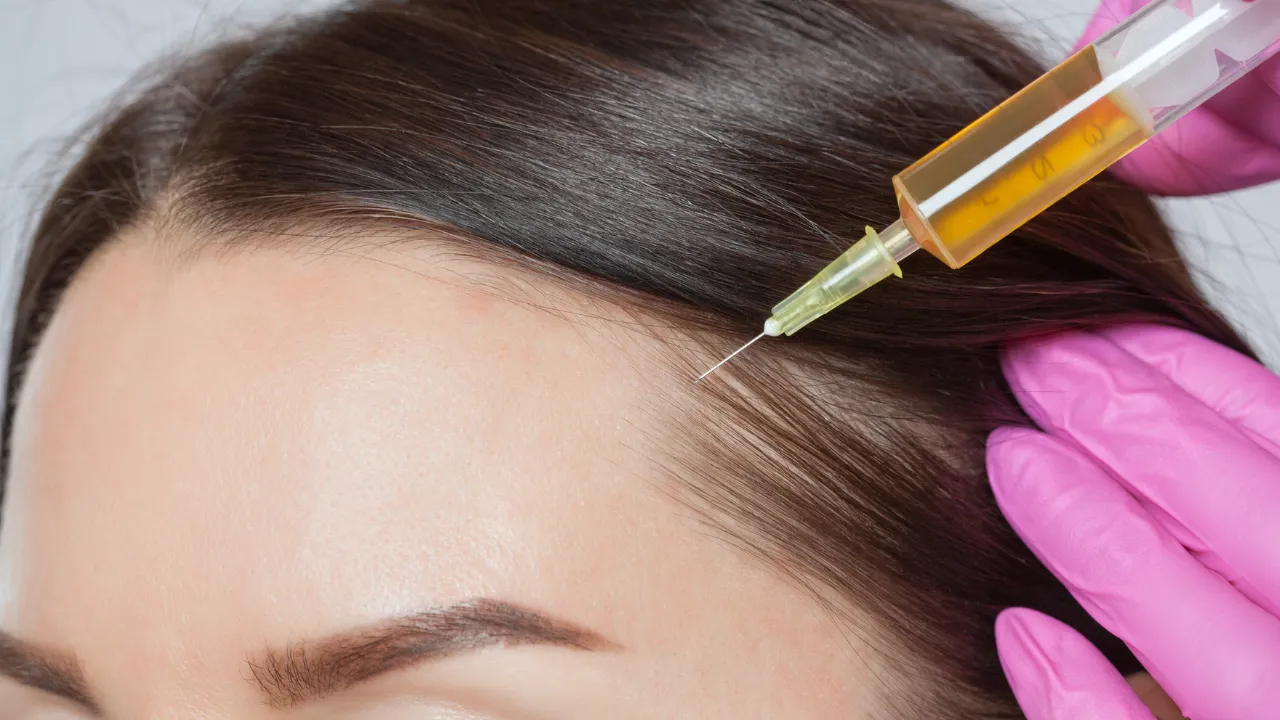
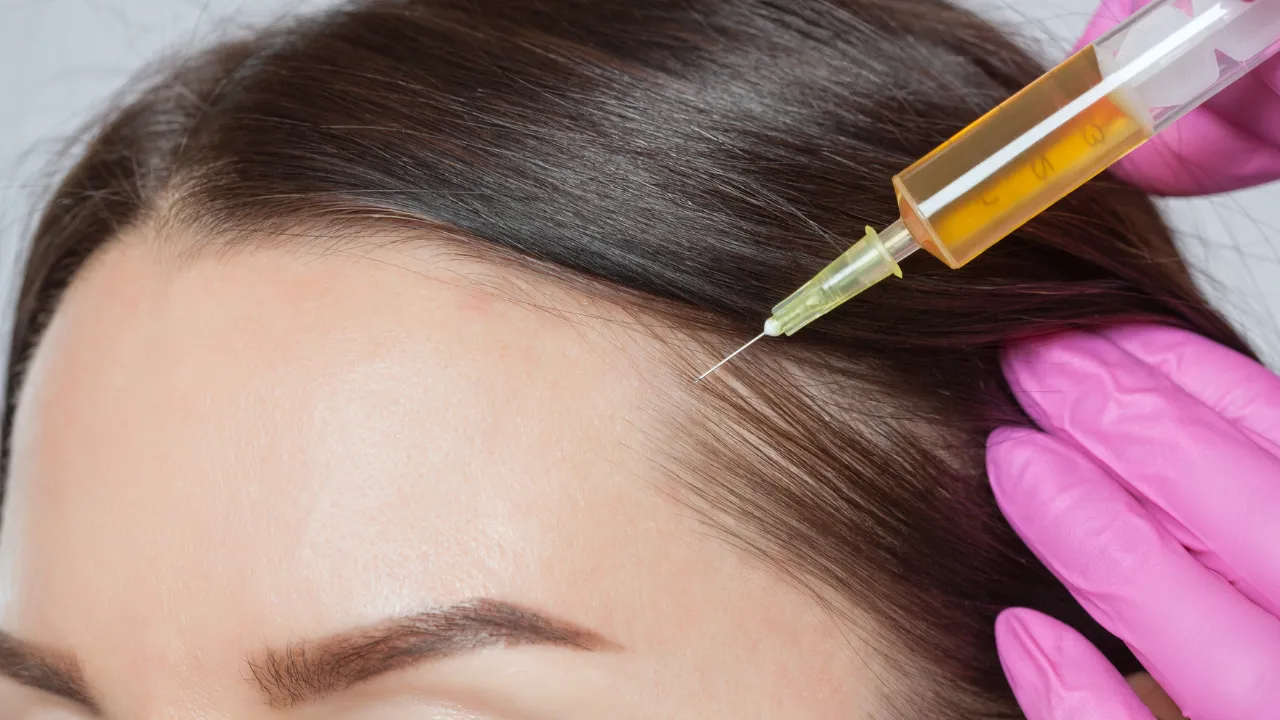
For the scalp, the prepared platelets are injected into areas of thinning, where the growth factors are thought to extend the active growth phase of hair follicles and improve their local blood supply.
The goal is hair regrowth from follicles that are still alive but weakened, rather than the creation of new follicles where none remain.
This is why PRP for hair loss is generally most useful for early- to moderate-stage thinning, and why candidacy depends on an individual assessment.
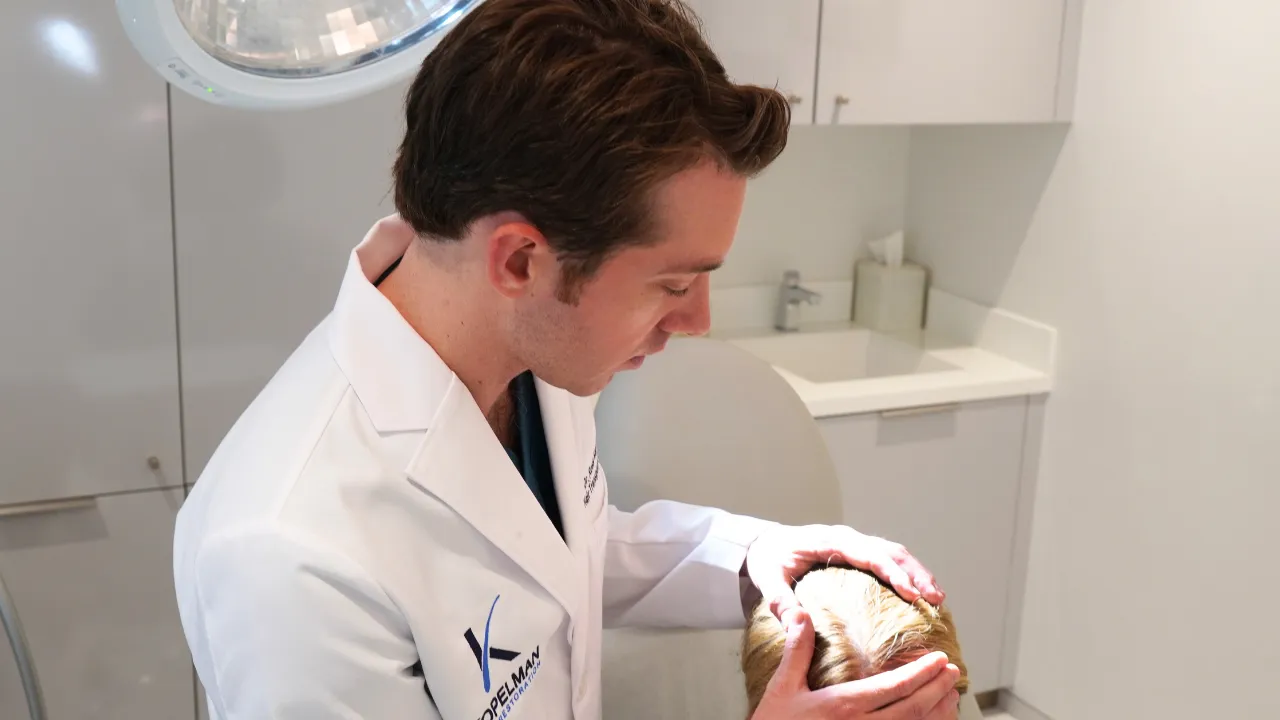
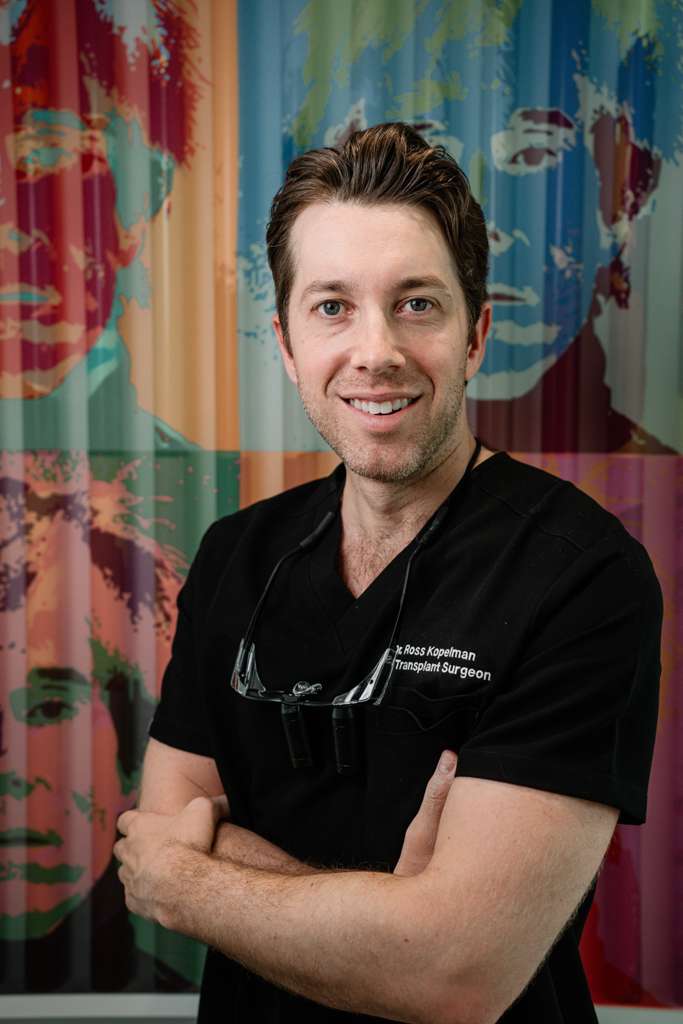
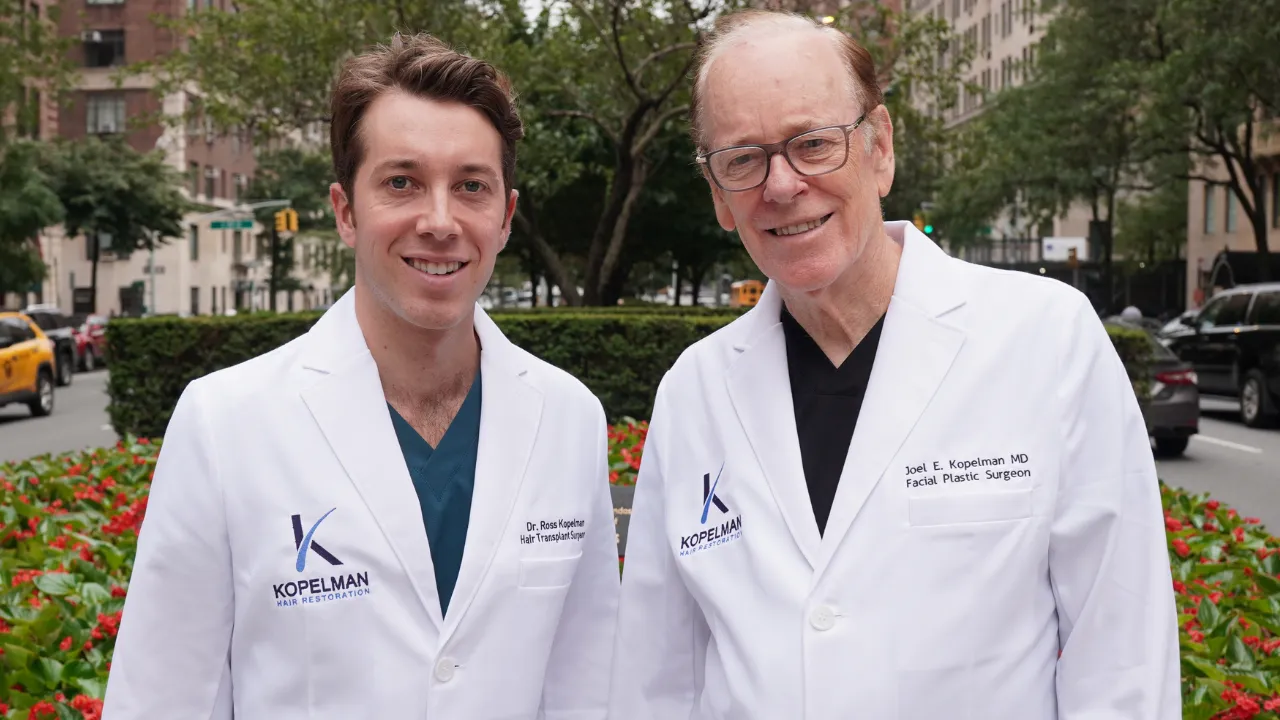
Dr. Kopelman evaluates follicle health and the pattern of loss before determining whether platelet-based treatment is appropriate as part of a broader plan.
For a step-by-step look at the injections themselves, our overview of how a PRP shot procedure is performed walks through what happens during a session.
Understanding the mechanics in advance helps set realistic expectations. It also clarifies why multiple sessions are usually part of the process.
What PRP Treats: Hair, Beard, and Brows
PRP is used across several fields of medicine, which is part of why interest in it has grown. In orthopedics and sports medicine, a PRP knee injection or other platelet-rich plasma knee application may be used to reduce inflammation and support recovery from a sports injury, sometimes alongside physical therapy.
In aesthetics, a platelet-rich plasma (PRP) facial or PRP injection for the face is offered to improve skin texture as part of a range of cosmetic procedures. These uses share the same biological premise, even though the protocols and the strength of the evidence differ by area.
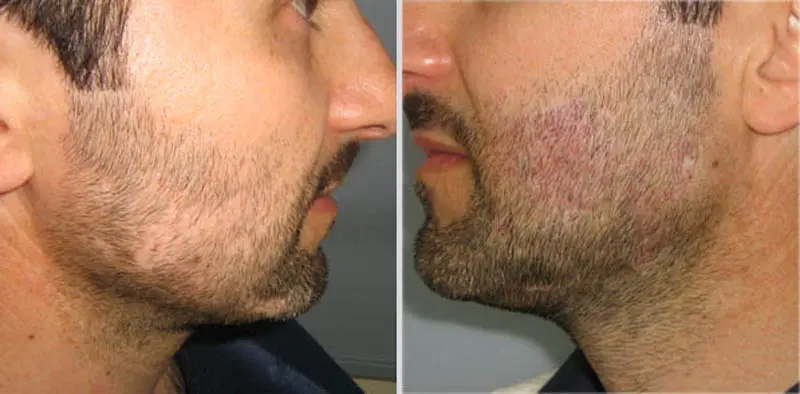
Within hair restoration, the same platelet-based approach is applied to the scalp, eyebrows, and beard. Many patients explore PRP shots for beard growth or review PRP eyebrow before and after expectations when considering treatment for sparse areas.
Hair type and texture can influence planning, a topic addressed in our guide to African American PRP hair restoration. It is also worth distinguishing this therapy from stem cell treatments, which use a different biological material and are governed by separate regulatory standards.
Does PRP Work for Hair Loss?
The honest answer to whether PRP works for hair loss is that results vary and the evidence base is still developing.
Several studies report increased hair density and thickness in people with pattern hair loss, but trials differ in their preparation methods and measurement, so outcomes are not uniform.
The therapy is best understood as a way to slow shedding and support existing follicles, rather than a guaranteed or permanent solution. For a closer look at realistic expectations, our article on the success rate of PRP hair treatment reviews what the current research does and does not show.
How Much Does PRP Hair Treatment Cost
Cost is one of the most common questions, because this therapy is usually considered elective and is paid for out of pocket. Pricing reflects the number of sessions in a treatment plan, the area being treated, and regional differences between clinics.
Since protocols are individualized, a precise figure is best confirmed during a consultation rather than estimated from averages alone.
Average PRP Cost per Session
In the United States, a single session generally ranges from $400 to $1,500, with national figures often clustering around $1,100 to $1,500, and some major-city clinics charging more.
Most protocols involve an initial series of three to four sessions, which typically brings the first phase to about $1,500 to $4,500 in total, so the overall PRP cost depends more on the full schedule than on any one visit.
Maintenance visits, usually scheduled every four to six months, commonly run between $400 and $1,200 each — a range that applies across Kopelman Hair’s locations, including PRP hair restoration in West Palm Beach.
Our detailed breakdown of PRP for hair cost explains how session count and maintenance shape the overall investment, and these figures should be read as ranges rather than fixed quotes.
Pricing also shifts with the size of the treatment area, as patients in Boca Raton can confirm when reviewing PRP for hair loss in Boca Raton options.
- Front hairline or a small area: toward the lower end of the per-session range
- Crown or partial scalp: mid-range pricing
- Full scalp: the higher end, due to a greater number of injections
- Eyebrows: roughly $300 to $800 per session
- Beard: roughly $500 to $1,200 per session
These amounts vary by clinic, geographic location, and preparation method, so a precise quote is best confirmed during a consultation.
PRP Microneedling Cost
Some clinics combine platelet-rich plasma with microneedling, a technique that creates controlled micro-channels in the scalp to aid absorption.
This combination is priced differently from injections alone, as explained in our guide to how much PRP microneedling costs. Whether it is appropriate depends on individual goals and scalp condition.
As with any protocol, the value lies in matching the method to the patient rather than choosing the lowest price.
Is PRP Covered by Insurance?
For hair restoration, this treatment is classified as a cosmetic procedure and is rarely covered by insurance, even though the same therapy may be handled differently in other medical contexts.
Patients can review the specifics in our article on whether PRP is covered by insurance. Confirming coverage and payment options in advance helps avoid surprises. Financing or package pricing is sometimes available and is best discussed directly with the clinic.
The PRP Procedure and What to Expect
A PRP appointment is typically completed in a single visit and follows a consistent sequence. First, a small blood sample is collected; next, it is processed; finally, the prepared plasma is returned to the target area.
The full PRP procedure usually takes under an hour, though combination treatments can add time.
Several terms describe this step. A PRP injection, a PRP shot, or a platelet-rich plasma injection all refer to the delivery of a concentrated sample into the scalp.
You may also see clinics advertise plasma-rich injections or rich plasma PRP injections, which describe the same general category.
A separate term, PRP infusion, is sometimes used for intravenous or broader applications and is not the same as targeted scalp PRP injections, so clarifying terminology with a provider prevents confusion about what is actually being performed.
Is PRP Painful?
Discomfort is generally mild and short-lived, often described as a brief stinging sensation or pressure during injections.
Providers may apply a topical numbing agent or cooling to improve comfort, and most people return to routine activities the same day. Individual sensitivity varies, so experiences are not identical.
Our article on whether PRP is painful describes the sensation and the comfort measures in more detail.
PRP Before and After Results
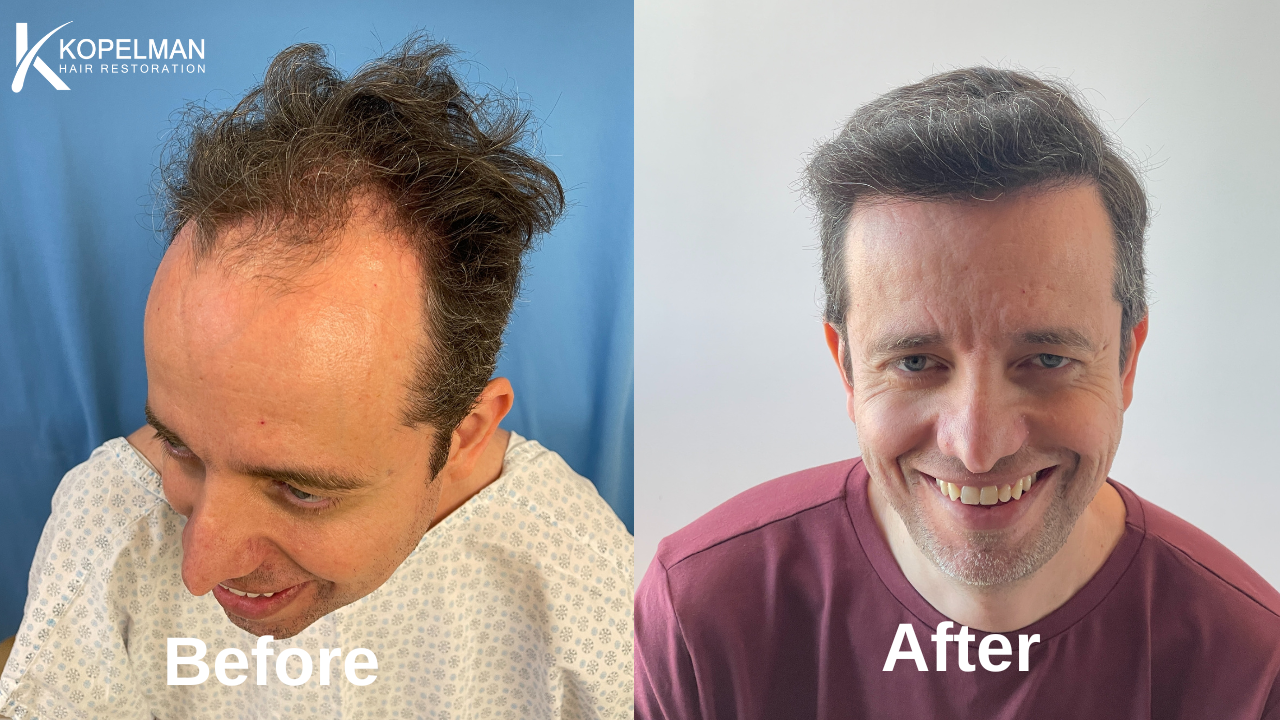
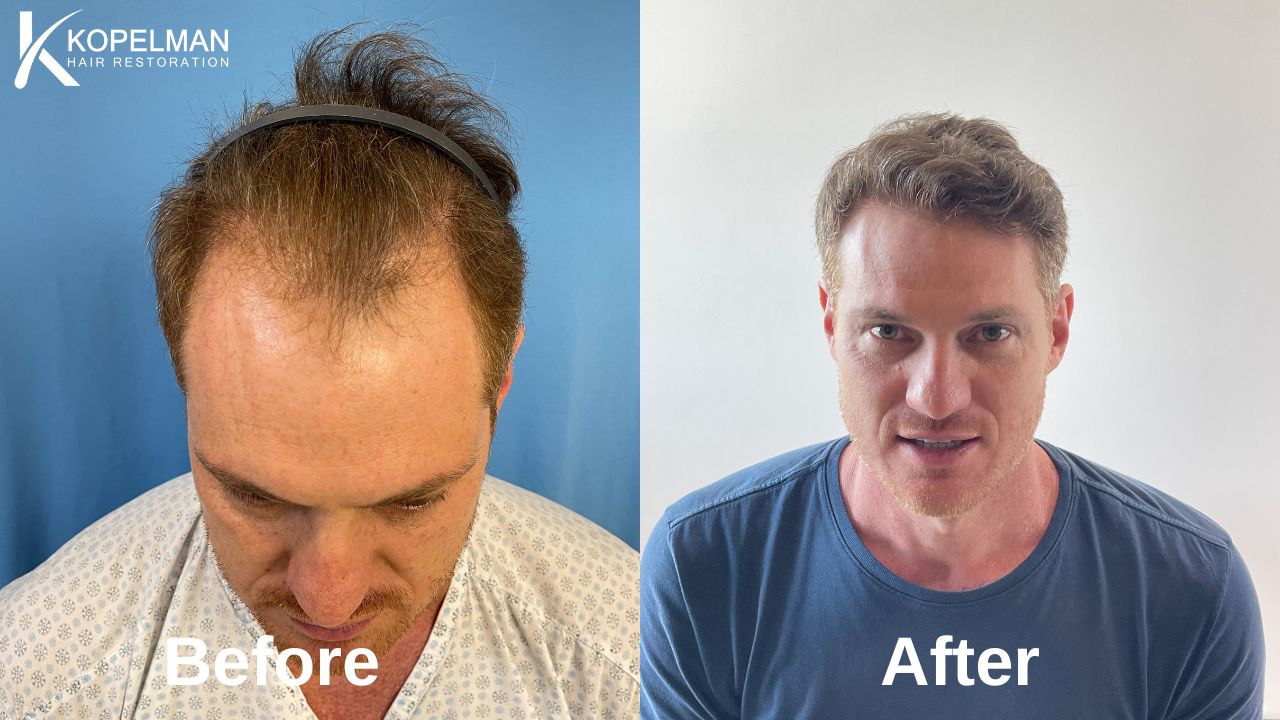
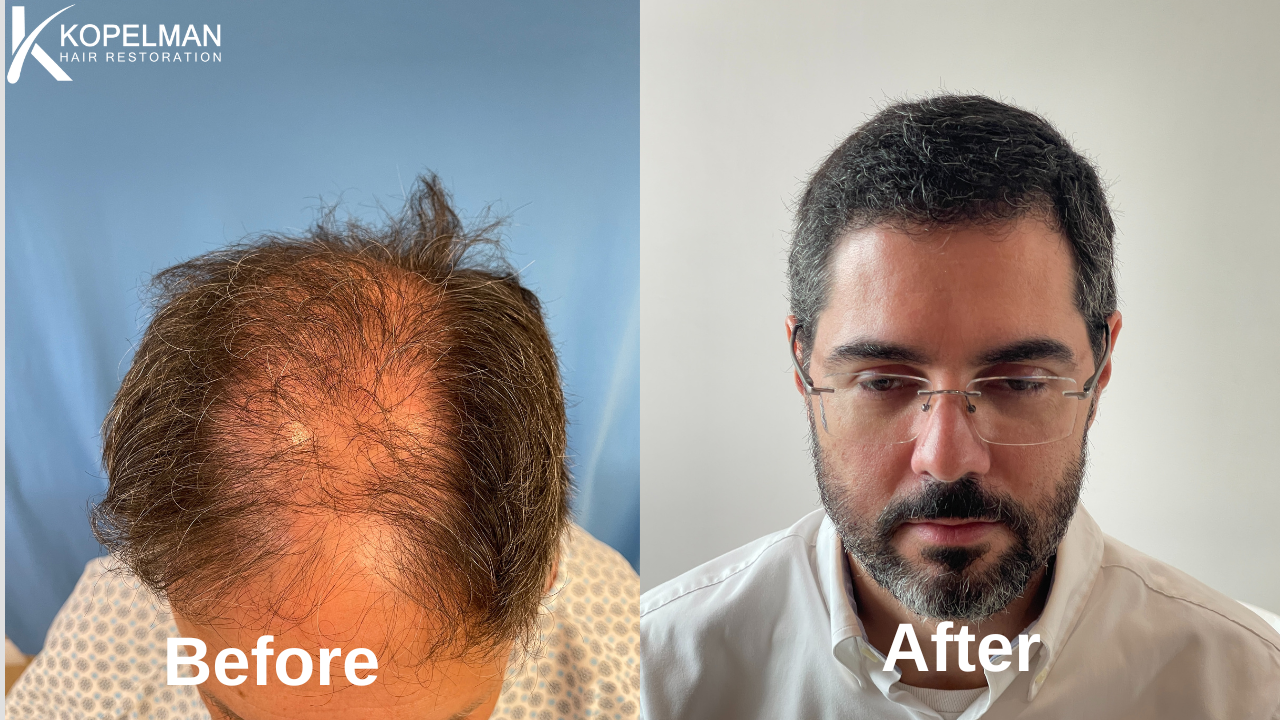
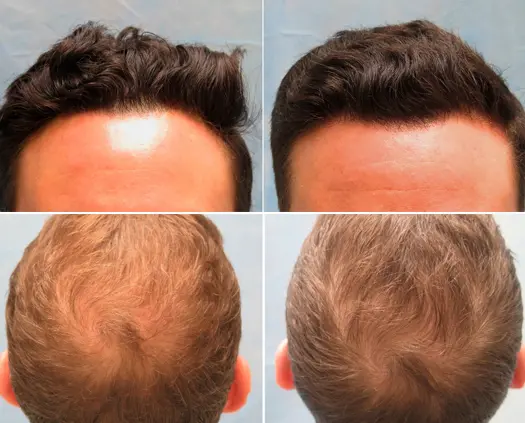
Visible change develops gradually, since follicles need time to respond and cycle. Most protocols recommend an initial series of sessions before assessing progress, and photographs taken at intervals help track subtle improvements.
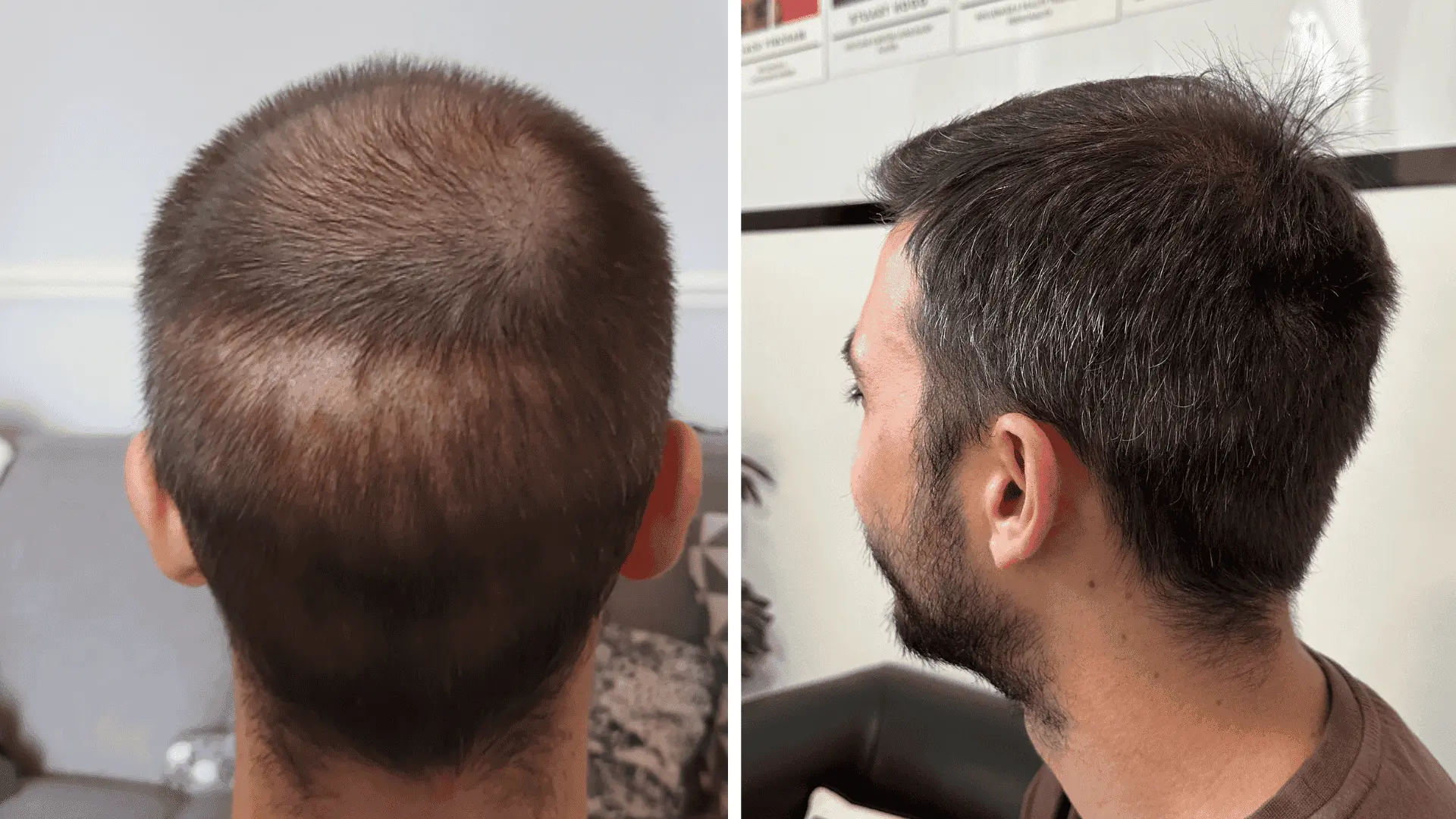
Galleries such as our PRP before-and-after and PRP injection before-and-after pages illustrate the timeline patients can reasonably expect. Results differ between individuals and are not guaranteed, which is why ongoing evaluation is part of any responsible protocol.
How Long Do PRP Results Last?
Results are not permanent, and maintenance sessions are generally needed to sustain any benefit. Many clinicians suggest follow-up treatments roughly every four to six months, with the effect of an initial series often assessed around the first 12 months.
Because hair loss is progressive, this therapy is best viewed as ongoing support rather than a one-time fix. Our guides on how long PRP lasts and whether PRP is permanent explain maintenance planning in more detail.
PRP Aftercare and Recovery
Aftercare is straightforward but worth following closely, as it can influence comfort and the scalp environment during healing.
Patients are usually advised to avoid vigorous exercise, alcohol, and certain anti-inflammatory medications for a short period, since these can interfere with the inflammatory signaling the treatment relies on.
Gentle hair washing is typically resumed within a day or two, following the provider’s specific guidance. Dr. Kopelman provides individualized aftercare instructions based on the treatment performed.
Diet and supplements are common points of concern after a session. Our resources on foods to avoid after PRP, what you should not do after PRP, and whether you can take multivitamins after PRP address these questions in practical detail.
Consistent aftercare supports the scalp as follicles respond. When instructions are unclear, contacting the treating clinic is the safest course of action.
PRP vs Other Hair Loss Treatments
This is one of several options for managing hair loss, and comparing approaches helps set expectations.
The terms PRP therapy, platelet-rich plasma therapy, and rich plasma PRP therapy all describe the same scalp treatment and are often used interchangeably in marketing.
Understanding how this PRP treatment for hair fits alongside alternatives is more useful than viewing any single method in isolation. The right choice depends on the degree of loss, individual goals, and medical history.
PRP vs Mesotherapy
Mesotherapy delivers vitamins and other compounds into the scalp and differs from a platelet-based approach, which uses the patient’s own concentrated platelets. The two are sometimes confused because both involve injections into the scalp.
Our comparison of mesotherapy versus PRP outlines the practical differences between them. Choosing between the two depends on individual goals and a clinical assessment.
PRP With Microneedling
Microneedling is sometimes combined with platelet-based treatment to enhance delivery into the scalp. This pairing is a method choice rather than a separate therapy, and suitability varies from person to person.
Patients exploring PRP treatment for hair loss often weigh injections alone against a combined approach as part of a broader PRP hair treatment plan. A clinician can advise which option is more appropriate for a given scalp condition.
PRP vs Hair Transplant
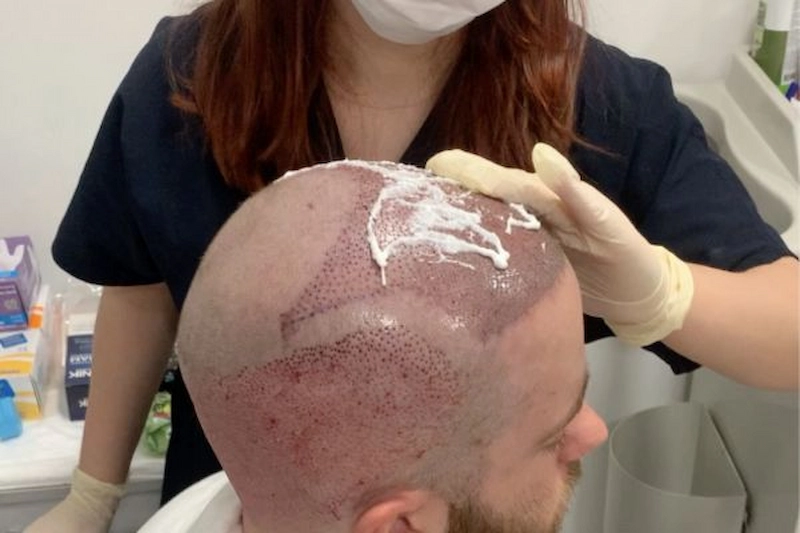
PRP and hair transplantation address hair loss in fundamentally different ways. A transplant relocates healthy follicles to thinning areas and is a surgical solution, while the platelet-based approach supports existing follicles without adding new ones.
The two are sometimes used together, with platelets applied to support healing and follicle health around a transplant. Dr. Kopelman can advise whether a standalone protocol or a combined plan aligns with a patient’s hair-loss severity and goals.
Where to Get PRP Hair Treatment
When researching PRP near me, the most important factors are the provider’s medical training, the consistency of their preparation method, and a candid discussion of expectations. South Florida patients can explore PRP hair treatment in Miami at Kopelman Hair’s Florida location.
Because protocols are not fully standardized, results can depend on technique and experience. Our overview of PRP hair treatment options explains what to look for when comparing providers.
A consultation allows a clinician to assess candidacy and outline a realistic, individualized plan. Patients in New Jersey can book directly through Kopelman Hair’s PRP hair treatment in NJ page.