
At Kopelman Hair, doctors review immune, hormonal, and skin-related causes when evaluating eyebrow changes.
This article explains autoimmune eyebrow loss, how it differs from other types of eyebrow hair loss, how doctors diagnose it, and what treatment options may be considered.
Key Takeaways
- Autoimmune eyebrow loss occurs when the immune system attacks hair follicles and is linked to alopecia areata, lupus, autoimmune thyroid disease, or frontal fibrosing alopecia.
- Doctors use thinning patterns and symptoms to distinguish autoimmune causes from telogen effluvium, seborrheic dermatitis, contact dermatitis, nutritional deficiency, or other skin conditions.
- Non-scarring types may allow regrowth after inflammation improves, while scarring forms can cause permanent loss.
- A full medical evaluation confirms whether eyebrow hair loss is due to an autoimmune condition or another cause.
- A hair transplant or eyebrow transplant may be considered only after disease activity is stable, and the loss is permanent.
What Causes Autoimmune Eyebrow Loss?
Autoimmune eyebrow loss develops when immune cells attack the hair follicle. This attack disrupts the hair growth cycle. As a result, hair sheds too early.
In some people, eyebrow hair loss is the first sign of an immune-related medical condition, and in stable cases, people may eventually consider procedures such as an eyebrow transplant in NYC once disease activity is controlled.
Autoimmune Diseases That Cause Eyebrow Loss
Several autoimmune diseases can affect the eyebrows:
- Alopecia areata
- Lupus erythematosus
- Autoimmune thyroid disease
- Frontal fibrosing alopecia
Frontal fibrosing alopecia is a scarring disorder. It often affects the hairline and brows. It can cause permanent hair thinning if left untreated.
Lupus and Alopecia Areata
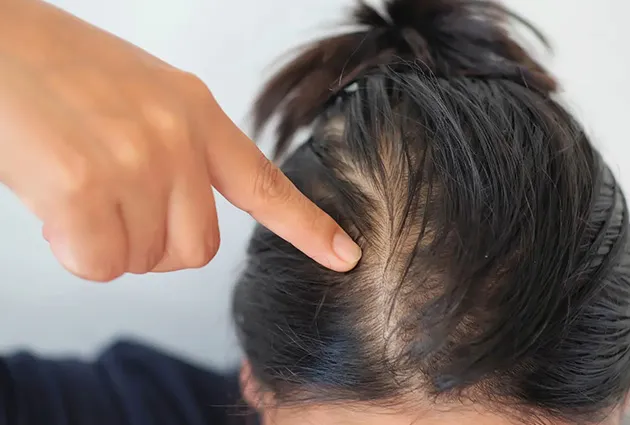
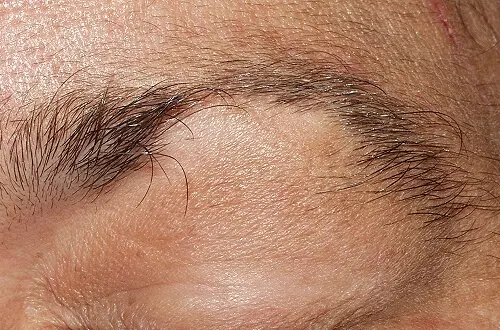
Alopecia areata is a non-scarring autoimmune disease in which immune cells attack the hair follicle bulb. It often causes smooth, round patches of hair loss on the scalp and can also affect the eyebrows. The skin usually looks normal without redness or scaling. Because the follicle remains alive, hair can regrow once inflammation decreases.
Lupus, especially cutaneous lupus, can inflame the skin and damage the follicle itself. In the early stages, the skin may appear red, scaly, or darker. Over time, chronic inflammation can lead to scarring, permanently destroying the follicle. Once scar tissue replaces the follicle, new hair shafts cannot form.
Thyroid Disorders and Hormonal Changes
Autoimmune thyroid disease, such as Hashimoto’s thyroiditis or Graves’ disease, can cause loss of eyebrow hair. Abnormal thyroid hormone levels disrupt the hair growth cycle, leading to hair thinning.
A common sign is thinning of the outer third of the eyebrow. Blood tests that measure thyroid levels help confirm the diagnosis.
Other Causes of Eyebrow Hair Loss
Not all eyebrow hair loss is autoimmune. Several non-immune causes can produce similar hair thinning patterns.
Common causes include:
- Telogen effluvium – A temporary shedding condition triggered by stress, illness, surgery, or hormonal changes, and it differs from autoimmune conditions such as alopecia areata, as explained in this guide on telogen effluvium vs alopecia. Hair usually regrows once the trigger resolves.
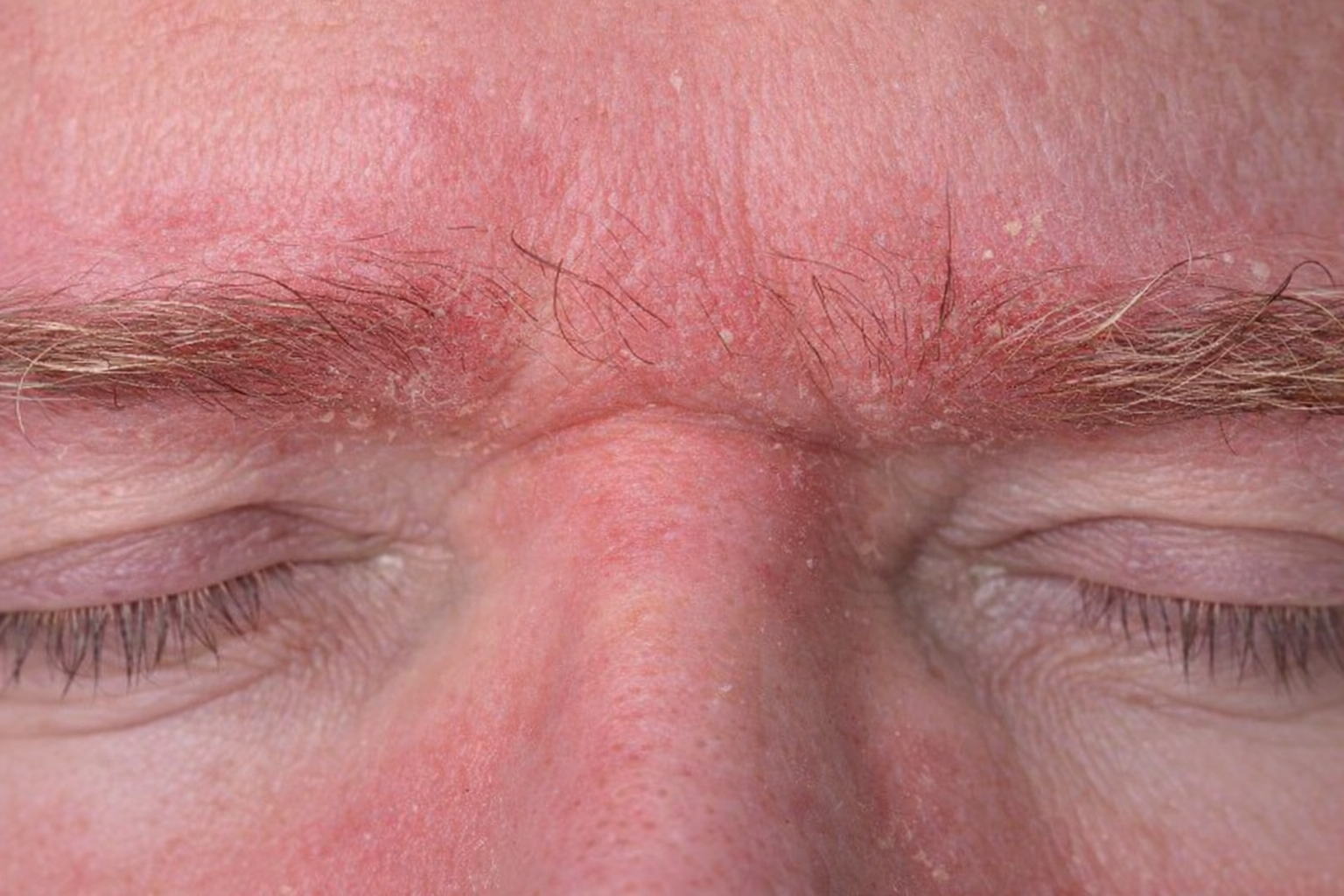
- Seborrheic dermatitis – A chronic skin condition that causes redness, irritation, and flaking around the brows. Ongoing inflammation can weaken hair shafts and increase shedding.
- Contact dermatitis – An inflammatory skin condition caused by reactions to cosmetics, skincare products, or dyes. Irritation may lead to temporary eyebrow hair loss.
- Nutritional deficiency – Low iron, zinc, or protein levels can disrupt the hair growth cycle. Correcting nutrient deficiencies helps restore normal follicle function.
How Autoimmune Disease Affects Hair Follicles
Hair follicles normally protect themselves from immune attack. In autoimmune disease, that protection fails.
Immune cells enter the follicle and interrupt growth signals. This leads to early shedding and hair thinning. Long-term inflammation can cause permanent damage.
Scarring vs. Non-Scarring Hair Loss
In non-scarring hair loss, the follicle stays alive. Alopecia areata falls into this group. Regrowth may occur after treatment.
In scarring disorders like frontal fibrosing alopecia, scar tissue replaces the follicle, as in an eyebrow scar that permanently damages the hair follicle. Once this happens, hair cannot regrow naturally.
Symptoms and Warning Signs
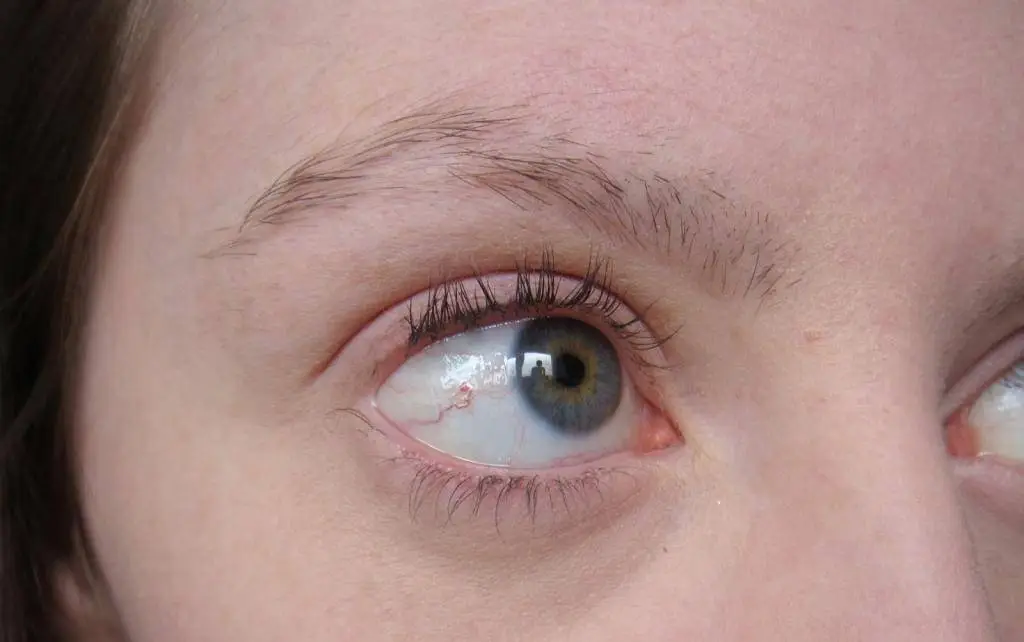
Eyebrow hair loss may happen slowly or suddenly. Some people see small gaps. Others notice overall balding eyebrows.
Other symptoms may include scalp hair thinning, fatigue, or skin changes. These signs help doctors find the cause.
Patchy vs. Diffuse Eyebrow Loss
Patchy loss often points to alopecia areata. Diffuse thinning may relate to thyroid problems, telogen effluvium, nutritional deficiency, or another skin condition.
The pattern helps guide diagnosis and treatment.
Why Do My Eyebrows Fall Out When I Rub Them?
Hair may fall out when you wash your face. Often, those hairs were already ready to shed.
Rubbing can weaken fragile hair shafts. Gentle care reduces breakage.
Is Losing Eyebrow Hair a Sign of Cancer?
Most eyebrow hair loss is not caused by cancer. Autoimmune and skin condition causes are much more common.
Some cancer treatments can cause hair loss as a side effect. If eyebrow hair loss occurs with major fatigue or weight loss, medical review is important.
Red Flag Symptoms That Require Prompt Evaluation
Sudden, complete eyebrow loss should be evaluated promptly. Visible scarring or open skin areas also need attention.
Joint pain, strong fatigue, or a facial rash may suggest active autoimmune disease. Early care may protect remaining follicles.
Diagnosis and Medical Evaluation
Doctors begin with a full history and exam. They assess thinning patterns, scalp health, and symptoms.
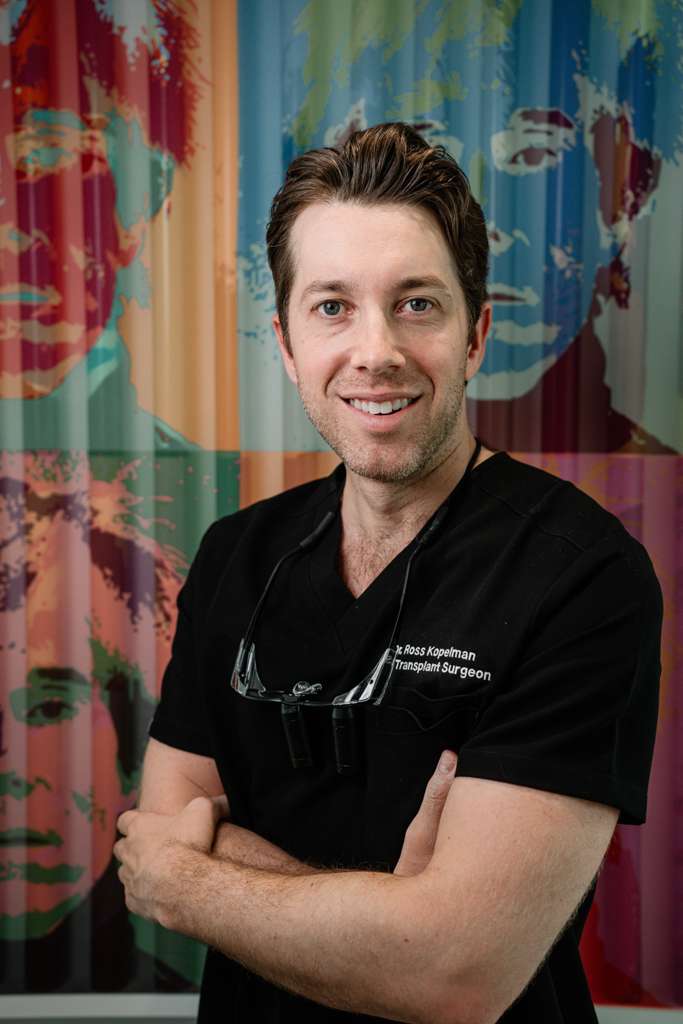
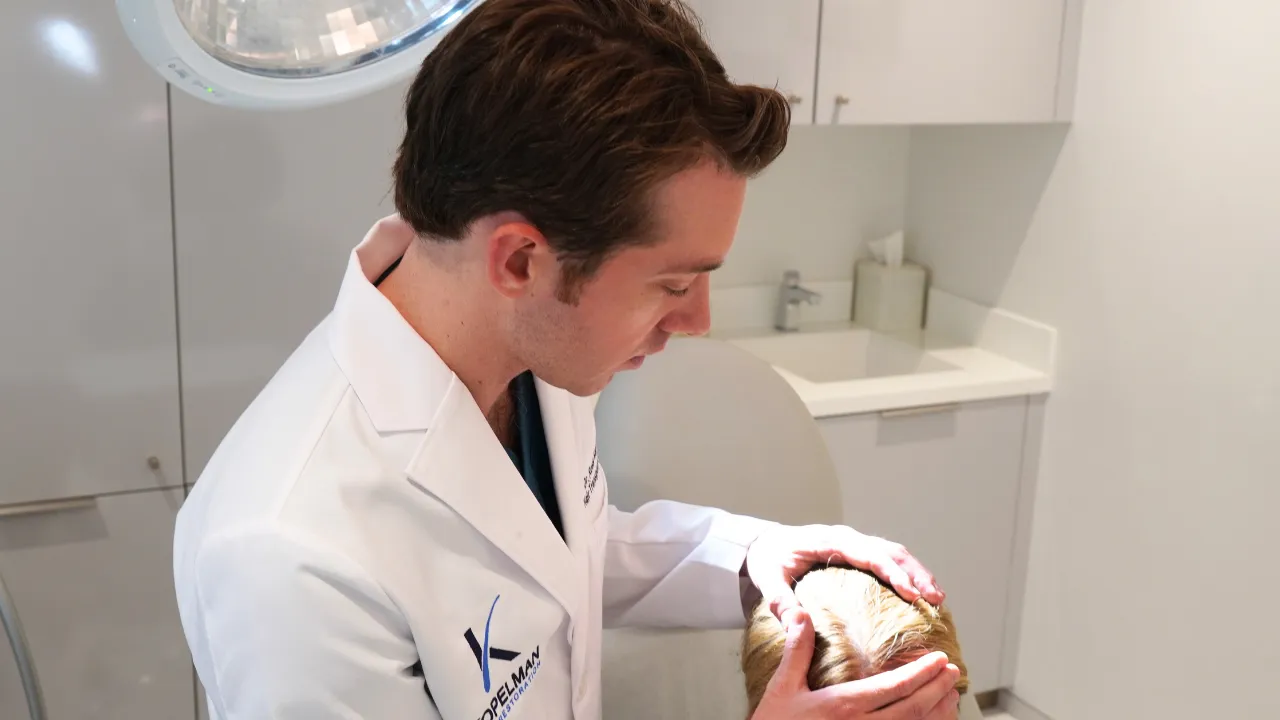
Dr. Kopelman evaluates eyebrow thinning along with overall scalp and facial hair. This helps distinguish autoimmune eyebrow loss from seborrheic dermatitis, contact dermatitis, telogen effluvium, nutrient deficiencies, or other skin conditions.
Clinical Examination
The exam checks hair density and signs of inflammation. Dermoscopy allows closer inspection of hair shafts and follicle openings.
If scarring is suspected, a biopsy may be done. This test shows whether the follicle is permanently damaged.
Blood Tests and Autoimmune Screening
Blood tests may measure thyroid hormone levels and immune markers. Testing depends on symptoms and exam findings.
Some medications used to treat autoimmune diseases, such as corticosteroids and certain immunomodulators, are FDA-approved for specific conditions. Each treatment may carry potential side effects, so risks are carefully reviewed.
Prognosis and Treatment Options
The outlook depends on whether the follicle is still alive. Non-scarring forms may improve with treatment. Scarring types often cause permanent hair thinning.
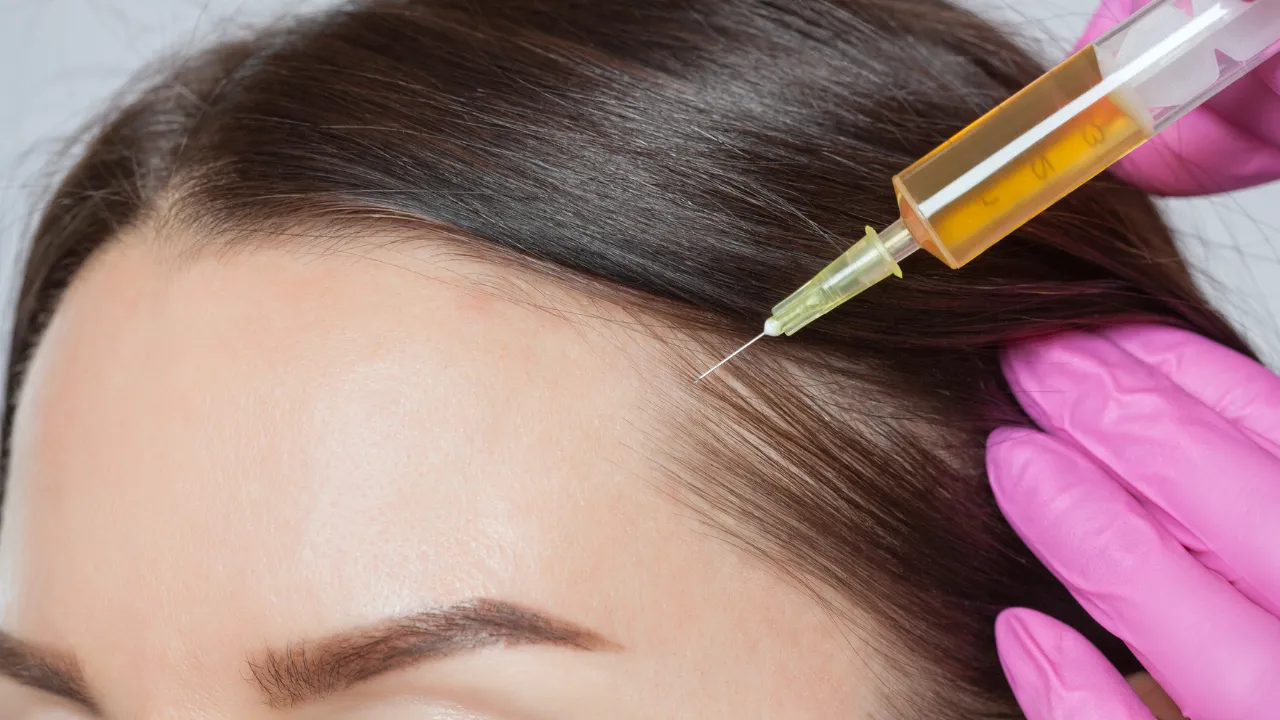
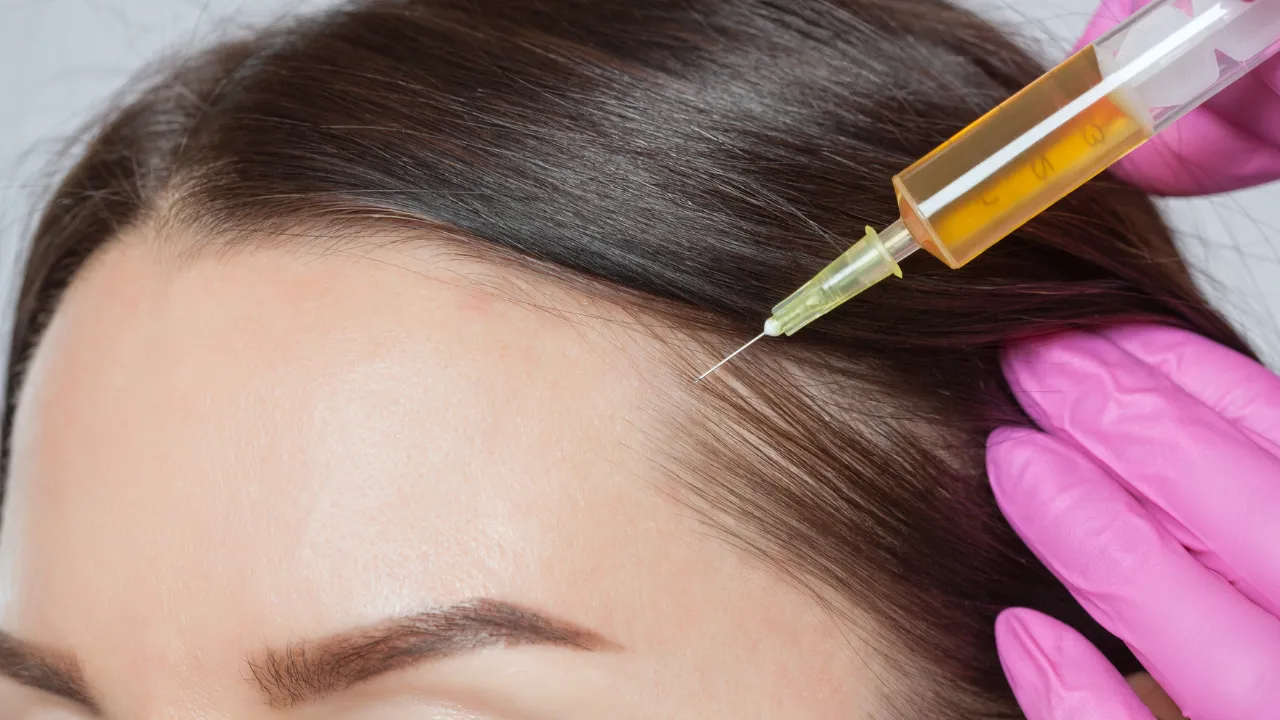
Treatment depends on the underlying cause. Non-scarring autoimmune conditions may respond to topical treatments, steroid injections, or systemic medications, while scarring forms focus on slowing progression rather than reversing loss.
Prognosis Timeline
In alopecia areata, shedding may last several weeks. Regrowth often begins within three to six months.
In thyroid-related thinning, telogen effluvium, or cases tied to nutritional deficiency, improvement may take months after the cause is treated. Scarring disorders rarely allow natural regrowth.
Can Autoimmune Hair Loss Be Reversed?
If inflammation stops before scarring forms, regrowth may happen. In non-scarring conditions, topical treatments such as corticosteroid creams may help reduce immune activity and support regrowth.
In scarring disorders such as frontal fibrosing alopecia, reversal is limited because the follicle is permanently damaged. Early diagnosis improves the chance of preserving existing hair.
Hair Transplant and Eyebrow Transplant for Stable Loss
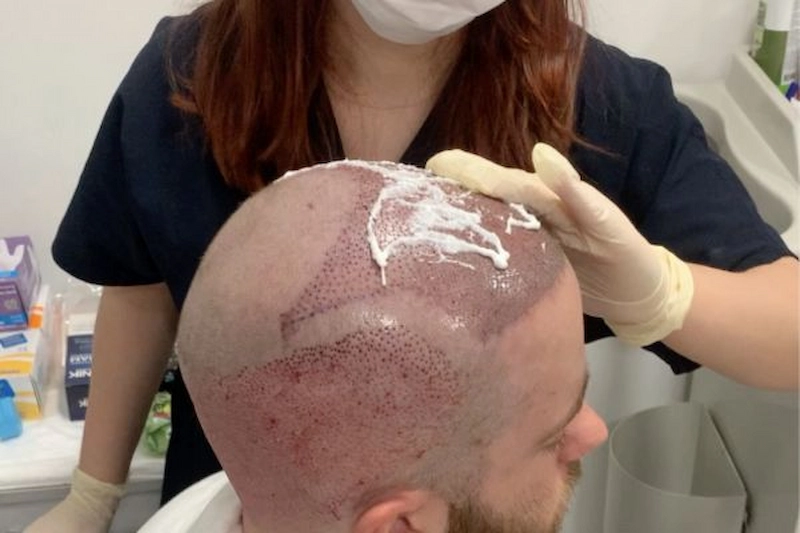
A hair transplant or eyebrow transplant may be considered when autoimmune activity is stable and hair thinning is permanent.
These procedures move healthy follicles into thin areas. Surgery is not recommended during active inflammation.
Autoimmune eyebrow loss requires proper diagnosis and careful management. Understanding the cause of eyebrow hair loss helps guide safe and informed decisions about treatment and long-term care.
If you are experiencing eyebrow hair loss and are unsure of the cause, a medical evaluation can help clarify the diagnosis and next steps.
To discuss your concerns in a structured clinical setting, you may schedule a consultation with Dr. Kopelman for a personalized assessment.