
At Kopelman Hair, many patients ask how to tell the difference between hair shedding vs hair loss. These terms are often confused, but understanding them is essential for choosing the right treatment.
Key Takeaways
- Hair shedding is normal, while hair loss typically involves reduced regrowth or permanent thinning.
- The hair growth cycle includes a growth phase, transition phase, and resting phase—disruptions can cause excessive hair shedding.
- Chronic shedding lasting more than six months may result from medical conditions or side effects and requires evaluation.
- Different types of hair loss, like androgenetic alopecia or anagen effluvium, need tailored treatment.
- Tracking shedding and early signs helps prevent long-term damage.
How to Tell Shedding from Hair Loss
Hair shedding is part of the natural hair growth cycle. Most people lose 50 to 100 hairs per day. But when hair falls more frequently and stops growing back, it may be a sign of early-stage hair loss.
Is it normal for hair to shed? Yes. But when the amount increases or there is visible hair thinning, it may point to more serious issues. Shed hairs usually have a white bulb at the root. Damaged or broken hairs from hair loss may not. Recognizing this helps clarify the meaning of shedding hair.
Seasonal or stress-related shedding often resolves naturally. But if hair thinning continues without regrowth, it’s likely not just shedding.
How to Track Hair Shedding at Home
Use these at-home methods to monitor shedding patterns:
- Hair collection test: Count the hair in your brush or drain over 7 days.
- Pull test: Gently pull about 60 hairs—losing fewer than 5 is typically normal.
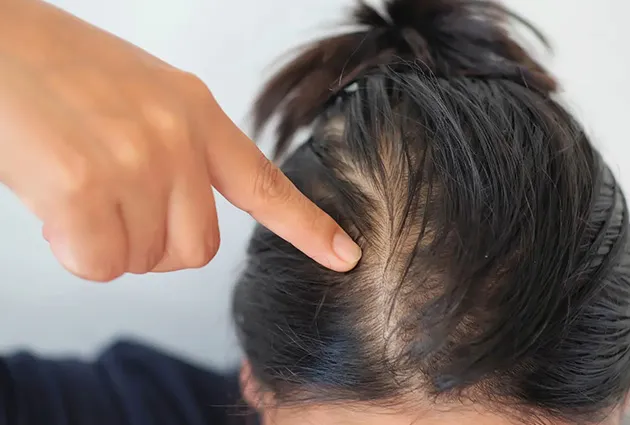
- Part check: Watch for widening hair parts using your phone.
- Photo tracking: Compare monthly scalp photos for visible changes.
If you notice more hair falls each week or a clear difference in density, consult a hair restoration expert.
Hair Shedding Cycle Explained
Hair grows in three phases:
- Anagen phase (growth phase): Lasts 2–7 years.
- Catagen phase (transition phase): Lasts 2–3 weeks.
- Resting phase (telogen): Lasts 3–4 months before shedding begins.

Disruptions to this cycle can cause excessive hair shedding. Conditions like telogen effluvium or anagen effluvium may cause hair to exit the anagen phase too soon.
When Hair Shedding Becomes Chronic
If shedding lasts beyond six months, it may be chronic telogen effluvium. Some common causes include:
- Long-term stress
- Hormonal shifts
- Nutrient deficiencies
- Medications with a hair loss and hair regrowth side effect
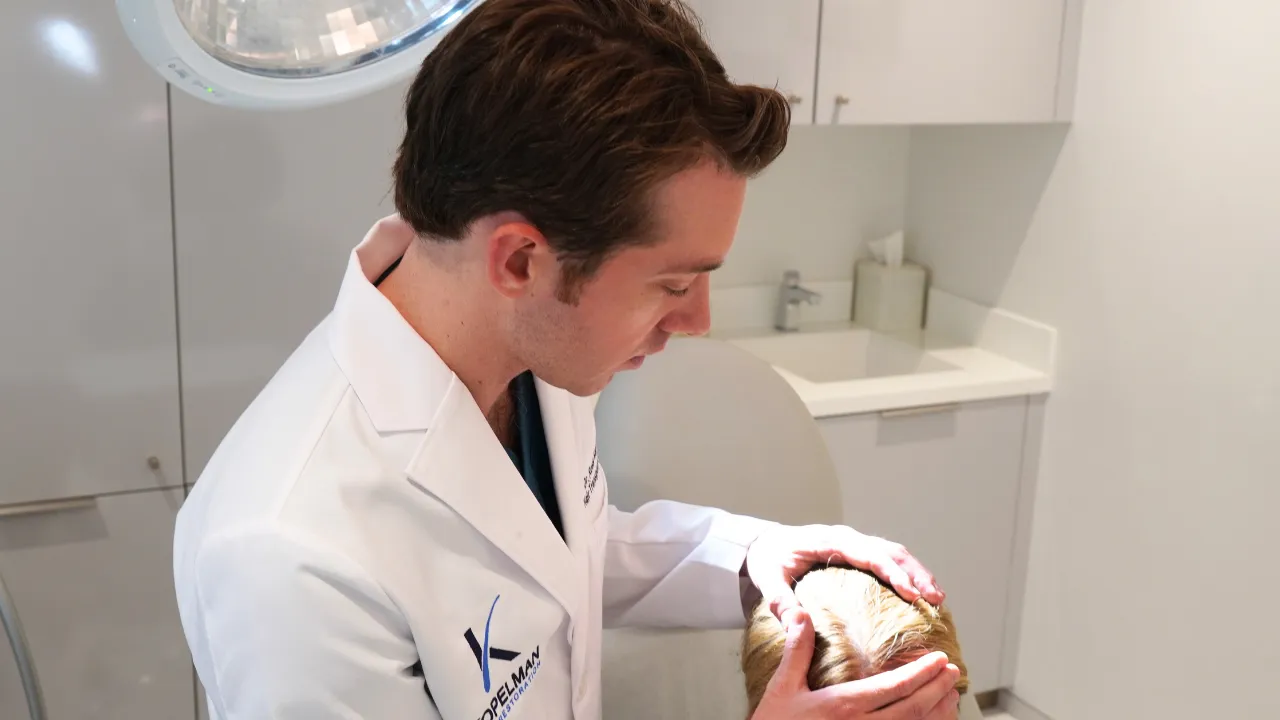
Dr. Kopelman uses clinical evaluations and lab testing to diagnose and manage these concerns.
Common Causes by Gender
In Women
- Hormonal fluctuations
- Postpartum hair shedding
- Repeated tension from hairstyles
Hair thinning in women often appears gradually, especially along the part or temples.
In Men
- Genetic patterns (androgenetic alopecia)
- DHT hormone sensitivity
- Shortened growth phases with age
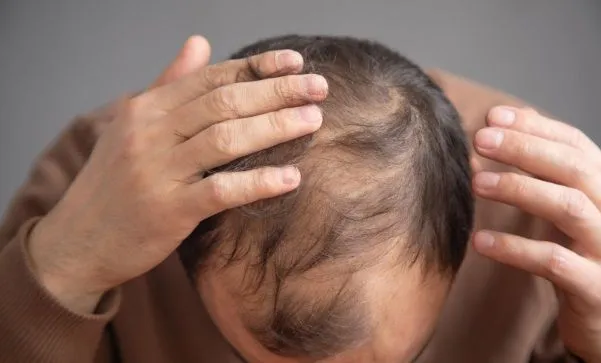
Hair loss and hair thinning in men can lead to permanent loss if not treated early.
Additional Causes of Hair Loss Conditions
Not all hair concerns stem from genetics or aging. Some hair loss conditions are linked to underlying health conditions or immune disorders.
Examples include:
- Alopecia areata
- Traction alopecia
- Scarring alopecia
- Nutrient-related thinning
- Thyroid-related hair loss
These medical conditions often need bloodwork, scalp analysis, or biopsy for diagnosis.
Hair Shedding Timeline: What to Expect
Here’s a general timeline of hair response:
- Weeks 0–8: Trigger (e.g., illness, childbirth, medication)
- Months 2–4: Hair shedding begins
- Months 4–6: Early regrowth appears
- After 6 months: Shedding that persists may be chronic
Monitoring how your hair falls over time can help determine if professional help is needed.
Treatments for Hair Shedding and Hair Loss
Common Treatments
- Minoxidil: Over-the-counter topical treatment
- Finasteride: Prescription DHT blocker (for men)
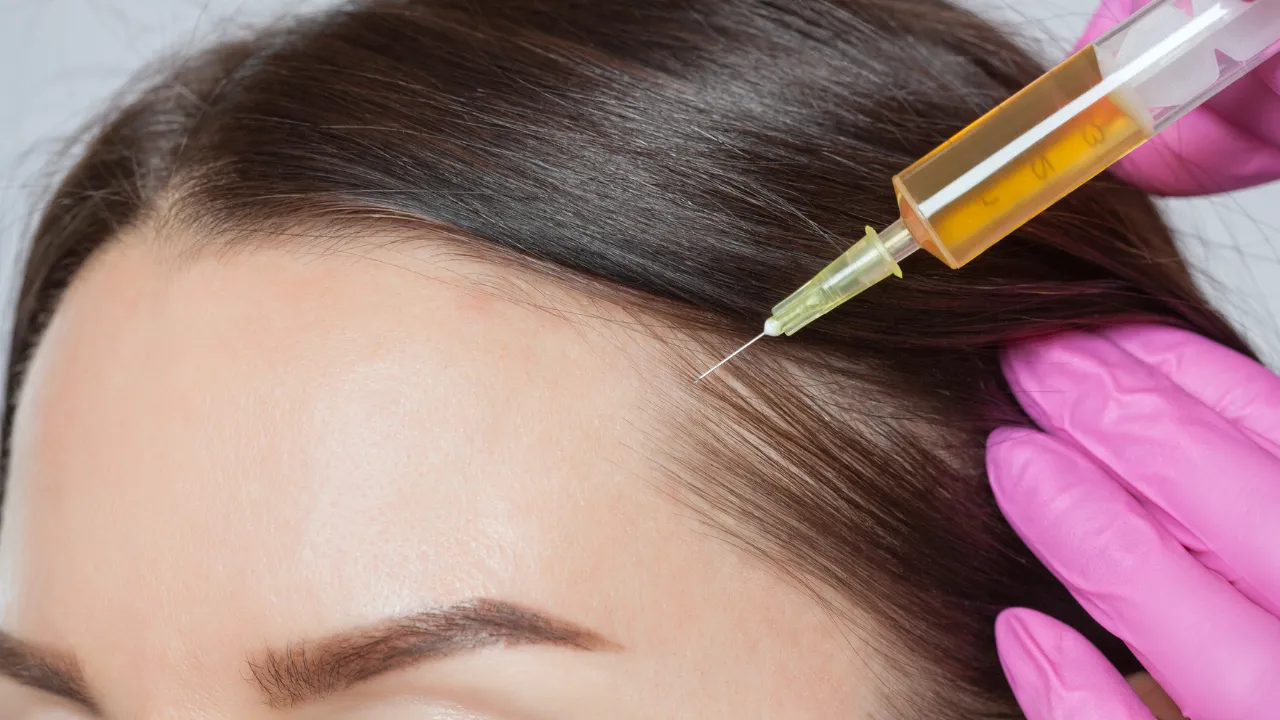
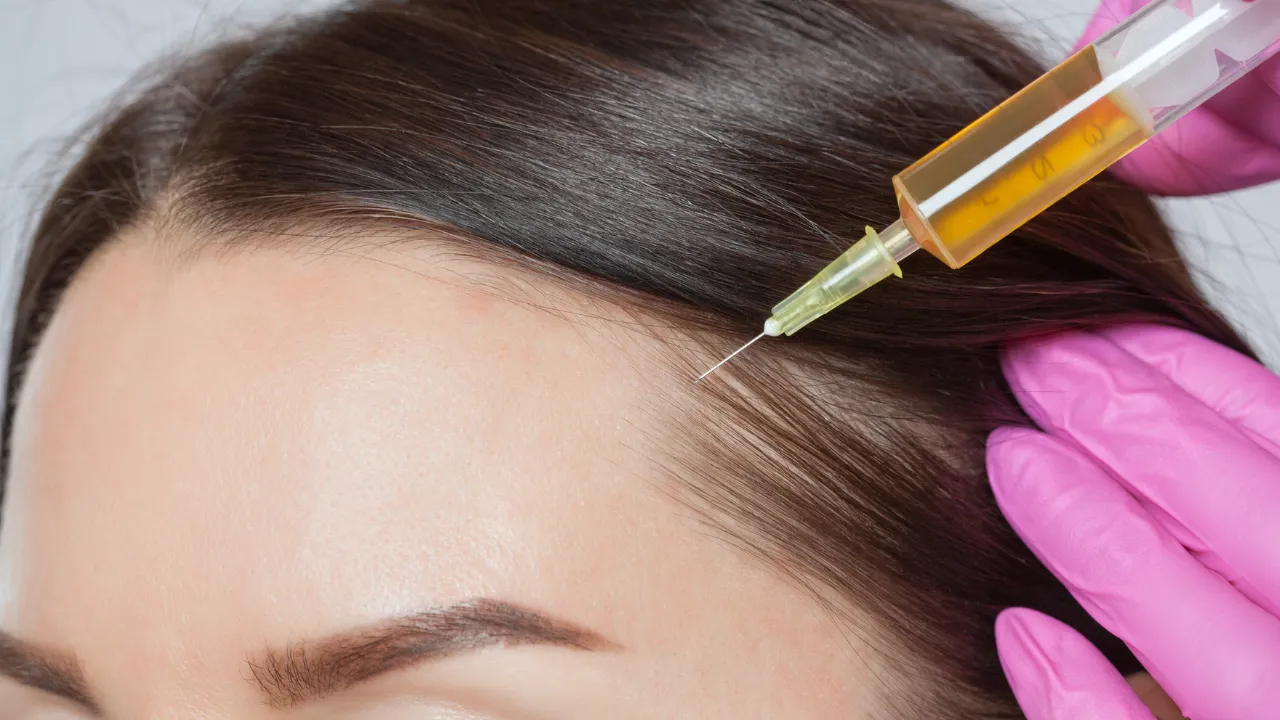
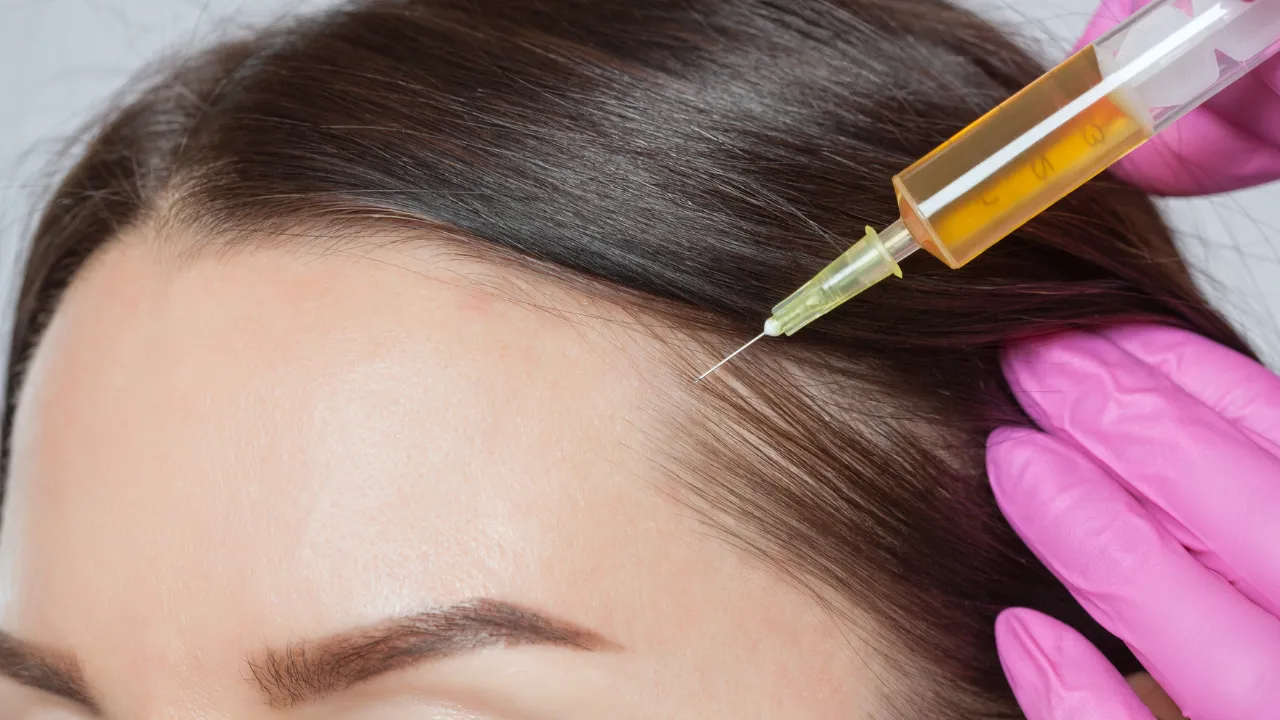
- PRP Therapy: Injected growth factors
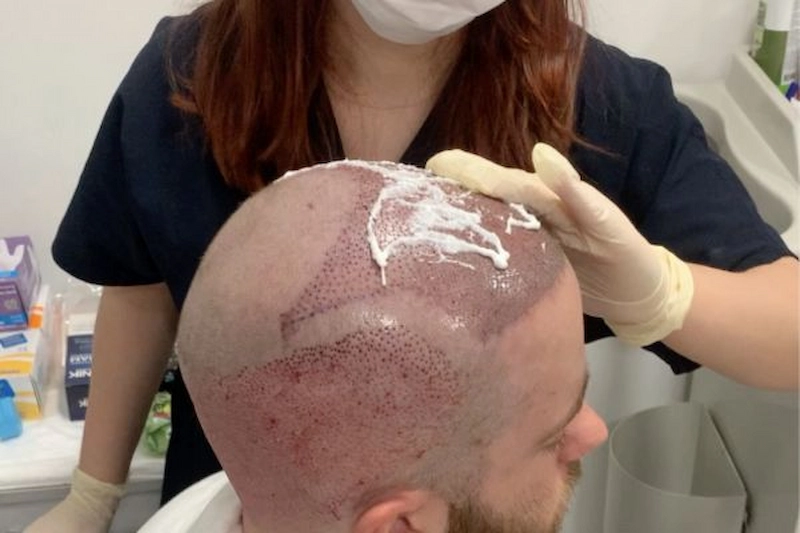
- Hair Transplants: Surgical restoration
Kopelman Hair provides custom plans based on the type of hair loss and its progression.
Gender-Specific Approaches
- Women: May benefit from PRP or minoxidil for hormone-related loss
- Men: Often use finasteride and transplants for patterned thinning
Every treatment plan is tailored to match hair loss and hair regrowth goals.
When to See a Hair Specialist
Consult a hair expert like Dr. Kopelman if you notice:
- Rapid shedding or clumps of hair falling out
- Hair thinning that spreads over months
- Scalp sensitivity or inflammation
- Lack of regrowth after recovery from illness
- A steady increase in the amount of hair falls per day
Getting timely help improves your chances of preserving hair density.
Daily Habits to Protect Your Hair
Maintain healthy routines to reduce hair stress:
- Comb gently with a wide-tooth comb
- Avoid harsh heat or chemicals
- Let your scalp breathe—avoid tight styles
- Eat well and stay hydrated
- Manage your stress levels
These actions support long-term scalp and hair health.
If you’re noticing signs of hair shedding, thinning, or loss and want answers tailored to your situation, we’re here to help. Schedule a consultation with Dr. Kopelman to receive a personalized evaluation and explore treatment options backed by over 40 years of experience in hair restoration.