
What Is an Eyebrow Transplant?
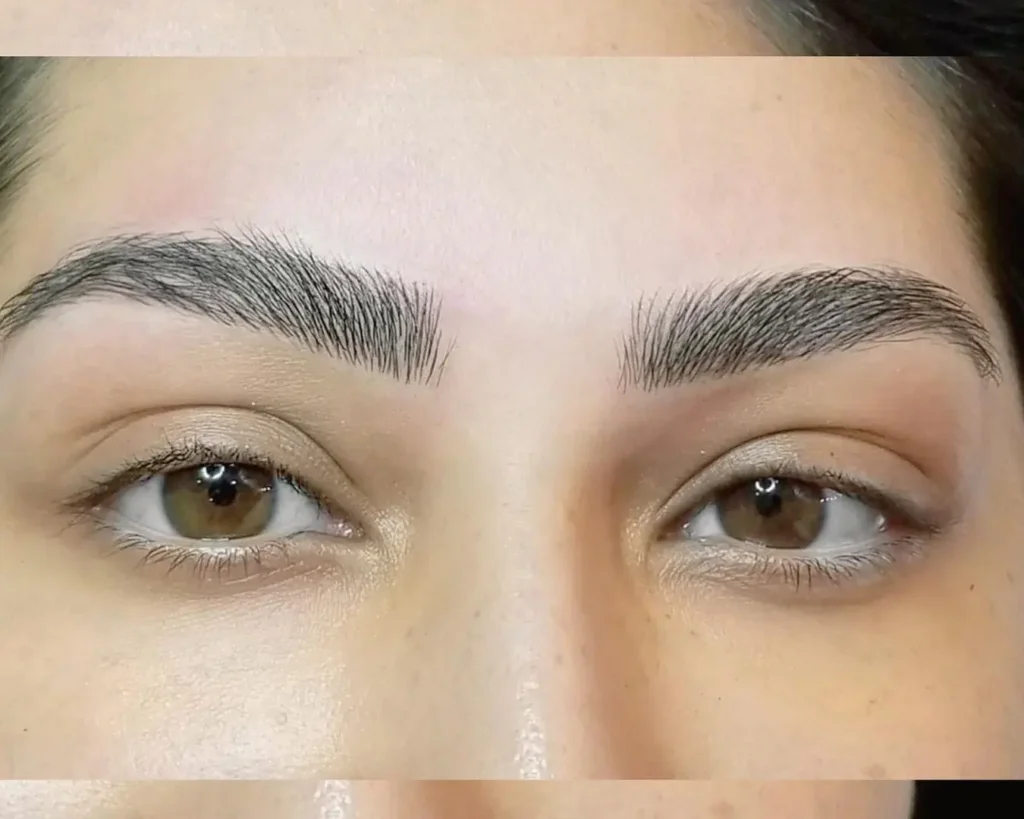
An eyebrow transplant is a cosmetic procedure that restores or thickens the brows by moving living hair follicles from a donor area to the brow region.
The surgeon harvests follicles, most often from the back of the scalp, and places them individually into the eyebrow area to rebuild density and shape.
Because the relocated follicles retain their original biology, the result is a permanent addition of the patient’s own hair rather than a pigment or filler.
Understanding what an eyebrow transplant is begins with recognizing that it is a form of hair transplant for eyebrows, not a tattoo or a topical treatment.
The procedure is sometimes described as eyebrow hair grafting or brow transplantation, and the same technique underlies related terms such as eyebrow restoration and eyebrow reconstruction.
Each label refers to the same core idea of relocating follicles to redefine the brow.
How Eyebrow Transplants Work
During an eyebrow hair transplant, individual follicular units are extracted and then implanted at a precise angle so that each hair grows in a direction consistent with natural brow patterns.
The angle is critical because eyebrow hair lies almost flat against the skin, and incorrect placement produces an unnatural appearance. This attention to direction and single follicle placement is what separates a refined brow transplant from a generic grafting approach.
The relocated follicles behave like the scalp hair they came from, which means the transplanted hair continues to grow over time and requires regular trimming.
This biological reality is important for setting expectations, since brow hair typically grows to a fixed length, whereas scalp-derived hair does not. Patients considering treating eyebrows this way should plan for ongoing maintenance as part of the outcome.
Eyebrow Transplant vs Microblading
Microblading is a semi-permanent cosmetic tattoo that deposits pigment into the skin to mimic the look of brow hairs, and it typically fades within a few years. An eyebrow transplant, by contrast, introduces real growing follicles and is considered a long-term solution.
The two are sometimes confused, but they differ fundamentally in their mechanisms, durability, and the types of results they produce.
For readers weighing these options, the distinction often comes down to whether they want pigment or actual hair.
Our overview of eyebrow transplant or microblading examines this comparison in detail, and a separate guide addresses whether you can have a transplant after previous microblading. Both resources help clarify which approach aligns with a given goal.
How Much Does an Eyebrow Transplant Cost?
The cost eyebrow transplant patients can expect in the United States generally falls between $3,000 and $12,000, with many comprehensive cases averaging around $4,000 to $8,000.
Pricing is often calculated per graft, typically $3 to $8 per follicular unit, and a single brow usually requires roughly 100 to 400 grafts, depending on the area to be rebuilt.
Because every brow is shaped differently, the transplant cost is determined on a case-by-case basis rather than by a single fixed price.
More complex restorations that demand precise hair direction, design, and high density can reach the upper end of the market, with detailed cases at specialized clinics ranging from approximately $10,000 to $16,000.
A consultation allows the surgeon to assess density goals and estimate the grafts needed before any figure is discussed, since factors such as scarring, prior tattooing, or naturally thin brows cannot be evaluated remotely.
This is why a reliable quote comes from an in person examination rather than an online estimate.
Geographic location also influences pricing, which is why searches for an eyebrow transplant los angeles or an eyebrow transplant beverly hills may return higher ranges than other markets, as large metropolitan areas tend to carry a premium.
Our detailed eyebrow transplant cost guide breaks down the variables that shape the final estimate so readers can understand what influences it.
What Affects Eyebrow Transplant Cost
Several practical factors contribute to the overall investment, and understanding them helps set realistic expectations:
- The number of grafts needed to achieve the desired density in the eyebrow area
- The harvesting technique selected, since extraction methods vary in time and labor
- The experience of the eyebrow transplant surgeon performing the procedure
- The complexity of the brow design and whether one or both brows are treated
These elements explain why two patients can receive very different quotes. A larger restoration involving extensive eyebrow hair loss naturally requires more grafts and more operating time than a partial touch-up.
Reviewing how many grafts an eyebrow transplant needs gives a clearer sense of how scope translates into cost.
Eyebrow Transplant Procedure Step by Step
Eyebrow hair transplant surgery is usually performed under local anesthesia as an outpatient cosmetic procedure and typically takes several hours, depending on the number of grafts.
The process begins with brow design, during which the surgeon maps shape, symmetry, and density to suit the patient’s facial proportions. Only after this planning stage does harvesting and placement begin.
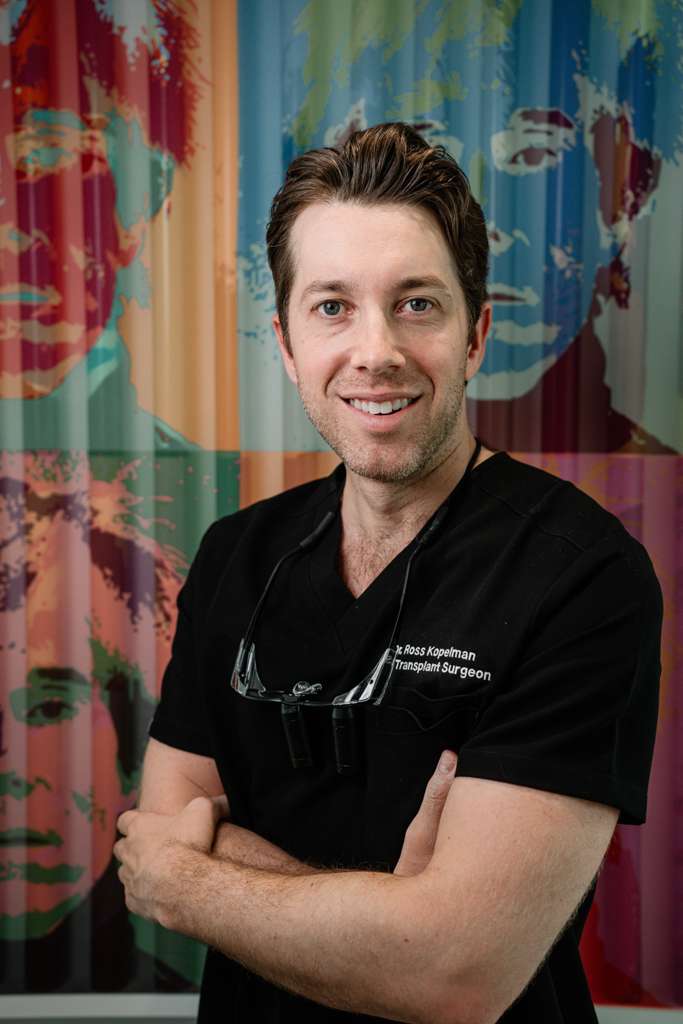
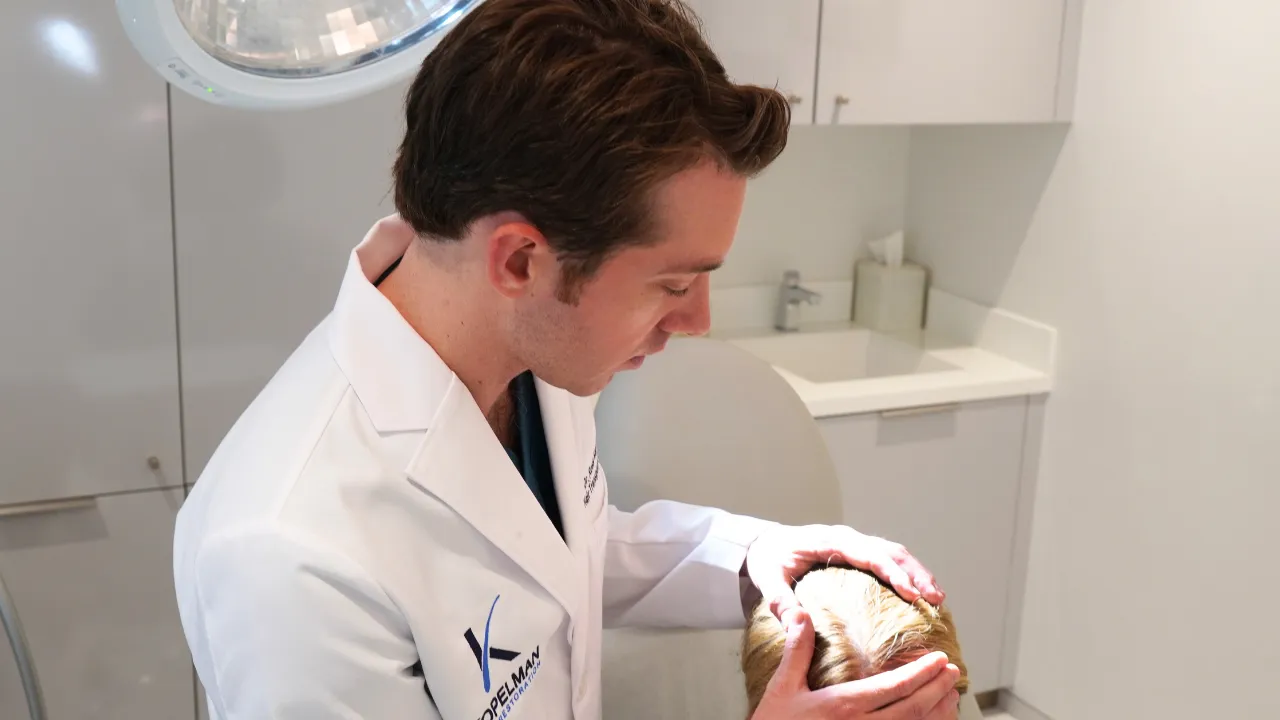
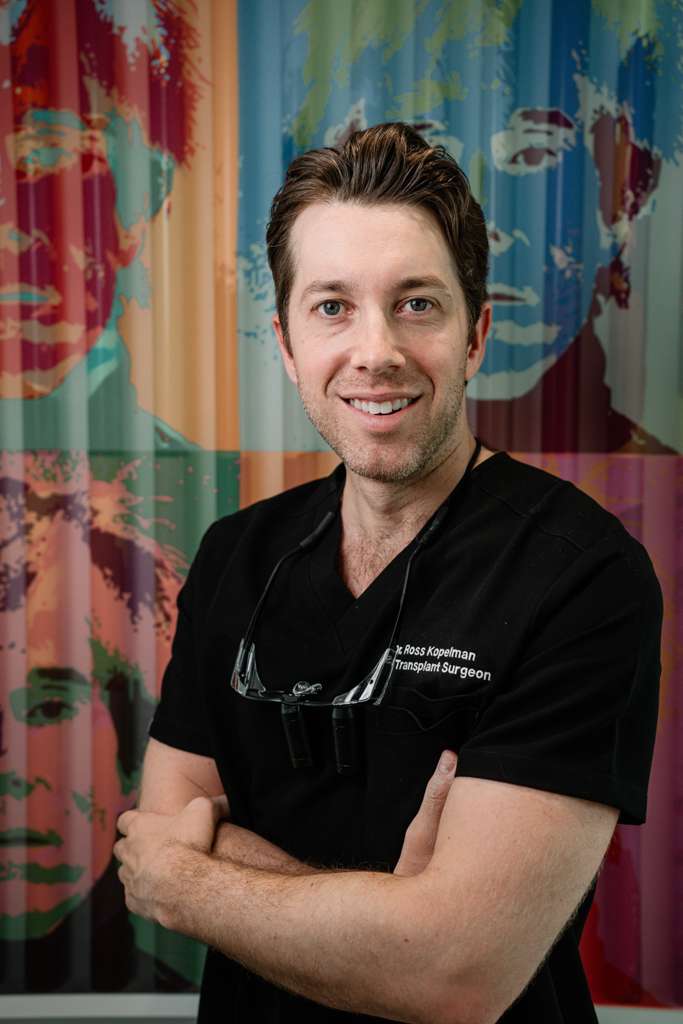
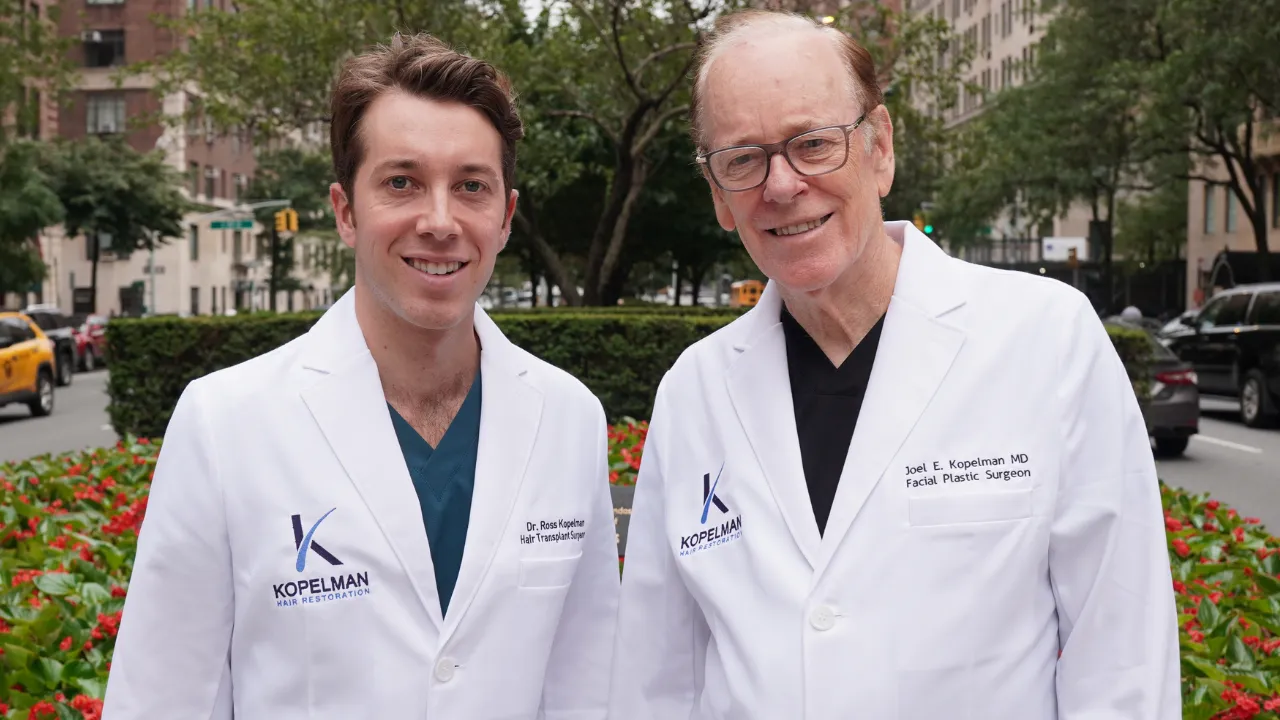
Dr. Kopelman approaches each case by first reviewing the patient’s medical history and brow goals, then selecting the technique best suited to the donor supply.
This methodical sequence supports a natural result and reduces the risk of misdirected growth. Readers who want the full sequence can consult our eyebrow transplant procedure steps resource.
FUE vs FUT for Eyebrows
Two principal harvesting methods exist. Follicular unit extraction FUE removes individual follicles one at a time using a small punch, leaving no linear scar and offering a faster recovery.
Follicular unit transplantation, sometimes called the strip method, removes a thin strip of donor tissue from which grafts are then separated.
A fue eyebrow transplant is often preferred for brow work because of its minimal scarring, though the right choice depends on each patient’s donor characteristics.
A third option, direct hair implantation, is covered in our guide to the DHI eyebrow transplant method, and a side-by-side breakdown is available in our FUE vs FUT comparison.
Where the Donor Hair Comes From
Most grafts are taken from donor areas at the back or sides of the scalp, where hair is genetically resistant to thinning.
The surgeon selects finer follicles from the donor site so that the transplanted hair matches the natural texture of brow hair as closely as possible. Choosing the right donor characteristics is key to achieving natural-looking results.
In some cases, patients ask about alternative donor sources, and our discussion of using facial hair as a donor and where the hair comes from addresses these questions. The donor decision is made during consultation based on supply, texture, and the design goals for the brow.
Recovery and Aftercare Timeline
The eyebrow transplant recovery process is generally quicker than that of larger scalp procedures. In the first days, mild redness, swelling, and tiny scabs around each graft are common and usually resolve within a week.
Many patients return to light activity within one to two days, though the surgeon’s specific guidance should always take precedence. Overall recovery time is short relative to the lasting nature of the result.
The recovery period includes a normal shedding phase, during which the transplanted hairs fall out a few weeks after surgery before new growth begins.
This shedding is expected and does not indicate failure. Our eyebrow transplant aftercare guide outlines what to do during this phase, and a related article explains how long the transplant takes to grow.
Does an Eyebrow Transplant Hurt?
Because the procedure is performed under local anesthesia, patients typically feel little to no pain during surgery. Some mild tenderness can occur as the area heals, and this is usually managed with simple measures recommended by the surgeon.
Our overview of whether an eyebrow transplant hurts covers what sensations to expect at each stage.
Healing, Scabs and Scar Tissue
Tiny scabs form around each graft and should be allowed to fall away on their own rather than being picked, as disturbing them can affect healing. Scarring is generally minimal, particularly with FUE, though individual healing varies.
Readers concerned about this can review our guidance on eyebrow transplant scar tissue and our note on post-operative instructions for alcohol during the healing window.
Eyebrow Transplant Results and Before and After
Visible change appears gradually, with the full results of an eyebrow transplant typically emerging over several months as the new follicles establish and begin to grow.
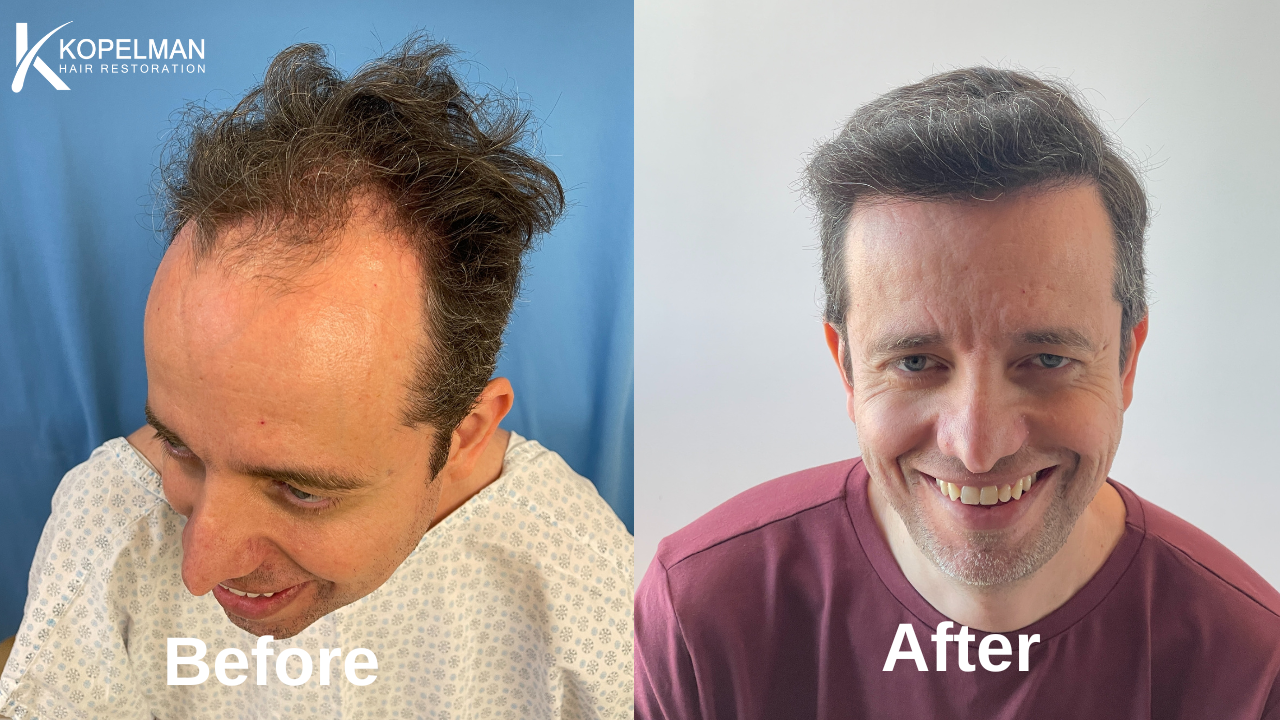
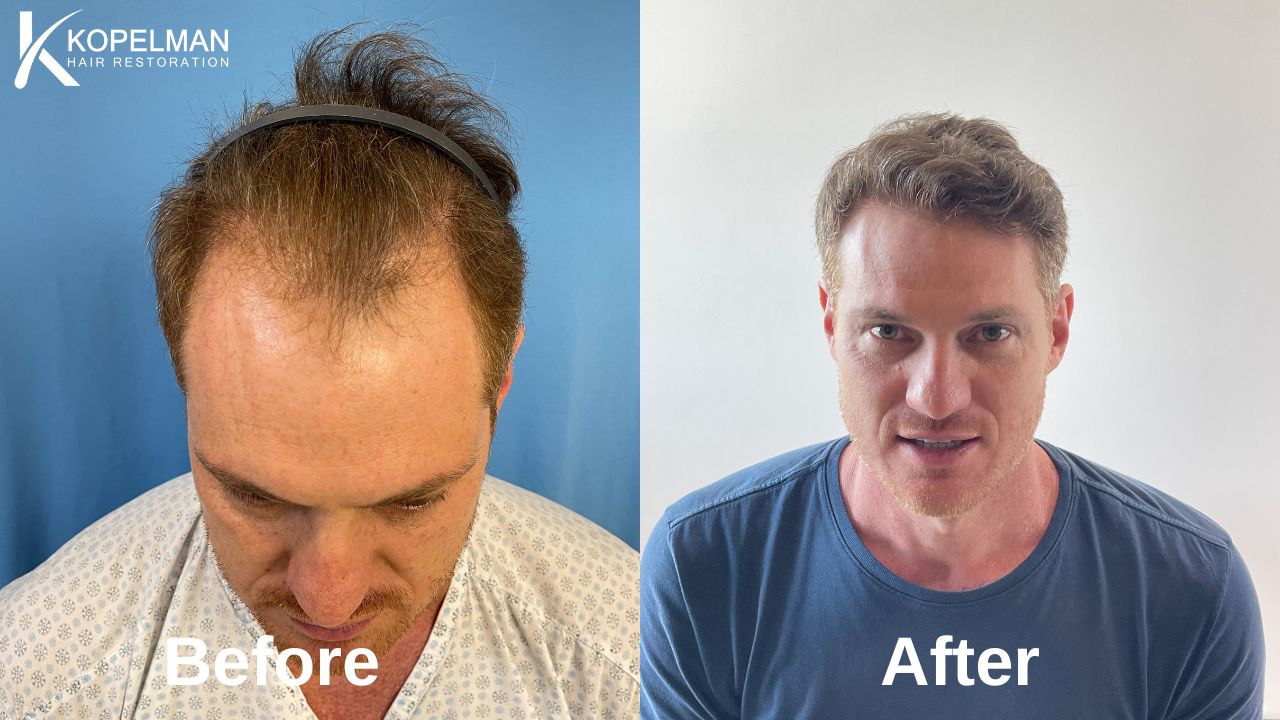
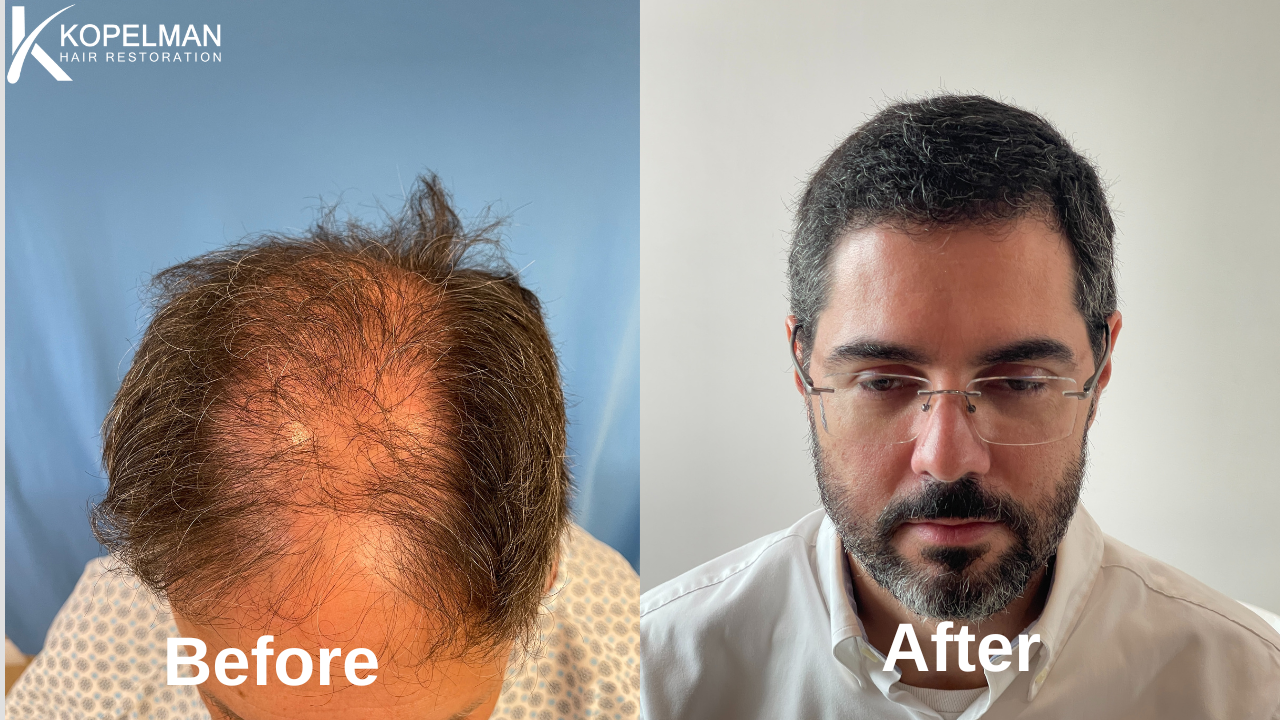
Early expectations should account for the shedding-and-regrowth cycle, so patience is part of the process. Comparing eyebrow transplant before-and-after photos can help illustrate this timeline, though each patient’s outcome is individual.
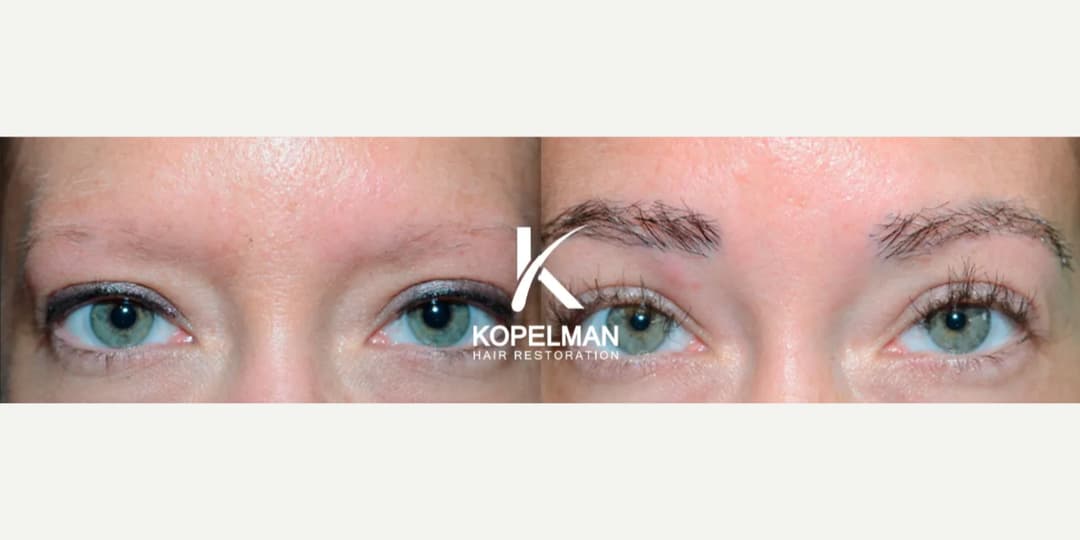
When evaluating eyebrow transplant before-and-after examples, it is useful to focus on density, shape, and the direction of hair growth rather than on a single dramatic image. Our before-and-after overview provides context for interpreting these comparisons realistically.
Do Transplanted Eyebrows Keep Growing and Look Natural?
Because the grafts originate from the scalp, the hair continues to grow and will need trimming to maintain brow length. This ongoing growth is a defining feature of the procedure and is discussed in our article on whether eyebrow transplants continue to grow.
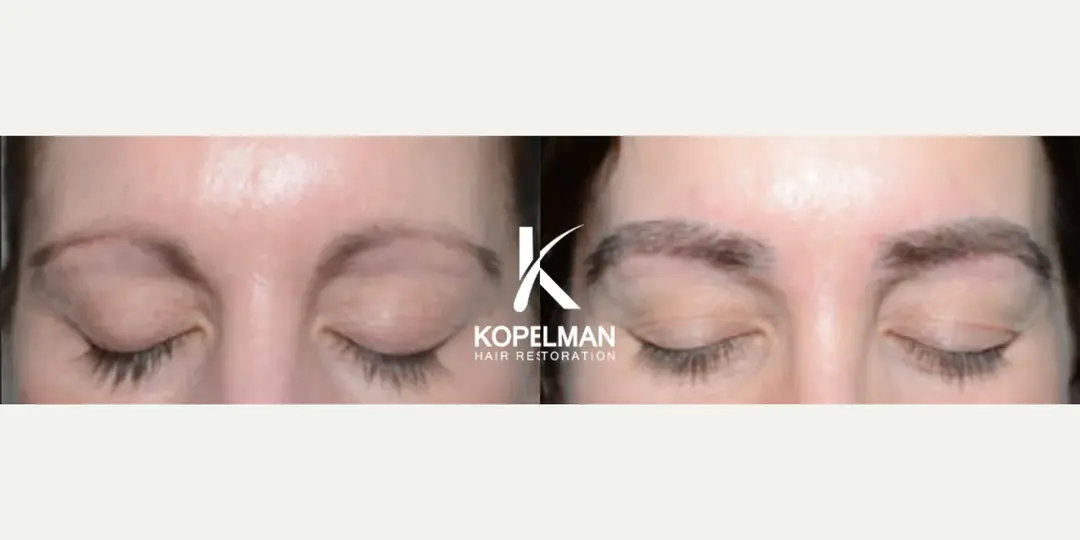
A separate resource addresses whether the results look natural, which depends heavily on graft angle and design.
Risks, Regret and Realistic Expectations
As with any surgical cosmetic procedure, an eyebrow transplant carries potential risks, including swelling, infection, and grafts that may not survive.
Realistic expectations are the strongest safeguard against disappointment, which is why honest consultation matters. Our discussion of eyebrow transplant regret examines the factors that most often shape patient satisfaction.
Outcomes that fall short are usually linked to inexperienced technique, poor angle control, or unrealistic goals.
Resources on a botched eyebrow transplant and on an unnatural or ugly result explain how these problems arise and how careful planning reduces their likelihood. Temporary issues, such as small pimples after the procedure, are also addressed.
Am I a Candidate for an Eyebrow Transplant?
A suitable candidate for an eyebrow transplant generally has thinning brows or sparse areas due to overplucking, genetics, scarring, or medical conditions, and an adequate donor supply.
Candidacy is confirmed through examination of the brow and donor area, as well as a review of overall health. Our guide on whether an eyebrow transplant is possible helps readers gauge their suitability before consultation.
Eyebrow Transplants for Specific Groups
While the procedure is often associated with women, eyebrow transplants for men are increasingly common, typically to restore density lost to scarring or grooming.
The technique is broadly applicable across different hair types and ethnic backgrounds, with the design adjusted to suit individual features. Our resources on eyebrow transplants for men and African American eyebrow transplants address these considerations.
Hair texture and growth patterns differ across groups, and an experienced surgeon adapts technique accordingly.
Additional guidance is available for Asian eyebrow transplants and for those who need a transplant while on active military duty. These articles reflect how brow design is individualized rather than standardized.
Choosing an Eyebrow Transplant Surgeon and Clinic
Selecting the right provider is one of the most important decisions in the entire process, because brow work is highly visible and difficult to revise.
An experienced eyebrow transplant surgeon understands follicle anatomy, graft angle, and brow design, all of which determine whether the outcome looks natural.
When researching an eyebrow transplant clinic, patients should prioritize relevant surgical experience over convenience or price alone.
Dr. Kopelman performs brow restoration with a focus on individualized design and precise follicle placement, and our guide to which doctors specialize in eyebrow transplant surgery outlines the credentials to confirm.
For those still comparing options, our overview of alternatives to eyebrow transplant surgery explains non-surgical routes and their limitations.
Related Terms You May Encounter
The field uses several overlapping terms, which can cause confusion during research. Phrases such as eyebrow implants, eyebrow hair implants, and brow implants generally refer to the same follicle-based procedure rather than any synthetic device.
Likewise, eyebrow transplants and hair transplant eyebrows refer to the same surgery, while older terms like eyebrow hair plugs reflect outdated techniques no longer used in modern brow work.
Other phrases worth clarifying include eyebrow hair replacement and eyebrow augmentation, both of which point to restoring or enhancing brow density, and eyebrow reconstruction surgery, typically used when scarring or trauma is involved.
A single eyebrow implant session can address a wide range of these needs. Understanding this vocabulary helps patients compare information accurately as they research brow hair transplant procedures.
Whichever term a patient encounters, the underlying goal is the same: relocating healthy follicles to rebuild a natural brow.
Patients researching brow restoration often explore other delicate facial procedures offered at the same clinic. An eyelash transplant uses the same follicular unit extraction principles to add density along the lash line, making it a natural companion for those addressing sparse facial hair.
With realistic expectations, an appropriate donor supply, and an experienced surgeon, the procedure offers a durable approach to treating thinning or sparse brows. Reviewing the linked resources throughout this guide can help readers prepare informed questions for a consultation.