
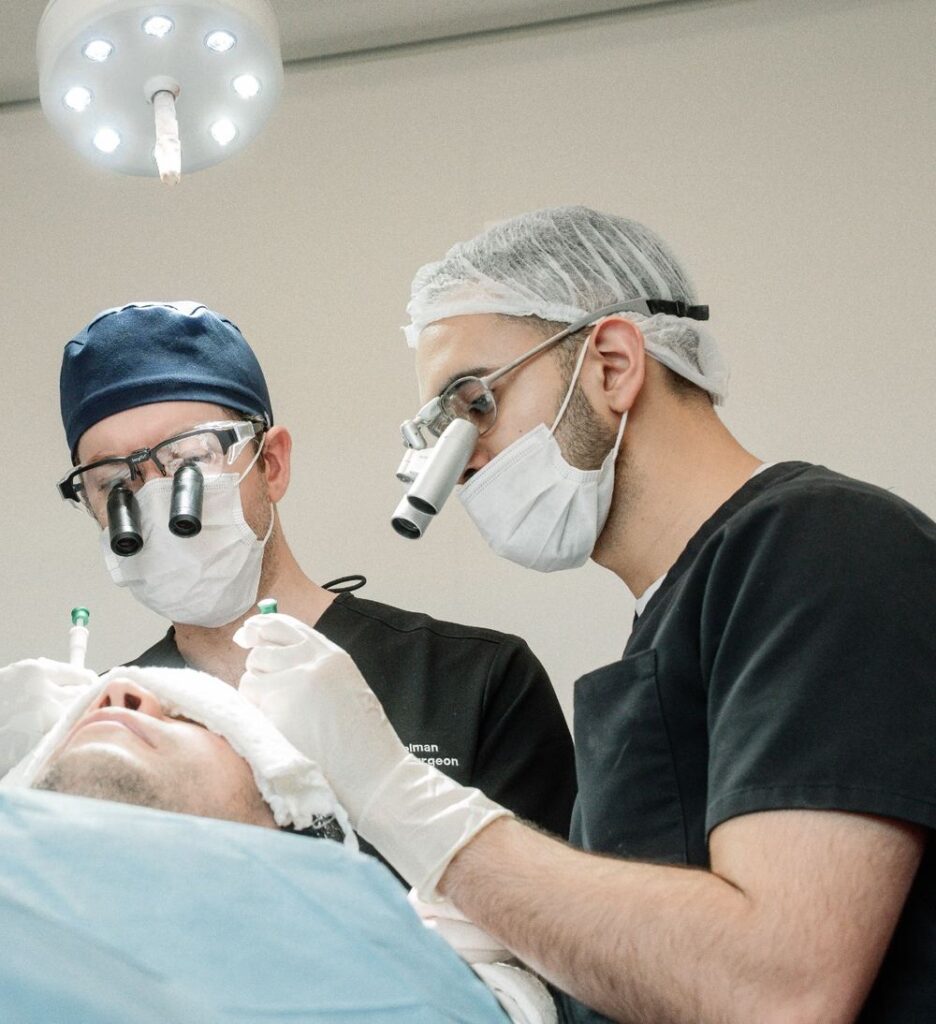
Medically reviewed by Dr. Ross Kopelman, a hair restoration surgeon practicing in New York City and Palm Beach. He trained at NYU, Cornell, and Tufts, and focuses on FUE, FUT, and eyebrow and beard restoration, alongside non-surgical treatments such as PRP.
You will learn the main surgical methods, what recovery realistically involves, how pricing is structured, and how to assess a provider, drawing on clinical context from practices such as Kopelman Hair. The purpose here is education and realistic expectation-setting, not guidance on any individual case.
What Is a Hair Transplant?
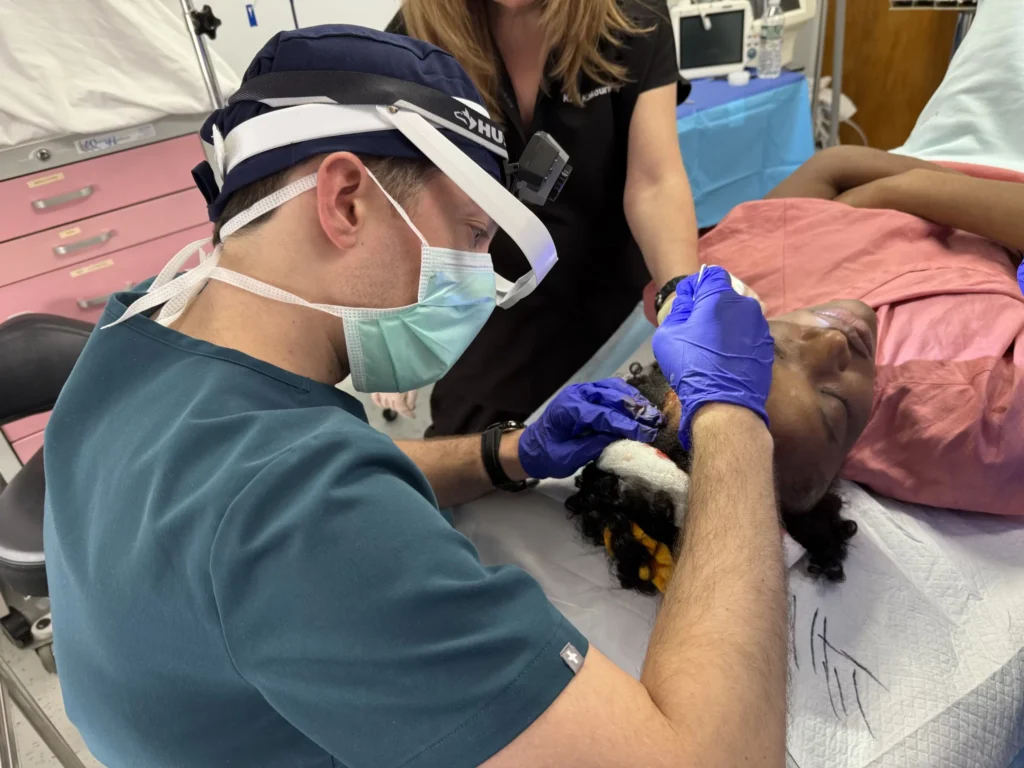
A hair transplant is a surgical procedure that relocates living hair follicles from a region of stable growth to areas of the scalp affected by pattern hair loss. The same operation is sometimes described as a hair replacement process, and some people search for what is hair plantation, which refers to this identical concept.
The operation does not generate new follicles; it redistributes the ones a person already has so that growth continues in a different location.
Patients often use the word hair implant when they describe the goal, and a common question is what are hair implants in the first place. In clinical terms, the surgeon does not insert synthetic material. The intent is to replant hair using the patient’s own follicles, which keep their original resistance to balding once moved.
Because the relocated follicles retain that genetic resistance, they are expected to keep growing long-term, since they carry resistance to the hormone that drives pattern loss.
In patients with stable hair loss, transplanted follicles from the permanent donor zone typically last for life, though the native hair around them may continue to thin. This is the principle behind every modern technique, regardless of how the follicles are harvested or placed.
How Do Hair Transplants Work?
To understand how do hair transplants work, it helps to follow the path of a single follicle. The surgeon harvests follicular groupings, called grafts, from a donor site at the back and sides of the scalp where hair is genetically stable.
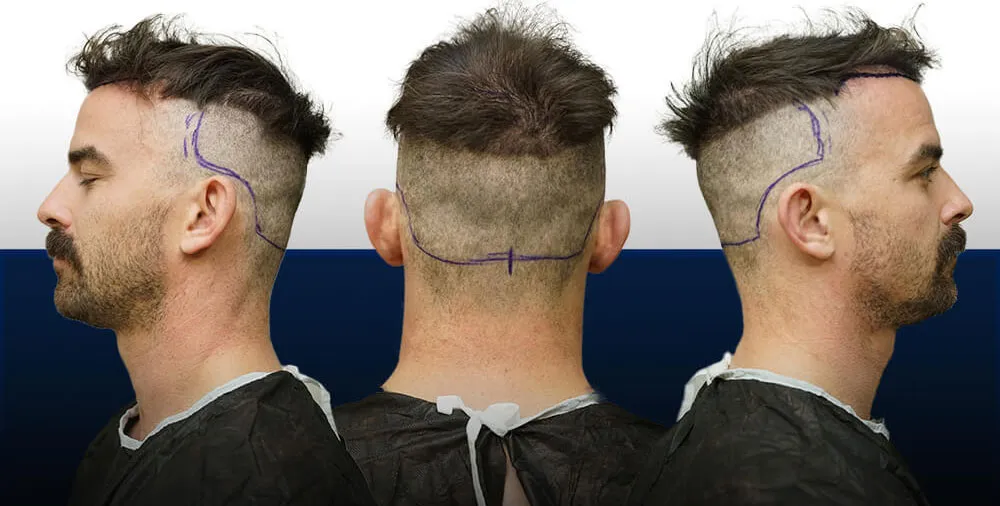
Each hair graft contains one to four hairs in their natural cluster, which is why the answer to how hair grafting works centers on preserving those natural groupings rather than placing single strands at random.
The harvested grafts are then placed into the recipient sites, the small incisions created across the thinning zone. Spacing and angle in the recipient area are planned to match the patient’s existing hair densities and growth direction, which is what produces natural-looking results rather than an obvious or uniform pattern.
When people ask where do hair transplants come from, the answer is the patient’s own permanent zone, not a separate donor.
A hair follicle transplant is therefore a redistribution, not a multiplication, of existing hair. This distinction matters because it sets a ceiling on coverage and explains why donor supply limits what any single session can achieve.
Older approaches looked very different from today’s work. Decades ago, surgeons removed large round sections of skin, and patients still ask what are hair plugs when they see those results in older photos.
That plug-based method, sometimes called hair plug surgery, produced doll-like tufts and has been replaced by follicular-unit techniques that work with the scalp’s natural groupings.
A few older surgical options such as scalp reduction and flap surgery still exist in the medical literature, but they are rarely performed today and have largely given way to FUE and FUT.
Who Is a Good Candidate?
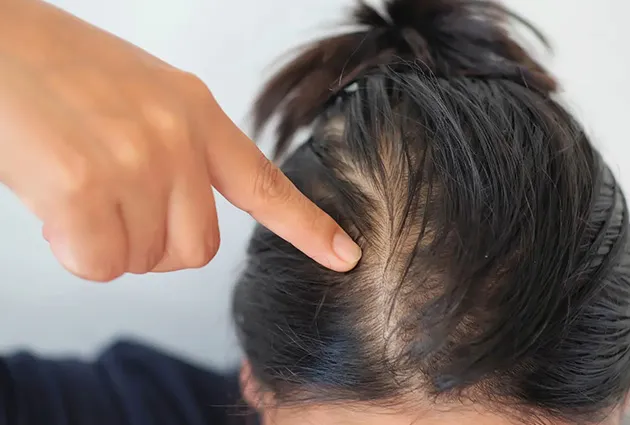
Candidacy depends on donor supply, the pattern and stability of loss, and realistic goals rather than age alone. A patient with a stable donor zone and a defined receding hairline is often a stronger candidate than someone with diffuse thinning across the entire scalp.
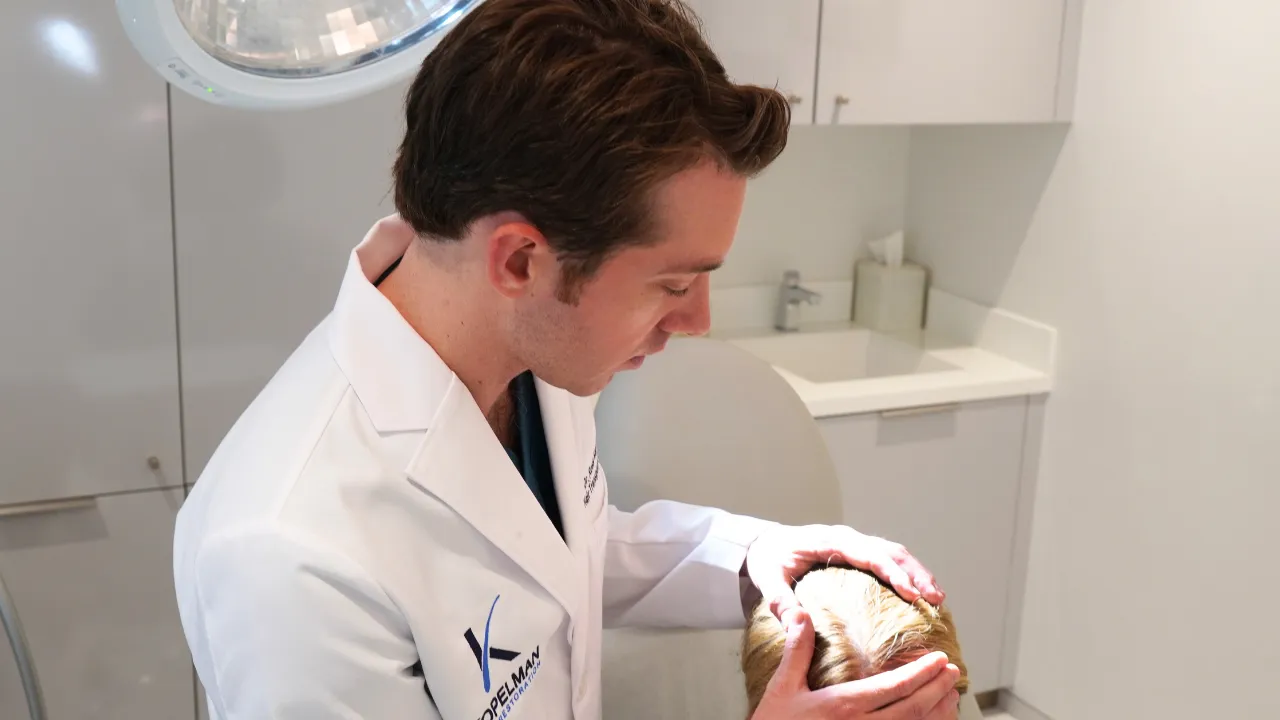
The evaluation that opens this process is the initial consultation, where a surgeon measures donor density, maps the loss, and discusses what a transplant procedure can and cannot accomplish.
Medical assessment is central here. A qualified surgeon evaluates whether ongoing loss should be stabilized with medication before any surgery is considered, since transplanting into an actively thinning field can produce uneven coverage over time. Realistic expectations set during this stage tend to shape patient satisfaction more than any other factor.
Types of Hair Transplant Procedures
The leading hair transplant methods differ mainly in how follicles are harvested, not in how they are placed. The two foundational techniques are follicular unit extraction and follicular unit transplantation, with direct hair implantation refining the placement step.
Each has trade-offs in scarring, recovery, and suitability for different hair types.
FUE Hair Transplant
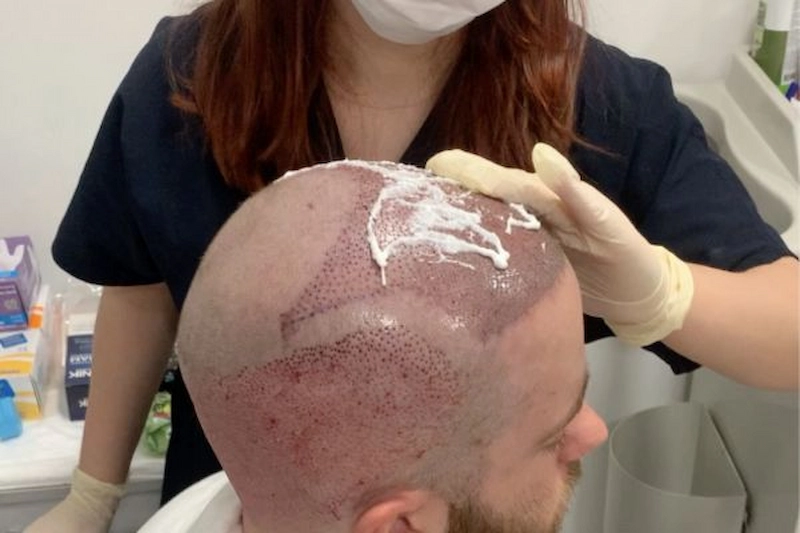
Follicular unit extraction FUE harvests individual follicular units one at a time using a small punch, typically between 0.6 mm and 1.0 mm in diameter. Because no linear cut is made, the FUE procedure leaves tiny dot scars instead of a single line, and it suits patients who wear their hair short. Many patients research FUE harvesting specifically because it avoids a visible strip scar.
This method is the basis of what some practices market as FUE hair replacement or fue hair transplantation. Sessions can be longer than strip surgery because each graft is removed separately, which is one reason FUE often carries a higher per-graft price.
For patients who prefer a faster healing window, the no-shave FUE recovery approach can reduce the visible signs of a recent procedure.
FUT Hair Transplant
Follicular unit transplantation FUT, also called strip surgery, removes a thin strip of skin from the donor zone and dissects it into individual grafts under magnification.
The donor wound is closed with sutures, leaving a fine linear scar that surrounding hair usually covers. The FUT strip method often yields a high graft count in a single session, which can make it efficient for patients needing extensive coverage.
The main trade-off is the linear scar, which limits how short a patient can later cut the back of the scalp.. For many patients with larger areas to address and no plan to shave the donor zone, this remains a practical option.
DHI Hair Transplant
Direct hair implantation uses a pen-shaped implanter that creates the recipient incision and places the graft in one motion. The DHI implantation method can allow tighter control over angle and depth, which some surgeons favor for dense hairline work. It is a refinement of the placement step rather than a separate harvesting technique.
FUE vs FUT: Which Method Fits?
There is no universally superior hair transplant technique; the right choice depends on donor characteristics, scar tolerance, hair length preference, and the number of grafts needed.
Both are performed under local anesthesia on an outpatient basis, and both rely on the same follicular-unit principle. A surgeon weighs donor laxity, the size of the area, and how the patient plans to wear their hair before recommending one hair restoration procedure over the other.
What a Hair Transplant Can Restore
Follicular grafting is not limited to the top of the head. The same principles apply to the frontal hairline, the crown, and facial regions, with each zone presenting its own design challenges.
Hairline and Temple Restoration
The hairline is the most visible and most demanding zone to rebuild. A hairline transplant restores a receding hairline and reframes the face, but it requires careful design so the result reads as natural across decades, not just in the first year.
Patients frequently ask how does hairline surgery work, and the short answer is that single-hair grafts are placed at the leading edge, with denser multi-hair grafts behind them to mimic how hair naturally tapers.
Design is where artistry meets surgery. Reviewing the principles of hairline design shows why angle, irregularity, and density gradient matter as much as graft count. The same logic extends to the temple restoration points, which frame the face and often recede alongside the hairline.
Crown Hair Transplant
The crown is a swirl-patterned zone that can consume a large number of grafts relative to its visual payoff. Because the crown often continues to thin with age, surgeons plan crown restoration carefully to avoid creating an isolated patch that looks disconnected as surrounding loss progresses. Donor supply and long-term planning weigh heavily on whether to treat this area early.
Eyebrow and Beard Transplants
Grafting also works for facial hair. Facial hair transplant surgery can rebuild thin or scarred eyebrows and fill patchy beards using fine donor hairs selected to match the texture of the target area.
Patients exploring eyebrow restoration should understand that brow hair grows continuously and needs trimming, since it behaves like scalp hair in its new location. Beard work can also serve as a donor source, as covered in the guidance on beard donor grafts.
Body Hair Transplant
When scalp donor supply is limited, a chest and body hair transplant can supplement coverage using follicles from those areas. The results of body hair grafting vary because body hair differs from scalp hair in texture, growth rate, and length, so expectations should be set accordingly. This is generally a secondary option rather than a first-line plan.
How Much Does a Hair Transplant Cost?
Total cost is driven mostly by the number of grafts required, the method chosen, and the surgeon’s experience. Pricing is usually quoted per graft or as a flat session fee, so two patients with very different needs can receive very different quotes. A guide to 1,000-graft procedures illustrates how graft count maps to price at the lower end of the range.
The ranges below reflect current pricing at Kopelman Hair for each procedure type. Individual quotes depend on the extent of the area, the number of grafts, and the complexity of the case, so these figures are a starting reference rather than a fixed fee.
| Procedure | Price Range |
|---|---|
| FUE Hair Transplant | $25,000 – $40,000 |
| FUT Hair Transplant | $25,000 – $40,000 |
| Beard Hair Transplant | $20,000 – $30,000 |
| Eyebrow Hair Transplant | $20,000 – $25,000 |
| Eyelash Hair Transplant | $20,000 – $25,000 |
Prices reflect current Kopelman Hair pricing. Individual quotes depend on graft count, case complexity, and the area being treated. A personalized estimate is provided at the initial consultation.
The wide gap between domestic and overseas pricing explains the medical-tourism trend. Lower advertised prices abroad, including the well-known Turkish hair transplant trend, draw patients seeking value, though follow-up care and revision access factor into the real cost of Turkish hair restoration packages. Price alone is a poor proxy for outcome quality.
What Affects the Price
Several variables move the final figure:
- Graft count and the size of the area being treated
- The method used, since extraction-based work is often more labor-intensive
- Surgeon and clinic experience, which tends to correlate with pricing
- Geographic location of the practice
Cost by Patient Profile
Pricing also varies with hair characteristics and goals. Resources on female transplant pricing and African American transplant cost show how curl pattern, density goals, and surgical complexity influence the estimate. Newer adjuncts such as stem cell options carry their own pricing and evidence considerations.
Hair Transplant Recovery Timeline
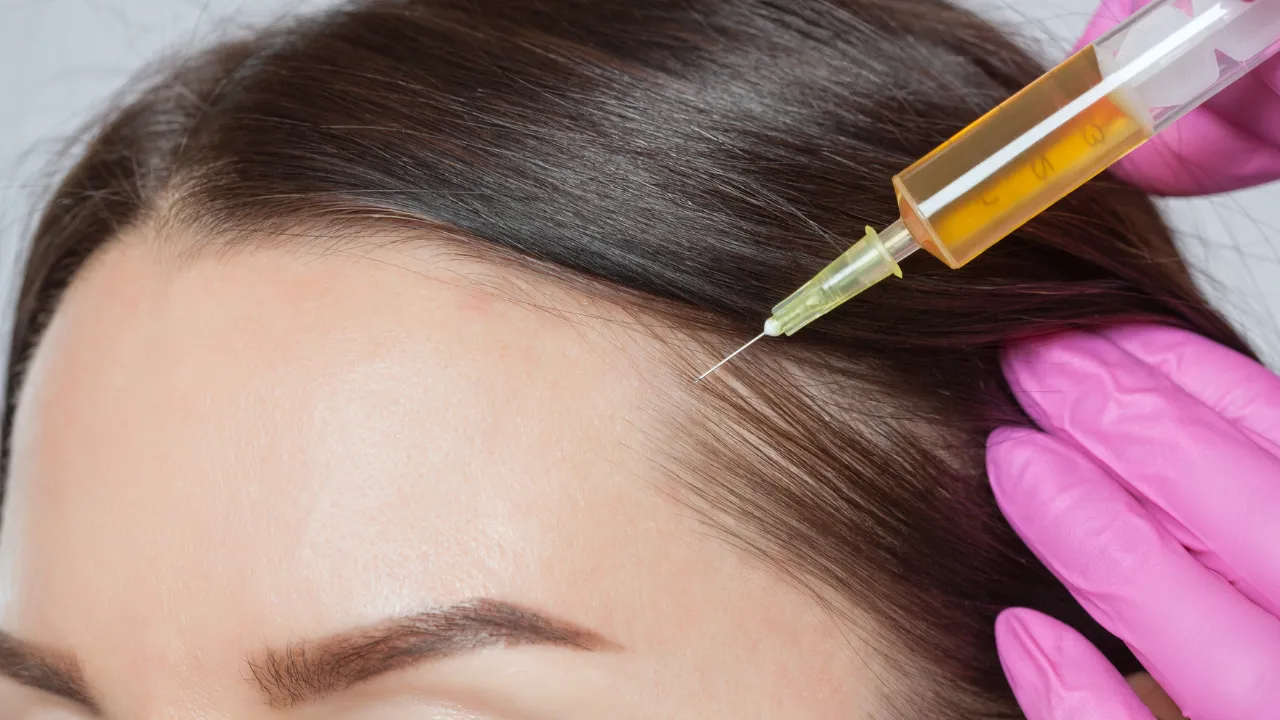
Recovery follows a fairly predictable arc, though the visible results take many months to appear. Transplanted hairs typically shed within the first few weeks, a normal phase that precedes new growth from the same follicles. The detailed month-by-month recovery guide walks through each stage from the first day through full maturation at roughly twelve months.
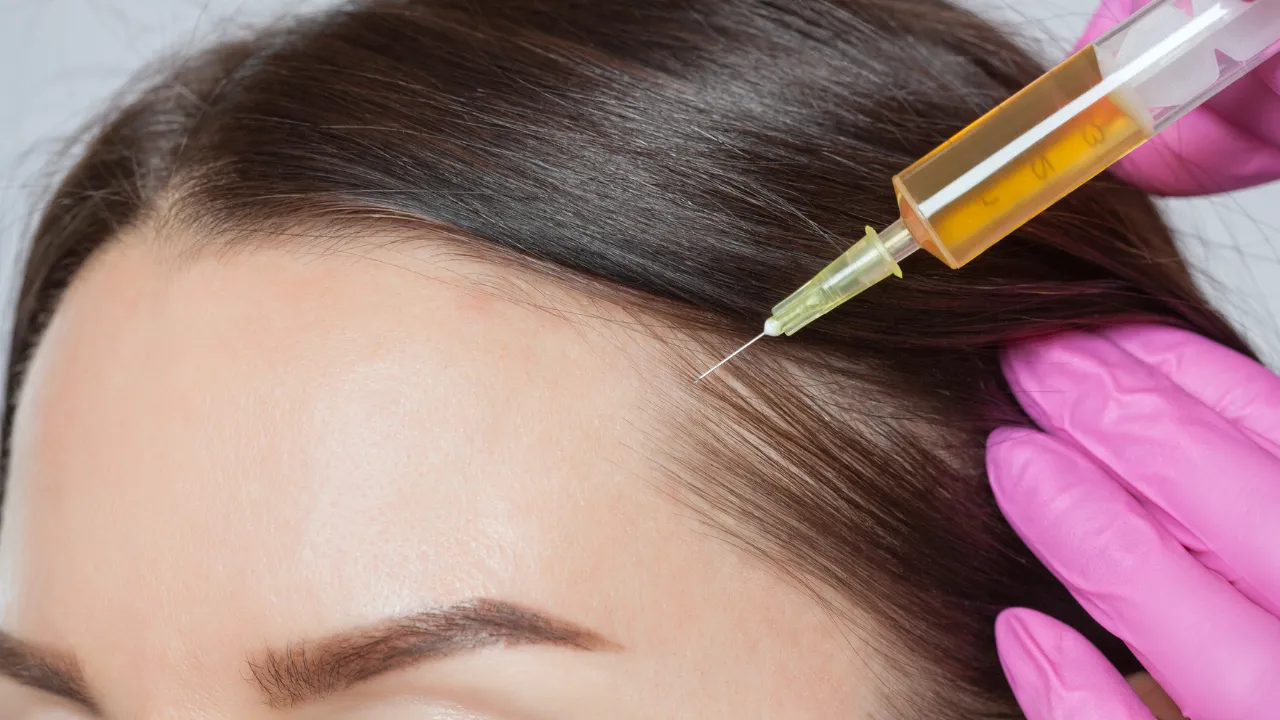
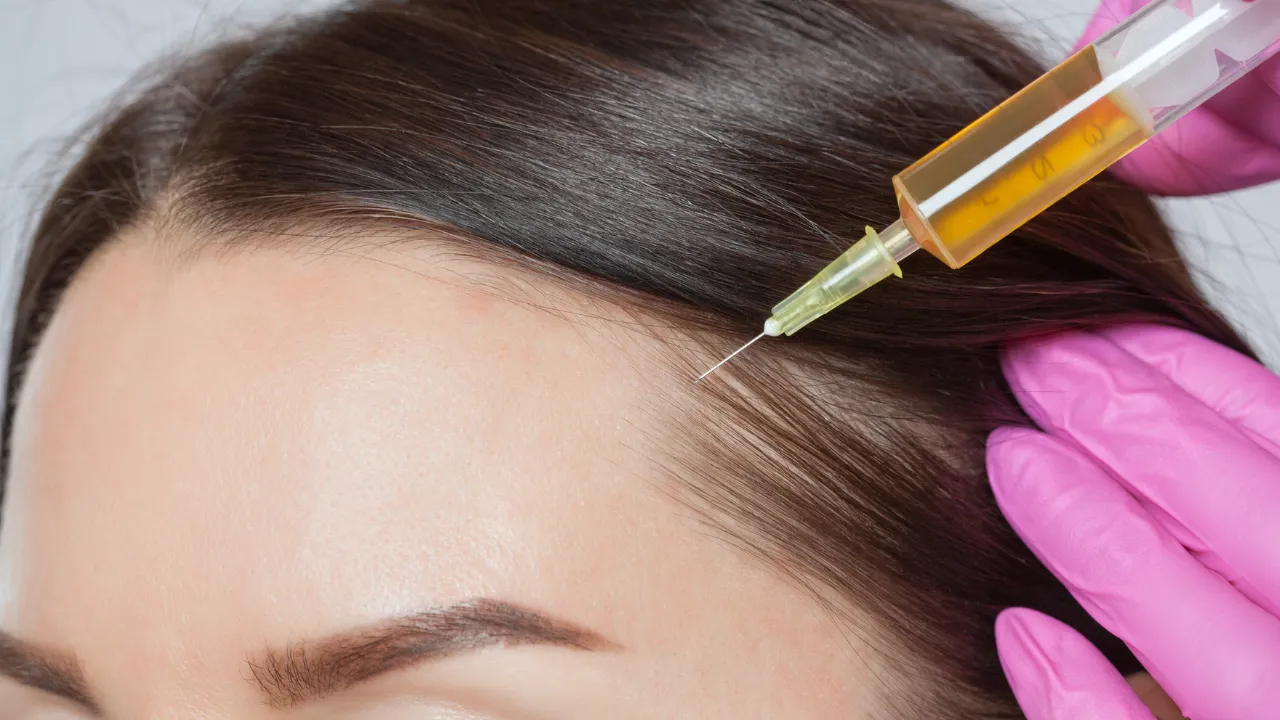
Most patients return to desk work within a few days and to exercise after about three weeks. Some surgeons recommend platelet-based hair restoration therapy as an adjunct intended to support the healing follicles, though its role is supportive rather than essential. Patience is the operative theme, since the meaningful change happens between months four and twelve.
Aftercare and Side Effects
Early aftercare focuses on protecting the grafts and managing swelling. A common side effect is post-procedure redness at the recipient zone, which fades over days to weeks. Gentle products such as aloe vera aftercare are sometimes used to soothe the scalp, always within the surgeon’s instructions.
Medication After Surgery
Surgery addresses existing loss but does not stop ongoing hair loss from progressing in the native hair around the grafts. For that reason, many surgeons discuss whether to continue medication, and the question of finasteride after surgery is a frequent point in follow-up. Decisions about medication belong with a physician who knows the patient’s history.
Hair Transplant Before and After Results
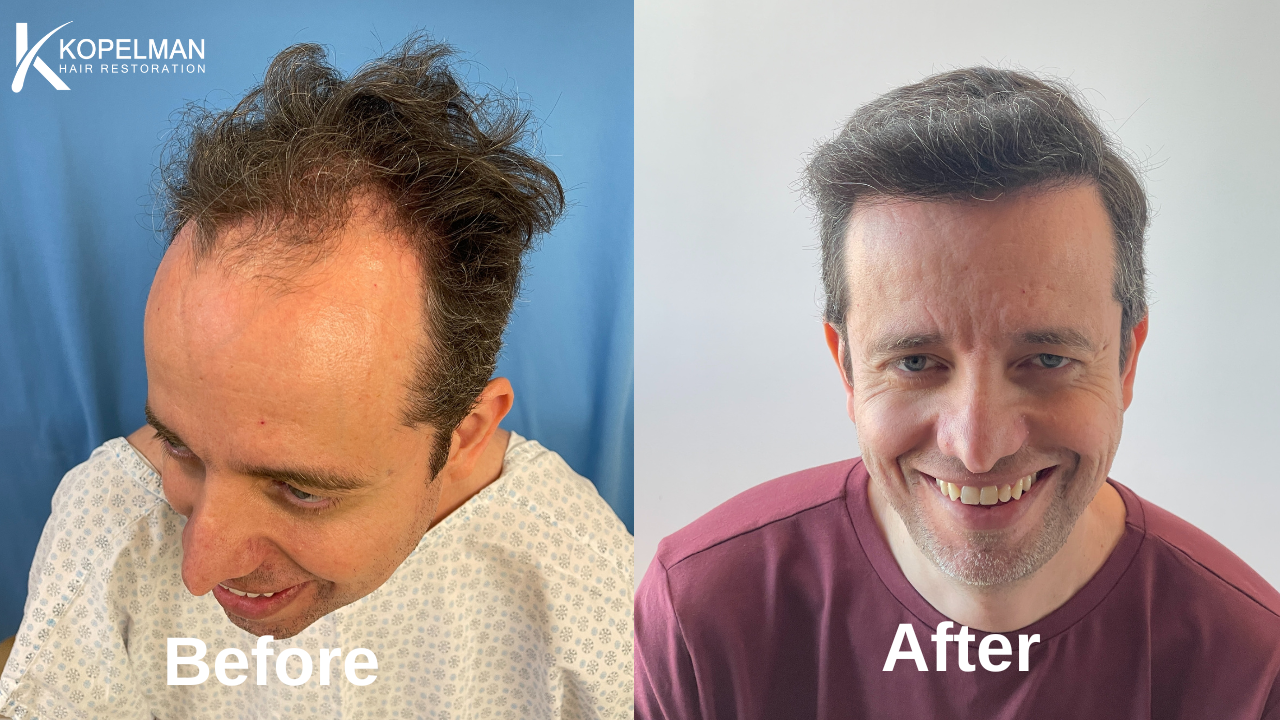
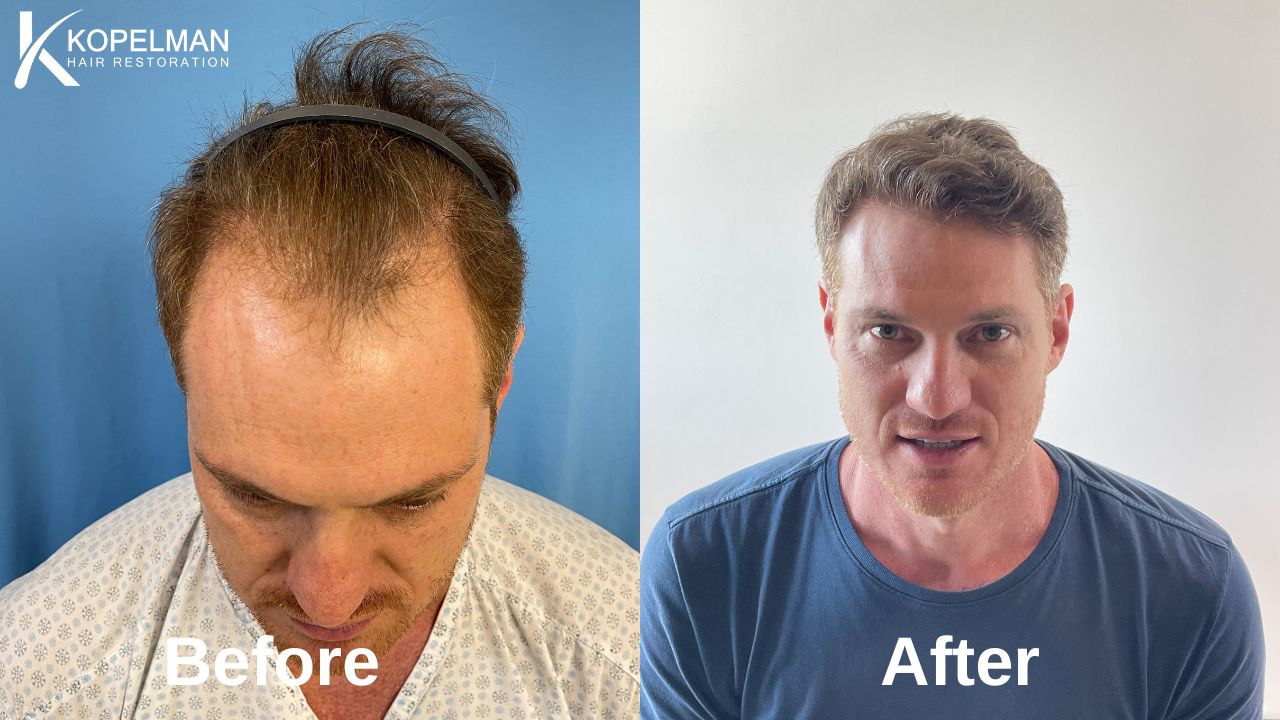
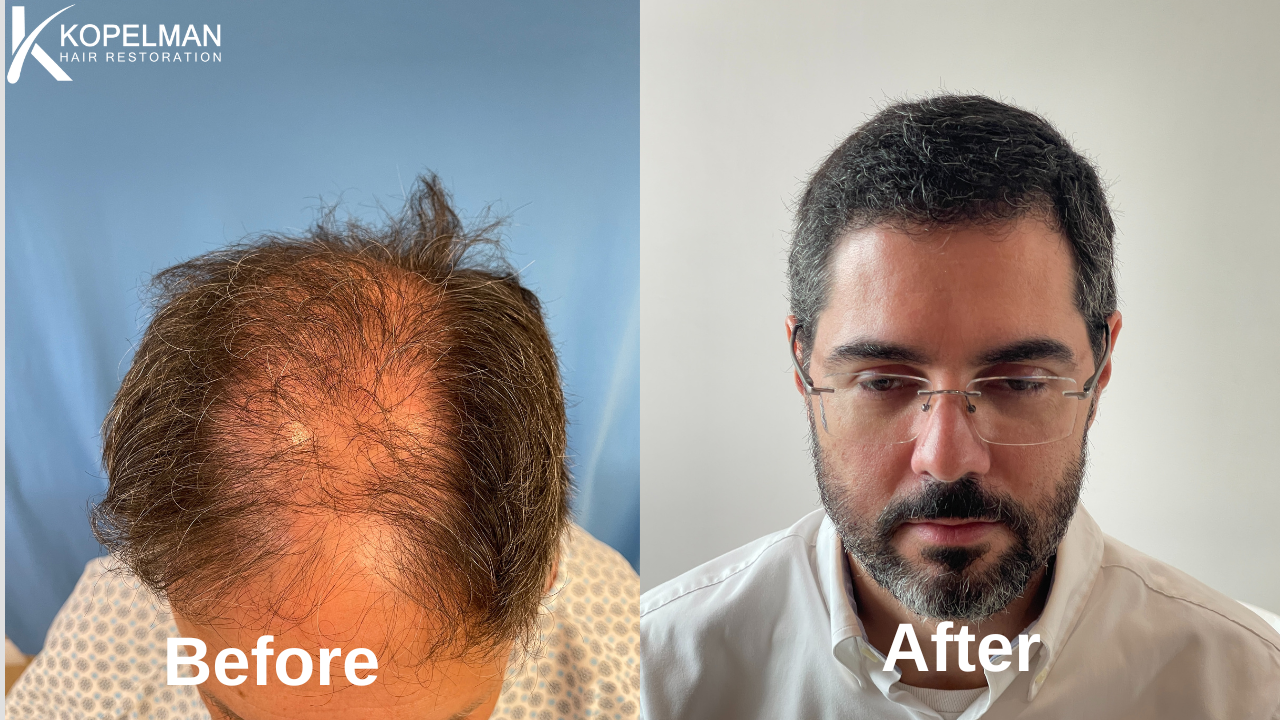
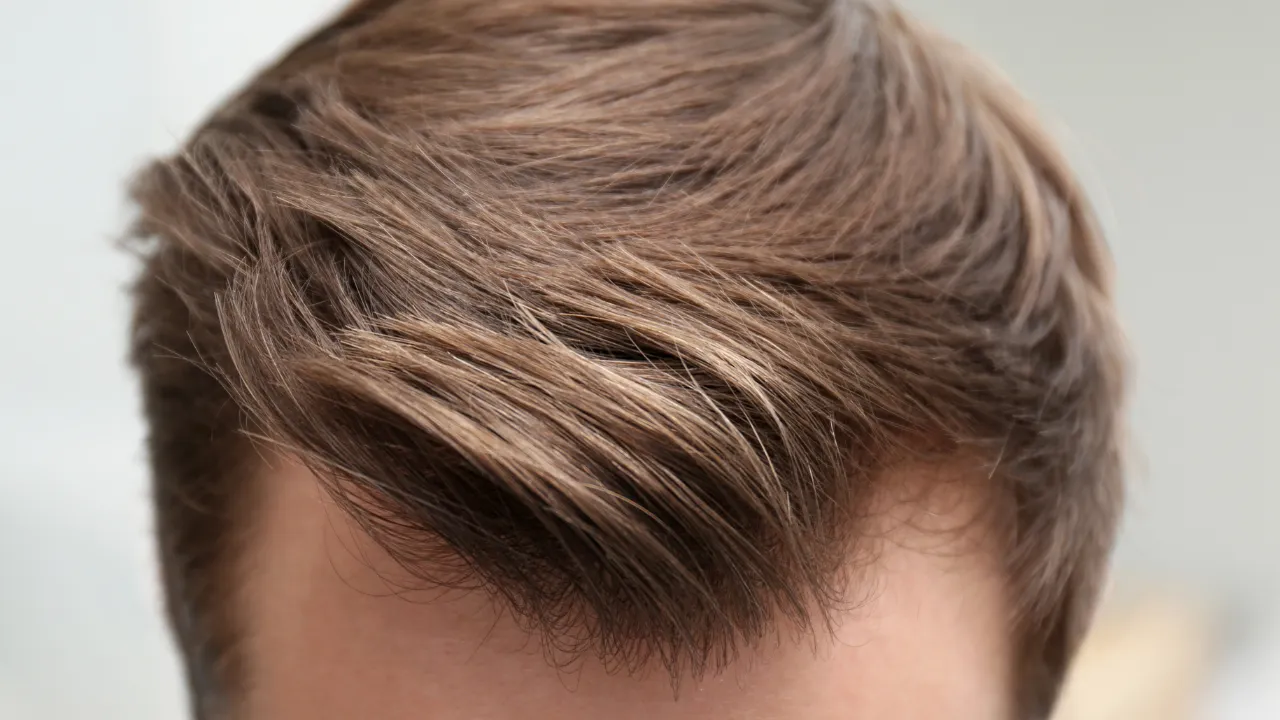
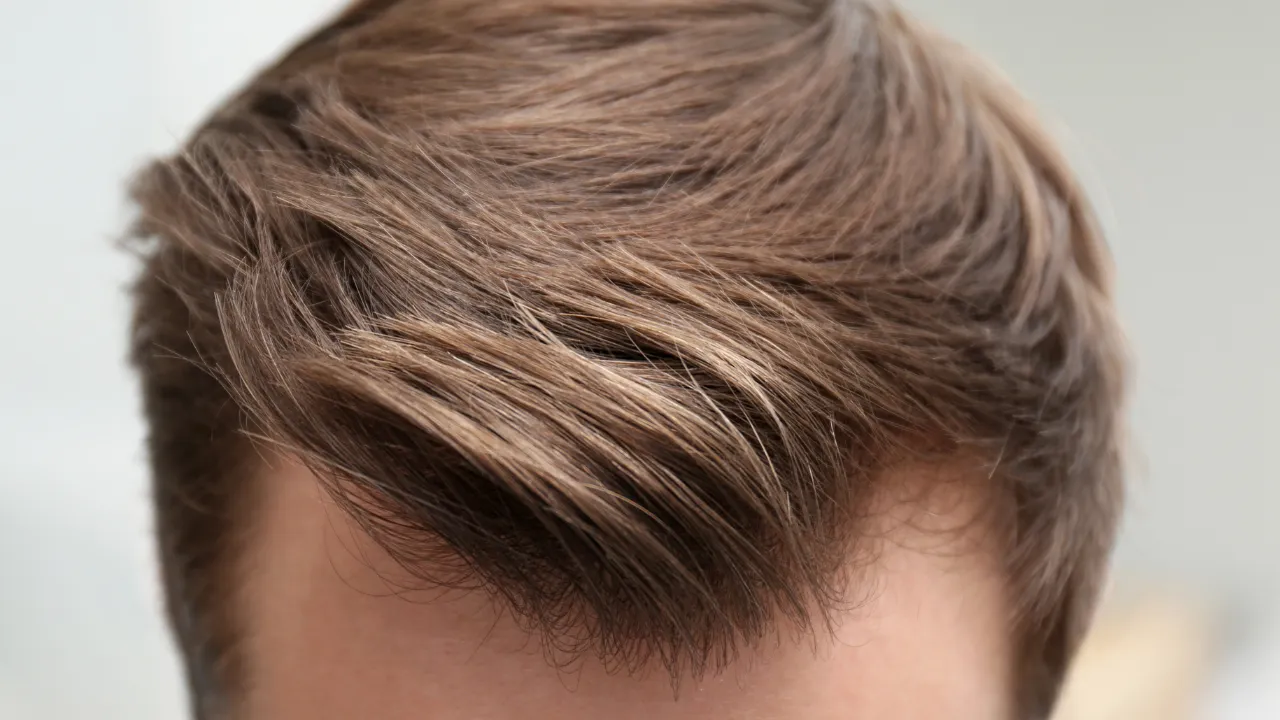
Visual proof helps set realistic expectations more than any description can. When patients review male hair transplant before and after comparisons, the useful ones span at least a full year, since earlier photos show an incomplete result.
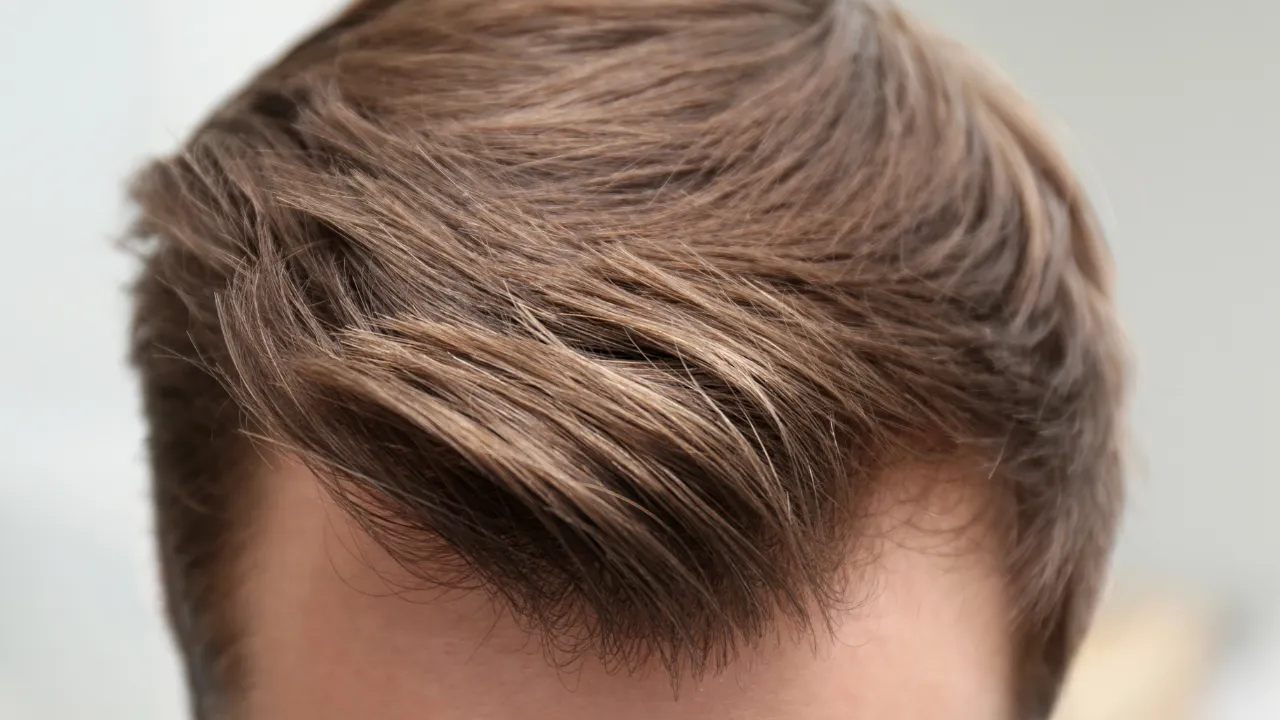
A well-executed natural hair transplant should be difficult to identify as surgical once mature, which is the real benchmark of success.
Celebrity Hair Transplants
Public figures offer a familiar reference point for what surgery can and cannot do. Documented cases, such as those collected in celebrity transplant results, show realistic transformations across hair types and ages. Broader coverage of celebrity hair restoration cases helps separate plausible outcomes from marketing claims.
Results Over Time
Because transplanted follicles are permanent, results hold for life, though surrounding native hair may continue to change. Looking at results after ten years shows how long-term planning during the design phase protects the appearance as natural loss progresses around the grafts.
Risks, Safety, and Success Rate
Hair restoration surgery is generally low-risk when performed by a qualified team, but it remains a medical procedure with real considerations. The table below outlines the most common risks and how they are typically managed. Patients concerned about procedure safety can review the evidence on how rare serious complications are.