
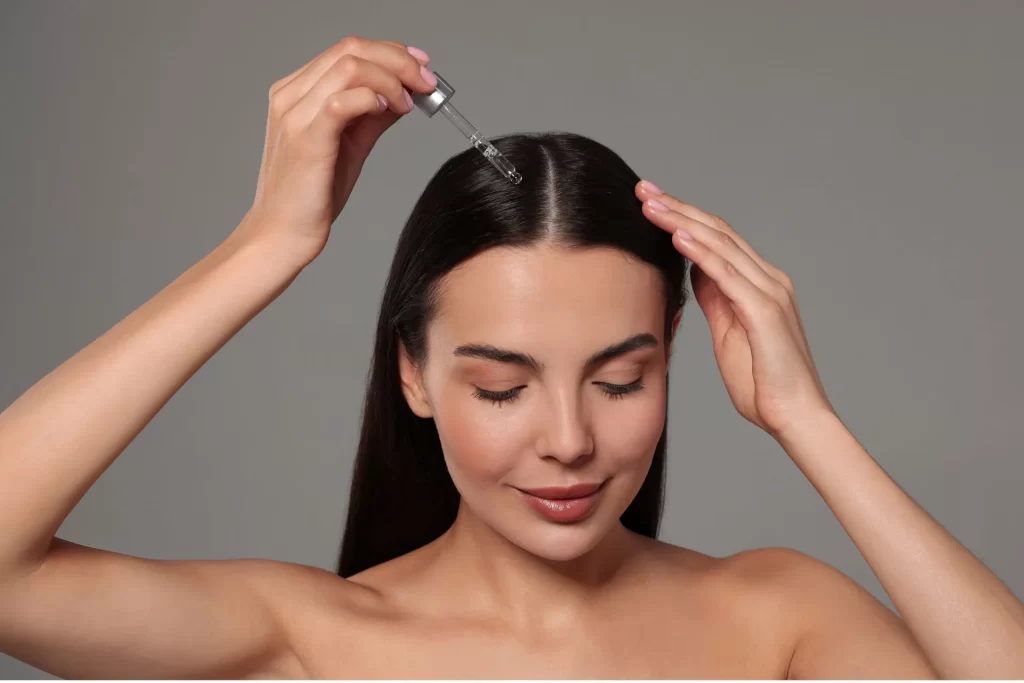
These oils work best when massaged regularly, which allows better absorption and improved blood flow. Results are gradual, but steady use can lead to stronger, less brittle strands over time. They are most effective as part of a broader routine focused on scalp care and overall hair health.
If you are wondering which oil to reach for first, this guide explains the most effective choices, how each one works, and how to fit them into your routine.
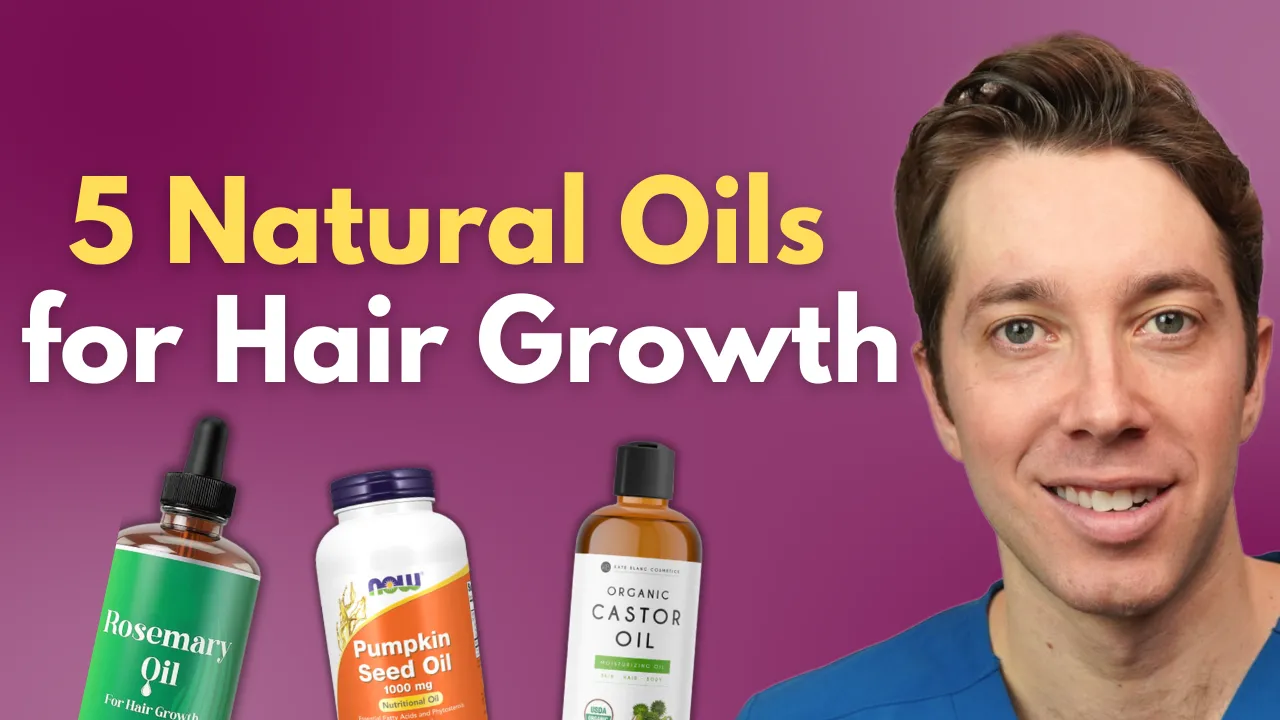
Do Oils Actually Regrow Hair? Myth vs. Reality
It helps to set expectations before you buy anything. No bottle of oil, natural or otherwise, will reverse genetic thinning or replace a clinically proven treatment. The visible improvement most people notice comes from less breakage and better length retention, not new follicles switching on.
What good oils for hair genuinely do is seal in moisture, protect the strand, and keep the scalp balanced so the strands you have stay put.
A few, like rosemary and pumpkin seed, have early research suggesting they may also influence the hormonal and circulatory factors tied to shedding. Used the right way, they support your results; they are not a standalone cure for pattern baldness.
Why Use Botanical Oils for Your Strands?
These oils offer multiple benefits across different hair types. They moisturize, strengthen, and nourish the shaft while promoting a healthier scalp, which is the real foundation for fuller strands. Here is why they are so effective:
- Improves Scalp Health: A plant oil can balance the scalp’s natural sebum production, adding hydration and reducing flakiness and dandruff. A healthy scalp supports stronger follicles.
- Strengthens the Shaft: Oils rich in fatty acids protect the strand, reducing breakage and split ends.
- Encourages Blood Circulation: Massaging the scalp can increase blood flow, helping deliver nutrients to the follicles.
You can also learn more about mixing batana oil with shampoo to enhance its absorption and scalp benefits.
What Hair Oil is Good for Hair Growth? Top Choices to Consider
Many oils are known for supporting healthier strands, each with unique benefits for different textures. If you are looking for the best oil for hair growth, the options below offer both scientific support and real-world results.
Coconut Oil
Coconut oil is a favorite for its ability to deeply penetrate the shaft, reducing protein loss and preventing breakage. Although it does not directly stimulate follicles, it is ideal for conditioning and strengthening from the inside out. Take a look at our recent article that covers coconut oil in greater detail.
- How It Helps: The fatty acids in coconut oil provide intense hydration, preventing breakage and creating a healthier foundation for new length.
- How to Use: Apply to dry strands and scalp, leave on for 30 minutes, and rinse. For deep conditioning, leave it on overnight and wash it in the morning.
Argan Oil
Argan oil, often called “liquid gold,” is rich in antioxidants, vitamins, and essential fatty acids that improve shine and strength. It is gentle and lightweight, making it suitable for all hair types. Like most oils, it does not directly stop shedding.
- How It Helps: Argan oil moisturizes and strengthens strands, adding shine and preventing split ends. It may also protect against damage from heat styling and UV exposure, which can lead to breakage. Less breakage can help strands appear thicker over time.
- How to Use: Apply a few drops to damp or dry strands, focusing on the ends, or massage into the scalp to reduce dryness and improve texture.
Pumpkin Seed Oil
Pumpkin seed oil is high in essential fatty acids, zinc, and vitamins E and K, all of which support scalp and strand health. Studies suggest it can reduce shedding and aid regrowth.
- How It Helps: One standout benefit of pumpkin seed oil is its potential to inhibit DHT (dihydrotestosterone), a hormone linked to thinning, especially in androgenetic alopecia. Its anti-inflammatory properties can also improve scalp circulation, delivering more oxygen and nutrients to the follicles.
- How to Use: Apply a few drops to the scalp and massage in. Leave on for 20 minutes, then rinse.
Jojoba Oil
Jojoba is a fantastic carrier oil for mixing with essential oils, since it closely resembles the scalp’s natural sebum. It is lightweight and moisturizes both scalp and strands without a greasy finish. Keep in mind it does not directly prevent or reverse thinning.
- How It Helps: Because jojoba mirrors sebum, it helps balance oil production, which benefits both dry and oily scalps. A balanced scalp reduces dandruff and flakiness. Jojoba is also rich in vitamin E, B-complex vitamins, and zinc, which nourish the scalp and follicles. Better-hydrated follicles are more resilient and shed less from dryness.
- How to Use: Apply a few drops directly to the scalp or mix with essential oils, such as rosemary, for a strengthening treatment.
Olive Oil
Olive oil is rich in antioxidants and vitamins A and E, which can protect strands from damage and improve elasticity. It is ideal for thicker or coarse textures that need extra moisture. While it supports scalp health and strength, it may not address the root causes of severe shedding, such as hormonal imbalances, genetics, or medical conditions.
- How It Helps: Olive oil is an excellent natural moisturizer, rich in fatty acids that penetrate the shaft to hydrate and condition. This reduces breakage and split ends, contributing to fuller-looking strands. Some evidence, though still limited, suggests it may inhibit DHT, which could help slow thinning and support retention.
- How to Use: Massage into scalp and strands, leave on for 20 to 30 minutes, and rinse thoroughly.
Almond Oil
Almond oil is rich in vitamins, including B7 (biotin), which is known to strengthen strands and promote length. It is also high in magnesium, which reduces breakage and enhances shine. While it offers several benefits for scalp health and strength, it may not directly address the underlying causes of shedding.
- How It Helps: Almond oil is a natural emollient that seals in moisture and prevents dryness. This makes strands softer, more manageable, and less prone to breakage. Its anti-inflammatory properties can also soothe the scalp, which may help with conditions like dandruff or seborrheic dermatitis that contribute to thinning.
- How to Use: Apply a small amount to damp strands or mix with a carrier oil for a nutrient-packed scalp treatment.
Essential Oils for Stronger Strands
In addition to carrier oils, essential oils can support healthier strands when used in small amounts mixed with a base oil. Here are some of the most effective.
Rosemary Oil
Rosemary oil is known for improving scalp circulation, which may support new length. A study found it to be as effective as 2% minoxidil in addressing male pattern baldness. That said, this dose is often not enough to produce dramatic results on its own.
- How to Use: Mix 3 to 5 drops of rosemary oil with a carrier like jojoba or coconut, and massage into your scalp. Leave on for 20 to 30 minutes before rinsing. It is best used consistently, since visible results tend to take a few months.
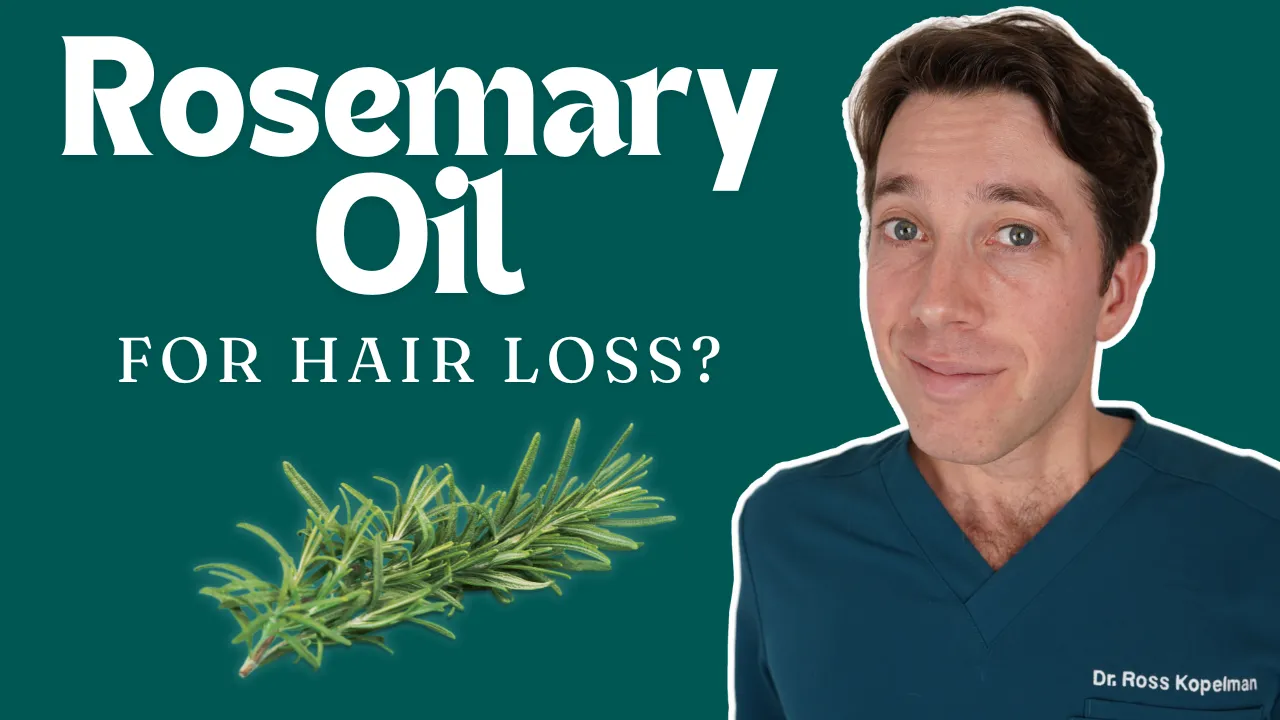
Check out our video on how Rosemary Oil can help:
Tea Tree Oil
Tea tree oil has antifungal and antibacterial properties, making it ideal for cleansing the scalp and creating a healthy environment for strands. While it may not directly stimulate the follicles, it can address several scalp issues that contribute to thinning.
- How It Helps: Its antibacterial and antifungal action helps clear impurities and prevent dandruff and scalp infections. Its anti-inflammatory effects soothe an irritated scalp. Conditions like dandruff, seborrheic dermatitis, and folliculitis can lead to thinning, so keeping the scalp calm and balanced may reduce shedding.
- How to Use: Add a few drops to a base oil, such as olive or jojoba, and massage into the scalp. Leave on for 10 to 15 minutes, then rinse.
While oils play a strong role, nutrition matters too. If you are looking to grow a fuller beard or mustache, explore the best foods to support your mustache and facial hair growth from the inside out.
Don’t Forget to Review How Other Oils for Hair Growth Can Help You!
-> Coconut Oil for Hair Growth
-> Castor Oil for Beard Growth
How to Apply Oils for Best Results
- Pre-Wash Treatment: Applying oil before shampooing can reduce protein loss and protect strands during washing.
- Scalp Massage: Massage your chosen oil into the scalp for 5 to 10 minutes to stimulate blood flow. This is most beneficial when done several times a week.
- Leave-In Conditioner: Lighter oils, like argan or almond, can be used as a leave-in treatment for added shine and moisture.
- Overnight Mask: For deep conditioning, apply to scalp and strands, cover with a shower cap, and leave on overnight. Wash it out in the morning.
How Often Should You Apply Them?
For the best results, use these oils 2 to 3 times a week, depending on your texture. Fine strands may need fewer frequent applications to avoid being weighed down. Coarse or thick textures can handle more frequent use to stay moisturized and strong.
Which Oil Suits Your Hair Type?
- Fine or Thin Strands: Opt for lightweight options like jojoba or almond, which will not weigh you down.
- Thick or Coarse Strands: Heavier choices, such as coconut or olive, provide the intense moisture and conditioning coarse textures need.
- Oily Scalp: Jojoba is excellent for balancing natural sebum without clogging pores.
- Dry Scalp: Try coconut or olive oil, which provide hydration and help with flakiness.
Can Oils Help With Baldness?
If you are dealing with thinning patches, certain oils can stimulate the scalp and create better conditions for regrowth in those areas. Rosemary is known for properties that support retention and can be helpful for people experiencing shedding.
To target specific areas, consider combining essential oils with carrier oils to maximize scalp stimulation and nourishment.
Choosing the Best Oil for Hair Loss and Regrowth
Picking the right oil for hair loss and regrowth can make a real difference in strength, condition, and length. From coconut and argan to jojoba, each one offers unique benefits suited to different textures. Regular application, combined with scalp massage, helps improve strength, reduce breakage, and create a healthier environment for your follicles.
Whether your goal is shine, strength, or slowing shedding, botanical oils are a natural, effective addition to your routine. Adjust the frequency and type to suit your needs, and enjoy the benefits of these nourishing oils as part of your regular regimen.
Check out our recent article on Hair Growth Oil for Men to learn about how it may benefit your facial hair.
For those seeking a more targeted solution to hair loss, consider speaking with Dr. Kopelman. This father-son team brings over 35 years of combined experience in hair restoration and specializes in personalized treatments for each client. Dr. Kopelman’s expertise can help you find the right solution tailored to your unique needs.
Schedule a consultation today to explore your options and take the first step towards achieving your hair goals.
Frequently Asked Questions
Do oils actually make hair grow, or just help with retention?
Mostly retention. Oils seal in moisture, reduce breakage, and keep the scalp balanced, so you hold on to the length you already grow. The fuller look most people see comes from less shedding and stronger strands, not new follicles being created.
What is the best oil for hair growth if I only buy one?
Rosemary is the strongest single choice for most people, since it is the one with research comparing it to 2% minoxidil. Mix a few drops with a carrier like jojoba or coconut, massage it in, and use it consistently for a few months before judging results.
How long before I see results?
Give any oil routine at least 60 to 90 days of consistent use. Strand turnover and retention are slow processes, so changes in thickness and shedding show up gradually rather than overnight.
Can the wrong oil make thinning worse?
Over-applying heavy oils can lead to buildup that clogs the scalp, which is counterproductive if you are not cleansing properly. Use small amounts, match the oil to your texture, and wash regularly to keep the scalp clear.
Are these oils enough for genetic or pattern baldness?
Lorem ipsum dolor sit amet, consectetur adipiscing elit. Ut elit tellus, luctus nec ullamcorper mattis, pulvinar dapibus leo.
Which oils are best for a dry, flaky scalp?
Jojoba and coconut are good starting points, since jojoba balances sebum and coconut adds lasting hydration. Tea tree can help if dandruff or irritation is part of the problem, thanks to its antifungal properties.