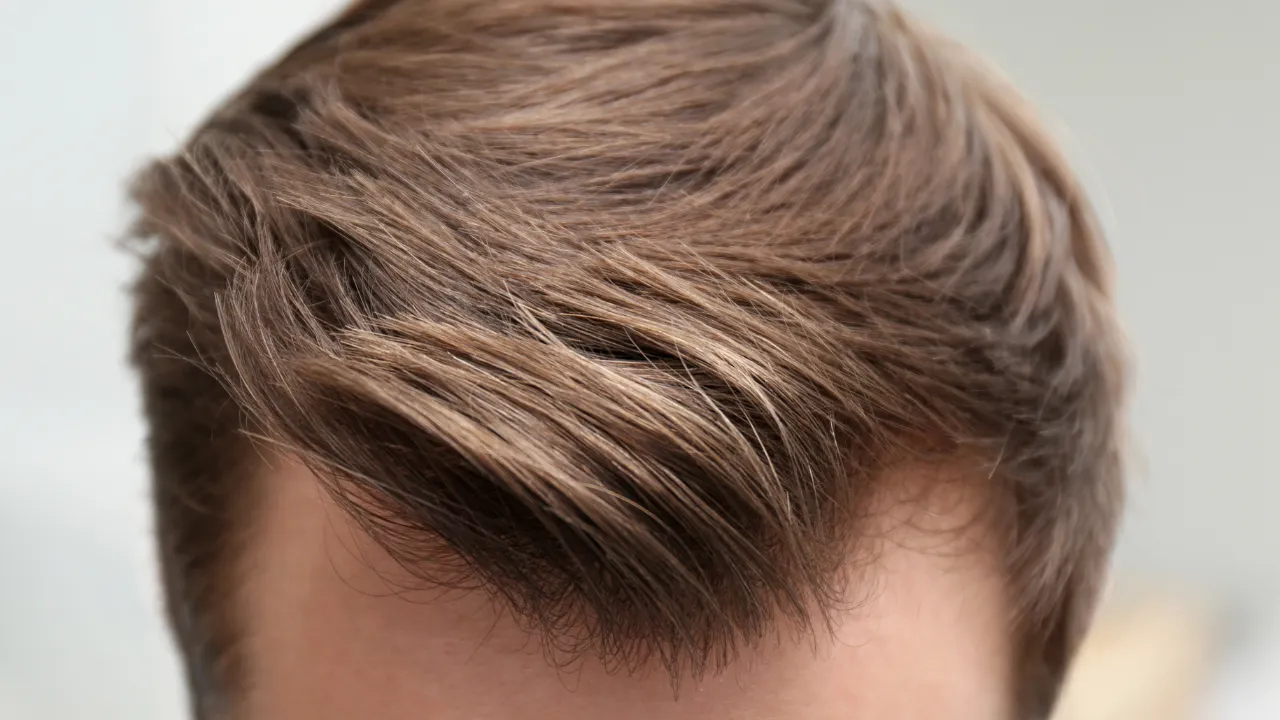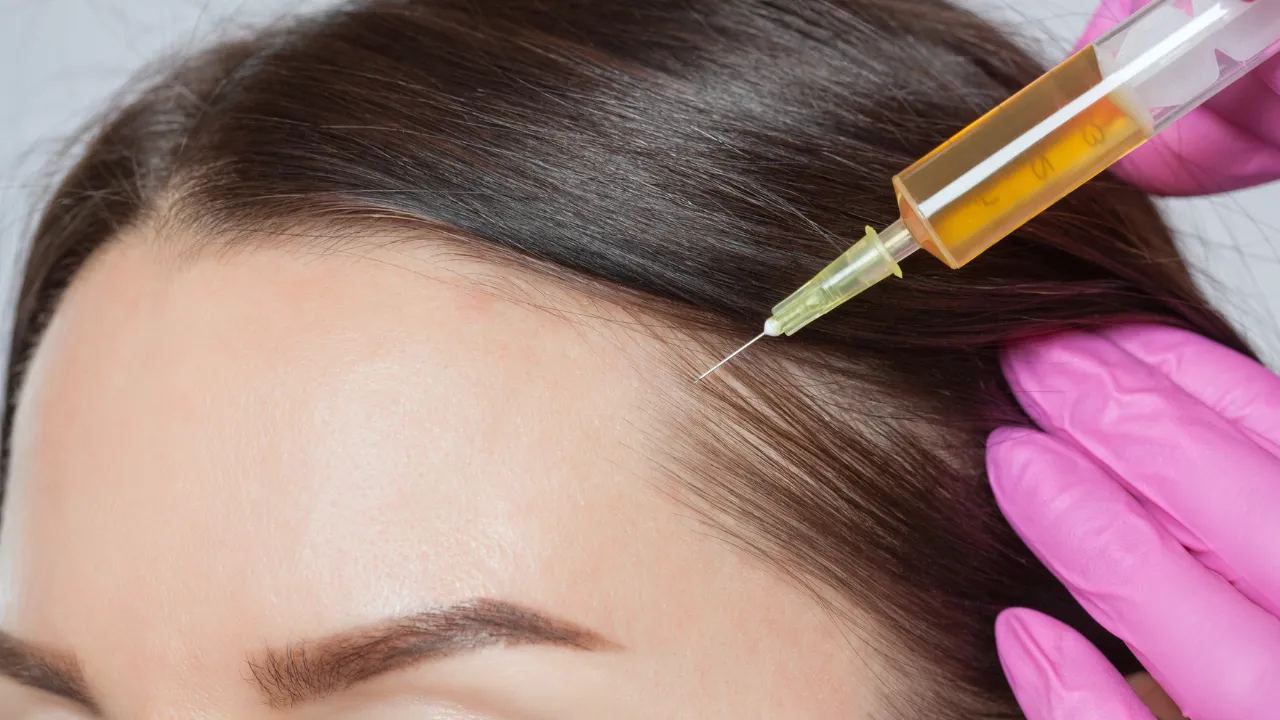


The broader lesson is not in dispute. Early diagnosis, a consistent routine, scalp care, and smart styling can meaningfully improve appearance. Lighting, haircut, fibers, and product choice can also make strands look denser on camera.
Is it the result of a hair transplant, or did he pull this off with only hair restoration products? Let’s look at what the record actually shows.
What Did Matthew McConaughey Use to Regrow His Hair?
The Beginning of Matthew McConaughey’s Thinning Crown
At the height of his career in the late 1990s, McConaughey noticed troubling signs of hair loss. By the time he starred in The Wedding Planner, the balding was evident, and it seemed like McConaughey’s famous hair might not survive the years ahead.
Rather than resigning himself to balding, McConaughey took action. He started applying a topical ointment, a product called Regenix, to his scalp once a day. According to McConaughey, this simple yet consistent routine was the foundation of his hair regrowth journey. However, Regenix’s efficacy remains in question.
Debunking the Hair Transplant Rumors
As his coverage began to recover, whispers of a Matthew McConaughey hair transplant began to circulate. Many believed that such a dramatic change couldn’t possibly be natural. However, McConaughey has adamantly denied undergoing any surgical procedure, including plugs or grafting.
In an interview with LADbible, he explained that the change came down to Regenix and his commitment to scalp care. He recalled an encounter with a Beverly Hills doctor who examined his scalp and confirmed the follicles were natural, showing no signs of surgical intervention.
“The doctor literally called my hair follicles ‘spot on,'” McConaughey joked during the interview.
Fully Committing to the Process
What sets McConaughey apart is his commitment. “You’ve got to fully commit to the process,” he explained. For him, that meant religiously applying Regenix, avoiding shortcuts, and trusting the routine.
That commitment turned his once-thinning crown into a strong, healthy hairline. Fans who once speculated about Matthew McConaughey hair loss couldn’t help but marvel at the transformation. The baseball-sized bald spot was gone, replaced by near-full coverage.
The Role of Regenix in Hair Growth
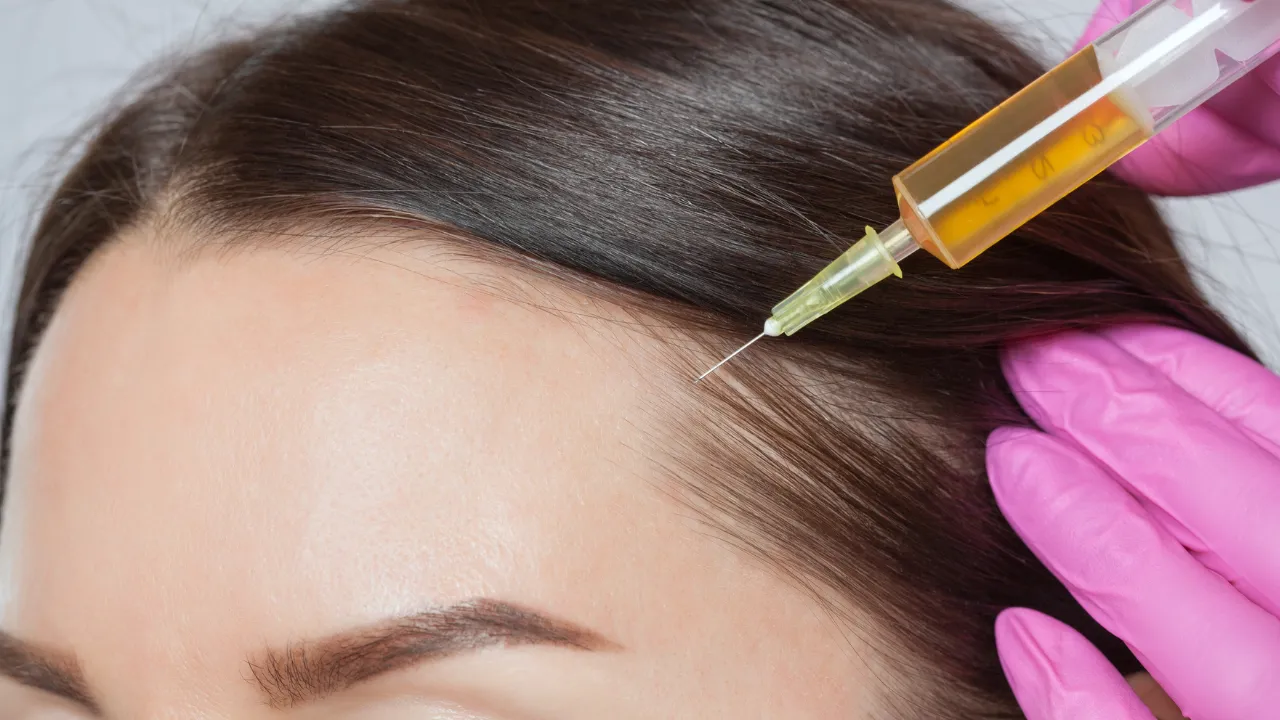
Central to McConaughey’s story is his faith in Regenix, a non-surgical treatment designed to stimulate growth. The Matthew McConaughey hair product targets scalp health and works to keep follicles active.
No clinical studies are available for Regenix as a system, only scarce and anecdotal data about the ingredients in the formulas. Reporting on the brand also notes it targets thinning rather than advanced balding, and that physicians generally do not recommend it.
While some of those ingredients may show promise, the formulation itself has no published data to confirm whether they deliver benefits. Cost is a further consideration, since the regimen is an ongoing expense rather than a one-time purchase.
“It’s about finding what works for you and sticking with it,” McConaughey said, naming Regenix as what worked for him.

Matthew McConaughey hair plugs
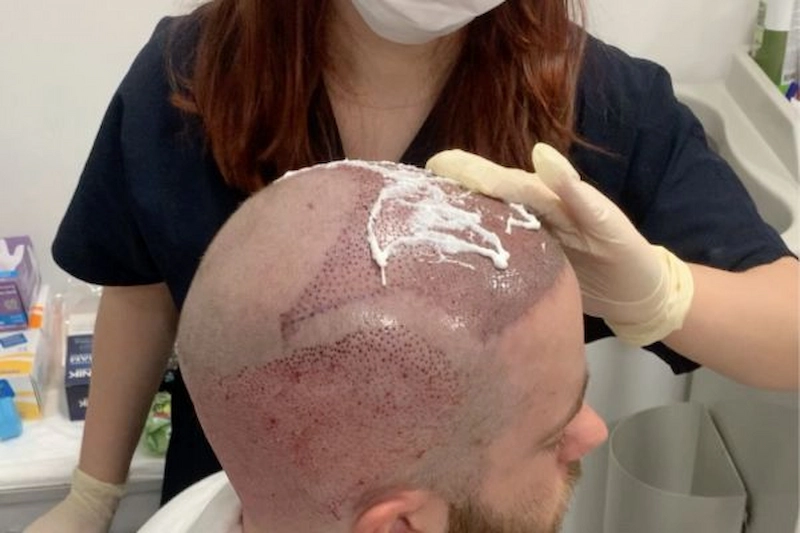
Despite his denial of surgical procedures, rumors persist. Fans and experts argue that the actor’s thick, full coverage looks remarkably similar to results achieved through advanced grafting techniques.
Still, McConaughey has remained consistent in his account, attributing the outcome to Regenix, early intervention, and good genetics.
Regenix vs. Nutrafol, Peptonix, and Halo Grow
Regenix isn’t the only consumer brand marketed for thinning, and readers often compare it with Nutrafol, Peptonix, and Halo Grow. All four occupy the same shelf: non-prescription, marketed direct to consumers, and sold on sustained use.
The useful distinction is evidence quality, not marketing. Nutrafol has published company-sponsored trials on its supplement formulas, while Peptonix and Halo Grow rest largely on user reviews and ingredient-level reasoning rather than product-level trials.
None of these carry FDA approval for androgenetic alopecia. That is not the same as saying they do nothing; it means the burden of proof sits lower than it does for approved options.
Matthew McConaughey Hair Before and After
Comparing images across eras tells the story more clearly than any interview. Around the turn of the millennium, photographs show visible scalp through the crown and a receding frontal line.
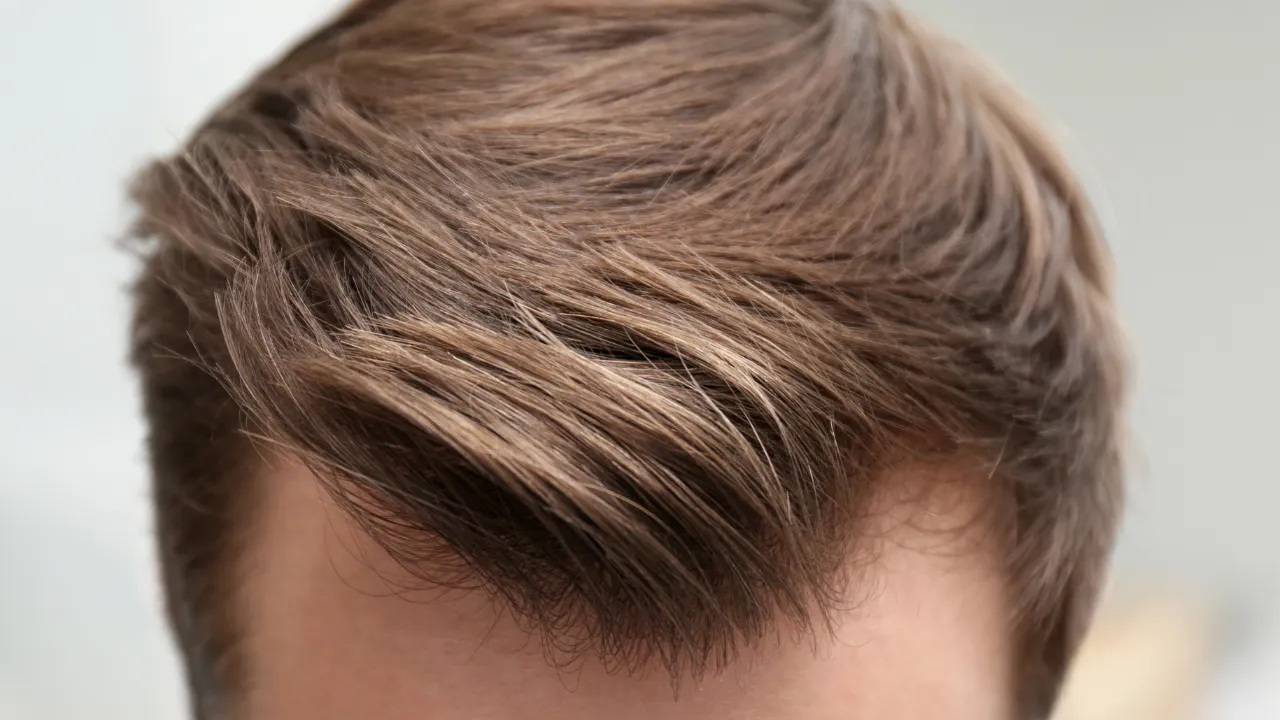
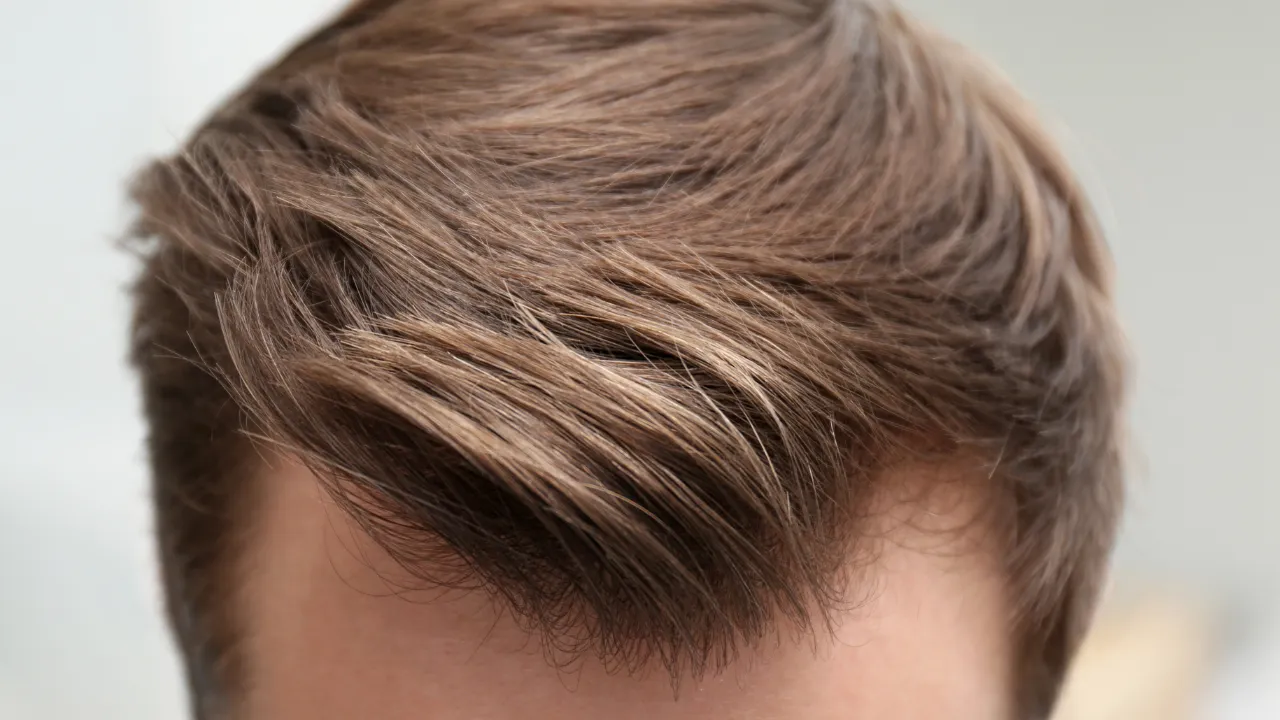
By the 2010s, and in images like the 2020 photo above, the crown reads as filled in, and the hairline sits lower and denser. The texture is also different, styled with more length and volume, which adds perceived thickness.
Part of a Matthew McConaughey hair before-and-after comparison reflects genuine regrowth, and part reflects a haircut chosen to flatter his density.
Would Matthew McConaughey’s Hair Treatment Work for You?
Probably not in the same way. Every scalp responds differently, and his results are not typical.
Regenix is positioned for thinning, not for someone already losing coverage at the scale he described. His own account also credits genetics, which no topical can supply.
Three factors predict whether a non-surgical route is realistic for you:
- Stage. Miniaturizing follicles can often be supported. Follicles already gone cannot be revived by any topical.
- Timeline. He started early and stayed consistent for twenty years. Results typically take four to six months to become visible and reverse if treatment stops.
- Diagnosis. Androgenetic alopecia, telogen effluvium, and scarring alopecia respond to completely different treatments.
That is the step McConaughey’s story skips. He found something that worked for his situation; knowing your own situation comes first.
Treatment Options With Stronger Evidence
McConaughey’s experience offers a real lesson in acting early, but a regimen with published evidence is a better starting point than one without.
Two medications are FDA-approved for pattern baldness in men. Topical minoxidil, sold as Rogaine, extends the follicle’s growth phase. Finasteride, sold as Propecia, works as a DHT blocker by reducing the hormone that drives follicle miniaturization.
Dutasteride blocks DHT more broadly than finasteride and is prescribed off-label in some cases. Each has its own side-effect profile, which is a conversation for a physician, not a blog.
Red light therapy for hair loss, delivered through low-level laser caps and combs, has FDA clearance as a device and a growing evidence base as an adjunct. It works best alongside medication, not instead of it.
For people exploring surgical options, modern restoration today also includes facial procedures, such as eyebrow restoration in NYC, performed by specialists experienced in natural placement.
Did Matthew McConaughey Wear a Hair System?
Some skeptics suggest another possibility: a hair system commonly known as a wig. High-quality modern systems can mimic natural growth closely enough to be nearly undetectable in photographs.
No concrete evidence supports this theory, and McConaughey has never acknowledged it. It remains speculation, not documented fact.
Your Hair Restoration Journey
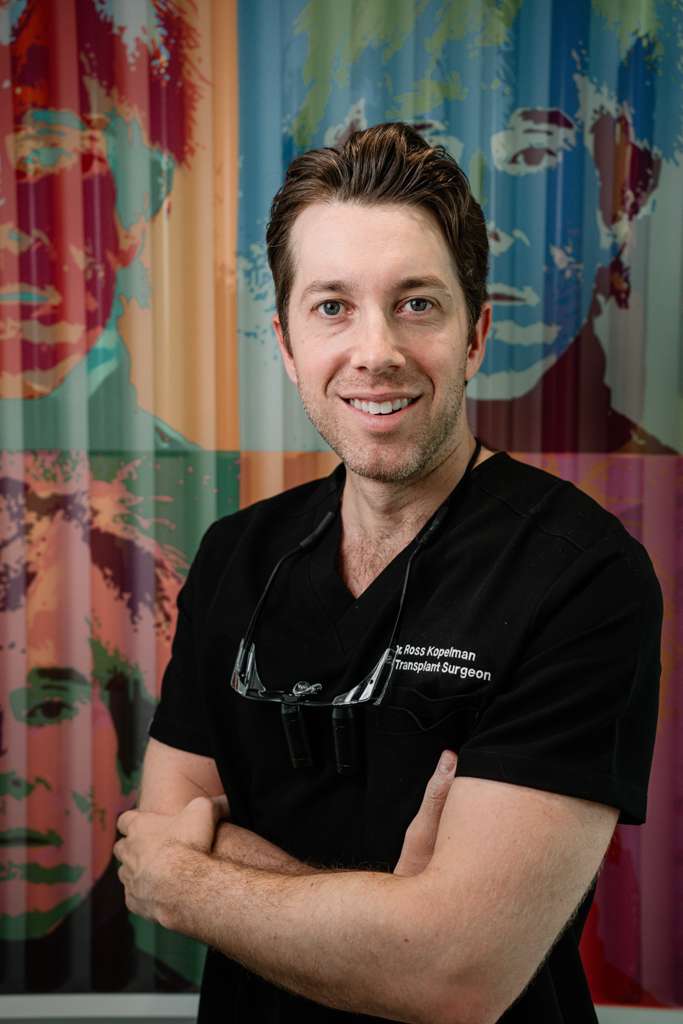
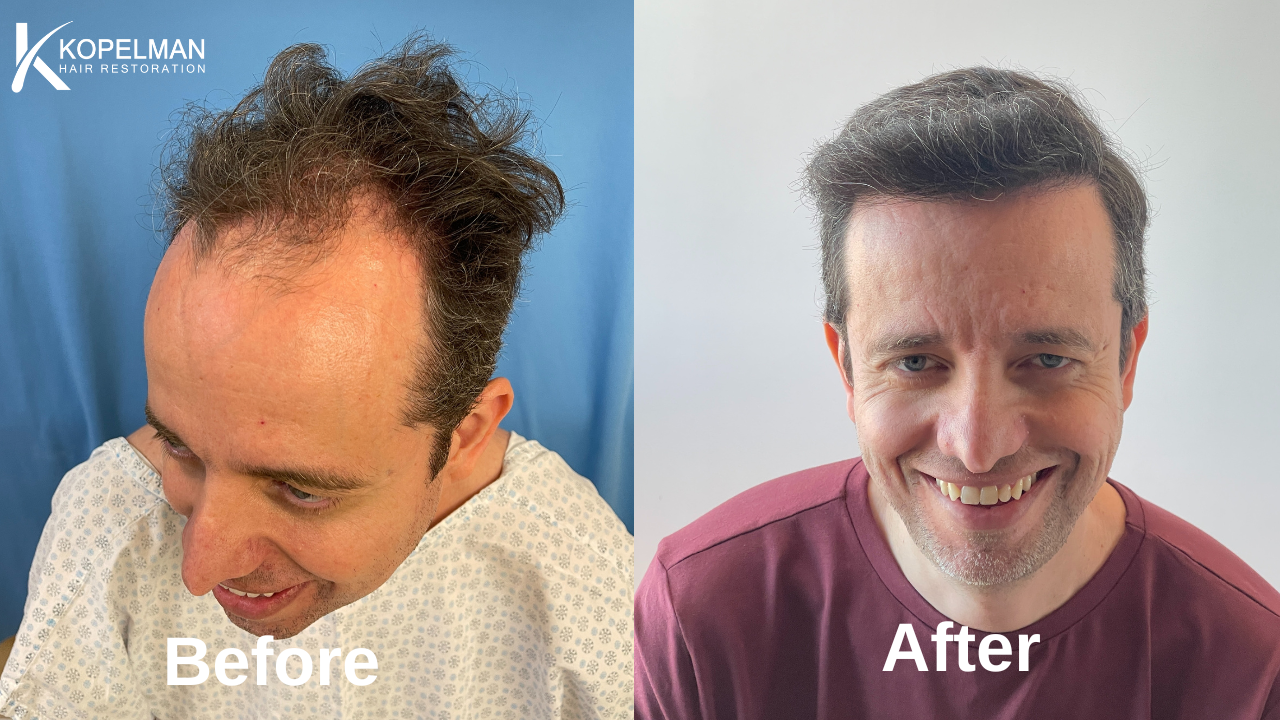
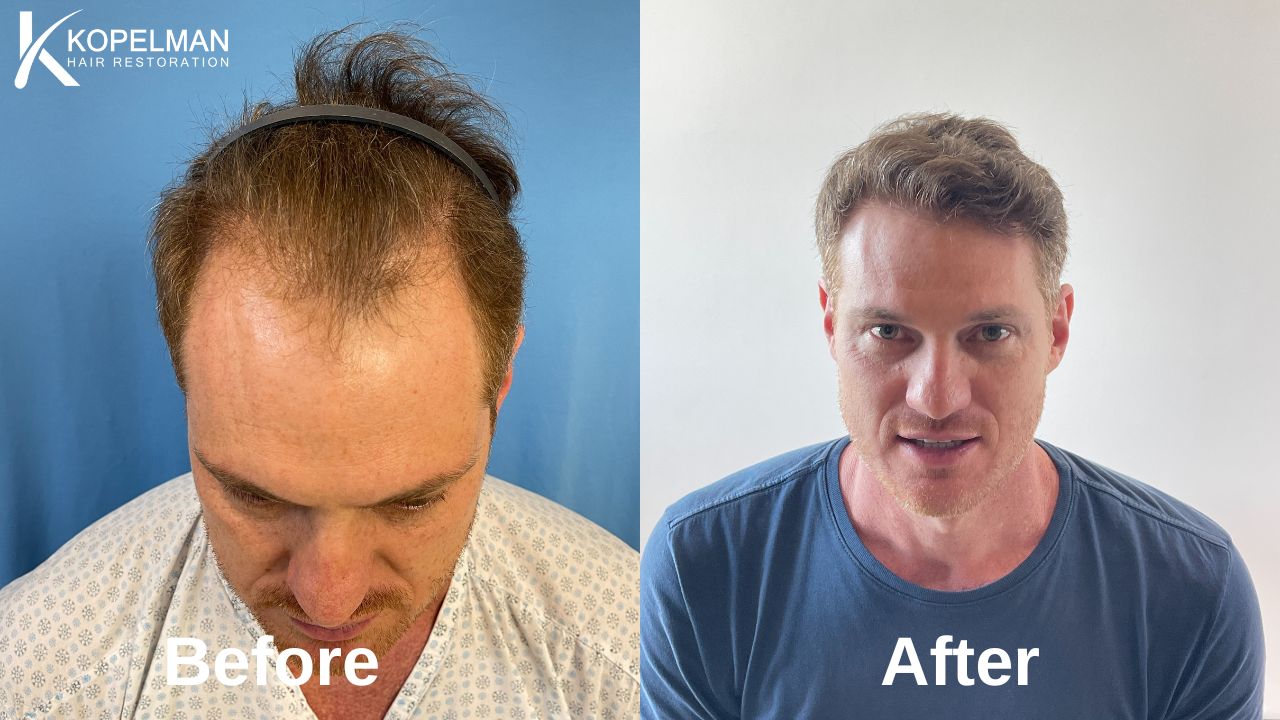
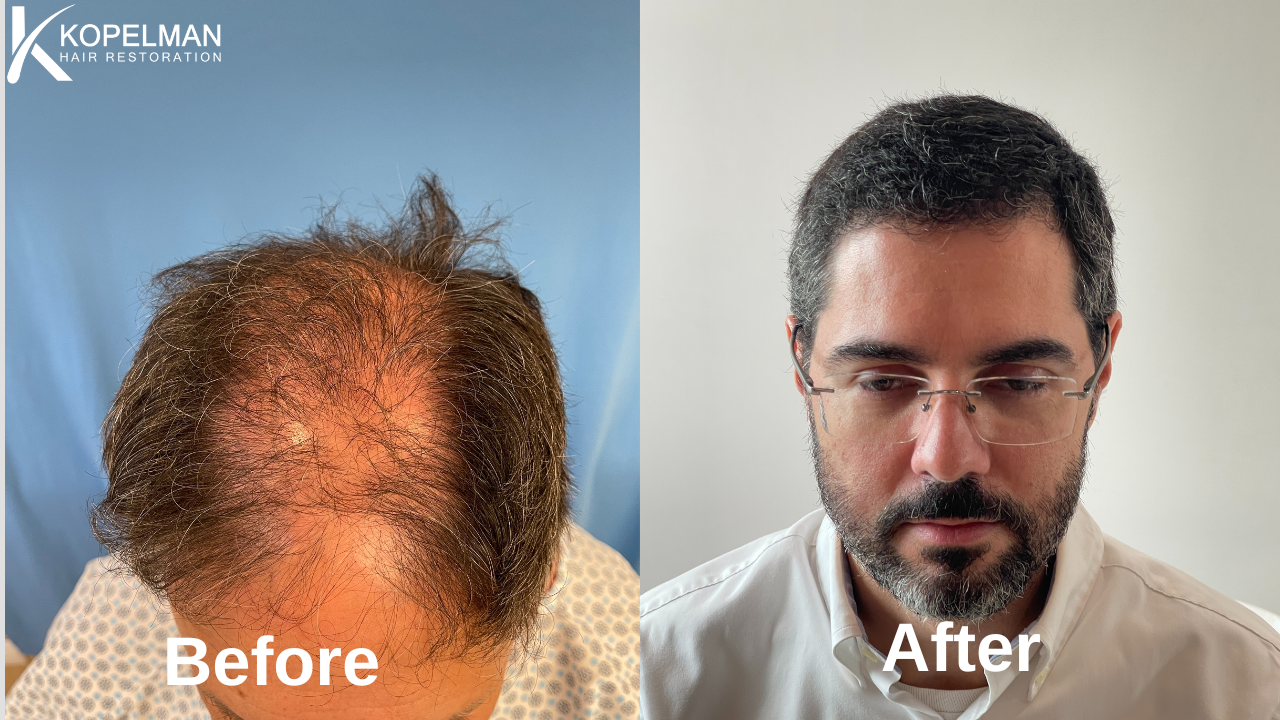
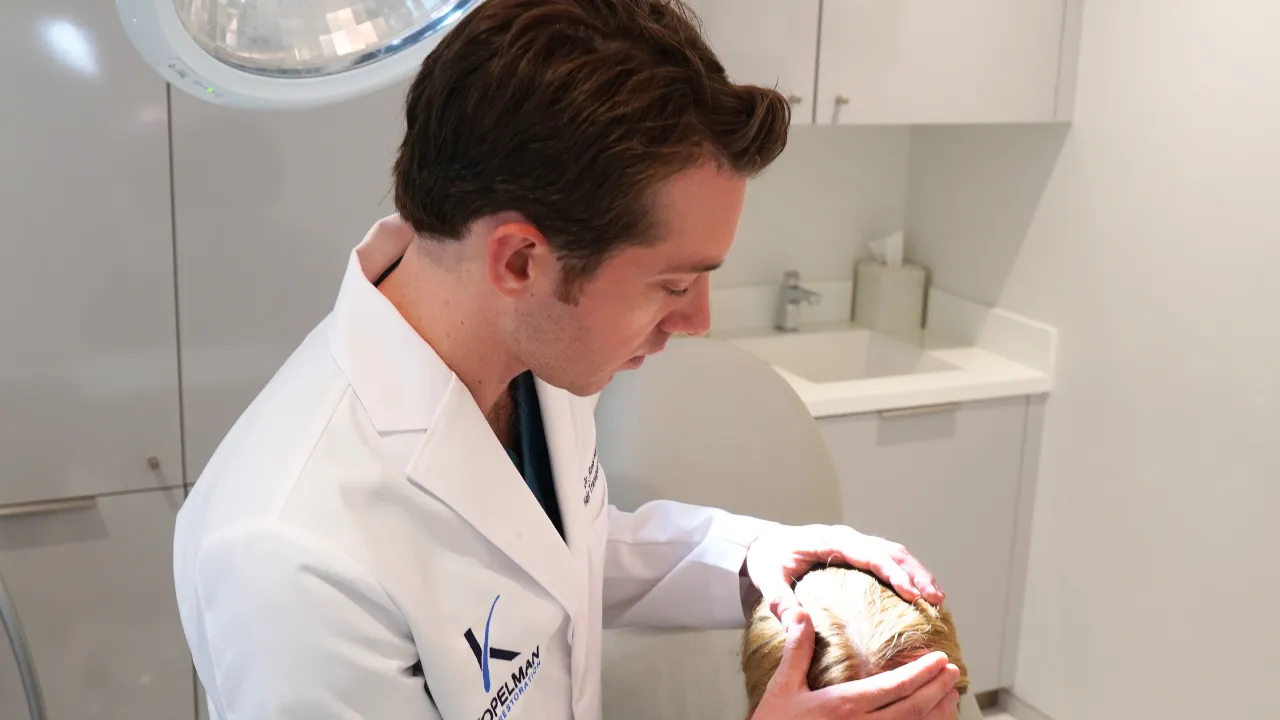
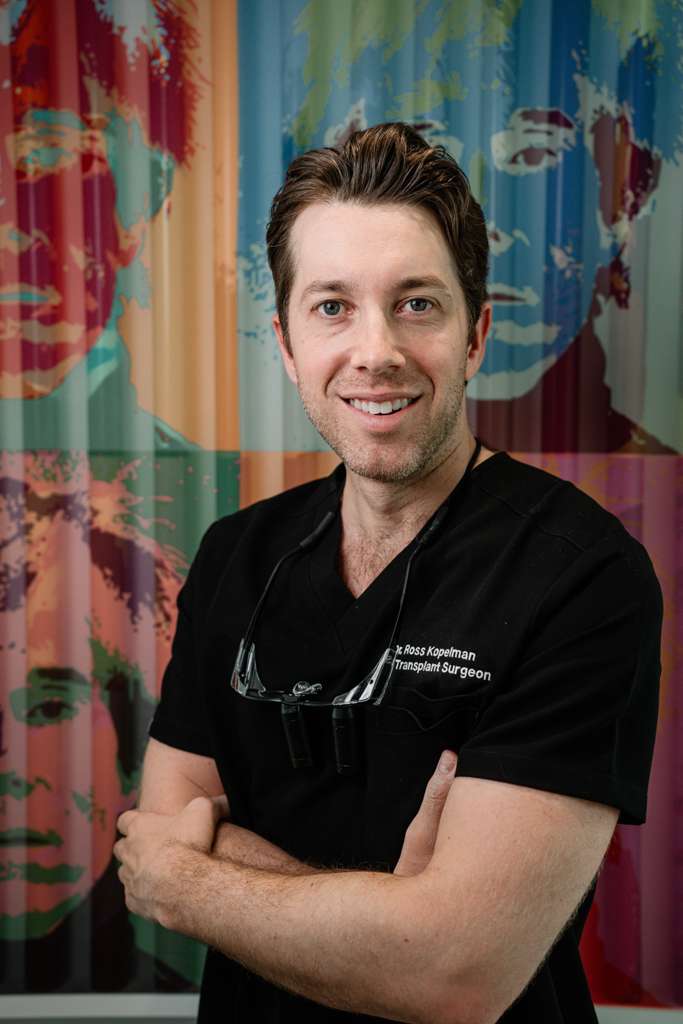
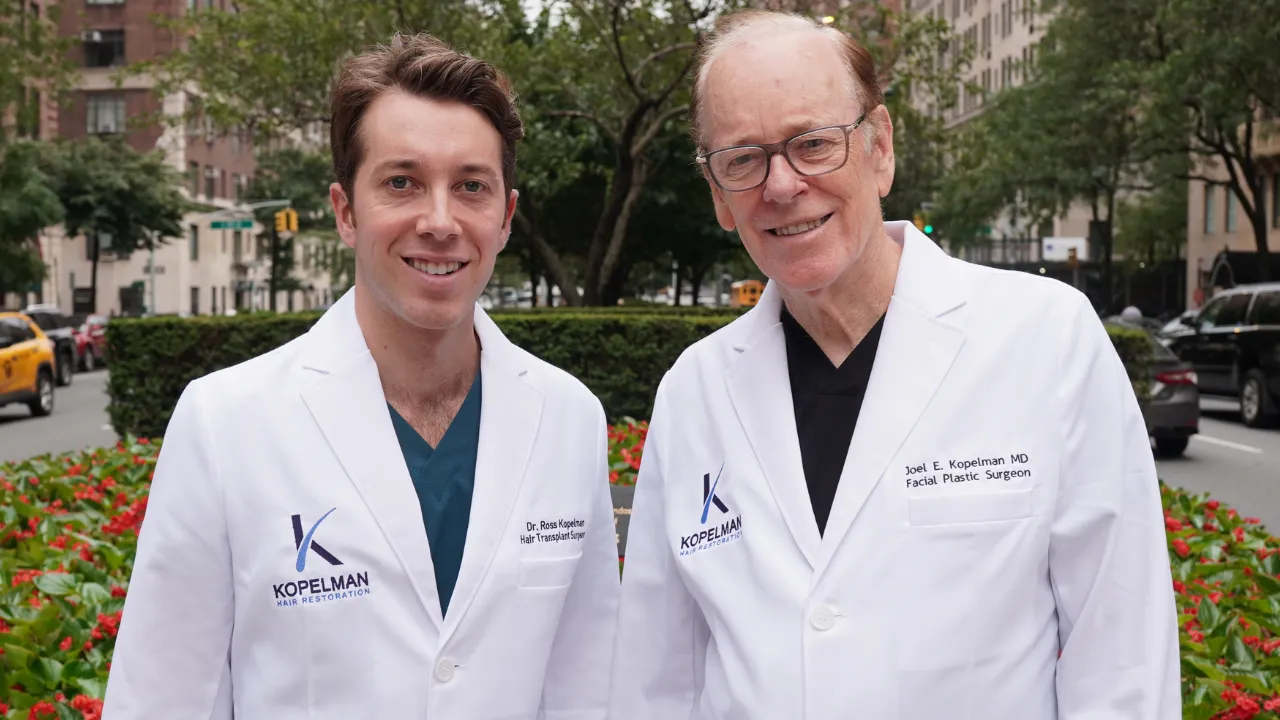
For those seeking a more targeted solution to thinning and shedding, consider speaking with Dr. Kopelman. This father-son team brings over 35 years of combined experience and specializes in personalized treatment for each patient.
Dr. Kopelman’s expertise can help you identify what is actually driving your shedding and which options fit it.
Schedule a consultation today to explore your options and take the first step towards achieving your hair goals.