

What Is Non-Surgical Hair Restoration
The term describes any clinical approach to hair restoration that works on follicles already present in the scalp rather than relocating them.
This category includes injectable therapies, topical and oral medication, device-based therapy, and nutritional support.
What unites these hair restoration techniques is that none of them creates new follicles, and all of them depend on the presence of living follicular tissue in the treated area.
Most pattern hair loss follows a process called miniaturization. Under hormonal influence, affected follicles progressively produce a thinner hair shaft with each growth cycle, and the growing phase shortens until the hair becomes barely visible.
A non-surgical hair loss treatment aims to interrupt or partially reverse that process by extending the growth phase, improving blood supply to the follicle, or blocking the hormonal signal driving the change.
Because these mechanisms act on existing biology, timing matters considerably.
Hair growth treatments of this type tend to perform best when miniaturization is underway but not complete, which is why early evaluation influences outcomes more than the specific method chosen.
Treating hair loss in an area where follicles have already scarred over or been lost entirely will not produce regrowth regardless of the protocol used.
Who Is a Candidate for Non-Surgical Treatment
Candidacy depends far more on the diagnosis than on patient preference. Several distinct types of hair loss respond very differently to the same intervention, so an accurate diagnosis precedes any discussion of balding treatment options.
Androgenetic alopecia, the pattern form of the condition, accounts for the majority of cases and is the primary target of most non-operative protocols.
Male pattern hair loss typically presents as a receding hairline and thinning at the crown, while female pattern hair loss more often appears as diffuse widening at the part with the frontal hairline preserved.
Other presentations behave differently. Telogen effluvium, a temporary shedding phase triggered by illness, surgery, childbirth, or acute stress, frequently resolves on its own once the trigger is addressed.
Autoimmune and scarring alopecias require a different clinical pathway altogether.
Hair loss can also signal an underlying medical condition such as thyroid dysfunction, iron deficiency, or a hormonal shift.
Evaluation with Dr. Kopelman typically includes scalp examination, family history, and bloodwork where indicated, because treating a nutritional or endocrine cause directly is more effective than layering topical therapy over an unaddressed deficiency.
Related patterns worth reviewing include hair loss during menopause and frontal fibrosing alopecia.
In general, the strongest candidates have early to moderate thinning, visible but miniaturized hair in the affected zone, and a stable underlying health picture.
Anti-balding treatments are less predictable once an area has become fully smooth, and hair replacement for thinning hair delivers more reliable improvement than any attempt to restore a completely bare scalp.
What Non-Surgical Treatment Can and Cannot Do
Setting realistic expectations is the most useful part of any consultation. These therapies can slow or stabilize progression, thicken existing hairs, and in many cases recover hairs that have recently miniaturized.
They cannot generate follicles that no longer exist, and no bald hair treatment currently available reverses complete follicular loss.
No permanent hair loss treatment exists as a single intervention that ends the condition. Androgenetic alopecia is progressive and genetically driven, so any improvement achieved must be maintained.
Discontinuing treatment generally returns the scalp to the trajectory it would have followed without intervention, typically over six to twelve months.
Treat claims that identify a single best therapy for hair regrowth with caution. Published evidence supports several interventions at different levels of strength, and combination protocols usually outperform any single method.
The best hair replacement treatment for a given person depends on their diagnosis, stage of loss, tolerance for daily medication, and willingness to maintain results over years, not months.
Non Surgical Restoration vs Non Surgical Hair Replacement
Two very different products share almost identical wording, and it’s worth resolving the confusion directly. Clinical treatment aims to change the behavior of biological follicles.
Hair replacement non-surgical, by contrast, generally refers to a cosmetic hair system, meaning a custom-made unit of human or synthetic hair bonded, taped, or clipped to the scalp.
So what is non-surgical hair replacement in practice? It is a cosmetic prosthetic, not a medical therapy.
It produces immediate visual coverage, requires periodic reattachment and servicing, is not a medical treatment, and does nothing to alter the underlying condition.
Searches for non-surgical hair replacement for men and hair loss replacement usually lead to this category, which studios and hair system retailers supply rather than medical practices.
Several related search terms carry the same ambiguity.
A hair reconstruction treatment most often describes salon-based repair of damaged hair fibers rather than any intervention for follicular loss, and a hair loss treatment may refer to either category depending on context.
Clarifying what someone actually wants prevents a great deal of wasted time and expense.
Two further terms describe procedures that do not exist as stated. A non-surgical hair transplant is a contradiction, since transplantation is by definition the surgical relocation of follicles.
Similarly, non-surgical hair grafting is not a recognized medical procedure, and marketing that uses either phrase is usually describing either a hair system or a conventional injectable therapy under an unfamiliar name.
Regenerative Treatments for Hair Loss
Regenerative protocols deliver biological signaling material directly into the scalp to stimulate dormant or weakened follicles.
They are performed in a clinical setting, use the patient’s own blood products or pharmaceutical compounds, and are typically delivered as a course of sessions rather than a single visit.
This group represents the core of what most people mean when they ask about a non-surgical hair growth treatment.
PRP Therapy for Hair Loss
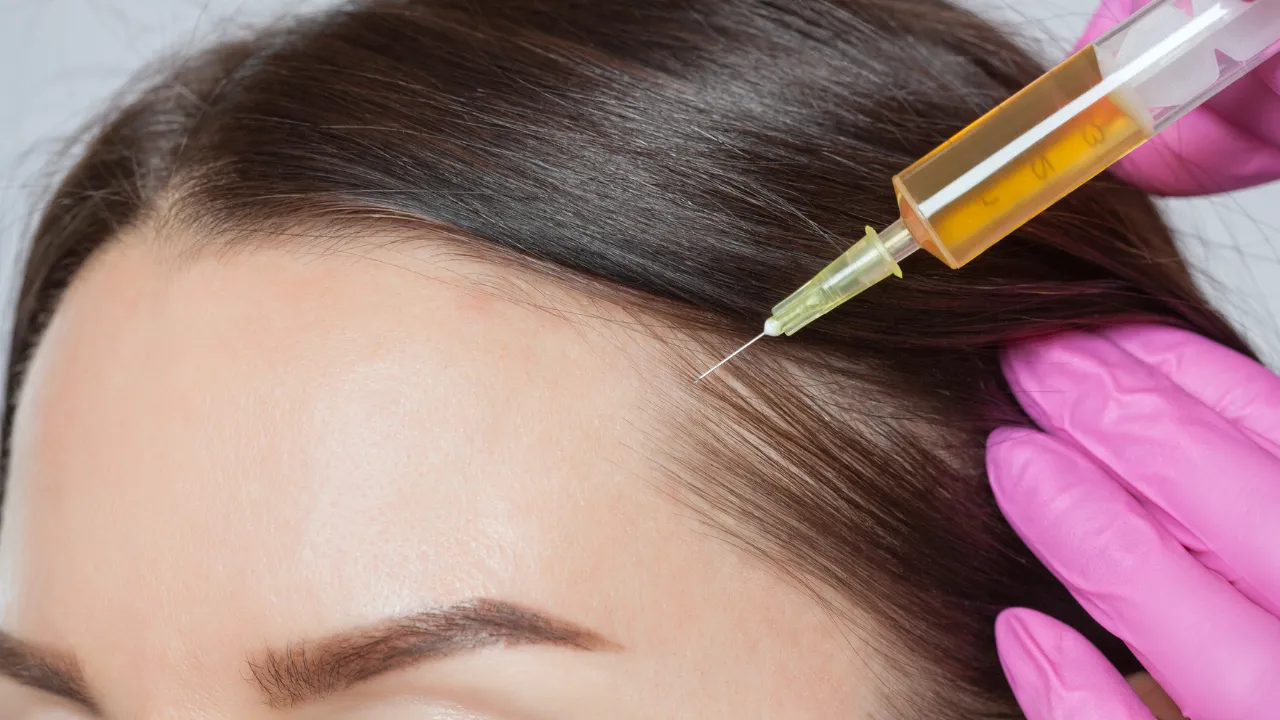
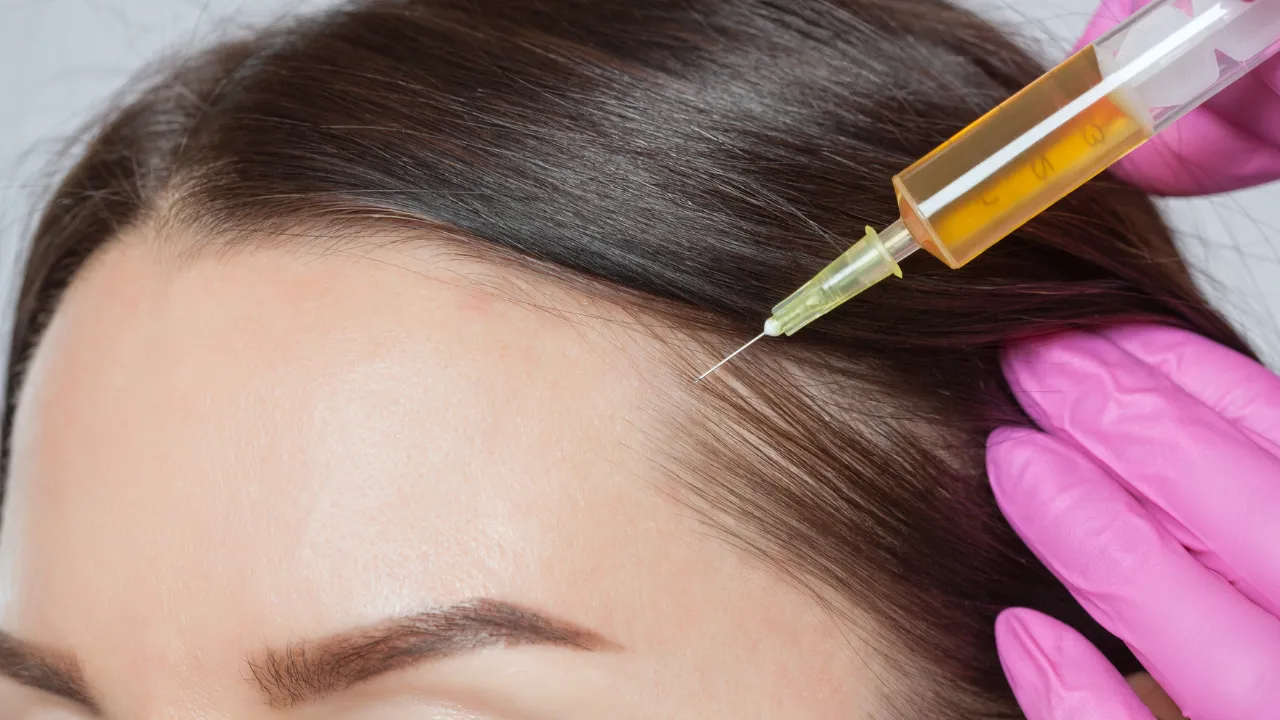
Platelet-rich plasma PRP is prepared by drawing a small volume of the patient’s blood, separating it in a centrifuge, and isolating the platelet-concentrated fraction.
That concentrate carries growth factors involved in tissue repair and angiogenesis, and it is injected across the thinning area in a grid pattern.
Platelet-rich plasma PRP therapy is delivered as a course rather than a single visit, and most published protocols use three to four initial sessions spaced four to six weeks apart, followed by maintenance sessions every four to six months.
Evidence for PRP in androgenetic alopecia is moderate and generally positive, with multiple controlled trials reporting increased hair density and hair diameter compared with placebo.
Study quality varies considerably, and preparation methods differ between clinics, which limits direct comparison between published results. Response is not universal, and some patients see minimal change.
Practical considerations matter for adherence. The procedure usually takes under an hour, and patients often ask whether PRP is painful before booking.
Recovery is limited, though aftercare steps and dietary considerations affect the days immediately following a session.
Reviewing documented outcomes alongside results in textured and African American hair gives a more accurate picture than efficacy percentages alone.
Mesotherapy for Hair Loss
Mesotherapy involves micro-injections of a compounded solution into the scalp’s superficial layers.
Formulations vary but commonly include vitamins, amino acids, and in some protocols pharmaceutical agents such as dutasteride or minoxidil delivered locally.
Delivering these agents to the scalp directly can reduce systemic exposure compared with oral administration.
The evidence base for mesotherapy is thinner than for PRP, with fewer large controlled trials and considerable variation in the solutions studied.
It is most often used as an adjunct rather than a standalone therapy, and it is sometimes selected for patients in whom oral medication is contraindicated or not preferred.
A side-by-side look at mesotherapy and PRP, along with a review of documented mesotherapy outcomes, helps clarify where each fits.
Microneedling for Hair Growth
Microneedling creates controlled micro-channels in the scalp using a device with fine needles.
The resulting wound-healing response appears to stimulate local growth factor release, and the channels also improve absorption of topical agents applied afterward.
Clinicians often combine it with PRP or topical minoxidil rather than performing it in isolation.
Controlled studies pairing microneedling with topical minoxidil have reported better outcomes than minoxidil alone, which is the most consistent finding in the microneedling literature.
Typical clinical protocols involve four to six sessions spaced one to three weeks apart, with maintenance thereafter. Cost varies with whether the session is combined with PRP or performed on its own.
Exosome and Growth Factor Therapy
A hair regeneration treatment using exosomes or concentrated growth factor preparations represents the newest category in this field.
Exosomes are extracellular vesicles that carry signaling molecules between cells, and preparations derived from cultured cells are used to amplify follicular signaling beyond what PRP alone provides.
Some protocols also incorporate extracellular matrix material.
Anyone considering a new hair regrowth treatment in this category should understand the current regulatory position.
The FDA has issued public safety notifications regarding unapproved exosome products, and no exosome preparation is currently FDA-approved for hair loss.
Published human evidence largely consists of small case series rather than controlled trials, so these treatments are at an earlier stage of validation than PRP or established medication.
Medical and Device-Based Therapies
Medication remains the foundation of non-operative care and has the strongest evidence base. A non-surgical hair regrowth treatment plan usually begins here, with regenerative or device-based therapies added on top rather than substituted for it.
Treatments for hair loss in men and women overlap substantially, though hormonal agents differ meaningfully between the two.
Minoxidil for Hair Regrowth
Minoxidil Rogaine is a topical vasodilator approved for androgenetic alopecia in both men and women, available over the counter in 2 percent and 5 percent formulations.
It appears to work by extending the anagen growth phase and increasing blood flow to the follicle, though its precise mechanism is not fully established.
Because it does not act on hormones, it functions as a non-hormonal hair loss treatment and is often the first agent introduced.
Consistency determines outcome more than concentration. Visible change typically requires four to six months of daily use, and an initial shedding phase in the first several weeks is common and expected.
Reviewing documented minoxidil results and understanding its safety profile before starting helps set appropriate expectations. Oral low-dose minoxidil is also used off-label under medical supervision for selected patients.
Finasteride and Dutasteride
Finasteride is a 5-alpha-reductase inhibitor that reduces conversion of testosterone to dihydrotestosterone, the hormone primarily responsible for follicular miniaturization in pattern loss.
It is FDA-approved for male androgenetic alopecia at 1 mg daily and has the strongest long-term evidence of any single agent in this field.
Dutasteride inhibits both type 1 and type 2 of the same enzyme and is used off-label for hair loss in some cases.
Discuss side effects before starting, not afterward. Reported rates of sexual side effects with finasteride vary between studies, and understanding how common they actually are supports an informed decision.
For patients on dutasteride, there is guidance on managing that specific risk, and dutasteride use in women carries separate considerations including strict contraindication in pregnancy.
Women of childbearing age are generally not prescribed these agents, and spironolactone is sometimes used instead.
Corticosteroid Injections for Alopecia
Intralesional corticosteroid injections address a different problem than the agents above. They suppress localized immune activity and are used primarily for alopecia areata and certain inflammatory scarring alopecias, not for pattern hair loss.
Treatment is delivered directly into affected patches, usually at four to six week intervals.
Response in alopecia areata is often good, particularly for limited patchy disease, though relapse after discontinuation is common.
Repeated injection into the same site can cause localized skin atrophy, which is why session spacing and dosing are managed carefully. Further detail is available on how steroid injections work for hair loss and on typical costs per session.
Low Level Laser Therapy
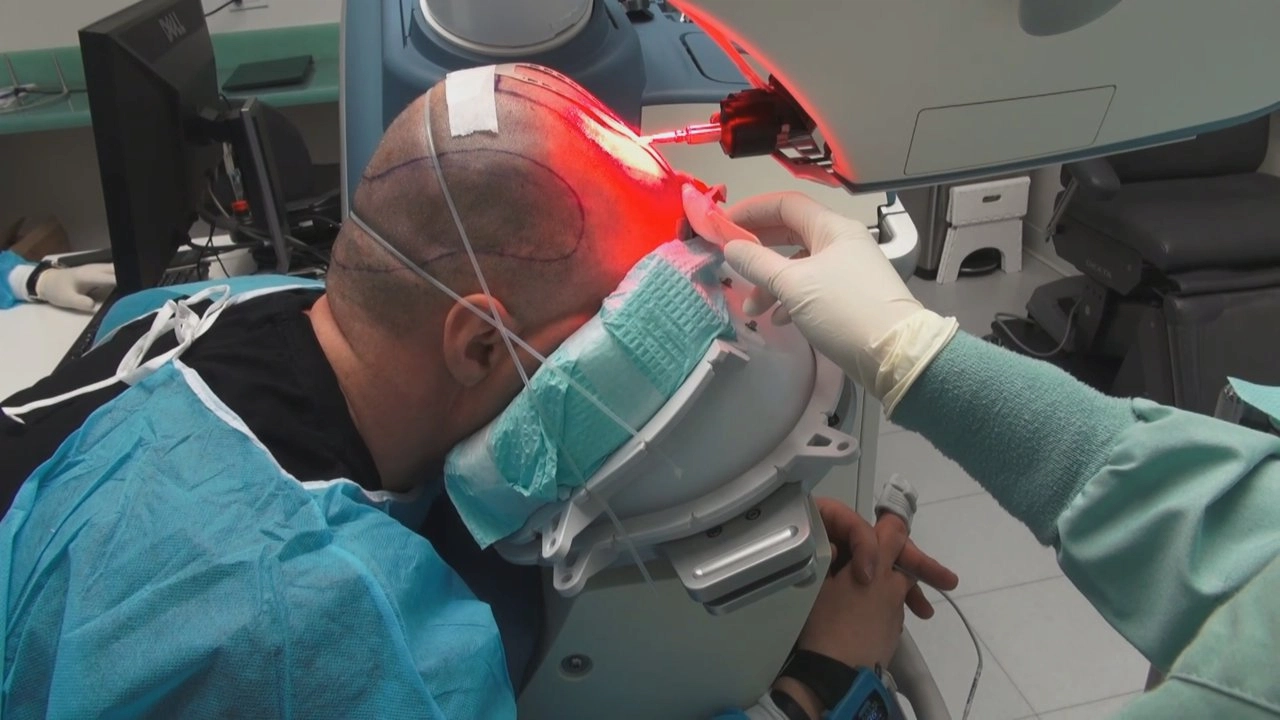
Low-level laser therapy, delivered through FDA-cleared caps, helmets, or combs, applies red light in the 630 to 680 nanometer range to the scalp.
The proposed mechanism involves photobiomodulation, in which light energy absorbed by cellular mitochondria increases cellular activity in the follicle.
Devices are cleared for home use and typically require 15 to 30-minute sessions several times per week.
Several randomized controlled trials have reported modest but statistically significant increases in hair count compared with sham devices.
The effect size is generally smaller than that seen with minoxidil or finasteride, which positions this as an adjunct rather than a primary therapy. Adherence over many months is the main practical limitation, since results depend on sustained use.
Supplements and Nutritional Support
Nutritional intervention helps when a genuine deficiency exists and does little when it does not.
Iron deficiency is a well-documented contributor to shedding, particularly in menstruating women, and vitamin D status has been associated with several forms of hair loss in observational studies.
Testing before supplementing is more useful than empirical dosing.
Marketed hair supplements vary widely in evidence quality. Reviews of supplement options for alopecia, ingredient-specific formulations such as Capixyl, and popular gummy products show a wide gap between marketing claims and published data.
Excess supplementation carries its own risks, and high-dose selenium and vitamin A are both associated with hair shedding rather than growth.
Non-Surgical Treatment vs Hair Transplant
The fundamental difference is what each approach acts on. Non-operative therapy modifies the behavior of follicles that remain in place.
Hair transplant surgeries move follicles from one location to another, which means they redistribute existing hair rather than increase the total amount on the scalp.
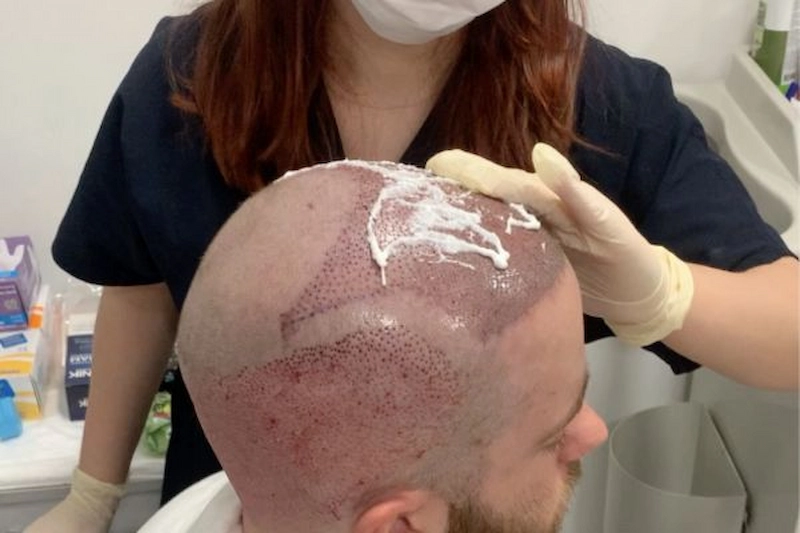
In a modern hair transplant procedure, follicular units are harvested from the donor area at the back and sides of the scalp, where healthy hairs are genetically resistant to dihydrotestosterone and therefore tend to persist after relocation.
Follicular unit extraction FUE removes individual units with a punch instrument, while strip harvesting removes a donor ellipse and dissects units from it. Both surgical procedures are performed under local anesthesia and require a recovery period.
The two approaches address different questions rather than competing directly.
Surgical hair replacement adds coverage to bare areas but does nothing to protect the untransplanted hair around the grafts, which the underlying condition continues to affect.
This is why patients who have surgery without ongoing medical therapy frequently develop new thinning around their grafts within a few years.
A common question is simple:
Do hair transplants look natural once healing is complete?
With current follicular unit techniques and appropriate hairline design, results are generally undetectable, though outcome depends heavily on graft placement angle, density planning, and the surgeon’s assessment of future loss.
Dr. Kopelman evaluates long-term donor supply before recommending surgery, since a hairline designed for a patient’s appearance at thirty may look inappropriate at fifty if progression is not accounted for.
When Surgery Is the Better Option
Certain presentations are poorly served by non-operative treatment regardless of the protocol chosen. A stable, fully bare area with no visible vellus hair contains no follicles for medication or injectable therapy to act on.
A mature receding hairline that has been static for years falls into the same category.
Scarring from injury, burns, or prior surgery similarly requires grafting rather than medical therapy, as does the restoration of eyebrows, beard, or other areas where the follicles were never present or were permanently destroyed.
In these situations, the realistic choice is between surgery, a cosmetic hair system, or accepting the current appearance.
Combining Both Approaches
In practice, most patients are best served by using both. Medical therapy protects the native hair that surgery cannot address, while grafting provides coverage that no medication can create.
Beginning medication several months before a procedure and continuing indefinitely afterward is a common protocol.
Some clinics also administer PRP around the time of surgery to support graft survival and reduce shock loss in the surrounding hair.
Evidence for this specific application is preliminary and comes largely from small studies. It is reasonable as an adjunct but should not be presented as an established standard.
Cost of Non-Surgical Treatment
Pricing in the United States varies with geography, provider credentials, protocol design, and whether treatments are bundled into a package.
Because these therapies are ongoing rather than one-time, annual and multi-year cost matters more than the price of a single session. A broader breakdown of hair treatment costs covers the surgical figures alongside these.
People asking how much is non-surgical hair replacement are often pricing cosmetic hair systems rather than clinical treatment, and the two have different cost structures.
Hair systems typically involve an upfront unit cost plus recurring servicing and replacement, which continues indefinitely. Medical therapy costs are concentrated in the first year and then decline to maintenance levels.
Cost by Treatment Type
The following U.S. ranges reflect typical 2025 market pricing and should be treated as approximate:
- PRP therapy: roughly $500 to $1,500 per session, with an initial course of three to four sessions and maintenance every four to six months. Detailed PRP pricing varies considerably by market.
- Mesotherapy: roughly $250 to $600 per session, usually over an initial course of three to six sessions.
- Microneedling: roughly $200 to $700 per session on its own, and more when combined with PRP.
- Exosome therapy: roughly $1,500 to $3,500 per session, the highest per-session cost in the category and the least validated.
- Topical minoxidil: roughly $15 to $50 per month for generic or branded formulations.
- Finasteride: roughly $20 to $75 per month, with generic pricing at the lower end.
- Low-level laser devices: roughly $200 to $1,200 as a one-time device purchase, depending on format and coverage area.
- Corticosteroid injections: roughly $75 to $300 per session depending on the number of sites treated.
Insurance and Coverage
Most of these treatments are classified as cosmetic and are not covered by health insurance. The general question of whether PRP is covered applies across the category, and the answer is usually no for pattern hair loss.
Coverage becomes more plausible when hair loss results from a diagnosed medical condition rather than genetic pattern loss.
Corticosteroid injections for alopecia areata, treatment of an underlying thyroid disorder, and iron replacement for documented deficiency are more likely to be covered than any elective cosmetic protocol.
Verify with the specific carrier before treatment, as policies differ substantially.
Results Timeline and Long-Term Maintenance
Hair biology sets the pace, and no protocol changes it. The growth cycle operates over months, so even a treatment working exactly as intended produces no visible change for a considerable period.
Understanding this timeline prevents the common pattern of abandoning an effective treatment before it has had a chance to work.
When to Expect Visible Results
Most patients notice reduced shedding first, typically within six to eight weeks, which is a meaningful early signal even though it does not yet appear as improved density.
Increased hair diameter in existing hairs generally becomes measurable around three to four months.
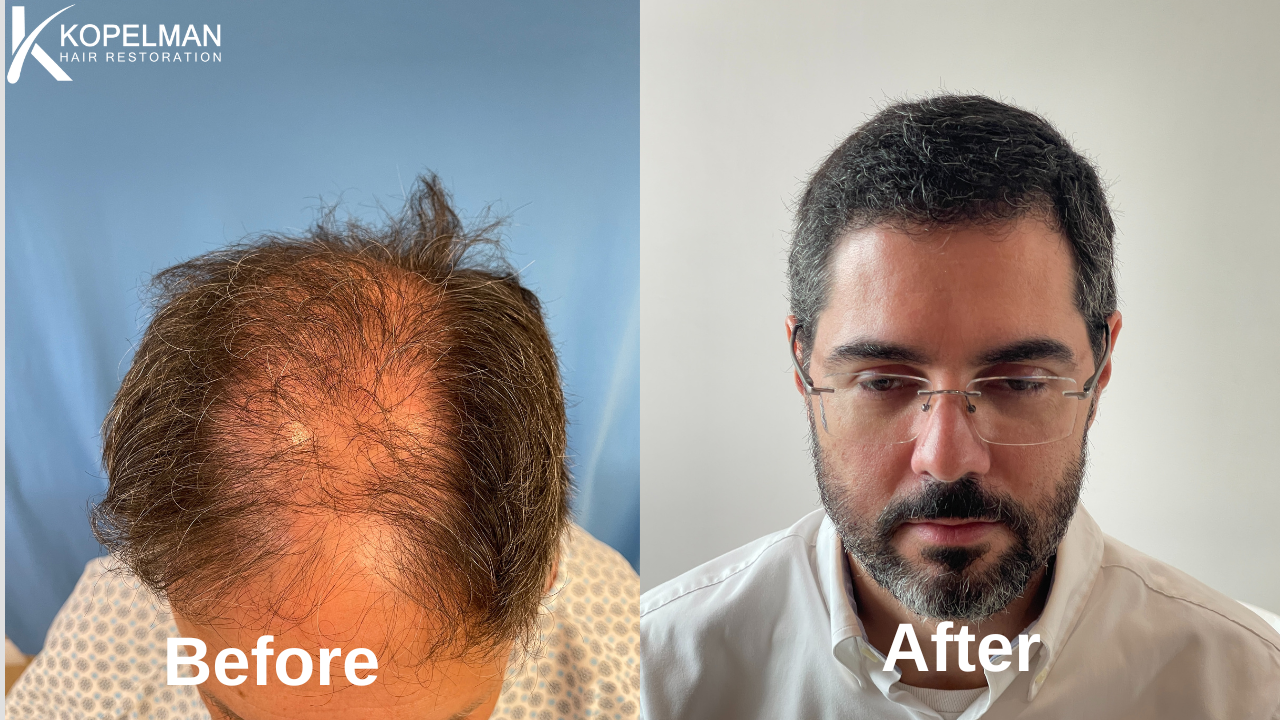
Visible improvement in coverage usually appears between four and eight months, and a fair assessment of any protocol requires at least twelve months.
An initial increase in shedding during the first four to eight weeks is common with minoxidil and is not a sign of failure. It reflects synchronized follicles being pushed from the resting phase into a new growth cycle.
Dr. Kopelman typically documents baseline photographs and standardized measurements at the start of treatment, since perceived change over months is unreliable without objective comparison.
How Long Results Last
Improvement persists only while treatment continues. PRP results typically require maintenance sessions every four to six months, and stopping medication generally leads to loss of the gained hair over six to twelve months, returning the scalp to its untreated trajectory.
This is a property of the underlying condition rather than a limitation of any particular therapy.
Long-term planning therefore matters more than the initial protocol. Selecting an approach that a patient can realistically sustain for years produces better outcomes than an intensive short-term course that is abandoned.
Reviewing hair restoration options with a physician who tracks progression over time allows the plan to adjust as the condition evolves, rather than restarting from scratch.